Self-Initiated Expatriates (SIEs) are individuals who independently choose to move to a foreign country, such as the United States, without seeking help from external sources during the relocation process. A US Self-Initiated Expatriate is an individual who autonomously pursues employment or other opportunities in the United States with the objective of establishing permanent residency, without relying on the support of any organization or agency. The objective of this research was to identify key factors related to self-initiated expatriation in the United States. The objective was achieved by conceptualizing the following factors: “Economic Factors,” “Professional Development,” “Lifestyle,” “Cultural Factors,” and “Family Factor.” The study utilized a quantitative research methodology to investigate five hypotheses with the objective of identifying the factors that contribute to self-initiated expatriation in the United States. The study encompassed data collection within the United States, followed by its application to regression analysis. A sampling frame of 400 was established to ensure a comprehensive coverage of responses. The findings of the study indicate that “Lifestyle” may serve as the primary catalyst for self-initiated expatriation in the United States.
## I. INTRODUCTION
The desire to secure employment that is financially rewarding and to provide financial assistance to one's family are widely shared goals. Based on the research conducted by Tharenou (2015) and Hussain & Deery (2018), the term "Self-Initiated Expatriate" is used to describe an individual who autonomously chooses to move to a foreign country with the intention of pursuing employment prospects. The ongoing process of business globalization is anticipated to continue due to the impact of advancing technology and rising living standards on the global economy. As a result, both organizations and individuals have gained the capacity to discover employment prospects on a worldwide level. There are only three fundamental modes of transportation that exist on a global scale. As per Zhu et al. (2016), the first step entails becoming a member of a foreign branch or partnering with a corporation or government organization. Self-Initiated Ex-patriates (SIEs) are individuals who voluntarily move away from their country of origin with the intention of pursuing employment prospects elsewhere. The first two categories are commonly known as "Expatriates," whereas the third group consists of individuals who have sought refuge in foreign countries as a result of political or social turmoil in their countries of origin. The majority of immigrants originate from developed countries, where both genders have equal opportunities to pursue education and professional pursuits. Moreover, these individuals typically exhibit a high level of motivation, possess a broad range of expertise, and demonstrate well-developed interpersonal abilities. The individuals commonly occupying such positions primarily include departmental directors, high-ranking managers, or executives within medium to large-scale corporations.
Expatriates are individuals who depart from their country of origin to engage in employment opportunities elsewhere. According to Mahmood Aziz et al. (2021), individuals who voluntarily depart are perceived as individuals who are willing to take risks. Self-initiated expatriates opt to pursue employment opportunities in foreign countries. According to Brewster et al. (2019), individuals who voluntarily relocate to foreign countries and contribute to the local community by imparting new skills to the indigenous population are typically lauded. These individuals are commonly referred to as "self-initiated expatriates." Research conducted by Kubovcikova and van Bakel (2022) and Nolan and Liang (2022) suggests that voluntary repatriation is motivated by poor working conditions at home and the prospect of better conditions abroad. The confirmation has been established. Singh et al. (2022) reported that the prospect of improved departure conditions in the destination country motivated them to plan a journey. Both countries have the potential to incentivize the repatriation of skilled labourers.
The present study focuses on the phenomenon of expatriates residing in their host nations and the process of domesticating their families. The present research endeavours to examine this matter as it is amenable to empirical investigation. When faced with the possibility of diminishing their current status, a self-initiated expatriate is less likely to return home. However, the extent to which foreign individuals have integrated themselves into the local community is variable and may be influenced by factors related to domestication. Does the act of departing a nation entail severing connections with one's loved ones and acquaintances? Experiencing a negative event can lead an independent expatriate to question the compatibility of their beliefs, goals, and aspirations with their new life overseas. Consequently, they may experience dissatisfaction and a desire to repatriate.
The research conducted by Froese (2012) on individuals living outside their native country, commonly referred to as expatriates, is of significant importance. According to Froese's (2012) perspective, expatriates may be motivated to work overseas due to a dearth of career opportunities or an inadequate work-life balance in their home country. The study conducted by Stroppa and Spieß (2011) revealed a positive correlation between personal initiative during an expatriate assignment and job satisfaction. The relationship between workplace efficiency and stress. The study conducted by Andresen and colleagues (2022) incorporates the self-initiated emigrant results reported in 2020. Proactive expatriates are more likely to achieve success due to their possession of greater resources. Self-initiated expatriates benefit from a range of resources, including mentorship, local knowledge and expertise, professional networks, employment opportunities, contingency plans, psychological health, and social connections within the host country. The research conducted by HaakSaheem and colleagues (2022) examined the experiences of women who independently relocated to foreign countries for employment purposes. The employment opportunities available to women were significantly impacted by their nationality and marital status. The careers of women are more significantly influenced by life circumstances and unpredictable occurrences than by deliberate choices. Ashta and Stokes (2022) conducted a study on independent Japanese migrant labourers in India. The results indicate an unacknowledged correlation between conventional Indo-Japanese spiritual practises. Japanese expatriates who are engaged in the study of Buddhism are in the process of establishing a novel moral code. The study indicates that women's professional trajectories are influenced by various factors such as regional, marital, and age-related characteristics, among others. The study conducted by Despotovic et al. (2022) investigates the underlying factors that drive individuals to engage in unplanned foreign travel. The research indicates that autonomous migrants opt to remain in their destination country for a multitude of factors. The present research employs self-determination theory to differentiate between expatriates who relocate overseas independently to enhance their professional prospects and those who prioritise their work responsibilities over their international experiences. Understanding the intentions of employees can aid a company in the processes of recruitment and termination.
The objective of this research is to differentiate individuals who initiate their own relocation to another country from those who do not. Freelancing it is crucial to comprehend that the decision of expatriates to relocate to foreign countries is based on their individual priorities. He will bear the responsibility for any potential failure. Individuals who travel independently have the option to sojourn in a foreign nation for either a brief excursion or an extended period of time, and they possess the ability to relocate to a different country on multiple occasions. This enables individuals to pursue professional development opportunities overseas. Individuals are unrestricted in their potential duration of residency in a foreign nation and will eagerly seize the opportunity to relocate if presented with the choice.
The rest of the paper, except the current portion, consists of the following: This study's conceptualization of variables and evaluation criteria are presented in Section 3, while Section 2 discusses related work associated with this study. Following a discussion of the conceptualization is presented in section 4 along with the justification of the concept, and the study's conclusions and suggestions are provided in Section 5.
## II. RELATED WORK
The existing body of research suggests that self-initiated repatriation is predominantly influenced by a combination of factors associated with unfavorable working conditions in the home country and a significant demand for services that are needed beyond one's country of origin (Bjerregaard, 2022; Ramalu & Malik, 2022; Lugar et al., 2022). The primary emphasis of previous scholarly inquiries revolves around the essential requirements that must be met in order for a voluntary repatriation to be successful (Jiang et al., 2022; Zakaria & Yusuf, 2022; Osman, et al., 2022). In a study conducted by Koveshnikov et al. (2022), the objective was to investigate the impact of the host employer's satisfaction with the employee's performance of their psychological contract on political competence and international cooperation. Expatriates who choose to relocate to foreign countries often undergo a period of adaptation in order to familiarize themselves with their new and unfamiliar surroundings. Based on the analysis of interactional adjustment, a statistically significant correlation was observed between the two variables. This suggests that there is a positive association between the political competence of self-initiated expatriates and their occupational adjustment. The study also finds that the ability of expatriates to maintain the psychological commitments they make to themselves before leaving has an effect on the relationship between political skills and professional adjustment. The correlation between political competence and psychological contracts is limited, at best.
In their study, Hussain and Zhang (2022) examined expatriates who possess self-sufficiency, placing particular emphasis on the importance of cultural adaptation and individual motivation. The research conducted revealed a notable association between higher levels of innovation, improved social and psychological well-being, and the utilization of innovative problem-solving methods, commonly known as "out of the box" thinking, among self-initiated expatriates who actively seek job prospects abroad. The level of an individual's motivation towards autonomy is directly associated with their tendency to exercise discretionary control and take initiative within the workplace. A negative correlation has been observed between workers' inclination towards autonomy and their creativity. According to research findings, uncontrolled motivation has a restricted influence on expatriates in terms of their work outcomes and self-initiated innovative behaviors. According to Stoermer et al. (2018), it is not obligatory to conduct interviews exclusively with individuals who are native to the target nation. Given the nature of adaptation, it is important to acknowledge that it is a highly personalized process that is both complex and multifarious. In the study conducted by Fu et al. (2017), it was found that the importance of relationships with fellow expatriates stems from their ability to offer practical and emotional support. Moreover, Asif et al. (2020) propose that foreign nationals have the potential to serve as a valuable reservoir of knowledge concerning local norms and regulations.
Based on the findings of Selmer and Lauring's study conducted in 2011, the adaptation to a new work environment can be difficult when there is a substantial convergence of cultural norms between the host and home countries. The given justification is that an inexperienced expatriate might mistakenly believe that certain cultural practices in their host country align with those in their home country. Based on the findings of Halim et al.'s (2018) research, it has been observed that previous international work experience can enhance the adjustment process of expatriates to their new environments and professional roles abroad. Based on their research conducted on foreign academics employed in Malaysia, individuals with previous international work or living experience demonstrated the least susceptibility to culture shock. The authors also emphasize that individuals living in foreign countries may broaden their perspective due to exposure to a different culture, which could help them adjust to new environments when they return home. The research conducted by Alshammari (2012) investigated the adaptation process of academic professionals working as expatriates in Saudi Arabia. The study's findings indicate that there is no observable correlation between prior international experience and job performance. According to the author, a significant factor among the potential contributors is the high proficiency in the Arabic language, as indicated by $81\%$ of the survey participants. Having a strong grasp of the language is a crucial asset in facilitating effective assimilation. Based on the findings of Danisman's 2017 study, it was observed that individuals who formed marital unions with local residents encountered fewer challenges when it came to assimilating into their host country, in contrast to those who did not engage in such unions.
Asif et al. (2020) highlight that proficiency in Arabic appears to be a crucial factor for self-initiated expatriates, despite the significant presence of expatriates in Saudi Arabia. This can be attributed to the insular nature of Saudi society. Acquiring proficiency in the native language is a viable approach for expatriates to initiate the process of adapting to their novel surroundings, although the efficacy of this method is heavily reliant on the specific circumstances. The study conducted by Wechtler et al. (2022) investigates the employment linkages and consequences of self-initiated expatriates and delineates four primary classifications. This discourse centers on the viewpoints of business travellers, young professionals, individuals undergoing transitions, and those who solely depend on the benevolence of strangers during their travels. According to Danisman's (2017) assertion, acquiring proficiency in the local language can facilitate community integration and enhance employment opportunities. The argument put forth by the author posits that expatriate academics who have maintained their proficiency in their native language possess a competitive advantage. Merchant et al. (2022) conducted a comprehensive investigation into the subjective well-being of Nigerian individuals who voluntarily migrated to Germany, employing a multifaceted approach. The aforementioned results underscore the significance of non-tangible factors in cultivating a perception of contentment among individuals undertaking overseas missions.
Richardson and Wong (2018) postulated that the indigenous language of the host nation exerts a substantial impact. Scholars have demonstrated that proficiency in the local language enhances both occupational and societal assimilation, based on their investigation of migrant labourers in Malaysia. Halim et al. (2018) conducted research which suggests that acquiring proficiency in the language does not significantly affect the ability of expatriates to adjust to the cultural and social norms of Malaysia. The argument posits that the prevalence of English language proficiency among a significant portion of the Malaysian population suggests the likelihood of this assertion. According to Danisman's (2017) research, the support provided by an expat's family and friends in their home country can significantly impact their ability to successfully adjust to their work environment. The speaker proceeds to assert that scholars who independently relocated their families abroad experienced greater levels of contentment in their newly adopted nation. Selmer and Lauring (2011) provide evidence to support the idea that family members are integral to the process of adjustment. Academic: The research findings suggest that professors who chose to marry and integrate their families into their professional lives experienced greater levels of success and productivity in their work. A significant proportion of individuals residing abroad have done so voluntarily. In the event that an individual opts to pursue their education overseas independently, it is likely that they have taken measures to organise their arrangements for the journey, potentially facilitating a seamless adjustment.
The study conducted by Alshahrani (2022) examined the characteristics of company-assigned and expatriate-initiated individuals in Saudi Arabia. According to the study, the "push factor" emerged as the most reliable indicator for determining whether an individual voluntarily relocated overseas or was compelled to do so due to professional obligations. The findings suggest that self-initiated expatriates are more affected by push factors than those who are assigned by their companies. However, both self-initiated and company-assigned expatriates did not derive substantial benefits from the pull-out incentive features. The personal and professional circumstances of an individual, whether voluntary or involuntary, hold greater significance than the reasons behind an expatriate's decision to relocate overseas. The divergent expatriate groups are primarily distinguished by their respective career aspirations. Stoermer et al. (2018) conducted research indicating that expatriates who relocate independently tend to achieve favourable outcomes when they possess a profound sense of cultural affinity towards their host nation. This holds great importance in states that lack cultural diversity. Having an open-minded approach towards novel concepts and viewpoints can prove to be a valuable attribute, not only in professional environments but also in other contexts. A positive outlook, along with adaptability, can confer benefits in the context of societal changes. This may facilitate your transition into your new employment.
## III. CONCEPTUALIZATION OF THE RESEARCH
The present study has developed a conceptual framework (refer to Figure 1) consisting of Economic Factors (EF), Professional Development (PD), Family Factors (FF), Lifestyle (LL), and Cultural Factors (CF) as independent variables. The dependent variable in this framework is Self-Initiated Expatriate (SE). The objective of this study is to clarify the motivations of self-initiated expatriates. The independent variables used in this study are derived from the research conducted by Podrug et al. (2014). The concept revolves around individuals who have voluntarily identified themselves as expatriates and have participated in extended periods of employment and living within the United States. These individuals consist of expatriates who relocate to the United States and subsequently secure employment. The objective of this study is to evaluate the impact of five independent variables on Self-Initiated expatriates. The study employs the existing data to determine the influence of the independent variables that are statistically significant for self-initiated expatriates who migrate to the United States. The study included all five independent variables and conducted empirical research to assess their relative effectiveness in understanding the factors that drive individuals to independently migrate abroad.
The person who has knowledge about self-initiated expatriates possesses a thorough understanding of the subject matter. The management's actions are limited by various factors, including the presentation of services and related concerns. The justification for conceptualizing the variables is based on the importance of the management implications linked to a specific sequence requirement for jobs in the United States. In order to achieve a comprehensive evaluation of the various factors involved in assessing self-initiated expatriates, it is essential to perform a detailed analysis of the incorporated components. Therefore, by implementing the operational application of the independent variables as outlined by Podrug et al. (2014), this research can accurately identify the factors related to the impact of self-expatriates in the United States.
1. Economic Factors (EF): The economic situation of self-initiated expatriates is considered to be indicative of the economic conditions prevailing in both their country of origin and their destination country. From a pragmatic standpoint, one may conceptualize it as the level of material comfort in a foreign country that an individual is willing to embrace to support their family residing in their country of origin. The extent to which it serves as a primary catalyst or consequence of individuals independently travelling abroad is a topic of contention. The majority of individuals who have emigrated from their countries of origin have
attributed their decision to the prevailing economic conditions, elevated rates of joblessness, and individual hardships (Alshahrani, 2022). The motivation behind self-initiated expatriation may vary depending on the research conducted. Some studies suggest that economic incentives, such as the pursuit of higher remuneration, may be the primary driver. Conversely, other research indicates that individuals may be primarily motivated by noneconomic factors, such as the desire for novel experiences and cultural enrichment. In contrast, self-initiated expatriates exhibit a less discerning attitude towards the reasons for relocating overseas, and are willing to undertake significant life changes for a variety of factors, such as the prospect of improved employment opportunities. According to Sutari and Brewster (2000), there is significant variation in the weight of this factor across individuals and nations. The primary drivers for expatriates to take up employment in a foreign country were discovered to be of an economic nature, encompassing their aspirations to increase their earnings, expand their travel opportunities, widen their perspectives, and advance their careers. The objective of this study was to ascertain the extent to which financial factors influence individuals' voluntary migration from their countries of origin. The rationale behind individuals' independent migration to foreign countries remains ambiguous as financial considerations, although relevant, do not appear to be the sole motivator. Given the circumstances at hand, and with the aim of conducting a more in-depth analysis of the impact of Economic factors on self-initiated expatriates from the United States point of view, this study posits the following hypotheses:
- H1: Economic Factors are Associated to USA Self-Initiated Expatriation.
2. Professional Development (PD): There is a general consensus that an individual's professional status ought to reflect their ability to progress within their industry subsequent to moving from their country of origin to the destination country. Self-directed expatriates perceive a noticeable improvement in the quality of professional services overseas in comparison to their home country. The aforementioned variable can serve as an operational definition for the extent to which an individual can progress in their professional growth. It is conceivable that an individual may be receptive to pursuing employment opportunities overseas as a means of enhancing their social or professional status within their domestic sphere. Moreover, the question of whether the pursuit of professional development is the predominant factor motivating individuals to travel abroad voluntarily remains a
subject of debate. Currently, there exist varying perspectives among individuals regarding this matter. The research revealed that self-initiated expatriates, who possess greater autonomy in their decision-making, place a premium on personal growth opportunities and base their acceptance of foreign postings on the proximity of their native countries. As per the findings of a recent research conducted by Al-shahrani (2022). Chwialkowska (2020) identified several factors that are associated with professional development, including motivation, prospects for advancement, acquisition of competencies, and cross-cultural experiences. A significant number of individuals who relocate to foreign countries do so with the intention of improving their employment opportunities. In the contemporary era of globalization, possessing competencies and expertise that are universally applicable has become progressively crucial. Halim et al. (2018) conducted research indicating that self-initiated expatriates exhibit a greater propensity to explore and pursue career opportunities within their host country.
The main objective of individuals relocating to foreign countries was to enhance their professional status, as evidenced by their expectation of superior career opportunities that would facilitate higher earnings, global exposure, and career advancement. The objective of this study is to investigate whether individuals' inclination towards professional development serves as the primary impetus for their voluntary participation in international assignments. The reason for this uncertainty is the lack of knowledge regarding whether individuals who choose to migrate independently prioritize their professional development. This study proposes the formulation of hypotheses in order to conduct a comprehensive analysis of the impact of professional development on self-initiated expatriates from the perspective of the United States. The hypotheses are based on the current circumstances and aim to provide a deeper understanding of the impact of professional development on self-initiated expatriation.
- H2: Professional Development is Associated to USA Self-Initiated Expatriation.
3. Family Factors (FF): The role of the family in relation to self-initiated expatriation is of utmost importance. According to Danisman's (2017) research, the ability of an expatriate to adjust to a novel work environment may be influenced by the level of contentment experienced by their family members residing in their home country. When contemplating an individual, the family unit is the foremost aspect to be taken into account. The present section will analyses the divergences and convergences pertaining to the family configurations of expatriates'
country of origin and their destination country. Therefore, the family factors of an individual can be operationally defined as their level of acceptance towards the family structural system of both the host country and their country of origin. The primary driving factor behind individuals' voluntary decisions to relocate overseas is a subject of contention, with some arguing that the longing to be in closer proximity to family members is the determining factor. Cerdin (2013) posits that the impetus to migrate can be attributed to an individual's aspiration to depart from their native culture and the predicaments they have faced within their homeland. The act of departing from one's place of origin and customary cultural practices. Individuals who opt to migrate abroad independently frequently engage in discussions with their family members residing in their country of origin prior to undertaking any significant life-altering decisions. According to these authors, the role of family is crucial in determining the decision of independent learning and development, as it has the capacity to either promote or hinder the same. Considerable effort is invested in the production of this type of artistic expression. Consequently, a considerable number of scholars are directing their research towards families who choose to relocate overseas (Nolan & Liang, 2022).
Danis-man (2017) has identified a challenge associated with relocating from one's family and adapting to a new way of life in a foreign country, which is a lack of proficiency in the local language of the host nation. This can be particularly difficult when surrounded by unfamiliar people. The objective of this study is to investigate the potential correlation between the motivations of self-initiated expatriates for relocating and their level of acceptance towards the family structure of the host country. The primary aim of this investigation was to ascertain whether individuals' autonomous decisions to migrate abroad are influenced by their close familial connections. The reason for this uncertainty lies in the ambiguity surrounding the extent to which family factors serve as the primary impetus for self-initiated emigration. Although undoubtedly a salient factor, it is not a universal determinant. To conduct a more comprehensive look at the impact of family dynamics on self-initiated expatriation in the United States, the ensuing hypothesis has been formulated.
H3: Family Factors are Associated to USA Self-Initiated Expatriation
4. Lifestyle (LL): The self-initiated expatriate status of an individual is believed to be manifested in their selection of a foreign location for residence and employment. If an individual perceives that the culture of the host country is a compatible match, they may be motivated to seek employment
opportunities in that location. The independent decision-making of expatriates to relocate abroad is of utmost importance for their professional and personal development. The present investigation employs the term "lifestyle" to denote the extent to which an individual can uphold their habitual way of living despite inhabiting a foreign country. Individuals contemplating employment opportunities abroad may have concerns regarding their ability to assimilate into the indigenous customs and lifestyle. The topic of discussion pertains to the causal relationship between an individual's lifestyle and its impact on the decision to undertake voluntary international migration. This matter is currently under debate within academic circles. Previous research has identified organisational recognition and a strong sense of calling as significant factors contributing to international migration (Alshahrani, 2022). Certain individuals are inclined to relocate abroad due to the significant cultural or societal contrasts between their country of origin and the intended destination, which serves as a driving force behind their decision to emigrate. Usually, individuals opt for a nation based on its agreeable weather conditions and advanced physical and organisational structures. According to Zakaria and Yusuf (2022), emigrants tend to select their destination based on the various benefits that the place provides, if they have the freedom to do so.
Factors pertaining to the lifestyle of expatriates, including their objectives and level of cultural assimilation with indigenous practises. Considering the significance of this issue, it may serve as a determining element in the decision-making process of accepting an overseas employment opportunity. The primary objective of the research was to investigate and validate whether an individual's lifestyle choices serve as the primary impetus for their choice to relocate overseas. Although lifestyle factors hold undeniable importance, they are not frequently conspicuous as the primary driving force behind an individual's voluntary decision to relocate overseas. In order to undertake an in-depth investigation of the influence of lifestyle on self-initiated expatriation in the United States, the following hypothesis has been developed:
H4: Lifestyle is Associated to USA Self-Initiated Expatriation.
5. Cultural Factors (CF): The cultural element is intended to serve as a depiction of the cultural context in both the expatriates' country of origin and the country they have elected to reside in during their overseas stay. In essence, it can be operationally defined as the extent to which an individual exhibits a willingness to integrate into the cultural norms and values of the host country in order to facilitate the advancement of their home
country. The influence of culture on individual decisions to travel internationally independently remains uncertain as to whether it is a causal factor or a consequential outcome. Numerous individuals are driven to depart from their country of origin due to their inherent curiosity and eagerness to acquire knowledge regarding the diverse cultures and societies of the world. One of the major motivating factors for individuals to engage in international projects is the opportunity to gain exposure to diverse cultures. According to Shenkar's (2001) research, it is common for individuals who relocate independently to foreign countries to actively search for communities that share similar cultural values and beliefs. The influence of cultural disparities is a significant determinant in the decision-making process of individuals opting to migrate from their country of origin. This exhibit showcases a contemplation of the societal and cultural influences that individuals cite as motivating their emigration from their country of origin. According to Carr et al. (2005), there exists a cultural motivational factor that attracts individuals to a specific host location. This concept is akin to Cerdin's (2013) proposed component that pertains to the geographical host site of an assignment. Delivering high-quality services necessitates taking into account cultural factors and making an effort to embrace or internalise the client's perspective. The phenomenon of culture shock among expatriates has been extensively explored in various scholarly works, including books and articles authored by Danisman (2017), Halim et al. (2018), Zakaria and Yusuf (2022), and Nolan and Liang (2022). Consistent with prior scholarship, this study determined that cultural characteristics play a role in determining whether self-initiated emigration is the primary motive, and it revealed that female individuals who undertake independent migration exhibit greater adaptability to novel surroundings than their male counterparts. Previous research has potentially mischaracterized the extent to which cultural factors serve as the primary impetus for voluntary emigration, based on our current understanding.
In order to undertake a more thorough examination of the influence of cultural variables on self-initiated expatriation in the United States, the following hypothesis has been posited:
H5: Cultural Factors are Associated to USA Self-Initiated Expatriation.
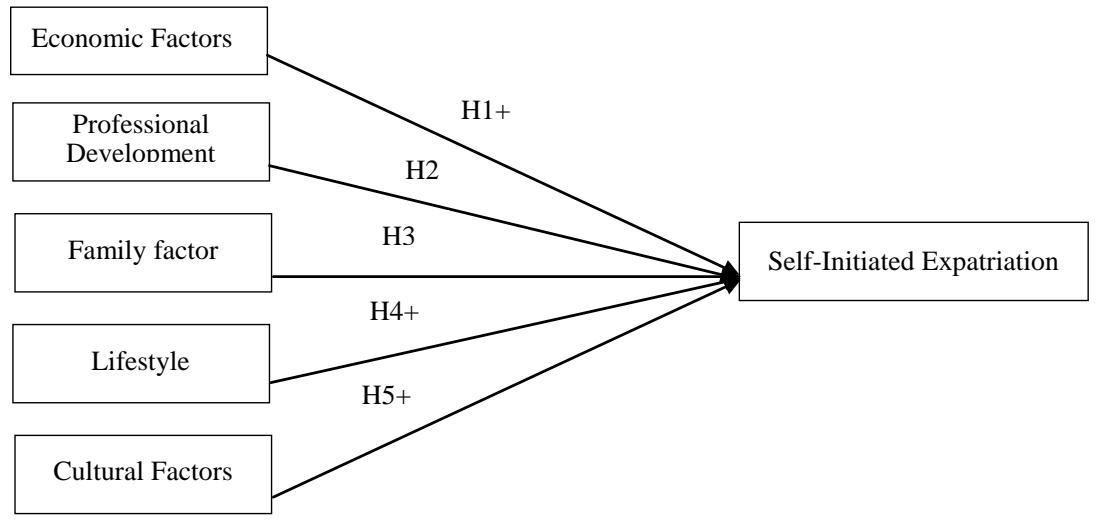 Figure 1: The Proposed Conceptual Framework
## IV. RESEARCH METHODOLOGY
The current study utilizes a quantitative methodology, specifically employing survey questionnaires for the purpose of evaluation. The selection of this methodology is based on the subjective nature of the assessment, where each individual subject is required to provide their own distinct perspective (Snyder, 2019; Zhang et al., 2023).
### a) Research Population, Sampling and Sample Frame
The objective of this study is to examine individuals who initially traveled to the United States with the intention of returning to their home country but later chose to stay in order to pursue personal, cultural, and career development opportunities, without a specific timeframe for their return. The scope of this research is focused on individuals who are currently living in the United States but are not citizens of the country. Specifically, it includes those who have started working after arriving in the United States. These individuals are immigrants who come to the United States and then find employment, showcasing their dedication to advancing their professional goals.
The sampling procedure was developed to consider the varied abilities of respondents in addressing important issues related to employment in the United States. The current study utilizes a sampling strategy that integrates aspects of both random and purposive sampling techniques. A sampling frame consisting of 400 units was established in order to achieve a comprehensive coverage of responses.
### b) Research Instruments for Data Collections
Preliminary study to test the validity of the first formulated research instrument has been carried out. The final stages of the preliminary study on self-initiated expatriate evaluation involved the implementation of instrumentation and data collection preparation. Questionnaires are the primary tools utilized for data collection. The study identified six key variables, namely Economic Factors (EF), Professional Development (PD), Family Factors (FF), Lifestyle (LL), Cultural Factors (CF), and Self-Initiated Expatriate (SE), from which scaled items or questions were derived. The questions have not been adapted. They were constructed from the beginning. The present research utilized prior literature and preliminary investigation as a basis for formulating inquiries, which were subsequently employed to develop the questionnaires. The rationale behind the development of the scaled items within the proposed factors is based on the premise that "Self-Initiated Expatriate (SE)" is believed to be influenced by five additional variables. Consequently, by utilizing the responses obtained from these items, the study can examine the extent to which the five independent variables can serve as instruments for identifying self-initiated expatriates. Following the formulation of the questions, a pre-test was conducted and subsequently, the questions were finalized based on certain recommendations. However, it should be noted that certain aspects of the aforementioned inquiries were utilized in the two preceding exploratory investigations. Nevertheless, the concerns brought forth in this particular scholarly endeavor were not previously taken into account. Influence-type the questions in this study employ Likert scales consisting of five response options, ranging from "1: no influence" to "5: high influence."
The instrumentation and preparation of data collection were conducted as integral components of the final stages of the two preliminary studies on self-initiated expatriate assessment. Questionnaires are the primary tools employed for data collection. The present study identifies six key variables, namely Economic
Factors (EF), Professional Development (PD), Family Factors (FF), Lifestyle (LL), Cultural Factors (CF), and Self-Initiated Expatriate (SE), from which scaled items or questions were derived. The questions have not been adapted. They were developed from the beginning. The present research utilized prior literature and preliminary investigation to establish the basis for formulating the questionnaires. The rationale behind the development of the scaled items within the proposed factors is rooted in the understanding that "Self-Initiated Expatriate (SE)" is a construct that is influenced by five additional variables. Thus, by utilizing the responses obtained from these items, the study can examine how the five independent variables may serve as instruments for identifying self-initiated expatriates. Following the formulation of the questions, a pre-test was conducted and subsequently, the questions were revised based on certain recommendations. Nevertheless, certain aspects of the aforementioned inquiries were utilized in the preceding two preliminary investigations, although the matters addressed in this particular research endeavor were not previously taken into account. Influence-type the questions are evaluated using Likert scales consisting of five (5) response options, ranging from (1) indicating no influence to (5) indicating high influence.
### c) Scale Items Reliability
The reliability of the scaled items was assessed through a validation test. A pilot test was conducted prior to the validation process. Several responses were received. The reliability assessment indicates that the scaled items are sufficiently suitable for the purpose of data gathering. The utilisation of a metric known as Cronbach's alpha was employed in this study, which is one of the commonly used benchmarking tools for assessing the dependability of scaled items. The present study did not employ a summated approach to combined and aggregate questions under each factor. The calculations of Cronbach's alpha involve the use of 26 items. The eventual attainment of a value of 0.934 is evidenced in Table 1. The aforementioned statement indicates that the construct reliability levels are deemed satisfactory, thereby making them appropriate for the purpose of collecting data in a reasonable manner. Moreover, it was discovered that the correlations between items ranged from 0.498 to 0.812, suggesting that there is no lack of significant correlation among them and the correlation are not too high. Consequently, this led to favorable levels of Internal Consistency.
Table I: Reliability Test Result of the Pilot Study Instruments
<table><tr><td colspan="3">Reliability Statistics</td></tr><tr><td>Cronbach's Alpha</td><td>Cronbach's Alpha based on Standardized Items</td><td>No. of Items</td></tr><tr><td>.934</td><td>.936</td><td>26</td></tr><tr><td></td><td></td><td></td></tr></table>
### d) Data Collection
The data collection technique utilized was solely dependent on online platforms. The survey instrument was developed and implemented using the Google Docs platform. The recruitment of participants was conducted through various networking strategies. The exercise endured for a period of time. Following that, the gathering of responses was observed to occur in two distinct phases. The study's conclusive phase yielded a total of 121 responses. This is sufficient for analysis in light of the self-initiated expatriate distributions in the United States.
Following the completion of the final data collection, an exploratory factor analysis (EFA) was conducted. Exploratory Factor Analysis (EFA) is a valuable method for researchers and practitioners across diverse fields, as it aids in identifying the fundamental constructs or factors that elucidate the interrelationships among a set of observed variables. The utilization of principal component analysis was employed to ascertain the appropriate quantity of factors to retain, as well as the constituent items within each factor. Out of the 26 items initially developed and validated for data collection as independent variables, the EFA analysis conducted at the outset of treatment on the 121 collected data points resulted in a reduction to 13 items deemed suitable for analysis. Therefore, Table 2 displays the analysis of the results obtained from the exploratory factor analysis (EFA). Despite the limited number of items contained within the factor of "Professional Development (PD)," it can still be deemed valuable. This is supported by the notion that constructs with a smaller number of items, including one or two, can be subjected to analysis based on their measurement properties (Hair et al., 2011, p.140).
Table 2: The Final Loading of the Items Component Matrix
<table><tr><td colspan="6">Rotated Component Matrixa</td></tr><tr><td rowspan="2"></td><td colspan="5">Component</td></tr><tr><td>1</td><td>2</td><td>3</td><td>4</td><td>5</td></tr><tr><td>FF4</td><td>.861</td><td></td><td></td><td></td><td></td></tr><tr><td>FF5</td><td>.806</td><td></td><td></td><td></td><td></td></tr><tr><td>FF3</td><td>.767</td><td></td><td></td><td></td><td></td></tr><tr><td>FF2</td><td>.703</td><td></td><td></td><td></td><td></td></tr><tr><td>LS2</td><td></td><td>.833</td><td></td><td></td><td></td></tr><tr><td>LS3</td><td></td><td>.797</td><td></td><td></td><td></td></tr><tr><td>LS4</td><td></td><td>.724</td><td></td><td></td><td></td></tr><tr><td>EF2</td><td></td><td></td><td>.900</td><td></td><td></td></tr><tr><td>EF6</td><td></td><td></td><td>.875</td><td></td><td></td></tr><tr><td>EF1</td><td></td><td></td><td>.871</td><td></td><td></td></tr><tr><td>EF5</td><td></td><td></td><td>.703</td><td></td><td></td></tr><tr><td>PD4</td><td></td><td></td><td></td><td>.853</td><td></td></tr><tr><td>PD5</td><td></td><td></td><td></td><td>.821</td><td></td></tr><tr><td colspan="6">Extraction Method: Principal Component Analysis.Rotation Method: Varimax with Kaiser Normalization.</td></tr><tr><td colspan="6">a. Rotation converged in 5 iterations.</td></tr></table>
Based on the factors loading of the items, obtained from the result of the EFA (see Table 2) which are all above 0.70, this has established that they are fit for an analysis for the testing of the hypothesis formulated. However, it could be seen that all the items associated to cultural factors has been eliminated for the fact that their factors loading is below the minimum threshold (0.7) (see Figure 2). Research recommends that the loadings of indicators ought to fall within the range of.70 and exhibit statistical significance at.05 or lower, which is equivalent to a t-statistic of $\pm 1.96$. According to Hair et al. (2019), values falling within the range of.70 and higher can be rationalized.
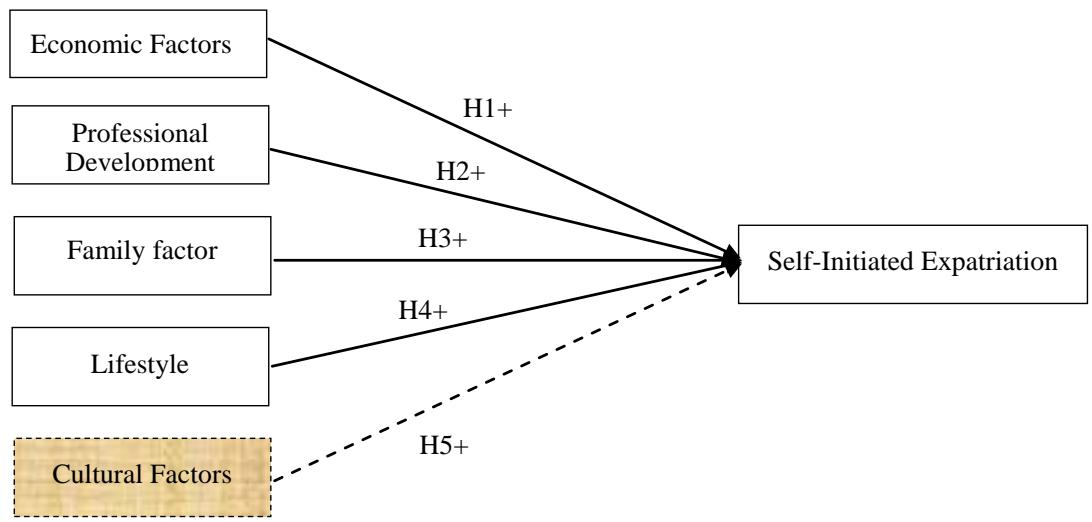 Figure 2: The Final Research Model after EFA
## V. DATA ANALYSIS AND PRESENTATION OF THE RESULTS
The selection of an appropriate analytical approach is contingent upon the underlying hypotheses and characteristics of the data. The objective of this study is to analyze the primary factors that impact self-initiated expatriation in the United States. Given the current circumstances, two analytical measures were evaluated, namely descriptive and inferential statistical analyses. The aim of this study is to conduct a descriptive analysis of the current situation of Self-Initiated Expatriate individuals in the United States of America. The objective of this study is to examine the viewpoints of research participants regarding the concerns and obstacles associated with Self-Initiated Expatriation. Additionally, the proposed model will employ inferential analysis to determine the magnitude of the conceptualized variables. The purpose of the inferential analysis procedure is to examine and evaluate the validity of the hypotheses that have been formulated.
### a) Demographic Profile of the Respondents
The study achieved a balanced gender distribution with $51\%$ of respondents identifying as female. This allows for appropriate dissemination of findings within each gender category. Moreover, a majority of $71\%$ of the participants fall within the age range of 17 to 24 years. This implies that the majority of individuals are in the stage of job-seeking and may possess a willingness to relocate. The primary area of employment for $90\%$ of the respondents is in the field of skilled labor. Therefore, this implies that individuals who pursue employment opportunities overseas are predominantly those possessing specialized skills. The preponderance of participants, comprising $31\%$ of the sample, reported a work experience ranging from 1 to 3 years in the field(s) of skilled labor. The duration of time spent working has increased to 9 years, as per the distribution. Therefore, this suggests that they have a willingness to persist indefinitely. Approximately $70\%$ of the survey participants expressed contentment with their current employment. Approximately $27\%$ of individuals maintain a neutral stance, while a mere $3\%$ express dissatisfaction; however, the latter group feels compelled to remain in their current situation.
### b) Analysis of the Relationship among the Variables and Hypothesis Testing
The study generated mean scores for the variables Economic Factors (EF), Professional Development (PD), Family Factors (FF), and Lifestyle (LL) as they pertain to the independent variables, and Self-Initiated Expatriate (SE) as the dependent variable. Table 3 presents the outcome of the correlation analysis conducted among them. The Pearson's (r) correlation coefficient values for the variables assessing Self-Initiated Expatriation range from $r = 0.498$ to $r = 0.812$. The correlation coefficient (r) of 0.812 indicates a strong positive correlation between Self-Initiated Expatriation and Professional Development. This suggests a robust and noteworthy correlation between the two variables, which is also favorable. All of the correlations between the variables exhibit a high degree of strength and statistical significance, with the exception of one.
Table 3: Correlation Analysis among Selection of Expatriates Variables and Expatriate Success
<table><tr><td colspan="7">Correlations</td></tr><tr><td colspan="2"></td><td>Self_Initiated_Expatriate</td><td>Economic_Factor</td><td>Professional_Development</td><td>Lifestyle</td><td>Family_Factor</td></tr><tr><td rowspan="3">Self_Initiated_Expatriate</td><td>Pearson Correlation</td><td>1</td><td>.733**</td><td>.812**</td><td>.782**</td><td>.721**</td></tr><tr><td>Sig. (2-tailed)</td><td></td><td>.000</td><td>.000</td><td>.000</td><td>.000</td></tr><tr><td>N</td><td>121</td><td>121</td><td>121</td><td>121</td><td>121</td></tr><tr><td rowspan="3">Economic_Factor</td><td>Pearson Correlation</td><td>.733**</td><td>1</td><td>.668**</td><td>.534**</td><td>.609**</td></tr><tr><td>Sig. (2-tailed)</td><td>.000</td><td></td><td>.000</td><td>.000</td><td>.000</td></tr><tr><td>N</td><td>121</td><td>121</td><td>121</td><td>121</td><td>121</td></tr><tr><td rowspan="3">Professional_Development</td><td>Pearson Correlation</td><td>.812**</td><td>.668**</td><td>1</td><td>.668**</td><td>.653**</td></tr><tr><td>Sig. (2-tailed)</td><td>.000</td><td>.000</td><td></td><td>.000</td><td>.000</td></tr><tr><td>N</td><td>121</td><td>121</td><td>121</td><td>121</td><td>121</td></tr><tr><td rowspan="3">Lifestyle</td><td>Pearson Correlation</td><td>.782**</td><td>.534**</td><td>.668**</td><td>1</td><td>.498**</td></tr><tr><td>Sig. (2-tailed)</td><td>.000</td><td>.000</td><td>.000</td><td></td><td>.000</td></tr><tr><td>N</td><td>121</td><td>121</td><td>121</td><td>121</td><td>121</td></tr><tr><td rowspan="3">Family_Factor</td><td>Pearson Correlation</td><td>.721**</td><td>.609**</td><td>.653**</td><td>.498**</td><td>1</td></tr><tr><td>Sig. (2-tailed)</td><td>.000</td><td>.000</td><td>.000</td><td>.000</td><td></td></tr><tr><td>N</td><td>121</td><td>121</td><td>121</td><td>121</td><td>121</td></tr><tr><td colspan="7">**. Correlation is significant at the 0.01 level (2 tailed).</td></tr></table>
The findings of the bivariate multilinear regression analysis, as presented in Table 4, reveal that all of the independent variables are significantly contributing to Self-Initiated Expatriation. The coefficient results indicate that lifestyle is the strongest contributor (Beta =.37, p =.00 at.05 alpha level) to Self-Initiated
Expatriation. This proposition posits that lifestyle exerts a significant impact on the occurrence of self-initiated expatriation within the United States. Self-initiated expatriates exhibit a willingness to adapt to the lifestyle in the United States.
Table 4: The Regression Analysis among the Variables
<table><tr><td colspan="7">Coefficientsa</td></tr><tr><td rowspan="2" colspan="2">Model</td><td colspan="2">Unstandardized Coefficients</td><td>Standardized Coefficients</td><td rowspan="2">t</td><td rowspan="2">Sig.</td></tr><tr><td>B</td><td>Std. Error</td><td>Beta</td></tr><tr><td rowspan="5">1</td><td>(Constant)</td><td>1.139</td><td>.768</td><td></td><td>1.482</td><td>.141</td></tr><tr><td>Economic_Factor</td><td>.171</td><td>.043</td><td>.214</td><td>3.963</td><td>.000</td></tr><tr><td>Professional_Development</td><td>.238</td><td>.055</td><td>.272</td><td>4.354</td><td>.000</td></tr><tr><td>Lifestyle</td><td>.334</td><td>.046</td><td>.372</td><td>7.192</td><td>.000</td></tr><tr><td>Family_Factor</td><td>.181</td><td>.042</td><td>.227</td><td>4.300</td><td>.000</td></tr><tr><td colspan="7">a. Dependent Variable: Self_Initiated_Expatriate</td></tr></table>
According to the model's summary, the coefficients for the entire model have a value of 0.913, while the $R^2$ value is 0.833 and the adjusted $R^2$ value is 0.827. Both of these numbers can be found in the table below (See Table 5). This provides evidence that the model is suitable, and the predictions that it generates demonstrate a high degree of appropriateness in terms of the model's ability to predict at the highest level.
Table 5: The Model Summary of the Regression Analysis
<table><tr><td colspan="5">Model Summary</td></tr><tr><td>Model</td><td>R</td><td>R Square</td><td>Adjusted R Square</td><td>Std. Error of the Estimate</td></tr><tr><td>1</td><td>.913a</td><td>.833</td><td>.827</td><td>1.40082</td></tr><tr><td colspan="5">a. Predictors: (Constant), Family_Factor, Lifestyle, Economic_Factor, Professional_Development</td></tr></table>
## VI. PRINCIPAL FINDINGS AND IMPLICATION OF THE RESEARCH
The present study makes a scholarly contribution by constructing a conceptual framework, formulating and testing hypothesis and presented the result (see Table 6).
Table 6: Hypothesis Result for the Relationships among the Variables
<table><tr><td>Hypothesis</td><td>Correlation Analysis (Pearson's r)</td><td>Regression Analysis</td><td>Decision</td></tr><tr><td>H1 Economic Factors are associated to USA Self-Initiated expatriation.</td><td>There is positive significant relationship, with a Pearson's r (.733), p<.01.</td><td>Economic Factorsis a significant predictor of the USA self-initiated expatriation as it explains by (Beta =.241, p =.00 at.05 alpha level)</td><td>Supported</td></tr><tr><td>H2 Professional Development is associated to USA Self-Initiated expatriation.</td><td>There is positive significant relationship, with a Pearson's r (.812), p<.01.</td><td>Professional Development is a significant predictor of the USA self-initiated expatriation as it explains by (Beta =.272, p =.00 at.05 alpha level)</td><td>Supported</td></tr><tr><td>H3 Family Factorsare associated to USA Self-Initiated expatriation.</td><td>There is positive significant relationship, with a Pearson's r (.712), p<.01.</td><td>Family Factors is a significant predictor of the USA self-initiated expatriation as it explains by (Beta =.272, p =.00 at.05 alpha level)</td><td>Supported</td></tr><tr><td>H4 Lifestyle is associated to USA Self-Initiated expatriation.</td><td>There is positive significant relationship, with a Pearson's r (.782), p<.01.</td><td>Lifestyle is a significant predictor of the USA self-initiated expatriation as it explains by (Beta =.372, p =.00 at.05 alpha level)</td><td>Supported</td></tr></table>
All of the hypotheses that were generated were put to the test, and the outcomes of those tests, when analyzed, provided evidence in favor of the hypotheses. The implication of this statement is that there exists a correlation between self-initiated expatriates and a variety of characteristics like job satisfaction, economic determinants of retention, professional progress, lifestyle, and familial issues that are typically connected with expatriation. The methodology for explaining things places an emphasis on performing an in-depth analysis to uncover the underlying elements that motivate people to travel independently to the United States of America. The present study has provided evidence that the "five elements" utilised in prior research can be construed in a manner that impacts the "Self-Initiated Expatriate." Consequently, the research postulated the correlation between them and subsequently provided a rationale for the plausibility of the interaction expounded in the suggested concept. All individuals who took part in the survey are either professionals who relocated abroad voluntarily in search of employment opportunities or individuals who relocated abroad for educational or other reasons prior to securing professional employment. The individual may have deduced that, notwithstanding their comprehensive instruction and experience, potential employers in their country of origin may exhibit disinterest in employing them, or that the remuneration they could anticipate receiving in their destination country would be significantly greater. Consequently, it is logical that a significant number of individuals opt to venture overseas in pursuit of employment opportunities. Likewise, the individuals' competencies impede their pursuit of higher-paying employment opportunities that align with their credentials within the receiving nation. The reason for this is attributed to a reduction in demand for their particular set of skills (Chwialkowska, 2020). Hence, it can be inferred that each participant derives their main earnings from the skilled labour sector. The present research employed the five incentives for assuming the role of a self-initiated expatriate as delineated by Podrug et al. (2020).
The implications of the findings of this study suggest that economic circumstances in the United States play a crucial role in an individual's job-seeking success. Specifically, individuals residing in the United States who identify as self-initiated expatriates believe that the economic growth in their home country lags behind that of the United States, which is considered to be the best in the world. Hence, the condition of the American economy has a bearing on the employment opportunities available to individuals. Moreover, it has been disclosed that the probability of securing employment is influenced by the robustness of the United States' economy in comparison to that of other nations. According to the findings of this study, the presence of highly skilled individuals, regardless of their origin, is imperative for the prosperity of the United States' economy.
The study suggests that there is a correlation between professional development and career progression. This study sheds light on the significance of an individual's level of expertise in determining their employment opportunities in the United States.
However, this does not solely imply the availability of higher-paying professional jobs, but also encompasses the necessary competencies to effectively execute the assigned tasks. A skilled job is defined as work that necessitates specific knowledge or abilities, which can be obtained through education and skills initiatives. These initiatives are more effective when they are connected with the labour market. At present, there exists a significant juncture in the outcome, wherein a favourable association can be observed between aptitude and proficiency, leading to their elevated worth in the job market of the United States. The assessment of one's own performance as a self-initiated expatriate is a consequential outcome. Additionally, the significance of prior experience cannot be overstated.
The study's findings suggest that family-related factors play a significant role in the decision-making process of self-initiated expatriates. Specifically, the study highlights the impact of the decision to remain in the United States on the social hierarchy of the expatriate's family, which is a crucial consideration for many individuals. The aforementioned observation was made on the premise that the hierarchical arrangement within the family unit ought to adhere to the legal framework of the United States, notwithstanding any disparities that may exist between the prescribed rights and those that are customary in the family's country of origin. The study has indicated that individuals have observed the impact of American culture on their family dynamics. To achieve complete assimilation into American society, it is advisable for individuals to adhere to the customary standards of the conventional American household. Residing in the United States can result in strain on the familial framework of individuals, subsequently impacting their development and the dynamics of interpersonal connections. The research findings indicate that kin members perceive a diminishment in the affective ties they share with their sibling who migrated and commenced employment in the United States, owing to the structural composition of American households. The study's implications pertain to the degree of emotional distance or proximity experienced by individuals towards their family members residing in their country of origin, which is influenced by the extent to which their family has successfully adapted to life in the host nation.
The most significant determinant of self-initiated expatriation in the United States has been identified as "Lifestyle." This matter pertains to the notion that employment in the United States necessitates a particular way of life, encompassing the assimilation of fundamental aspects of American culture. Stated differently, if a self-initiated expatriate perceives that they possess the capability to maintain a lifestyle in the United States that is harmoniously aligned with their professional pursuits, this is likely to have a favourable impact on their employment. Moreover, it is believed that the lifestyle in the United States is the only way for individuals to maintain a high level of well-being. Additionally, the study acknowledges that the lifestyle in the United States facilitates the effective fulfilment of occupational duties. The American lifestyle has facilitated the pursuit of personal interests by individuals outside of their regular work hours. Furthermore, the lifestyle assessment confirmed that the income generated will be sufficient to cover the cost of living in the United States throughout one's career.
## VII. CONCLUSION
The use of a scoring mechanism is essential for assessing an expatriate's performance against a predetermined benchmark. Unfortunately, there is a lack of attention from scholars towards the challenges faced by self-initiated expatriates. These scholars aim to support communities in addressing issues related to avoidance, adaptation, and the factors that influence self-initiated expatriates in finding employment, as well as the specific qualifications required for such opportunities. The objective of this study is to establish a framework for the identification of key factors that contribute to the facilitation of expatriation in the United States. The findings of this study indicate that lifestyle factors have a substantial influence on self-initiated expatriation from the United States. This implies that an individual's lifestyle influences their overall way of life. The research focuses on differentiating between self-initiated expatriation and involuntary or forced expatriation, highlighting its importance. The former is distinguished by circumstances that are outside of the individual's control, whereas self-initiated expatriation is a conscious decision made by the individual, typically motivated by factors such as employment opportunities, a longing for a different lifestyle, or a spirit of adventure. The study's findings suggest that self-initiated expatriates typically have a higher degree of autonomy when it comes to making decisions about their relocation. Additionally, they tend to have a longer timeframe to prepare for the transition. Individuals who engage in international relocation may have different expectations and motivations depending on whether they are sent abroad by their employer or compelled to leave their home country due to political or economic instability. The research findings suggest that self-initiated expatriation presents individuals with new experiences and opportunities, although it may also come with certain challenges. The process of acclimating to a new culture, language, and way of life often requires individuals to adapt and can evoke feelings of isolation and longing for the familiar. However, those individuals who are inclined to face challenges may discover that self-initiated expatriation can be a rewarding and transformative experience.
### ACKNOWLEDGEMENT
First and foremost, I am extremely grateful to my Dean, Prof. Dr. White and Chair Prof. Dr. Haile for their invaluable advice, continuous support, and patience. Their immense knowledge and plentiful experience have encouraged me in all the time of my academic research and daily life. I would also like to thank my faculty members and administrators for their technical support on my research. I would like to thank all the members of Grambling state University at large. It is their kind help and support that have made my work and life in the USA a wonderful time. Finally, I would like to express my gratitude to my parents, my family and my Friends. Without their tremendous understanding and encouragement in the past few years, it would be impossible for me to progress in my Academic career.
Generating HTML Viewer...
References
42 Cites in Article
Saeed Alshahrani (2022). The motivation for the mobility – A comparison of the company assigned and self-initiated expatriates in Saudi Arabia.
H Alshammari (2012). Self-initiated expatriate adjustment in Saudi universities: The role of previous experience and marital status.
Maike Andresen,Marshall Pattie,Thomas Hippler (2020). What does it mean to be a ‘self-initiated’ expatriate in different contexts? A conceptual analysis and suggestions for future research.
Ashok Ashta,Peter Stokes (2022). Japanese self‐initiated expatriates' adjustment to Indian assignments: the role of traditional values.
Uzma Asif,Nusrat Bano,Hend Al Najjar (2020). Experiences of expatriate university teachers in a health science university in Saudi Arabia-A Qualitative study.
T Bjerregaard (2022). We Are Not Tourists! The Identity Work of Self-Initiated Expatriates.
Chris Brewster,Liisa Mäkelä,Vesa Suutari (2019). Careers of Highly Educated Self-Initiated Expatriates: Observations from Studies Among Finnish Business Professionals.
J.-L Cerdin (2013). Motivation of Self-Initiated Expatriates.
Agnieszka Chwialkowska (2020). Underemployment of skilled self-initiated expatriates – a skill mismatch or categorisation?.
S Danisman (2017). Attitudes towards culture in the new home: self-initiated expatriate academics in Turkey.
W Despotovic,K Hutchings,R Mcphail (2022). Business, pleasure or both?: motivations and changing motivation of self-initiated expatriates.
Yuan-Wei Du,Xiao-Xue Li (2021). Hierarchical DEMATEL method for complex systems.
Fabian Froese,J (2012). Motivation and adjustment of self-initiated expatriates: the case of expatriate academics in South Korea.
C Fu,Y.-S Hsu,A Shaffer,M Ren,H (2017). A longitudinal investigation of selfinitiated expatriate organizational socialization.
Washika Haak‐saheem,Kate Hutchings,Chris Brewster (2022). Swimming Ahead or Treading Water? Disaggregating the Career Trajectories of Women Self‐Initiated Expatriates.
J Hair,C Ringle,M Sarstedt (2011). PLS-SEM: Indeed a Silver Bullet.
Joseph Hair,Jeffrey Risher,Marko Sarstedt,Christian Ringle (2019). When to use and how to report the results of PLS-SEM.
H Halim,H Abu Bakar,B Mohamad (2018). Measuring Multicultural Effectiveness among Self-Initiated Academic Expatriates in Malaysia.
Taiba Hussain,Stephen Deery (2018). Why do self-initiated expatriates quit their jobs: The role of job embeddedness and shocks in explaining turnover intentions.
T Hussain,Y Zhang (2022). Unknown Title.
Xueting Jiang,Marta Calas,Alexander English (2022). Constructing the “self”? Constructing the “place”? A critical exploration of self-initiated expatriation in China.
A Kubovcikova,M Van Bakel (2022). Social support abroad: How do self-initiated expatriates gain support through their social networks?.
Caleb Lugar,Milorad Novicevic,Paul Johnson (2022). Servant Leadership and Turnover Intentions of Self-Initiated Expatriates: A Moderated Mediation.
Mahmood Aziz,H Jabbar Othman,B Gardi,B Ali Ahmed,S Sabir,B Burhan Ismael,N Abdalla Hamza,P Sorguli,S Ali,B Anwar,G (2021). Employee Commitment: The Relationship between Employee Commitment And Job Satisfaction.
H Aziz,Othman,Bj,B Gardi,Ahmed,Sa,Sabir,By,Ismael,Nb,P Hamza,S Sorguli,Ali,Bj,G Anwar (2021). Employee Commitment: The Relationship between Employee Commitment And Job Satisfaction.
H Merchant,R Rao-Nicholson,E Iheikhena (2022). A multi-dimensional analysis of the subjective well-being of self-initiated expatriates: The case of Nigerian expatriates in Germany.
Eimear Nolan,Xiaoning Liang (2022). Determinants of cross-cultural adjustment among self-initiated expatriate medical doctors working in Ireland.
Z Osman,R Omar,M Nordin (2022). Female Self-Initiated Expatriates, Systematic Reviews on Motivations and Challenges.
N Podrug,A Pavli Ć,A Kovačić (2014). Distinctiveness of self-initiative expatriates.
S Ramalu,N Malik (2022). Self-Initiated Expatriates: A Case of Academic Expatriates in Malaysia.
Christopher Richardson,Hsin-Wei Wong (2018). Expatriate academics in Malaysia: motivation, adjustment, and retention.
J Selmer,J Lauring (2011). Host country language ability and expatriate adjustment: the moderating effect of language difficulty.
Sanjay Singh,Shlomo Tarba,Geoffrey Wood,Nikos Bozionelos,Manlio Del Giudice,Vijay Pereira,Hengky Latan (2022). Adjustment and work outcomes of self-initiated expatriates in the United Arab Emirates: Development and testing of a model.
Hannah Snyder (2019). Literature review as a research methodology: An overview and guidelines.
S Stoermer,A Haslberger,F Froese,A Kraeh (2018). Person-Environment Fit and Expatriate Job Satisfaction.
Christina Stroppa,Erika Spieß (2011). International assignments: The role of social support and personal initiative.
Phyllis Tharenou (2015). Researching expatriate types: the quest for rigorous methodological approaches.
H Wechtler,A Koveshnikov,C Dejoux (2022). Employment relationships and their implications among self-initiated expatriates.
N Zakaria,B Yusuf (2022). Sacrifices from relocation to a foreign land: Multifaceted challenges experienced by self-initiated expatriate female nurses during cross-cultural adjustment.
Chen Zhang,Yu Gong,Steve Brown (2023). Research Methodology.
Jing Zhu,Connie Wanberg,David Harrison,Erica Diehn (2016). Ups and downs of the expatriate experience? Understanding work adjustment trajectories and career outcomes..
A Koveshnikov,H Wechtler,M Moeller,C Dejoux (2022). Political skill and cross-cultural.
No ethics committee approval was required for this article type.
Data Availability
Not applicable for this article.
How to Cite This Article
Osman Yusuf. 2026. \u201cUnveiling the Key Determinants of Self Initiated Expatriation in the United States\u201d. Global Journal of Management and Business Research - A: Administration & Management GJMBR-A Volume 23 (GJMBR Volume 23 Issue A6): .
Explore published articles in an immersive Augmented Reality environment. Our platform converts research papers into interactive 3D books, allowing readers to view and interact with content using AR and VR compatible devices.
Your published article is automatically converted into a realistic 3D book. Flip through pages and read research papers in a more engaging and interactive format.
Self-Initiated Expatriates (SIEs) are individuals who independently choose to move to a foreign country, such as the United States, without seeking help from external sources during the relocation process. A US Self-Initiated Expatriate is an individual who autonomously pursues employment or other opportunities in the United States with the objective of establishing permanent residency, without relying on the support of any organization or agency. The objective of this research was to identify key factors related to self-initiated expatriation in the United States. The objective was achieved by conceptualizing the following factors: “Economic Factors,” “Professional Development,” “Lifestyle,” “Cultural Factors,” and “Family Factor.” The study utilized a quantitative research methodology to investigate five hypotheses with the objective of identifying the factors that contribute to self-initiated expatriation in the United States. The study encompassed data collection within the United States, followed by its application to regression analysis. A sampling frame of 400 was established to ensure a comprehensive coverage of responses. The findings of the study indicate that “Lifestyle” may serve as the primary catalyst for self-initiated expatriation in the United States.
Our website is actively being updated, and changes may occur frequently. Please clear your browser cache if needed. For feedback or error reporting, please email [email protected]
Thank you for connecting with us. We will respond to you shortly.