Unveiling the Therapeutic Potential of Clitoria guianensis (Aubl.) Benth var. Guianensis: A Comprehensive Review of its Anti -Inflammatory and wound healing properties
## I. INTRODUCTION
### a) Contextualization of Clitoria guianensis in Brazil
The Clitoria guianensis, commonly referred to as Vergateza, stands out as a medicinal plant with a significant presence in the Brazilian territory. Belonging to the Fabaceae family, this endemic species is distinguished by its remarkable medicinal properties, being recognized over time as an anti-inflammatory, wound-healing, and aphrodisiac agent. In the scientific realm, the chemical composition and biological activities of this plant have been meticulously explored, revealing a particular focus on the presence of flavonoids and their antioxidant potential, as evidenced by (C. L. Cunha et al., 2020a).
The study conducted by Cunha et al. (2020) proposed a comprehensive analysis of C. guianensis, revealing the significant presence of flavonoids in its structure. These substances, as indicated by the results, play a crucial role in the anti-inflammatory and wound-healing properties attributed to the plant (Soares et al., 2020).
Additionally, C. guianensis is employed in the preparation of Vergateza tea, decoctions, and infusions made from the roots and leaves (Vila Verde et al., 2003). Recognized for its sexual stimulating, tonic, and energizing effects, Vergateza tea emerges as an alternative in addressing stress, in addition to contributing to the enhancement of physical and mental performance (Vila Verde et al., 2003).
Scientific research focused on analyzing the potential of Clitoria guianensis as an anti-inflammatory and wound-healing agent reflects the commitment to determining its effectiveness in the Brazilian context. These studies constitute valuable contributions to the understanding and promotion of the use of this plant in traditional and phytotherapeutic medicine in Brazil (Soares et al., 2020, 2020).
In summary, C. guianensis exhibits anti-inflammatory and wound-healing properties, emerging as a relevant entity in the Brazilian phytotherapeutic scenario, further corroborating its role as a fundamental ingredient in the preparation of Vergateza tea, an infusion with aphrodisiac and medicinal attributes (C. L. Cunha et al., 2020a; Soares et al., 2020; Vila Verde et al., 2003).
### b) Research Justification
The research is justified by the study of Clitoria guianensis, a medicinal plant identified in Brazil. Although there are numerous ethnofarmacological activities associated with it, these claims lack validation in laboratory or clinical tests. C. guianensis is widely used by riverside populations, indigenous communities, and quilombola communities in the Cerrado biome in the state of Tocantins, being indicated as an anti-inflammatory and healing agent. The research aims to explore scientific studies and available evidence to determine the effectiveness of these medicinal properties of C. guianensis in the current Brazilian context in the literature. Additionally, the plant is known for its aphrodisiac properties, being used as a sexual stimulant, tonic, and energizer.
C. guianensis is a plant of the genus Clitoria, native to Brazil; studies demonstrate the presence of bioactive compounds, such as isoflavones, which may contribute to its medicinal properties (Soares et al., 2020). The plant is used in the form of tea, infusion, or decoction, known for its antioxidant properties, potential to alleviate respiratory symptoms, and possible diuretic action (Vila Verde et al., 2003).
However, it is important to note that pregnant or lactating women should consult a healthcare professional before using Vergateza tea (Vila Verde et al., 2003).
Certainly, the proposed research aims to deepen the understanding of the potential of C. guianensis as an anti-inflammatory and healing agent, seeking to contribute to the knowledge and rational use of this medicinal plant in the Brazilian context. To achieve this goal, the Systematic Literature Review Protocol (SLRP) will be adopted, establishing the structure for conducting a comprehensive literature review. The main focus will be to identify the medicinal properties of the genus and species of Clitoria guianensis, with special attention to its anti-inflammatory and healing potential. This systematic approach will enable the collection, analysis, and synthesis of available scientific evidence, thus contributing to the advancement of knowledge in this specific area of phytotherapy.
## II. MEDICINAL PROPERTIES OF CLITORIA GUIANENSIS
### a) Chemical composition
The chemical composition of Clitoria guianensis includes various bioactive compounds, such as flavonoids and isoflavones (C. L. Cunha et al., 2020a). Studies demonstrate the presence of these compounds in the plant, which contribute to its medicinal properties, such as antioxidant, anti-inflammatory, and wound healing activity (Soares et al., 2020). The presence of flavonoids and isoflavones in C. guianensis is relevant because these compounds are associated with medicinal properties, such as antioxidant and anti-inflammatory action (M. M. F. da Cunha, 2022; Jorge & Moraes, 2022; Moraes et al., 2022). Furthermore, the plant is known for its aphrodisiac properties, being used as a sexual stimulant, tonic, and energizer (Vila Verde et al., 2003). Therefore, the chemical composition of C. guianensis contributes to its medicinal properties and justifies the interest in exploring its therapeutic potential.
### b) Medicinal use History in Brazil
The history of medicinal plant use in Brazil is intrinsically linked to the traditions of indigenous communities that inhabited the territory before the arrival of European colonizers. Additionally, local traditional populations, such as riverside dwellers andquilombolas, descendants of enslaved peoples, stand out. Over time, these communities acquired traditional knowledge about medicinal plants empirically, transmitting this legacy from generation to generation (Fagundes et al., 2017; Oliveira, 2008; G. D. Ribeiro, 2009; Silva, 2007; Vila Verde et al., 2003).
Indigenous communities, as original holders of this knowledge, developed vast knowledge about the therapeutic properties of various plants, utilizing natural resources available to treat a wide range of ailments. Similarly,quilombolas, representing traditional populations descended from enslaved peoples, significantly contributed to the preservation and transmission of this ancestral knowledge (Fagundes et al., 2017; Oliveira, 2008; G. D. Ribeiro, 2009; Silva, 2007; Vila Verde et al., 2003).
Riverside dwellers, in turn, are communities living in areas near rivers and streams, often directly dependent on these water resources for their daily activities. These riverside populations also absorbed traditional knowledge about medicinal plants, adapting it to their context and incorporating it into healthcare practices (Fagundes et al., 2017; Oliveira, 2008; G. D. Ribeiro, 2009; Silva, 2007; Vila Verde et al., 2003).
This ancestral legacy not only shaped Brazilian phytotherapy but also influenced the cultural practices of these communities, establishing the foundations for a holistic approach to health, where the connection between humans and nature plays a central role (Fagundes et al., 2017; Oliveira, 2008; RIBEIRO, 2010; Silva, 2007; Vila Verde et al., 2003).
With colonization, there was an exchange of medicinal knowledge between indigenous peoples and European colonizers. Many native plants began to be recorded in the early Brazilian pharmacopoeias, and gradually incorporated into therapeutic practices of the time. The syncretism between indigenous and European traditions contributed to the diversity of the repertoire of medicinal plants used in the country, marking a phase of transition and adaptation in the context of health (Fagundes et al., 2017; Oliveira, 2008; G. D. Ribeiro, 2009; Silva, 2007; Vila Verde et al., 2003).
Throughout the colonial period, healing practices based on medicinal plants were intrinsically linked to indigenous traditions but were also impacted by the arrival of European medical and pharmaceutical knowledge (Agra et al., 2007, 2008; Mattos et al., 2018). However, with the growing industrialization and the rise of Western medicine, there was a decline in the use of medicinal plants in favor of synthetic drugs. This scenario persisted for much of the 20th century (Fagundes et al., 2017; Oliveira, 2008; G. D. Ribeiro, 2009; Silva, 2007; Vila Verde et al., 2003).
In recent decades, we have witnessed a resurgence of interest in medicinal plants in Brazil. The recognition of rich local biodiversity and the rediscovery of therapeutic benefits associated with these plants have driven scientific research and clinical practices (Agra et al., 2007, 2008; Mattos et al., 2018). Currently, phytotherapy is seen as a complementary practice in the health field, integrating traditional and modern approaches to promote the preservation of ancestral knowledge and environmental sustainability. This movement aims to balance the achievements of contemporary medicine with respect for ancient traditions, valuing the diversity and effectiveness of Brazilian medicinal plants (Fagundes et al., 2017; Oliveira, 2008; G. D. Ribeiro, 2009; Vila Verde et al., 2003).
### c) Medicinal use History of Clitoria guianensis
The history of the medicinal use of Clitoria guianensis, commonly known as Vergateza, dates back to traditional practices of Brazilian folk medicine, where it is employed for a variety of therapeutic purposes. The plant is often consumed in the form of tea, infusion, or decoction, standing out for its medicinal properties, which include sexual stimulant action, tonic and energizing effects, diuretic and purgative properties, as well as its effectiveness against conditions such as cystitis, urethritis, and wound healing (R.
V. Ribeiro et al., 2017; Vila Verde et al., 2003).
Ethnobotanical studies reveal that the Mossâmedes community, located in Goiás, utilizes C. guianensis as a sexual stimulant and to treat cases of impotence, thus demonstrating its relevant role in local folk medicine (Escher, 2019; Mattos et al., 2018; Vila Verde et al., 2003).
In the study conducted by Cunha et al. (2020), an analysis of the chemical composition of the plant was carried out, employing the roots as the object of study. This analysis revealed the presence of several bioactive compounds, such as:
#### 1. Biochanin A (Pratensein-7-O-β-D-rutinoside):
Isoflavone is found in plants, especially in legumes like red clover.
It possesses antioxidant properties.
Studies indicate potential anticancer and anti-inflammatory effects.
#### 2. 6-deoxyclitoriacetal 11-O- $\beta$ -D-glucopyranoside:
A glycoside derived from plants.
Glycosides generally exhibit antioxidant and anti-inflammatory properties.
#### 3. 6-deoxyclitoriacetal:
Possible derivative of clitorisacetal.
Specific pharmacological activity depends on the molecular structure.
#### 4. (2S)-naringenin-6-C-β-D-glucopyranoside:
Flavonoids are found in citrus fruits.
It has antioxidant and anti-inflammatory properties.
Studies relate benefits to cardiovascular health.
#### 5. (2R)-naringenin-6-C-β-D-glucopyranoside:
Similar to naringenin, but with a different molecular configuration.
Potential antioxidant and anti-inflammatory properties.
#### 6. 4-hydroxy-3-methoxyphenyl-1-O-β-D-glucopyranoside (taquioside):
A glycoside containing a phenolic group.
Phenolic substances often have antioxidant properties.
Potential health benefits.
#### 7. 4-hydroxy-3,5-dimethoxyphenyl-1-O- $\beta$ -D-glucopyranoside (coaburaside):
A phenol-derived glycoside.
Possible antioxidant and anti-inflammatory activities.
Beneficial health effect under study.
Many of these mentioned compounds have been described and identified in various legumes, as documented in scientific literature. These components play a significant role in studies investigating the antioxidant, anti-inflammatory, and wound healing activities of plant extracts, as evidenced by scientific research (CUNHA, 2022; RAHEJA et al., 2018; SARFRAZ et al., 2020; YU et al., 2019). This convergence between traditional knowledge and scientific understanding reinforces the importance and validity of using this plant in medicinal practice, highlighting its significant potential in the Brazilian phytotherapy scenario (R.
V. Ribeiro et al., 2017).
d) RENISUS — National List of Medicinal Plants of Interest to the Unified Health System.
The National List of Medicinal Plants of Interest to the Unified Health System (RENISUS) is a Brazilian regulatory instrument aimed at establishing parameters for access, cultivation, production, and use of medicinal plants and phytotherapeutics within the context of the Unified Health System (SUS). This document represents a strategic initiative to integrate phytotherapy into primary health care, recognizing the therapeutic potential of plants as an effective and low-cost alternative for certain health conditions (Macedo, 2016; Mattos et al., 2018; RENISUS, 2021).
The National List of Medicinal Plants of Interest to the Unified Health System (RENISUS) is a Brazilian regulatory instrument aimed at establishing parameters for access, cultivation, production, and use of medicinal plants and phytotherapeutics within the context of the Unified Health System (SUS). This document represents a strategic initiative to integrate phytotherapy into primary health care, recognizing the therapeutic potential of plants as an effective and low-cost alternative for certain health conditions (Macedo, 2016; Mattos et al., 2018; RENISUS, 2021).
Primary health care plays a crucial role in the implementation of RENISUS, as it is at this level that promotion, prevention, treatment, and rehabilitation are carried out, forming the basis of the healthcare system. By incorporating phytotherapy into primary care, the aim is to offer diverse and accessible therapeutic options, meeting the needs of the community. This approach aligns with the principles of comprehensiveness, equity, and resolution advocated by SUS, promoting a holistic and culturally sensitive approach to healthcare (Macedo, 2016; Mattos et al., 2018; RENISUS, 2021).
The updating of the RENISUS list reflects the commitment to incorporating new scientific evidence and monitoring the dynamics of population health demands. Additionally, it fosters research and national production of phytotherapeutics, contributing to the autonomy and sustainability of the Brazilian healthcare system. Thus, RENISUS emerges as an important regulatory instrument, strengthening the integration of phytotherapy into primary health care and promoting more comprehensive and inclusive therapeutic approaches (Macedo, 2016; Mattos et al., 2018; RENISUS, 2021).
experts, phytotherapists, and botanists, and is constantly updated to reflect scientific advances and traditional practices(Macedo, 2016; RENISUS, 2021).
The elaboration of the list follows rigorous standards, considering not only the clinical efficacy of the plants but also safety criteria, potential drug interactions, and environmental sustainability. This approach ensures that the medicinal plants recommended by SUS meet high standards of quality and safety, providing reliable therapeutic options for healthcare professionals and patients (Mattos et al., 2018; RENISUS, 2021).
National List of Medicinal Plants of Interest to the Unified Health System.
The National List of Medicinal Plants of Interest to the Unified Health System (RENISUS) is a Brazilian regulatory instrument aimed at establishing parameters for access, cultivation, production, and use of medicinal plants and phytotherapeutics within the context of the Unified Health System (SUS). This document represents a strategic initiative to integrate phytotherapy into primary health care, recognizing the therapeutic potential of plants as an effective and low-cost alternative for certain health conditions (Macedo, 2016; Mattos et al., 2018; RENISUS, 2021).
RENISUS comprises a list of medicinal plants considered of interest to SUS, encompassing species with recognized therapeutic properties supported by scientific evidence. This list includes 71 plant species that serve as a reference for healthcare professionals in the prescription and utilization of phytotherapeutics within the scope of primary care. The inclusion of a plant in RENISUS is based on technical criteria involving the demonstration of its efficacy, safety, and quality, ensuring the integrity of phytotherapeutic treatments offered to the population (Macedo, 2016; Mattos et al., 2018; RENISUS, 2021).
Primary health care plays a crucial role in the implementation of RENISUS, as it is at this level that promotion, prevention, treatment, and rehabilitation are carried out, forming the basis of the healthcare system. By incorporating phytotherapy into primary care, the aim is to offer diverse and accessible therapeutic options, meeting the needs of the community. This approach aligns with the principles of comprehensiveness, equity, and resolution advocated by SUS, promoting a holistic and culturally sensitive approach to healthcare (Macedo, 2016; Mattos et al., 2018; RENISUS, 2021).
The updating of the RENISUS list reflects the commitment to incorporating new scientific evidence and monitoring the dynamics of population health demands. Additionally, it fosters research and national production of phytotherapeutics, contributing to the autonomy and sustainability of the Brazilian healthcare system. Thus, RENISUS emerges as an important regulatory instrument, strengthening the integration of phytotherapy into primary health care and promoting more comprehensive and inclusive therapeutic approaches (Macedo, 2016; Mattos et al., 2018; RENISUS, 2021).
The Unified Health System (SUS) in Brazil adopts a comprehensive approach to health promotion, including the incorporation of a diversified list of medicinal plants in its therapeutic protocols. This initiative reflects not only the rich tradition of phytotherapy in Brazilian culture, but also the pursuit of accessible therapeutic alternatives culturally aligned with the population. The SUS list of medicinal plants is the result of careful technical selection, involving healthcare experts, phytotherapists, and botanists, and is constantly updated to reflect scientific advances and traditional practices (Macedo, 2016; RENISUS, 2021).
The elaboration of the list follows rigorous standards, considering not only the clinical efficacy of the plants but also safety criteria, potential drug interactions, and environmental sustainability. This approach ensures that the medicinal plants recommended by SUS meet high standards of quality and safety, providing reliable therapeutic options for healthcare professionals and patients (Mattos et al., 2018; RENISUS, 2021).
In addition to practical application, the SUS list of medicinal plants drives scientific research, encouraging studies on bioactive compounds, mechanisms of action, and potential clinical applications of medicinal plants. This integration between clinical practice and research contributes to enriching scientific knowledge about the therapeutic properties of plants in Brazil and strengthens the scientific basis underlying phytotherapy (RENISUS, 2021).
The inclusion of phytotherapy in SUS reflects a holistic view of health, recognizing the importance of diverse therapeutic approaches. This strategy aims not only to treat diseases but also to promote prevention and well-being, aligning with the principles of comprehensiveness and universality that guide SUS. The list of medicinal plants, therefore, plays a fundamental role in diversifying and enriching the therapeutic range offered by the Brazilian public healthcare system, meeting the varied and specific needs of the population, and allowing for the integration of new plant species as per laboratory and clinical studies. (Macedo, 2016; Mattos et al., 2018; RENISUS, 2021).
### e) Preparation and Administration Methods
The preparation and administration methods of medicinal plants and phytotherapeutics in Brazilian Primary Health Care (PHC) Integrative and Complementary Practices (ICP) encompass various techniques, such as usage in the form of teas, infusions, tinctures, syrups, ointments, among others. Phytotherapy stands as one of the cornerstones of ICP, and medicinal plants and phytotherapy leverage the active principles present in different parts of plants, such as leaves, flowers, roots, barks, and seeds, which harbor pharmacological effects in the organism, capable of acting on diverse systems and organs (BRASIL, 2012; Novaes, 2013; Prácticas Integrativas e Complementares em Saúde, 2022; Tesser et al., 2018).
However, it is paramount to utilize medicinal plants and phytotherapy judiciously and under professional guidance, owing to the potential for interactions with other medications or foods, allergic reactions, or undesired side effects (BRASIL, 2012; Mattos et al., 2018; Novaes, 2013; Prácticas Integrativas e Complementares em Saúde, 2022; Vida Saudável 2023 - Prácticas Integrativas e Complementares (PIC) | Secretaria de Estado de Saúde de Minas Gerais, [s.d.]; Tesser et al., 2018).
The National Policy on Integrative and Complementary Practices (NPICP) within the Unified Health System (SUS) encompasses guidelines and strategies for the integration of medicinal plants and phytotherapy into primary health care, aiming to ensure safe access and rational use of these practices (Antonio et al., 2013; BRASIL, 2012; Góis et al., 2016; National Policy on Integrative and Complementary Practices in SUS celebrates 17 years, 2023; Integrative and Complementary Practices in Health, 2022; National Program of Medicinal Plants and Phytotherapeutics, 2009; Healthy Living 2023 - Integrative and Complementary Practices (ICP) | Minas Gerais State Health Department, [n.d.]).
## III. NATURAL ANTI-INFLAMMATORY
### a) Mechanisms of anti-inflammatory action
The anti-inflammatory process in the body is characterized by the mitigation of the inflammatory response, resulting from increased production of prostaglandins, which play the role of pro-inflammatory mediators. One of the primary mechanisms to achieve this goal is the inhibition of the cyclooxygenase (COX) pathway, which instigates prostaglandin synthesis. This inflammatory phenomenon can be defined as a state in which the body finds itself when there is a conjunction of physiological, biochemical, and immunological alterations in response to harmful stimuli.
The mechanisms of anti-inflammatory action refer to the biological processes in which agents, such as drugs or natural compounds, exert effects aiming to reduce the inflammatory response. One of these predominant mechanisms consists of inhibiting the COX pathway, responsible for inducing prostaglandin synthesis, pro-inflammatory mediators. Nonsteroidal anti-inflammatory drugs (NSAIDs), for example, act by selectively inhibiting COX, thereby decreasing prostaglandin production and consequently mitigating the inflammatory response associated with phenomena such as pain and edema. This therapeutic approach proves essential for managing clinical conditions where inflammation is a relevant component (Batlouni, 2010; Mendes et al., 2012).
Another mechanism of anti-inflammatory action involves the modulation of pro-inflammatory cytokines, such as tumor necrosis factor-alpha (TNF-alpha) and interleukin-1 beta (IL-1beta) (Batra et al., 2018; Inacio, 2023). Agents that inhibit the production or action of these cytokines have demonstrated efficacy in attenuating inflammation. Biological drugs, such as TNF inhibitors, exemplify this approach by specifically blocking this inflammatory pathway.
Furthermore, some anti-inflammatory compounds act by inhibiting phospholipase $\mathsf{A}_2$, an enzyme involved in the release of arachidonic acid, a precursor of prostaglandins. By blocking this step, the availability of substrate for the synthesis of proinflammatory mediators is reduced (Mendes et al., 2012).
Antioxidant mechanisms also play an important role in the anti-inflammatory action. Substances with antioxidant properties, such as vitamins C and E, as well as polyphenolic compounds present in plants, neutralize free radicals, reducing oxidative stress associated with chronic inflammation (Alves et al., 2010; Batlouni, 2010).
Finally, modulation of the immune response, especially the regulation of inflammatory cells such as macrophages, is another mechanism of anti-inflammatory action (Batra et al., 2018). Compounds that regulate the activation and function of these cells play a crucial role in modulating the inflammatory response, contributing to the effective resolution of the inflammatory process.
### b) Relevance in the Medical Context
Understanding the mechanisms of anti-inflammatory action is of paramount importance in the medical context, as inflammation is associated with a variety of pathological and chronic conditions. The ability to modulate these mechanisms has led to significant advances in the development of effective therapies for inflammatory diseases such as rheumatoid arthritis, inflammatory bowel disease, and autoimmune conditions (Batra et al., 2018; Freitas et al., 2019; Inacio, 2023).
In the realm of chronic diseases, inflammation plays a crucial role in the development and progression of conditions such as cardiovascular disease, atherosclerosis, type 2 diabetes, and cancer. Understanding the molecular mechanisms that perpetuate these inflammatory states allows for the development of more targeted and effective therapeutic interventions, contributing to a more personalized and preventive approach to the treatment of these ailments (Alves et al., 2010; Batlouni, 2010; Batra et al., 2018; Freitas et al., 2019; Inacio, 2023).
Furthermore, the relevance of anti-inflammatory mechanisms is evident in acute situations such as traumatic injuries or infections, where the inflammatory response is a fundamental part of the body's defense. Agents that modulate inflammation without excessively suppressing the immune response become valuable tools for optimizing healing, reducing tissue damage, and improving clinical prognosis (Freitas et al., 2019; Inácio, 2023).
In the context of preventive medicine, understanding and applying anti-inflammatory strategies are fundamental to address risk factors related to diet, lifestyle, and aging that contribute to chronic inflammation. This integrated approach not only improves quality of life but also has the potential to prevent the development of chronic diseases associated with inflammation (Alves et al., 2010; Freitas et al., 2019).
In summary, understanding the mechanisms of anti-inflammatory action plays a crucial role in advancing medical practice, directly influencing therapeutic and preventive approaches in a variety of clinical conditions. The ongoing development of therapies targeting these mechanisms promises to positively impact the management of inflammatory diseases, providing significant benefits to patients and public health overall (Alves et al., 2010; Freitas et al., 2019; Inacio, 2023).
Furthermore, the relevance of anti-inflammatory mechanisms is evident in acute situations such as traumatic injuries or infections, where the inflammatory response is a fundamental part of the organism's defense. Agents that modulate inflammation without excessively suppressing the immune response become valuable tools for optimizing healing, reducing tissue damage, and improving clinical prognosis (Freitas et al., 2019; Inacio, 2023).
In the context of preventive medicine, comprehending and applying anti-inflammatory strategies is essential for addressing risk factors related to diet, lifestyle, and aging that contribute to chronic inflammation. This integrated approach not only enhances quality of life but also has the potential to prevent the development of chronic diseases associated with inflammation (Alves et al., 2010; Freitas et al., 2019).
In summary, understanding the mechanisms of anti-inflammatory action plays a crucial role in advancing medical practice, directly influencing therapeutic and preventive approaches in a variety of clinical conditions. The ongoing development of therapies targeting these mechanisms promises to positively impact the management of inflammatory diseases, providing significant benefits to patients and public health overall (Alves et al., 2010; Freitas et al., 2019; Inacio, 2023).
## IV. TISSUE HEALING AND REGENERATION
### a) Influence of Clitoria guianensis on Healing
The influence of Clitoria guianensis on tissue healing and regeneration is of interest due to the presence of bioactive compounds that may play a significant role in these processes. Among the compounds identified in the roots of C. guianensis, an isoflavonoid called pratensein-7-O-\\beta D-rutinoside [(-)-\\alpha L-rhamnopyranosyl(1\\to6)-D-glucopyranosyl-5,3'-dihydroxy-4'-methoxyisoflavone] stands out, along with other known compounds such as biochanin A-7-O-\\beta D-rutinoside, 6-desoxyclitoriacetal 11-O-\\beta D-glucopyranoside, 6-desoxyclitoriacetal, (2S)-naringenin-6-C-\\beta D-glucopyranoside, (2R)-naringenin-6-C-\\beta D-glucopyranoside, tachioside, and koaburide (Cunha et al., 2022; Soares et al., 2020).
These components, including flavonoids, have been identified in previous studies and have demonstrated effective inhibition of the DPPH radical, as observed in other published research. The presence of these compounds in Clitoria guianensis suggests potential antioxidant properties, which have direct implications in modulating the healing and tissue regeneration process (C. L. Cunha et al., 2020a; M. M. F. da Cunha, 2022; Moraes et al., 2022; Soares et al., 2020).
Flavonoids, a group that includes the isoflavonoid pratensein-7-O-β-D-rutinoside in particular, are known for their anti-inflammatory and antioxidant properties. These compounds demonstrate the ability to modulate the inflammatory response, reducing the production of pro-inflammatory mediators and contributing to the regulation of the healing process (C. L. Cunha et al., 2020b; M. M. F. da Cunha, 2022; Moraes et al., 2022).
### b) Tissue Regeneration Processes
Compounds identified in Clitoria guianensis, such as pratensein-7-O-β-D-rutinoside, biochanin A-7-O-β-D-rutinoside, (2S)-naringenin-6-C-β-D-glucopyranoside, (2R)-naringenin-6-C-β-D-glucopyranoside, may influence regeneration processes as they are linked to a large class of flavonoids (C. L. Cunha et al., 2020b; M. M. F. da Cunha, 2022; Dornas et al., 2007; Fernandes et al., 2019).
## V. SCIENTIFIC STUDIES AND EMPIRICAL EVIDENCE
# a) In Vitro and In Vivo Studies
A thorough analysis of the scientific literature has revealed a significant amount of in vitro and in vivo studies related to the Clitoria genus. However, there is a notable scarcity of specific studies on Clitoria guianensis and its bioactive compounds, especially regarding their anti-inflammatory and wound-healing activities. These in vitro studies often directly explore the influence of these compounds on cell cultures, while in vivo studies focus on examining the effects of these substances on whole organisms.
Nevertheless, it is imperative to emphasize the lack of specific studies dedicated to Clitoria guianensis, demanding a more focused approach to the anti-inflammatory and wound-healing properties of this species. The scarcity of specific evidence underscores the pressing need for additional research to fill this knowledge gap and provide a more comprehensive understanding of the therapeutic potential of this plant in the context of tissue regeneration.
### b) Results and Relevant Conclusions for this Review
The results of this scientific review aim to establish a solid foundation for considering Clitoria guianensis as a potentially beneficial plant in tissue regeneration contexts. Although the research does not specifically address the role of C. guianensis in wound healing, it is possible to infer that these plants may have similar effects on healing and tissue regeneration processes due to their anti-inflammatory properties and ability to modulate the immune response, considering the phytochemicals discovered in this specimen. However, further research is imperative to determine the exact role of C. guianensis in these processes.
Thus, this systematic review meets the demand for a more comprehensive understanding of the biological activities of C. guianensis through scientific studies and empirical evidence, providing a detailed overview of the therapeutic potential of this plant and its bioactive compounds. The urgency of conducting further studies involving the specimen in different contexts, including In vitro, In vivo, and in silico approaches, is emphasized.
This emphasis on diversifying research methods aims to deepen knowledge of the properties of C. guianensis, especially regarding its anti-inflammatory and wound healing activities. The inclusion of In vitro studies allows for a more detailed analysis of the underlying molecular mechanisms, while In vivo studies will contribute to a more integrated understanding of effects on whole organisms. Additionally, conducting in silico studies through computational modeling can provide valuable insights into its ecological interactions and therapeutic potential in real-world conditions.
By emphasizing the importance of continuity and expansion of these investigations, the goal is not only to fill existing knowledge gaps but also to establish a solid foundation for future clinical applications and the development of therapies based on different extracts and compounds identified in C. guianensis for therapeutic purposes.
## VI. METHODOLOGY
This study was based on the development and organization of protocols for systematic reviews of the scientific literature, as described below
### a) Systematic Literature Review Protocol (SLRP)
The Systematic Literature Review Protocol (SLRP) establishes the framework for conducting a comprehensive literature review aimed at identifying the medicinal properties of the genus and species Clitoria guianensis in Brazil, with a focus on its anti-inflammatory and wound healing potential.
The steps followed included the identification and selection of relevant databases, such as PubMed,
JSTOR, Scielo, Google Scholar, and Lilacs. Subsequently, search strategies were developed using terms related to keywords such as Clitoria guianensis (Aubl.) Benth var. Guianensis, Anti-inflammatory, Wound healing, Clitoria ternatea, Medicinal, and Brazil.
Studies were selected based on predefined inclusion and exclusion criteria. Following selection, the quality of included studies will be assessed using appropriate tools.
Subsequently, the results of the included studies were synthesized and analyzed to identify emerging trends and patterns. Analyses were conducted to quantify the association between the variables of interest.
#### SYSTEMATIC LITERATURE REVIEW PROTOCOL (SLRP)
## I. Identify the Problem to be Addressed through the Review
- I.1 Identify keywords
- II.2 Consult databases
- III.3 Validate data
- IV.4 Analyze data
- I.4.1 Inclusion Criteria
- II.4.2 Exclusion Criteria
## II. Presentation of Results
- I.1 Structure Database Management System
- II.2 Plan graphical representation of data
- III.3 Plot graphs
## III. Conclusions
- I.1 Discussion of results depicted in graphs
- II.2 Conclusions.
### b) Objective
Example:
This Systematic Literature Review Protocol (SLRP) presents the framework for conducting the
## i. Team
literature review stage on the comprehensive evidence regarding the medicinal properties of the genus and species Clitoria guianensis: A Systematic Analysis of its Anti-inflammatory and Wound Healing Potential.
Table 1: Responsible Team
<table><tr><td>Name</td><td>Role</td><td>Affiliation</td></tr><tr><td>Magno De Oliveira</td><td>Author, responsible for methodology, and project co-supervisor.</td><td>Federal University of Tocantins (UFT)</td></tr><tr><td>Felipe Oliveira Neves</td><td>Principal author of the article and a reviewer.</td><td>Federal University of Tocantins (UFT)</td></tr><tr><td>Isabelle Lorena Alves de Souza Neves</td><td>Article author, also acting as a reviewer.</td><td>Gurupi University (UNIRG)</td></tr><tr><td>Raphael Sanzio Pimenta</td><td>Article author, reviewer, and project supervisor.</td><td>Federal University of Tocantins (UFT)</td></tr><tr><td>Susana Cristina Siebeneichler</td><td>Article author and reviewer.</td><td>Federal University of Tocantins (UFT)</td></tr><tr><td>Cristiano Esswein</td><td>Article reviewer and translator.</td><td>Sacramento State University - California, USA</td></tr><tr><td>Jakelline Gonçalves de Andrade</td><td>Article author and reviewer.</td><td>Federal University of Tocantins (UFT)</td></tr><tr><td>Raffael Batista Marques</td><td>Article author and reviewer.</td><td>Federal University of Tocantins (UFT)</td></tr><tr><td>Juliana Fonseca Moreira da Silva</td><td>Article author and reviewer.</td><td>Federal University of Tocantins (UFT)</td></tr><tr><td>Juliana Cristina Holzbach</td><td>Principal author and primary article reviewer.</td><td>Federal University of Tocantins (UFT)</td></tr></table>
Each member plays a specific role in the project, contributing their skills and knowledge to achieve the proposed objectives. The authors are responsible for the conception and development of the work, while the reviewers are tasked with evaluating and enhancing its content. The supervisors provide
### c) Search Strategy
## i. Research Question or Main Inquiry
Example: What are the published articles presenting anti-inflammatory and wound healing activities with the Clitoria guianensis specimen?
guidance and oversight to the project (article), ensuring its quality and compliance with academic standards. Additionally, the translator is tasked with ensuring the accessibility of the work to an international audience, if necessary.
Table 2: Description of Research Criteria
<table><tr><td>Criteria</td><td>Description</td></tr><tr><td>Clitoria guianensis</td><td>Comprehensive evidence on the anti-inflammatory and wound healing potential with the specimen Clitoria guianensis.</td></tr><tr><td>Intervention</td><td>Review and separation of studies demonstrating the type and effectiveness of techniques proving the anti-inflammatory and wound healing potential with the specimen Clitoria guianensis.</td></tr><tr><td>Control</td><td>Articles demonstrating effective results of the anti-inflammatory and wound healing activity using different extracts of the specimen Clitoria guianensis.</td></tr><tr><td>Outcome</td><td>Statistics of articles that may contribute or be considered independent of dates, with effective contribution to the applicability of techniques focusing on studies with the specimen Clitoria guianensis.</td></tr><tr><td>Application Context</td><td>Grounding the potential pharmacological and clinical anti-inflammatory and wound healing activities of the specimen Clitoria guianensis.</td></tr></table>
Table 3: Research Questions
<table><tr><td>Question</td><td>Question Description</td></tr><tr><td>P1</td><td>Which species was used?</td></tr><tr><td>P2</td><td>What technique was employed?</td></tr><tr><td>P3</td><td>In vitro test?</td></tr><tr><td>P4</td><td>In vivo test?</td></tr><tr><td>P5</td><td>In silico test?</td></tr><tr><td>P6</td><td>What are the evidence of success and failure of techniques using extracts from the medicinal plant Clitoria guianensis?</td></tr></table>
## ii. Database Foundations and Source Research Methods
Sources available on the web, preferably in scientific databases focused on Health Sciences and Biological Sciences, without excluding others of an interdisciplinary nature.
Databases related to control articles will be mandatory included. Different sources from the web may also be included provided they meet the requirements for this Systematic Review.
a. The searching process begins with the definition of keywords; b. The second step involves the insertion of a keyword string into search routines for each database; c. Specialist software for Systematic Review will be used for initial storage (Article Population); d. Sampling will occur through the application of pre defined Inclusion and Exclusion criteria, as well as through sub-processes of qualitative filtering of the material in the Article Population repository.
- The article qualification sub-process will involve differentiation by assigning different weights to articles that include:
- Keywords in the Title (Weight 15)
- Keywords in the Abstract (Weight 10)
- Keywords in the Key-words item (Weight 5)
- After qualification, an abstract analysis will be performed to assess the relevance of the work, selecting those accepted for a complete reading. The rest will be rejected. Thus, the analysis of (I) Inclusion and (E) Exclusion criteria will be repeated for each analyzed work.
## iii. The scientific databases to be researched
Pubmed, Jstor, Scielo, Google Scholar, And Capes Journals and Lilacs
## iv. Search Terms
Chart 1: Termos de Busca
<table><tr><td>Term Principal</td><td>Alternative I</td><td>Alternative II</td><td>Alternative III</td><td>Alternative IV</td><td>Alternative V</td></tr><tr><td>Clitoria</td><td>Clitoris guianensis</td><td>Vergateza</td><td>Traditional</td><td>Clitoris ternatea (L.)</td><td>Clitoris guianensis (Aubl.) Benth var.</td></tr><tr><td rowspan="2">Pharmacology</td><td>Antioxidant</td><td>Antidiabetic</td><td>Anticancer</td><td>Immunomodulatory</td><td>Lipid reduction</td></tr><tr><td>Antimicrobial</td><td>Anti-inflammatory</td><td>Hepatoprotective</td><td>Gastroprotective</td><td>Anti-arthritis</td></tr><tr><td>Tests</td><td>In silico</td><td>In vitro</td><td>In vivo</td><td></td><td></td></tr></table>
## v. Languages
English, Spanish, and Portuguese
## vi. Generic search strings
Chart 2: Generic search strings according to each database
<table><tr><td>Database</td><td>Adapted/Utilized String</td></tr><tr><td>PUBMED</td><td>("Clitoria" OR "Clitoria ternatea (L.)" AND "Pharmacology" OR "Antioxidant" OR "Antidiabetic" OR "Anticancer" OR "Immunomodulator" OR "Antimicrobial" OR "Anti-inflammatory" OR "Hepatoprotective" OR "Test" OR "in-silico" OR "in-vitro" OR "in-vivo" OR "in-silico")
FILTERS
Filters applied: Abstract, Free full text, Full text, from 1905 - 2024.
TOTAL ARTICLES: 10</td></tr><tr><td>JSTOR</td><td>("Clitoria" OR "Clitoria guianensis" OR "Clitoria ternatea" OR "guianensis")
FILTERS
ACCESS TYPE:
Everything
See all results, including content you cannot download or read online;
CONTENT TYPE
Academic content: Journals (1,194);
DATA: 1905-2024;
LANGUAGE: English (1.082); Spanish; Castilian (75); Portuguese (37).
TOTAL ARTICLES: 35</td></tr><tr><td>SCIELO</td><td>("Clitoria" OR "Clitoria guianensis")
FILTERS
Selected filters, Collections: All, Journal: All, Language: All, Year of publication: All, SciELO
Thematic Areas: All, WoS Thematic Areas: All, WoS Citation Index: All, Citables and non-citables:
Citable, Literature type: All.
TOTAL ARTICLES: 39</td></tr><tr><td>CAPES
JOURNALS</td><td>("Clitoria" OR "Clitoria ternatea (L.)" AND "Pharmacology" OR "Antioxidant" OR "Antidiabetic" OR
"Hepatoprotective" OR "Test" OR "in-silico" OR "in-vitro" OR "in-vivo" OR "in-silico") FILTERS Articles; Peer-reviewed journals; Open Access; Biological and Medical Sciences; Life Sciences & Biomedicine; Years: 1905-2024; English, Portuguese, Spanish. Selected the top 50 result(s). TOTAL ARTICLES: 50</td></tr><tr><td>GOOGLE SCHOLAR</td><td>("Clitoria" OR "Clitoria ternatea (L.)" AND "Pharmacology" OR "Antioxidant" OR "Antidiabetic" OR
"Hepatoprotective" OR "Test" OR "in-silico" OR "in-vitro" OR "in-vivo" OR "in-siliico") FILTERS Specific period: 1905-2024. Selected the top 50 result(s) / 5 first pages of Google Scholar TOTAL ARTICLES: 50</td></tr><tr><td>LILACS</td><td>("Clitoria" OR "Clitoria guianensis") FILTERS Full text: Available; Database: LILACS; Language: English, Portuguese Specific period: 1905-2024. TOTAL ARTICLES: 22</td></tr><tr><td>Total Reports Found in Databases</td><td>206</td></tr></table>
## vii. Inclusion Criteria
Table 3: Inclusion Criteria
<table><tr><td>Criterion</td><td>Description of Inclusion Criterion</td></tr><tr><td>CI1</td><td>Presence of keywords in the Title</td></tr><tr><td>CI2</td><td>Presence of keywords in the Abstract</td></tr><tr><td>CI3</td><td>Presence of keywords in Keywords</td></tr><tr><td>CI4</td><td>Identification in the abstract or conclusions of application with the Clitoria guianensis specimen.</td></tr><tr><td>CI5</td><td>Application of in vitro tests</td></tr><tr><td>CI6</td><td>Application of in vivo tests</td></tr><tr><td>CI7</td><td>Application of in silico tests</td></tr><tr><td>CI8</td><td>Conclusion of success or failure of application of in vitro, in vivo, or in silico tests</td></tr></table>
## viii. Criteria of Exclusion
Table 4: Exclusion Criteria
<table><tr><td>Criterion</td><td>Description of Exclusion Criterion</td></tr><tr><td>CE1</td><td>Literature review</td></tr><tr><td>CE2</td><td>Descriptive bibliographic reviews</td></tr><tr><td>CE3</td><td>Systematic reviews with or without meta-analysis</td></tr><tr><td>CE4</td><td>Article lacks any in silico, in vitro, or in vivo testing</td></tr><tr><td>CE5</td><td>Article lacks a study involving a specimen of Clitoria guianensis</td></tr><tr><td>CE6</td><td>Study article unrelated to anti-inflammatory or wound healing activity</td></tr><tr><td>CE7</td><td>Study article involving a specimen of Clitoria ternatea L.</td></tr></table>
a. Definition of Accepted Study Categories in RSLI (a) Experiments
This study delineates the primary article categories to be selected during the execution of the systematic review:
(b) Clinical Trials (c) Case Reports
Based on the keywords, search strings will be constructed and submitted to major databases. The identified articles will be listed, and their titles, abstracts, and keywords will be reviewed for suitability against the inclusion and exclusion criteria. Articles meeting the protocol's criteria will be selected, while those not meeting the criteria will be excluded.
## ix. Criteria of Quality
Table 5: Quality criteria of retrieved studies.
<table><tr><td>Criterion</td><td>Description of Quality Criterion</td></tr><tr><td>CQ1</td><td>Presence of keywords in Title (Yes, No)</td></tr><tr><td>CQ2</td><td>Presence of keywords in Abstract (Yes, No)</td></tr><tr><td>CQ3</td><td>Presence of keywords in Keywords (Yes, No)</td></tr><tr><td>CQ4</td><td>Identification of in silico techniques (Yes, No)</td></tr><tr><td>CQ5</td><td>Identification of in vitro techniques (Yes, No)</td></tr><tr><td>CQ6</td><td>Identification of in vivo techniques (Yes, No)</td></tr></table>
### a. Quality form fields
Table 6: Quality form fields
<table><tr><td>Field</td><td>Choice List</td></tr><tr><td>Presence of Keywords in Title</td><td>Yes, No</td></tr><tr><td>Presence of Keywords in Abstract</td><td>Yes, No</td></tr><tr><td>Presence of Keywords in Keywords</td><td>Yes, No</td></tr><tr><td>Identification of at least one of the techniques as in vivo, in vitro, or in silico with specimens of Clitoria guianensis</td><td>Yes, No</td></tr></table>
# b. Extraction of
Once the primary studies have been selected, the extraction of relevant information commences. In this section of the protocol, qualification criteria are applied and sampling results occur through the selection of articles according to the regulations. The process continues until the objective of analyzing the abstract and conclusions of each study is achieved.
Type: Pick on the list; Pick on Many; Text (Open text field).
It is suggested that a second person or even the supervisor be involved in this phase for better research direction. Utilizing selection options for extraction according to the topics listed below, to qualify extraction criteria.
Table 7: Extraction Criteria Fields
<table><tr><td>Field</td><td>Type</td><td>Content</td></tr><tr><td>Keywords present</td><td>Pick from list</td><td>{Title; Abstract; Keywords}</td></tr><tr><td>Name of the Identified Technique.</td><td>Pick from list</td><td>{in silico; in vitro; in vivo}</td></tr><tr><td>Summary of the conclusion, in words.</td><td>Pick on list</td><td>{Clitoria guianensis}</td></tr><tr><td>Study identified with a specimen of the genus Clitoria guianensis.</td><td>Pick on list</td><td>{Yes, No}</td></tr></table>
### d) Publication Selection Process
Initially, the adapted Search Strings are executed in each of the databases. From the list of returned studies, the results will be exported in BibTeX format for importation into the auxiliary tool, in this case, Rayyan.ai.
During the selection phase, the analysis of each title of each study will be conducted, discarding those that are clearly unrelated to the search strategy or do not meet the Inclusion Criteria, Quality Criteria, or are related to the defined Exclusion Criteria. Studies excluded at this stage are stored and will not proceed to the subsequent phases.
The list of selected works is subjected to the Extraction phase. In this second step, the abstract and conclusions of each study are analyzed. Based on this reading, the Inclusion, Exclusion, and Quality criteria are reassessed. The result is the complete list of studies.
In this stage, the researcher reads the studies assigned to them in full, evaluates the quality of the studies, and extracts basic study characterization data, as well as specific data related to research questions, updating comment fields and attaching the complete work files.
Once the data extraction is completed, the subsequent steps correspond to the analysis, interpretation, and documentation of the results, with the drafting of a review article presenting the results, methods, and techniques adopted from the Systematic Literature Review, which was utilized for the production of the scientific article.
## IV. RESULTS
For the identification of articles on the subject, a search was conducted in the CAPES Periodicals database. The entire screening process is depicted in the flowchart in Figure 1.
Scientific reports discussing studies involving the specimen Clitoria guianensis involved searching for terms listed in Table 1, following the generic search strings outlined in Table 2. Thus, the following filters were applied during the search process: applied filters: year: 1905-2024, availability: open access, article type: articles, subject: Clitoria guianensis, languages: Portuguese, English, and Spanish, results per year: 1905-2023.
Following the consultation of the databases and the implementation of the search strategy, duplicated studies across different databases were identified using the Rayyan software.
The inclusion criteria for articles were: Original research articles, with an emphasis on identifying the medicinal properties of the genus and species of Clitoria guianensis in Brazil, particularly concerning its anti-inflammatory and wound healing potential. Thus, article categories encompassing experiments, clinical trials, or case reports, distributed across various research areas, were considered. This broad approach allowed for the inclusion of studies pre-installed and installed in Portuguese, English, and Spanish, aligning with the specific scope of this systematic review.
Excluded articles were grouped into the following categories:Duplicates, irrelevant, review articles, and other publication formats (such as announcements, short communications, perspectives, letters), as well as articles in other languages.
Upon initial analysis, as shown in the flowchart in Figure 1, a total of 206 records were identified in the previously chosen databases, with an additional 5 manually added articles, totaling 211 reports. In the first exclusion phase, 16 duplicates were removed, leaving 197 reports at the end of this identification stage. Following the removal of duplicate articles, exclusion criteria were applied, as shown in Table 4. With the application of exclusion criteria to the remaining 197 reports, 189 reports were excluded in the second exclusion phase, leaving 8 original research articles. In the third exclusion phase, upon reviewing the remaining 6 reports, 3 reports were eliminated, resulting in the inclusion of 5 original articles in the synthesis of this work, wherein these articles report on the use of the Clitoria guianensis (Aubl.) Benth var. specimen in their research.
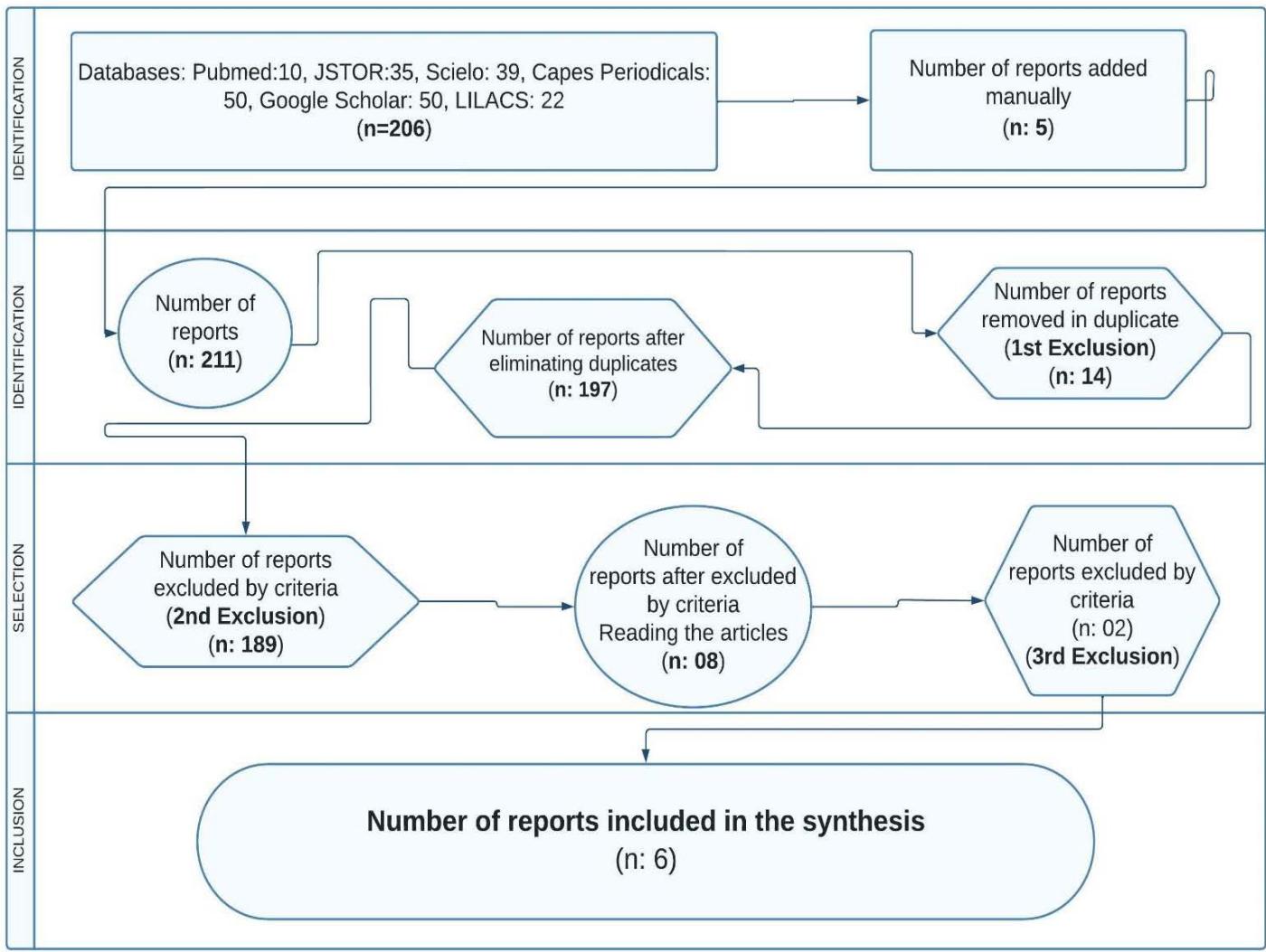 Figure 1: Flowchart for identification and selection of articles
Source:Authors (2023)
The flowchart outlines the process of identification, selection, and inclusion of reports, presenting a concise and organized overview. It commences with the identification across selected databases, including PubMed, JSTOR, Scielo, CAPES Journals, Google Scholar, and LILACS, totaling 206 records. Subsequently, five articles are manually added, totaling 211 reports.
In the first stage of exclusion, 14 duplicates are removed, resulting in 197 reports. Subsequently, exclusion criteria are applied, eliminating 189 reports in the second exclusion, leaving eight reports. In the third exclusion, two reports are removed, resulting in six original research articles.
These six reports undergo scrutiny, and since none are excluded, all are included in the final synthesis. The flow concludes with the presentation of six original articles related to Clitoria guianensis. This simplified visual representation provides a clear and efficient understanding of the process of screening and inclusion of reports in the final synthesis.
Table 3 of this synthesis offers a comprehensive compilation of articles related to the study of Clitoria guianensis, specifically addressing various aspects related to the plant. Among these articles, the research by Cruz et al., 2023, stands out for its in-depth analysis of the diastereoisomers (2S) and (2R)-naringenin-6-C-β-D-glucopyranoside, isolated for the first time from Clitoria guianensis, using density functional theory.
The study by Boaes et al., 2019, also deserves attention for investigating the identification of new natural products from the cultivation of the endophytic fungus Diaporthe sp., isolated from Clitoria guianensis. This work highlighted the plant-microorganism interaction, emphasizing the biotechnological potential of the species. It is noteworthy that, even without a direct focus on the plant itself, the study emphasizes the importance of the plant-microorganism interaction in the production of bioactive compounds.
These works significantly contribute to the understanding of Clitoria guianensis, offering valuable insights both in the realm of chemistry, through the exploration of specific compounds, and in the biotechnological perspective, by demonstrating the relevance of the relationship between the plant and its associated microorganisms in the production of
bioactive substances. This integrated approach demonstrates the complexity and multifaceted potential of Clitoria guianensis as a subject of scientific study.
Table 3: Listing of articles included in the synthesis
<table><tr><td rowspan="2">N.°</td><td rowspan="2">Keyword</td><td rowspan="2">Country</td><td rowspan="2">Database</td><td>Is special attention dedicated to the examination of its anti-inflammatory and healing potential?</td><td>Identification of at least one of the techniques as in vivo, in vitro, or in silico with specimens of Clitoria guianensis?</td><td rowspan="2">Relevance</td><td rowspan="2">Reference</td></tr><tr><td>"Yes" or "No"</td><td>"Yes" or "No"</td></tr><tr><td rowspan="2">1</td><td rowspan="2">Clitoria guianensis</td><td rowspan="2">Brazil</td><td rowspan="2">SCIELO</td><td rowspan="2">NO</td><td>YES</td><td rowspan="2">This study constitutes the first phytochemical report on Clitoria guianensis (Aub.) Benth var. Guianensis. The notable toxicity evidenced in the extract and fractions against Artemia salina suggests the presence of bioactive compounds of considerable potency. Of particular note is the identification of the novel compound pratensein-7-O-β-D-rutinoside, alongside the already known biochanin A-7-O-β-D-rutinoside, marking the first time that isoflavones have been identified in the genus Clitoria. The isolation of compounds 1 to 8 contributes significantly to the phytochemical understanding of the genus Clitoria, expanding the knowledge of the chemodiversity of natural products originating from the Brazilian Cerrado biome.</td><td rowspan="2">(C. L. Cunha et al., 2020b) CUNHA</td></tr><tr><td>IN VIVO, IN VITRO</td></tr><tr><td rowspan="2">2</td><td rowspan="2">Clitoria guianensis</td><td rowspan="2">Brazil</td><td rowspan="2">LILACS</td><td rowspan="2">NO</td><td>YES</td><td rowspan="2">The chromatographic fractionation of the ethyl acetate extract (EtOAc) from the leaves of C. guianensis resulted in the isolation of kaempferitrin, representing the first report of this compound in the Clitoria genus. The hexane and EtOAc fractions of C. guianensis leaves exhibited high toxicity, whereas the crude ethanol extract of C. guianensis showed moderate toxicity against A. salina, suggesting the presence of bioactive compounds.</td><td rowspan="2">(De Sousa et al., 2023)</td></tr><tr><td>IN VIVO, IN VITRO</td></tr><tr><td rowspan="2">3</td><td rowspan="2">Clitoria guianensis</td><td rowspan="2">Brazil</td><td rowspan="2">Google Scholar</td><td rowspan="2">NO</td><td>YES</td><td rowspan="2">The study addresses Clitoria guianensis Benth, a plant native to the Brazilian Cerrado with medicinal potential. Its cultivation in nurseries was evaluated, testing various substrates. It was observed that in some treatments, the plant followed the annual cycle, while others interfered with it. The use of ravin soil as a substrate is suggested, despite its low nutrient content, due to its adaptability. However, it is emphasized that substrates containing non-mineralized organic matter interfere with the natural growth cycle of the plant.</td><td rowspan="2">(MARQUES et al., 2019)</td></tr><tr><td>IN VIVO</td></tr></table>
This study aimed to identify new natural products through the cultivation of microorganisms, employing strategies such as OSMAC under varying fermentation conditions. Three crude extracts (A, B, and C) from the endophytic fungus Diaporthe sp., isolated from Cilitoria guianensis, were analyzed using HPLC-DAD and RIM-H1. Differences in the production of secondary metabolites were observed in different culture media, with extract C exhibiting the highest diversity. All crude extracts demonstrated antioxidant activity and positive allelochemical effects. Flavones, flavonoids, and xanthones were identified in all extracts, alkalioids in extracts A and C, and steroids and triterpenoids in extract C. The study highlights the extensive biosynthetic capacity of fungi, revealing potential new compounds with distinct biological properties.
<table><tr><td rowspan="18">6</td><td rowspan="18">Cilantro
Guarantes
Brazil</td><td rowspan="18">Google Scholar</td><td rowspan="18">5
Cilantro
Guarantes
Brazil</td><td rowspan="18">Google
Scholar</td><td rowspan="17">NO</td><td rowspan="9">IN VITRO</td><td rowspan="9">IN VITRO</td><td rowspan="9">Flavones, flavonoids, and xanthones
dihydroxy-2-methoxy-1,4-dihydroxy-2-methoxy-1,4-dihydroxy-2-methoxy-1,4-dihydroxy-2-methoxy-1,4-dihydroxy-2-methoxy-1,4-dihydroxy-2-methoxy-1,4-dihydroxy-2-methoxy-1,4-dihydroxy-2-methoxy-1,4-dihydroxy-2-methoxy 1,4-dihydroxy-2-methoxy-1,4-dihydroxy-2-methoxy-1,4-dihydroxy-2-methoxy-1,4-dihydroxy-2-methoxy-1,4-dihydroxy-2-methoxy-1,4-dihydroxy-2-methoxy-1,4-dihydroxy-2-methoxy-1,4-dihydroxy-3-methoxy-1,4-dihydroxy-3-methoxy-1,4-dihydroxy-3-methoxy-1,4-dihydroxy-3-methoxy-1,4-dihydroxy-3-methoxy-1,4-dihydroxy-3-methoxy-1,4-dihydroxy-3-methoxy-1,4-dihydroxy-3-methoxy-1,4-dIH</td><td rowspan="9">Yes</td><td rowspan="9">This study aimed to identify new natural products through the natural products of microorganisms. The use of culture medium was employed as a primary strategy such as using OSMAC under varying conditions. Three crude extracts (A and C) from Philips DAD and RIM-H1 were isolated from Chandra Gualents, were analyzed using HPLC-DAD and RIM-H1. Differences in the production of secondary metabolites were observed in different cultures. The compounds with extract containing the highest yield were detected in all extracts. Alkaloids in extracts A and C and steroids and terpenoids in extract C. The study highlights the extensive biosynthetic capacity of fungi, revealing potential new compounds with distinct biological properties.</td><td>(Boes et al., 2019)</td></tr><tr><td></td></tr><tr><td></td></tr><tr><td></td></tr><tr><td></td></tr><tr><td></td></tr><tr><td></td></tr><tr><td></td></tr><tr><td></td></tr><tr><td rowspan="8">YES</td><td rowspan="8">This study addressed the diastereomers (28) and (29) of the glucopyranoside, first isolated from Chandra Gualents, utilizing density gradient method, with the chiral carbon and the difference in the S diastereomer between the chiral carbon and the phenolic group, the latter being greater in the S diastereomer. This is consistent with the content of diastereomers and tannins in the fraction.</td><td rowspan="8">Roots and leaves were extracted with ethanol and partitioned with different solvents. The resulting fractions were evaluated for the different solvents. The resulting fractions were evaluated for the different solvents. The resulting fractions were evaluated for the different solvents. The resulting fractions were evaluated for the different solvents. The resulting fractions were evaluated for the different solvents. The resulting fractions were evaluated for the different solvents. The resulting fractions were evaluated for the different solvents. The resulting fractions were evaluated for the different solvents. The resulting fractions were evaluated for the different solvents. The resulting fractions were evaluated for the difference in the S diastereomer. This is consistent with the content of diastereomers and tannins in the fraction.</td><td rowspan="8">(Soares et al., 2020)</td><td rowspan="8"></td><td></td></tr><tr><td></td></tr><tr><td></td></tr><tr><td></td></tr><tr><td></td></tr><tr><td></td></tr><tr><td></td></tr><tr><td></td></tr><tr><td colspan="6">NOTES:</td><td></td></tr></table>
Systematic summary of the reports according to selection.
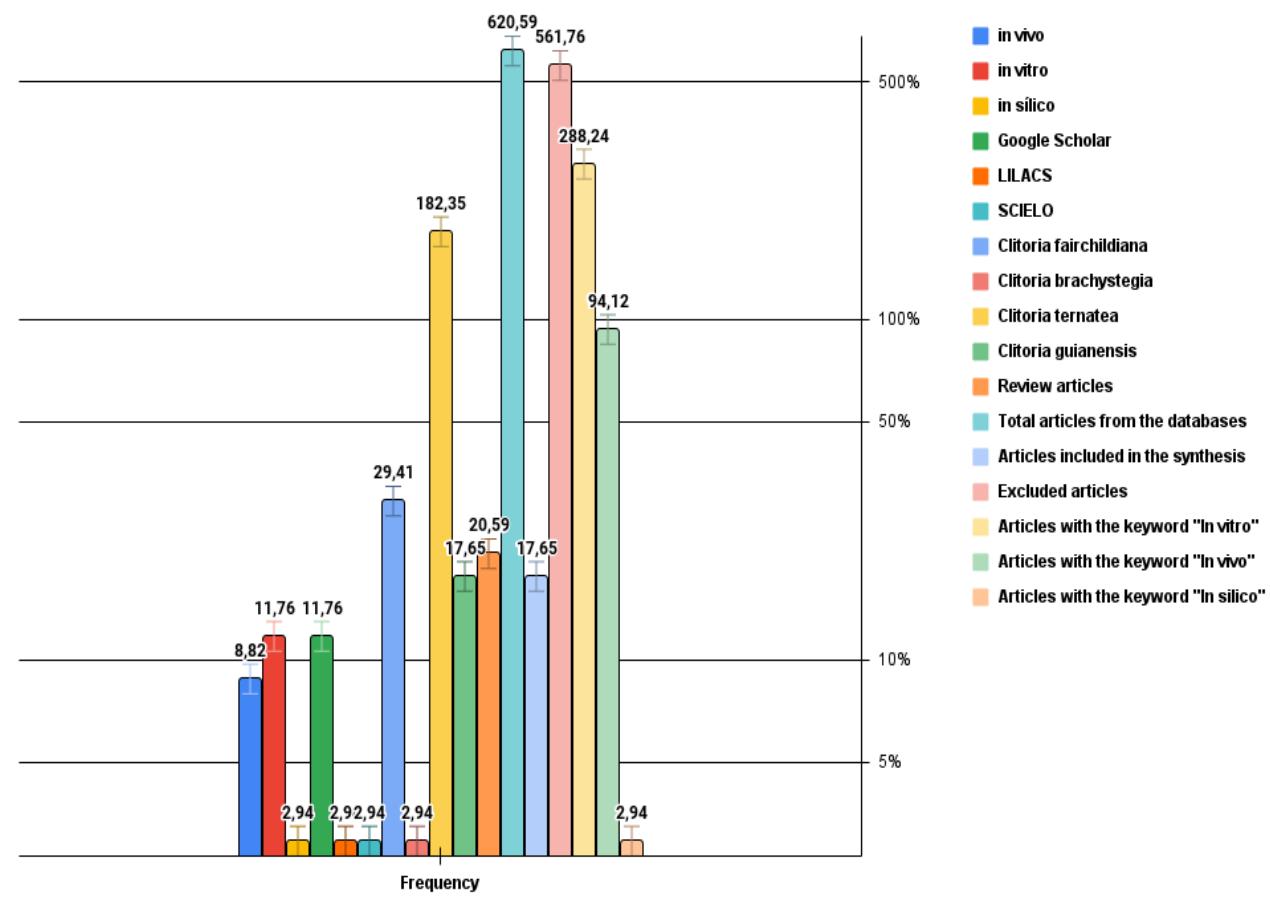 Figure 2: Frequency of reports according to systematic selection.
Source:Authors (2023).
The articles selected and included in the systematic literature review of this study, as demonstrated in Figure 2, present data analysis revealing a diversified distribution of studies on the Clitoria genus, including studies on the C. guianensis specimen, encompassing in vivo, in vitro, and in silico methodologies.
Regarding in vivo studies, De Sousa et al. (2023) contribute $8.82\%$ and $2.94\%$ respectively, underscoring the importance of investigations involving the plant's interaction directly with living organisms. Marques et al. (2019) also explore in vivo aspects, addressing the cultivation of C. guianensis in different substrates, providing a practical perspective on its medicinal potential.
In the in vitro context, Cunha et al. (2020b) and De Sousa et al. (2023) each present a contribution of $11.76\%$, while Boaes et al. (2019) and Soares et al. (2020) contribute $2.94\%$ each. These studies offer a more detailed understanding of the effects of C. guianensis at the microbiological level, enabling more controlled and specific evaluations, leaving a future gap of necessary studies with human and animal cells.
The in silico analyses, conducted by Cruz et al. (2023) and Marques et al. (2019), represent $2.94\%$ and $11.76\%$, respectively. The in silico approach is fundamental for understanding molecular interactions and predicting possible effects before conducting in vivo and in vitro experiments.
When observing studies providing a broader perspective, the relevance of in vitro research is highlighted, comprising $288.24\%$, indicating a significant emphasis on this modality. The significant number of articles included in the synthesis (17.65%) demonstrates the growing importance and the need for more original studies with the C. guianensis specimen in scientific investigations.
Regarding keywords, the results indicate a predominance of in vitro studies, followed by in vivo and in silico research. This inclination suggests an emphasis on exploring the effects of C. guianensis at the cellular level, especially in cultures. This underscores the future need for in vivo investigations, such as in human and animal cell cultures, and in vitro studies, covering microbiology, fungi, bacteria, and yeasts. This approach is crucial for validating and translating such findings into clinical practice.
In summary, the diversity of methodological approaches reflects the complexity of the medicinal properties of C. guianensis, providing a solid foundation for future research and emphasizing the importance of an integrated approach that combines in vivo, in vitro, and in silico data.
## V. DISCUSSION
Table 3 presents a listing of articles included in the synthesis for investigating the medicinal properties of C. guianensis, focusing on the systematic analysis of its anti-inflammatory and wound healing potential. The study encompassed searches across different databases, notably SCIELO, LILACS, and Google Scholar, with special attention to identifying techniques such as in vivo, in vitro, or in silico involving specimens of C. guianensis.
The selected articles address various aspects, from novel phytochemical reports to studies on cultivation and toxicity, providing a comprehensive overview of the plant's medicinal properties. The first article (Cunha et al., 2020b) highlights the notable toxicity evidenced in the extract, suggesting bioactive compounds of considerable potency, while also identifying isoflavones in the Clitorea genus for the first time. The second study (De Sousa et al., 2023) identifies 25 substances, including Ouratea spectabilis and Kaempferitrin for C. guianensis, demonstrating moderate toxicity against Artemia salina, while the third (Marques et al., 2019) solely addresses the cultivation of the plant in different substrates.
The remaining articles explore in silico, in vitro, and in vivo aspects. Cruz et al.'s (2023) study utilizes density functional theory to analyze diastereoisomers, while Boaes et al. (2019) aim to identify new compounds from the cultivation of microorganisms associated with Clitoria guianensis, highlighting the extensive biosynthetic capacity of fungi. Soares et al. (2020), on the other hand, investigate phytochemical and antioxidant properties, demonstrating the inhibitory efficacy of the DPPH radical.
This systematic analysis provides a comprehensive and critical insight into the medicinal properties of C. guianensis, contributing to understanding its anti-inflammatory and wound healing potential, as well as for future research in this context.
The detailed analysis of data from studies on the medicinal properties of C. guianensis reveals a diversified and comprehensive approach regarding its potential as a drug, considering the phytochemicals present and their pharmacological actions as documented in the scientific literature. The variety of methodologies, such as in vivo, in vitro, and in silico, highlights the complexity and scope of scientific research involving this plant.
In the realm of in vivo studies, the significant contributions of Cruz et al. (2023) and De Sousa et al. (2023), with $8.82\%$ and $2.94\%$ respectively, underscore the importance of investigations directly addressing the interaction of C. guianensis in living organisms. Although Cruz et al.'s (2023) study is not directly related to in vivo experiments, its findings provide a solid foundation that may stimulate and guide further investigations into Clitoria guianensis in this context. Thus, despite not focusing on in vivo studies, Cruz et al.'s (2023) work opens valuable perspectives for a broader and deeper understanding of the properties and potential effects of the plant on living organisms, expanding the horizon for future research. Marques et al.'s (2019) study, exploring the cultivation of the plant in different substrates, adds valuable practical perspectives to the in vivo context.
In the realm of in vitro studies, research conducted by Cunha et al. (2020b) and De Sousa et al. (2023), each contributing $11.76\%$, along with Boaes et al. (2019) and Soares et al. (2020), both contributing $2.94\%$, provide an in-depth analysis of the various extracts and organs of the C. guianensis plant. These studies offer insights into the potential effects of the plant, establishing a theoretical basis for future investigations in human cells, animals, fungi, and bacteria. These approaches provide more controlled and specific evaluations, playing a crucial role in understanding the potential medicinal benefits of C. guianensis.
Marques et al.'s (2019) analyses highlight important approaches for understanding interactions, behavior, and reproduction of the specimen in vegetation hollows and plant cell cultures. This methodology proves fundamental in the efficient planning of future studies.
Cruz et al. (2023) conducted a theoretical and experimental investigation of diastereoisomers of a specific substance extracted from the C. guianensis plant. The main objective was to deepen the understanding of the chemical and structural properties of these compounds, with an emphasis on stereochemistry and glycosylation. This study did not focus on analyzing the biological activity of the diastereoisomers, but rather on the analysis of their molecular structure and characteristics that may influence chemical aspects. The theoretical approach enabled predictive analysis, while experiments provided concrete data, resulting in a more comprehensive and integrated understanding of the diastereoisomers in question.
The importance of Cruz et al.'s (2023) work lies in its valuable contribution to advancing research in phytochemistry, medicinal chemistry, and pharmacology, offering crucial insights for identifying therapeutic targets, drug development, or potential medical applications. Furthermore, it is noteworthy that the research may have significant implications for the valorization and sustainable exploitation of natural resources, such as the medicinal properties of C. guianensis, although specific biological activity was not the central focus of the study.
Observing the studies, the relevance of in vitro research is evident, representing $288.24\%$, with no cell studies, only one microbiological study with fungus. This indicates a significant emphasis on this modality, reflecting the growing importance of Clitoria guianensis in scientific investigations for other tests.
Regarding keywords, the predominance of in vitro studies, followed by in vivo and in silico, suggests a trend of exploring the effects of C. guianensis at the cellular level, with the need for in vivo research highlighted to validate and translate these findings into clinical practice.
In summary, the diversity of methodological approaches reflects the complexity of the medicinal properties of C. guianensis, providing a solid foundation for future investigations. This integrated approach, combining in vivo, in vitro, and in silico data, is essential for a comprehensive understanding of the anti-inflammatory and wound healing potential of this plant in clinical practice.
## VI. CONCLUSION
The present review has explored and discussed comprehensive evidence regarding the potential anti-inflammatory and wound-healing properties of the medicinal properties of Clitoria guianensis, as per the literature of the compounds identified in studies with the specimen and the findings thereof. Six articles addressing studies involving the specimen C. guianensis were identified and selected, utilizing the Rayyan tool as a methodological support.
In recapitulating the relevant findings of this systematic analysis, the diversity of approaches is highlighted, ranging from phytochemical reports to studies on toxicity, cultivation, and in silico, in vitro, and in vivo analyses. The presence of bioactive compounds in the roots of Clitoria guianensis (Aubl.) Benth var. Guianensis (Fabaceae) was investigated, resulting in the isolation of various compounds, including the isoflavone called pratensein-7-O-β-D-rutinoside, biochanin A-7-O-β-D-rutinoside, 6-deoxyclitorisiacetal 11-O-β-D-glucopyranoside, 6-deoxyclitorisiacetal, (2S)-naringenin-6-C-β-D-glucopyranoside, (2R)-naringenin-6-C-β-D-glucopyranoside, taquioside, and coaburaside. The structures of these compounds were confirmed through various analytical techniques, including specific rotation ([α]D), circular dichroism (CD), ultraviolet (UV), infrared
(IR), 1D and 2D nuclear magnetic resonance (NMR), and mass spectrometry (MS).
The practical implications for the clinical area reveal the chemical richness and therapeutic potential of C. guianensis, especially in antioxidant and allochemical activities. The moderate toxicity evidenced in some studies signals the need for caution, while the inhibitory efficacy of the DPPH radical suggests a possible role as an anti-inflammatory agent.
For future research, a more in-depth investigation of the identified compounds is recommended, exploring their mechanisms of action and potential synergies. The critical analysis highlights the importance of clinical studies validating in vitro and in vivo findings, contributing to an effective translation of these results into clinical practice. Thus, this systematic study establishes a solid foundation for subsequent research on the anti-inflammatory and wound-healing potential of the medicinal properties of C. guianensis, promoting significant advances in the understanding and therapeutic application of this plant in the context of medicine.
Generating HTML Viewer...
References
46 Cites in Article
Maria Agra,Patrícia Freitas,José Barbosa-Filho (2007). Synopsis of the plants known as medicinal and poisonous in Northeast of Brazil.
M Agra,F De,K Silva,I Basílio,P Freitas,De,J Barbosa-Filho (2008). Survey of medicinal plants used in the region Northeast of Brazil.
Clayton Alves,Jorge David,Juceni David,Marcus Bahia,Rosane Aguiar (2010). Métodos para determinação de atividade antioxidante in vitro em substratos orgânicos.
Gisele Antonio,Charles Tesser,Rodrigo Moretti-Pires (2013). Contribuições das plantas medicinais para o cuidado e a promoção da saúde na atenção primária.
Michel Batlouni (2010). Anti-inflamatórios não esteroides: Efeitos cardiovasculares, cérebro-vasculares e renais.
R Batra,M Suh,J Carson,M Dale,T Meisinger,M Fitzgerald,P Opperman,J Luo,I Pipinos,W Xiong,B Baxter (2018). IL-1β (Interleukin-1β) and TNF-α (Tumor Global Journal of Human Social Science -Year 2024 ( ) H Necrosis Factor-α) Impact Abdominal Aortic Aneurysm Formation by Differential Effects on Macrophage Polarization.
T Boaes,S Da,G De Arruda,T Ferreira,S De,A Chagas Junior,V Chapla (2019). Variation of the metabolic production of the endophytic fungus Diaporthe sp. Of Clitoria guianensis Benth using OSMAC.
M Brasil (2012). Práticas integrativas e complementares: Plantas medicinais e fitoterapia na Atenção Básica.
Á Cruz,N Ciribelli,C Cunha,I Nascimento,J Holzbach,D Pereira (2023). Theoretical and experimental study of the diastereoisomers (2S) and (2R)-naringenin-6-C-β-Dglucopyranoside obtained from Clitoria guianensis.
Camila Cunha,Susana Siebeneichler,Isabele Nascimento,Juliana Holzbach (2020). A New Isoflavone and Other Constituents from Roots of Clitoria guianensis.
Camila Cunha,Susana Siebeneichler,Isabele Nascimento,Juliana Holzbach (2020). A New Isoflavone and Other Constituents from Roots of Clitoria guianensis.
M Cunha,Da (2022). AVALIAÇÃO DA ATIVIDADE CICATRIZANTE DE FLAVONOIDES: UMA REVISÃO SISTEMÁTICA.
F De Sousa,Á Cruz,D Soares,C Cunha,J Holzbach (2023). Chemical constituents and in vivo preliminary evaluation of the toxicological activity of Ouratea spectabilis (OCHNACEAE) and Clitoria guianensis (Fabaceae) leaves.
W Dornas,T Oliveira,R Rodrigues-Das-Dores,A Santos,T Nagem (2007). Flavonóides: Potencial terapêutico no estresse oxidativo.
G Escher (2019). Flores de Centaurea cyanus L. e Clitoria ternatea L.: Caracterização química, estabilidade das antocianinas e propriedades funcionais in vitro.
N Fagundes,G Oliveira,B Souza,De (2017). Etnobotânica de plantas medicinais utilizadas no distrito de Vista Alegre, Claro dos Poções-Minas Gerais.
B Fernandes,H Gonçalves,M Guimarães,A Alves,I Bieski (2019). ESTUDO ETNOFARMACOLÓGICO DAS PLANTAS MEDICINAIS COM PRESENÇA DE SAPONINAS E SUA IMPORTÂNCIA MEDICINAL.
P Freitas,J Mendes,S Da,K Dias,O De,M Carvalho Filho,De,A Araújo,De,J Ribeiro Filho (2019). Abordagens terapêuticas nas doenças inflamatórias: Uma revisão.
Líbia Góis,Márcia Martins,Iberê Martí Moreira Da Silva,Lídia Maria Góis,Sheyla Gomes De Almeida (2016). O PROGRAMA NACIONAL DE PLANTAS MEDICINAIS E FITOTERÁPICOS E O PROCESSO PARTICIPATIVO DE IMPLANTAÇÃO DE HORTAS MEDICINAIS PELOS COLETIVOS DE MULHERES DO MST, NO SUL DE MINAS GERAIS.
D Inácio (2023). Terapêutica anti-TNF alfa no tratamento da artrite reumatoide.
G Jorge,G Moraes (2022). Potencial antioxidante dos flavonoides e aplicações terapêuticas.
J Macedo (2016). Plantas medicinais e fitoterápicos na atenção primária à saúde: Contribuição para profissionais prescritores.
R Marques,S Siebeneichler,M Fernanda,R Rocha Santos,M De Oliveira,L Rosa,K Silva (2019). GROWTH AND PLANT DEVELOPMENT OF Clitoria guianensis Benth IN VASE.
Gerson Mattos,Anderson Camargo,Clóvis Sousa,Ana Zeni (2018). Plantas medicinais e fitoterápicos na Atenção Primária em Saúde: percepção dos profissionais.
R Mendes,C Stanczyk,R Sordi,M Otuki,F Santos,D Fernandes (2012). Inibição seletiva da ciclo-oxigenase-2: Riscos e benefícios.
Julio Monteiro,Ulysses Albuquerque,Elcida Araújo,Elba Amorim (2005). Taninos: uma abordagem da química à ecologia.
Giovanna Moraes,Gabriel Jorge,Rodrigo Gonzaga,Deny Santos (2022). Potencial antioxidante dos flavonoides e aplicações terapêuticas.
A Novaes,De (2013). MANUAL DE PRÁTICAS INTEGRATIVAS E COMPLEMENTARES NO SUS.
Leonardo Oliveira,Romulo Lima,José Santos (2008). Análise de Previsão de Geração Fotovoltaica na Região Metropolitana de Fortaleza Usando Técnicas de Aprendizado de Máquina: Um Estudo de Caso.
Steffany Silva (2023). POLÍTICA NACIONAL DE PRÁTICAS INTEGRATIVAS E COMPLEMENTARES.
(2022). Laboratório de Inovação em Saúde: Práticas Integrativas e Complementares em Saúde (PICS).
Sec Unknown Title.
Diorge Marmitt,Claudete Rempel,Márcia Goettert,Amanda Silva (2009). As plantas medicinais da Relação Nacional de Plantas Medicinais de Interesse ao Sistema Único de Saúde (RENISUS) com potencial antifúngico.
Governo Federal Ministério da Saúde.
G Ribeiro (2009). Algumas espécies de plantas úteis reunidas por famílias e suas utilizações.
G Ribeiro (2010). Algumas espécies de plantas reunidas por famílias e suas propriedades.
Reginaldo Ribeiro,Isanete Bieski,Sikiru Balogun,Domingos Martins (2017). Ethnobotanical study of medicinal plants used by Ribeirinhos in the North Araguaia microregion, Mato Grosso, Brazil.
C Silva,Da (2007). As plantas medicinais no município de Ouro Verde de Goiás, GO, Brasil: Uma abordagem etnobotânica.
D Soares,C Cunha,M De Oliveira Krauser,J Holzbach (2020). Phytochemical screening and antioxidant activity of Clitoria guianensis.
Charles Tesser,Islandia Sousa,Marilene Nascimento (2018). Práticas Integrativas e Complementares na Atenção Primária à Saúde brasileira.
Daniela Fernandes César,Patrícia Maria De Faria E Silva,Saraid Da Costa Figueiredo,Filipe Curzio Laguardia (2023). Principais irregularidades em estabelecimentos sujeitos a controle sanitário.
G Vila Verde,J Paula,D Caneiro (2003). Levantamento etnobotânico das plantas medicinais do cerrado utilizadas pela população de Mossâmedes (GO).
M Cunha,Da,Cicatrizante Da,De (2022). FLAVONOIDES: UMA REVISÃO SISTEMÁTICA.
S Raheja (2018). Biochanin A: A phytoestrogen with therapeutic potential.
No ethics committee approval was required for this article type.
Data Availability
Not applicable for this article.
How to Cite This Article
Felipe Oliveira Neves. 2026. \u201cUnveiling the Therapeutic Potential of Clitoria guianensis (Aubl.) Benth var. Guianensis: A Comprehensive Review of its Anti -Inflammatory and wound healing properties\u201d. Global Journal of Human-Social Science - H: Interdisciplinary GJHSS-H Volume 24 (GJHSS Volume 24 Issue H2): .
Explore published articles in an immersive Augmented Reality environment. Our platform converts research papers into interactive 3D books, allowing readers to view and interact with content using AR and VR compatible devices.
Your published article is automatically converted into a realistic 3D book. Flip through pages and read research papers in a more engaging and interactive format.
Our website is actively being updated, and changes may occur frequently. Please clear your browser cache if needed. For feedback or error reporting, please email [email protected]
Thank you for connecting with us. We will respond to you shortly.
Lorem ipsum dolor sit amet, consectetur adipiscing elit. Ut elit tellus, luctus nec ullamcorper mattis, pulvinar dapibus leo.
Unveiling the Therapeutic Potential of Clitoria guianensis (Aubl.) Benth var. Guianensis: A Comprehensive Review of its Anti -Inflammatory and wound healing properties