## I. INTRODUCTION
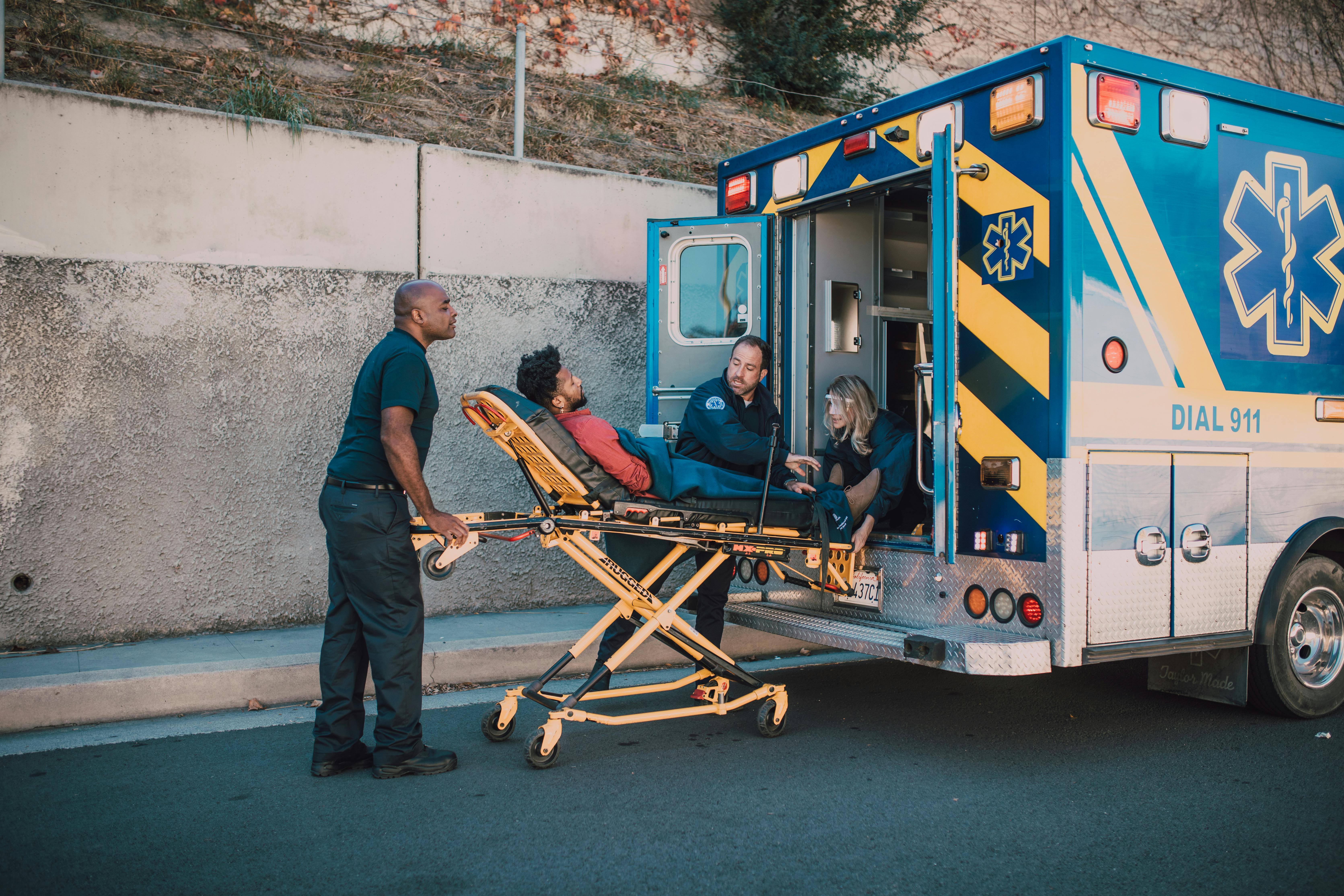
Trauma is currently one of the leading causes of death worldwide and the number one killer of people between the ages of 1 and 44. 1 In a detailed analysis, the leading cause of death in trauma victims in the first 24 hours after injury is massive bleeding. 2 The lethal diamond, composed of acidosis, hypothermia, coagulopathy, and hypocalcemia, determines the prognosis between life and mortality in polytraumatized patients in the context of trauma. The fatal diamond, which describes the mechanisms of action of diffuse intravascular coagulopathy, is the driving force behind current efforts to resuscitate hemorrhagic shock. 4 On this basis, tranexamic acid (TXA) has been investigated as an alternative pharmacological treatment for coagulopathy. TXA has demonstrated success in reducing trauma-related hemorrhages in a hospital context; however, its effectiveness in a pre-hospital setting is still up for discussion. 12 TXA is used to treat hereditary angioedema and control and prevent bleeding caused by hyperfibrinolysis. It is also used in many procedures, such as cardiac, orthopedic, gynecological, otorhinolaryngological, urological, and neurological surgeries. It is also used in patients with hemophilia and treatments of digestive and airway hemorrhages. 11
Tranexamic acid is a man-made form of the amino acid lysine. It is an antifibrinolytic agent that blocks the activation of plasminogen by plasmin and prevents the breakdown of fibrin through reversible interactions at several lysine binding sites on plasminogen. TXA promotes enhanced clot stability as a result. 11 As its prehospital use is still not clearly defined, this article seeks to evaluate the research on its mechanism of action, indications, and contraindications in order to encourage the discussion between risks and benefits.
## II. METHODOLOGY
The current study is a literature review in which the database was taken from the SciELO (Scientific Electronic Library Online) and PubMed platforms. The research was carried out in July 2023, meeting the inclusion criteria, which were articles from 2006 to 2022 in Portuguese, Spanish, and English, online texts and full texts, theses, master's dissertations, book chapters, monographs, and literature in magazines and scientific journals. As strategies to better evaluate the readers, the health descriptors (DeCS) used were "tranexamic acid," "trauma," AND "pre-hospital."
## III. RESULTS AND DISCUSSION
Trauma is now understood to play a substantial role in death rates across the globe, particularly for people aged 1 to 44. It is currently the leading cause of death, accounting for around $18\%$ of all illnesses worldwide. 1 Significant hemorrhaging may occur in patients who have undergone severe trauma and, along with hematological changes brought on by the medical procedures necessary to restore normal blood flow to vital organs, can result in coagulation disorders. If left untreated, this illness frequently poses management difficulties and may even be fatal.
The term "coagulopathy" describes the blood's inability to successfully establish hemostasis after tissue injury. 2 Effective surgical hemorrhage control is without a doubt the main determinant in preventing coagulopathy. Active bleeding from vascular damage calls for immediate treatment through vascular anastomosis or permanent closure of blood vessels. Direct compression applied to bleeding sites encourages the coagulation of damaged arteries and successfully reduces continuous blood loss. 2 The surgical management of bleeding, however, is only permitted in a hospital setting. Tranexamic acid (TXA) in particular is an antifibrinolytic that has been used as a method.
In the pre-hospital care phase, the primary goal is to effectively manage hemorrhaging in order to reduce associated mortality. 1
The synthetic antifibrinolytic substance tranexamic acid (TXA), which is similar to the aminoacid lysine, is used to break down fibrin. Currently used for the control and prevention of bleeding, particularly in cases of trauma, it was initially synthesized in a lab setting in 1962. For patients with genetic coagulation problems, it is also used in elective surgical procedures. In both individuals with and without increased fibrinolysis, the mechanism of action involves encouraging better clot stability, which reduces blood loss by about $30\%$. Furthermore, research has shown that it can successfully reduce the volume of blood transfusions needed intrauma patients while maintaining a comparable level of pre- and post-operative complications. 1
The binding sites on the plasminogen particle are temporarily competitively inhibited as part of the mechanism of action. The plasminogen activating factor cannot attach to plasminogen as a result, and plasminogen cannot become plasmin. Plasmin has a major impact on fibrin and, to a lesser extent, fibrinogen during the fibrinolysis process. Its main purpose is to make blood clots easier to dissolve. Additionally, particularly at high dosages, tranexamic acid (TXA) inhibits plasmin non-competitively to exert its effects. 1, 13, 4, 14
Tranexamic acid (TXA) can reduce inflammation in another way by stopping plasminogen from adhering to polymorphonuclear leukocytes, monocytes, macrophages, and endothelial cells. As a result, this inhibition reduces the expression of leukotrienes, cytokines, and plasmin-mediated matrix breakdown. As a result, it prevents tissue plasminogen activator (t-PA) activity, granule release, and platelet activation. 1, 13
The most significant improvement in mortality rates is observed in patients with pre-existing coagulopathy and severe trauma when using TXA. It has been observed that variations in patients' initial systolic pressure do not result in statistically significant differences in mortality related to bleeding. It suggests that TXA demonstrates effectiveness across all levels of shock, indicating that its biological impact is consistent among patients, irrespective of their systolic pressure. As a result, it appears that the disparity in overall death rates between the most seriously ill and the general population is primarily the result of statistical error due to the higher death rate among the critically ill. It is prudent to consider administering treatment to all shock groups, as doing so may prevent patients with less severe conditions from developing grade III or IV shock due to ongoing blood loss, thereby necessitating the use of TXA. Given the clear association between the early delivery of tranexamic acid and improved clinical outcomes, this approach seems to be quite effective. 4
The CRASH-2 study provided the scientific literature for the use of TXA in hospitals. It was the largest study on TXA and concluded that there was a $15\%$ benefit in reducing mortality in patients who received 1g of the drug in the first 3 hours after trauma. It also demonstrated a reduction in all-cause mortality at 28 days in patients who received TXA (1463 patients who received TXA vs. 1613 who received placebo). 12 acid within three hours of their injury. According to the guidelines set forth by Advanced Trauma Life Support (ATLS), it is recommended to administer tranexamic acid promptly to trauma patients displaying indications of hypovolemic shock. Antifibrinolytic medications, such as tranexamic acid (TXA), have demonstrated efficacy in reducing local bleeding in patients with upper gastrointestinal bleeding, thereby contributing to improved mortality outcomes.
As per the Health Care Protocol for the Use of Tranexamic Acid by Advanced Support Units, established by the Federal District Government, the recommended administration regimen for TXA is as follows: 1g (equivalent to 4 ampoules of $250\mathrm{mg}$ ) diluted in $100\mathrm{ml}$ of saline solution. The administration should be done intravenously over a period of 10 minutes, with a flow rate of $10\mathrm{ml}$ per minute. Regarding treatment duration and criteria for interruption, it is recommended to administer a single dose during pre-hospital care. In the event of a suspectedadverse event, such as nausea, vomiting, hypotension, reduced heart rate, skin allergy, headache, visual clouding, or thromboembolism, the drug infusion should be promptly halted. The anticipated advantage is a decrease in mortality rates resulting from hemorrhaging. It is recommended to ensure continuous multiparametric monitoring of the patient until they are admitted to the hospital, while also closely observing for any adverse reactions. Furthermore, the attending hospital team is responsible for conducting posttreatment follow-up. $^{10}$
This drug is generally contraindicated for hospital use in patients who have active intravascular coagulation, acute occlusive vasculopathy, or hypersensitivity to any of the components in the formula. 11
Tranexamic acid is distributed within various bodily fluids, including synovial membranes, saliva, and breast milk, albeit in limited quantities. Furthermore, it has the ability to traverse both the blood-brain barrier and the placenta. Furthermore, ATX undergoes minimal metabolism and is primarily excreted through the renal route.[11]
Regarding drug interactions, there have been reports indicating the following: 1) The use of contraceptives may lead to a heightened risk of thrombotic events. It is advised to refrain from using tranexamic acid simultaneously with any hormonal contraceptives and instead opt for an effective alternative non-hormonal contraceptive method. 2) Tretinoin usage may potentially elevate the risk of thrombosis. It is important to closely observe the patient for any indications or manifestations of thromboembolic complications. Additionally, it should be noted that the use of chlorpromazine may potentially elevate the risk of bleeding. Please ensure diligent observation of the patient for any indications or manifestations of bleeding. 11 It is recommended that pre-hospital advanced life support providers, such as SAMU, consider utilizing this option in the trauma setting, as long as it does not cause any delays in evacuation. This is in line with the continuous efforts to enhance survival rates among hemorrhaging patients.
## IV. FINAL CONSIDERATIONS
Considering the significance of coagulopathy in the context of trauma and massive hemorrhage, it is crucial to prioritize the identification of financially feasible, minimally invasive, and clinically effective solutions. The existing scientific literature provides a thorough description and justification for the use of tranexamic acid (TXA) in hospital settings. However, in the context of prehospital use, the current body of literature is still limited and does not provide sufficient evidence to support the safe administration of TXA in this particular scenario, despite the overall promising nature of TXA. The limited availability of data regarding the effectiveness and safety of this intervention underscores the necessity for further research in order to establish its suitability for pre-hospital use and thoroughly assess its potential risks and benefits.
Generating HTML Viewer...
References
14 Cites in Article
Danieli Franklin,Ludmilla Oliveira,Ana Machado,Gabriel Rodrigues,Karina Lascalla,Eduardo Sandoval (2022). Uso do Ácido Tranexâmico no contexto do trauma com hemorragia.
Nascimento Júnior,B Scarpelini,S Rizoli,S (2007). COAGULOPATIA NO TRAUMA.
Ricky Ditzel,Justin Anderson,William Eisenhart,Cody Rankin,Devin Defeo,Sangki Oak,Jeffrey Siegler (2020). A review of transfusion- and trauma-induced hypocalcemia: Is it time to change the lethal triad to the lethal diamond?.
M Pinto,Silva Jg Da,Chedid Ad,Chedid Mf (2016). USE OF TRANEXAMIC ACID IN TRAUMA PATIENTS: AN ANALYSIS OF COST-EFFECTIVENESS FOR USE IN BRAZIL.
I Morales-Cané,López- Soto,P,Rodríguez Borrego,M (2019). Tranexamic acid in trauma patients in the emergency department: systematic review and meta-analysis.
(2010). Effects of tranexamic acid on death, vascular occlusive events, and blood transfusion in trauma patients with significant haemorrhage (CRASH-2): a randomised, placebo-controlled trial.
(2018). ATLS: Advanced trauma life support. 10th Ed.
Ari Lipsky,Amir Abramovich,Roy Nadler,Uri Feinstein,Gadi Shaked,Yitshak Kreiss,Elon Glassberg (2014). Tranexamic acid in the prehospital setting: Israel Defense Forces’ initial experience.
Uso De Ácido Tranexâmico Por Unidades De Suporte Avançado ( Usas,) Protocolo de Atenção à Saúde. Governo do Distrito Federal.
B Portugal,N Se,A Contraindicações,Ácido,Governo Do DISTRITO FEDERAL SECRETARIA DE ESTADO DE SAÚDE SUBSECRETARIA DE ATENÇÃO INTEGRAL À SAÚDE DIRETORIA DE ASSISTÊNCIA FARMACÊUTICA.
Vinicius Thiengo,Tais Moreira,William Corrales,Adenilton Rampinelli (2020). Uso pré-hospitalar do ácido tranexâmico.
M Silva (2016). Ácido Tranexâmico no trauma major com hemorragia.
Berilo Langer,Marcus Wolosker (2006). Coagulação e fibrinólise: idéias atuais e suas aplicações clínicas.
No ethics committee approval was required for this article type.
Data Availability
Not applicable for this article.
How to Cite This Article
Matheus Amorim Grigorio. 2026. \u201cUse of Tranexamic Acid in Trauma in a Prehospital Context\u201d. Global Journal of Medical Research - F: Diseases GJMR-F Volume 23 (GJMR Volume 23 Issue F7): .
Explore published articles in an immersive Augmented Reality environment. Our platform converts research papers into interactive 3D books, allowing readers to view and interact with content using AR and VR compatible devices.
Your published article is automatically converted into a realistic 3D book. Flip through pages and read research papers in a more engaging and interactive format.
Subject: Global Journal of Medical Research - F: Diseases
Authors:
Robson Natario Silveira Filho, Thomaz de Carvalho Lima Paiva, Breno Vasconcelos Lima Tenório França, Pedro Henrique Lins de Almeida, Savyo Firmino de Oliveira Costa, Gabriel Oliveira Ferro, Pedro Cavalcante Rocha (PhD/Dr. count: 0)
Our website is actively being updated, and changes may occur frequently. Please clear your browser cache if needed. For feedback or error reporting, please email [email protected]
Thank you for connecting with us. We will respond to you shortly.