



1. Introduction
Employee wellbeing is a multidimensional concept encompassing physical health, psychological wellbeing, emotional resilience, social connections, and workplace satisfaction. Modern organizations increasingly recognize that employee wellbeing is not merely a welfare concern but a strategic business objective that influences productivity, innovation, absenteeism, and employee retention.
The UAE construction industry employs a diverse workforce consisting of professionals, supervisors, technicians, and skilled and semi-skilled workers from various cultural backgrounds. While the sector has achieved remarkable growth and contributed significantly to national development, workers often face occupational hazards and workplace stressors that may negatively affect their wellbeing. Understanding the factors influencing worker wellbeing is therefore essential for improving organizational performance and supporting sustainable development goals.
1.1. Physical Working Conditions
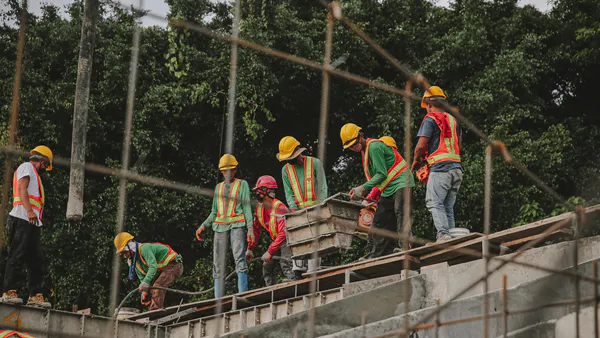
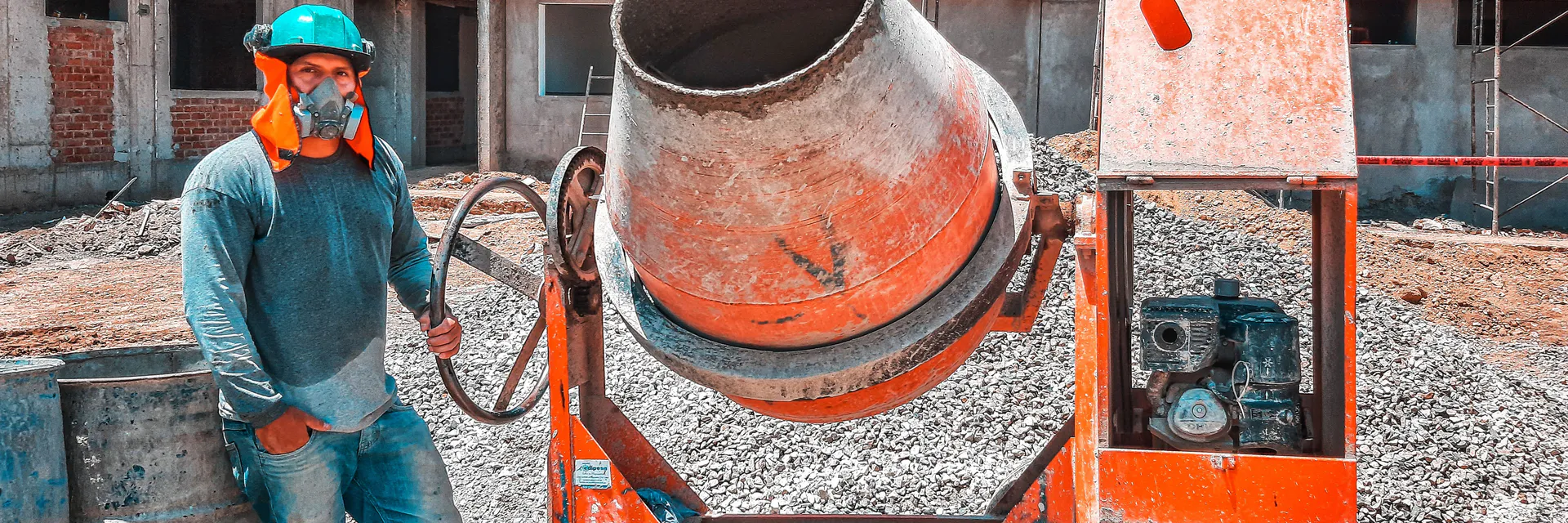
One of the most significant determinants of workplace wellbeing in the construction industry is the physical work environment. Construction sites expose workers to various risks, including extreme heat, noise, dust, vibration, heavy machinery, and work at heights.
The climatic conditions in the UAE present additional challenges. During summer months, prolonged exposure to high temperatures can lead to heat stress, dehydration, fatigue, and reduced concentration, increasing the likelihood of workplace incidents. Inadequate rest periods, insufficient hydration, and physically demanding tasks further exacerbate these risks.
Organizations can enhance employee wellbeing by implementing effective environmental controls, providing shaded rest areas, ensuring access to drinking water, enforcing heat stress management programs, and utilizing technology to monitor environmental conditions. Such measures improve both employee health and workplace safety performance.
1.2. Occupational Health and Safety Culture
A strong health and safety culture is a fundamental contributor to worker wellbeing. Employees who perceive their workplace as safe and supportive are more likely to experience higher job satisfaction and lower levels of work-related stress.
Safety culture includes management commitment, employee participation, risk communication, training effectiveness, and continuous improvement. When employees are encouraged to report hazards, near misses, and unsafe conditions without fear of blame, organizations can proactively address risks before they result in accidents.
Leadership commitment to safety also significantly influences employee wellbeing. Visible management involvement in safety initiatives, regular workplace inspections, and recognition of safe behaviors help create trust and reinforce positive attitudes toward occupational health and safety. Consequently, workers feel valued, protected, and motivated to contribute to organizational goals.
1.3. Mental Health and Psychological Wellbeing
Mental health has become an increasingly important component of workplace wellbeing. Construction projects often involve demanding schedules, complex stakeholder expectations, and performance pressures that can contribute to psychological stress.
Workers may experience anxiety, fatigue, emotional exhaustion, or burnout if job demands exceed their coping capacity. Migrant workers may face additional challenges related to social isolation, cultural adjustment, language barriers, and separation from family members. These factors may affect morale, concentration, and overall psychological wellbeing.
Organizations that invest in mental health support programs create healthier work environments. Employee assistance programs, mental health awareness campaigns, counseling services, peer support networks, and Mental First Aid initiatives can significantly reduce stigma and encourage employees to seek help when needed.
Furthermore, supervisors who demonstrate empathy, effective communication, and supportive leadership contribute positively to employee psychological wellbeing. A workplace culture that promotes respect and inclusion can strengthen resilience and improve employee engagement.
1.4. Work-Life Balance and Job Satisfaction
Work-life balance is another important factor influencing employee wellbeing. Construction projects often require long working hours, shift work, and strict deadlines, which may affect employees’ personal and family lives.
When employees experience an imbalance between work and personal responsibilities, they may encounter stress, fatigue, reduced motivation, and lower job satisfaction. Over time, this can contribute to increased absenteeism, presenteeism, and turnover intentions.
Organizations can support employee wellbeing by implementing flexible work arrangements where feasible, promoting adequate rest periods, encouraging annual leave utilization, and fostering a culture that respects personal time. Effective workload management and realistic project scheduling also help reduce excessive work pressures and improve employee satisfaction.
Research consistently demonstrates that employees who maintain a healthy work-life balance are more productive, committed, and engaged in their work.
1.5. Leadership and Organizational Support
Leadership plays a critical role in shaping employee wellbeing. Supportive leaders establish trust, encourage communication, and create positive workplace relationships. Employees who perceive strong organizational support are more likely to report higher levels of wellbeing and job commitment.
Transformational leadership styles, characterized by inspiration, motivation, and employee empowerment, have been associated with improved psychological wellbeing and organizational performance. Managers who actively listen to employee concerns, provide constructive feedback, and recognize contributions can foster a sense of belonging and purpose.
Employee recognition programs, career development opportunities, and continuous learning initiatives also contribute positively to wellbeing by enhancing motivation and professional growth. In the UAE’s competitive business environment, organizations that prioritize employee development often experience higher retention rates and stronger organizational performance.
1.6. Employee Engagement and Social Wellbeing
Social wellbeing reflects the quality of interpersonal relationships within the workplace. Positive relationships among colleagues promote teamwork, collaboration, and a supportive work environment.
The multicultural nature of the UAE workforce presents both opportunities and challenges. While diversity enriches organizational culture and innovation, it may also create communication gaps if not managed effectively. Inclusive workplaces that value diversity and encourage respectful interactions help strengthen employee engagement and social cohesion.
Employee participation in safety committees, wellbeing programs, wellness campaigns, volunteer activities, and team-building initiatives fosters stronger workplace connections. Higher engagement levels are typically associated with increased productivity, stronger safety performance, and enhanced employee wellbeing.
1.7. Technology and Wellbeing Enhancement
Technological advancements are increasingly supporting workplace wellbeing initiatives. Digital safety monitoring systems, wearable devices, artificial intelligence, and data analytics provide organizations with new opportunities to identify risks and improve employee health outcomes.
Wearable technologies can monitor fatigue, heat stress, and environmental exposure, enabling proactive interventions before incidents occur. Digital reporting systems facilitate the efficient reporting of hazards and near misses, supporting continuous improvement efforts.
Technology can also enhance access to mental health resources through mobile applications, virtual counseling platforms, and wellbeing monitoring programs. These innovations contribute to a more responsive and employee-centered workplace environment.
2. Conclusion
Worker wellbeing is influenced by a complex interaction of physical, psychological, organizational, and social factors. In the UAE construction industry, physical working conditions, occupational safety culture, mental health support, leadership effectiveness, work-life balance, employee engagement, and technological innovation all play crucial roles in determining employee wellbeing outcomes.
Organizations that adopt a holistic approach to wellbeing can achieve significant benefits, including improved safety performance, higher productivity, reduced absenteeism, and stronger employee commitment. As workplace wellbeing continues to gain strategic importance, UAE construction organizations must integrate wellbeing initiatives into their operational and health and safety management systems to create sustainable, resilient, and high-performing workplaces.
By prioritizing employee wellbeing alongside operational excellence, organizations can contribute to safer workplaces, healthier workers, and long-term organizational success.


