I. INTRODUCTION
Without doubt, weather patterns are drastically changing. And for the worse. Those aged 70 and above, as opposed to younger generations, can attest to this climate anomaly.
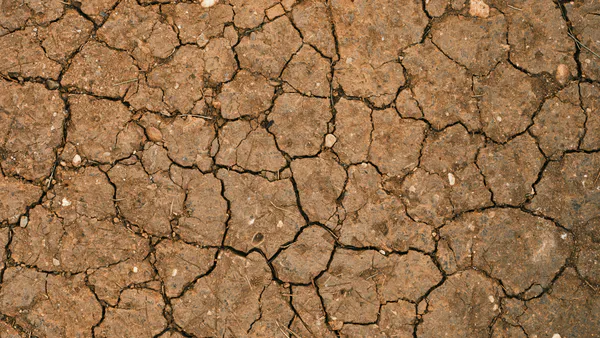
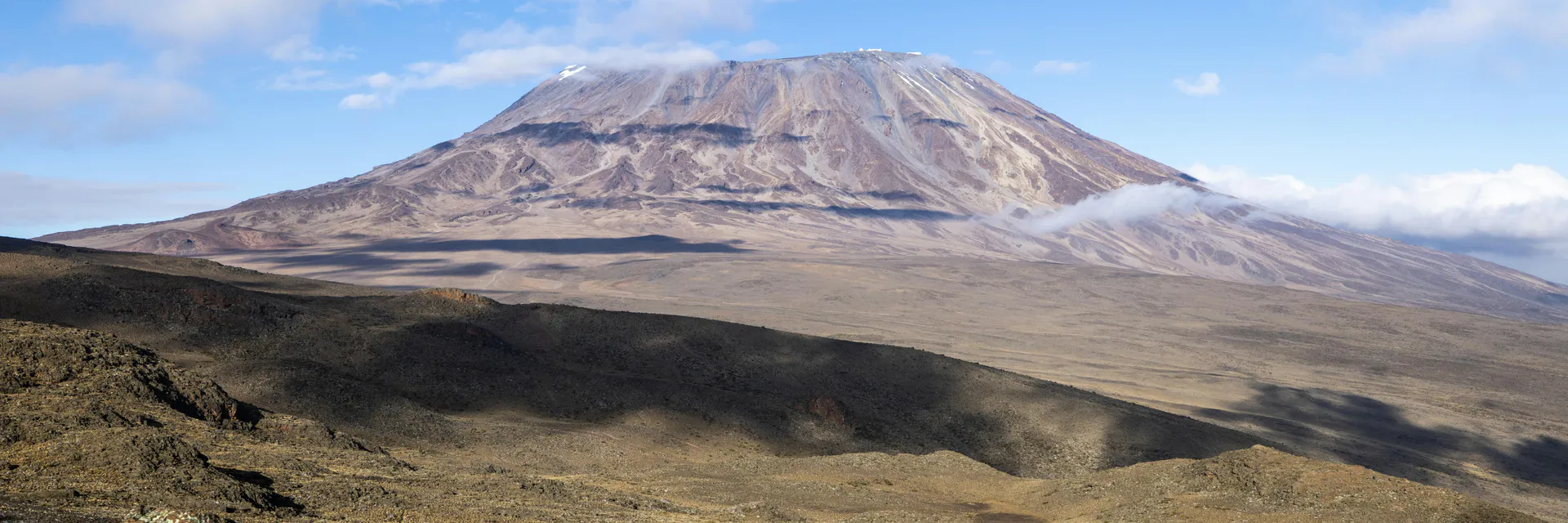
In recent times, hotter temperatures and heat waves, floods, droughts, desertification, erratic rains, rising water levels in lakes and seas (Indian Ocean), melting ice such as on Mt. Kenya and Mt. Kilimanjaro, low groundwater levels, and other adverse climatic effects have been witnessed.
These occurrences usually lead to famines, hunger, poor nutrition, disease, wildfires, deforestation, displacement of people and migration, human-wildlife conflict, air pollution, competition for water and pasture, loss of livestock, soil erosion, locust invasions, loss of biodiversity, deprivation of livelihoods, etc.
Majority of our citizens acknowledge that something awry is happening to their habitat, but are unable to comprehend this phenomenon which commenced in the 1800s especially with the onset of industrialization. Climate change terminology is thus of recent origin.
I remember once, the former Makueni County Governor, Prof. Kivutha Kibwana; an ardent environmentalist who in 2006 served as the minister for Environment and natural resources and myself struggled to find a name for climate change in the local dialect. We ended up describing the causes of climate change rather than coming up with a specific name. Finally, we translated the Kiswahili phrase 'mabadiliko ya tabia nchi' into 'mawaliuku ma mwikalile wa nthi' to arrive at the Kiikamba name for climate change.
According to the United Nations Framework Convention on Climate Change (UNFCCC, 1992) "climate change means a change of climate which is caused directly or indirectly by human activity that alters the composition of the global atmosphere and which is, in addition to natural climate variability, observed over comparable time periods."
a) How Then Does Climate Change Occur?
Industrialization and other anthropogenic activities produce carbon dioxide related green-house gas emissions. Examples of these actions are: reduction of green spaces to pave way for farming, use of fossil fuels for transportation and energy production, biological waste disposed in landfills, deforestation, charcoal burning etc. These increase the earth's temperatures resulting in global warming.
Global warming of the planet began to be seriously addressed through the UNFCCC.
The 1992 convention recognizes that human activities have substantially increased the atmospheric concentrations of green-house gases, leading to warming of the earth's surface and atmosphere, which may adversely affect natural ecosystems and mankind.
The instrument also notes that the developed industrial countries bear the largest responsibility for green-house gas emissions, whereas the most affected by climate change are the developing poor nations.
The UNFCCC affirms that to combat climate change, co-operation between states is essential and therefore although each country has "the sovereign right to exploit their own resources pursuant to their own environmental and developmental policies," every country has simultaneously "the responsibility to ensure that activities within their jurisdiction or control do not cause damage to the environment of other states or of areas beyond limits of national jurisdiction."
From 1995, annual Conference of Parties (COP) have been held to: evaluate progress in dealing with climate change; negotiate the Kyoto Protocol (1997) to establish legally binding obligations for developed countries to reduce their green-house gas emissions; discuss the Paris Agreement (2015) as part of the Durban platform (2011), which created a pathway towards climate action.
In COP 26 in Glasgow, delegates resolved that member states should further strengthen reduction of their carbon emissions, support vulnerable countries with green finance and technology, and assist local communities to build more resilience so as to abate the climate crisis.
Although significant progress has been made in the battle against climate change, there is still a lingering controversy on whether climate change is real or a hoax, and who should shoulder responsibility for addressing and funding the climate emergency.
Currently the climate calamity is perceived as any major global problem of the past and present such as the world wars, nuclear war threat, HIV&AIDs and the more recent COVID-19 pandemics.
Not all developed UNFCCC member states adhere to the convention. During the Trump era, the USA withdrew from the UNFCCC only for the country under President Joe Biden to embrace the framework. Today, China, Russia and India do resist involvement in global climate commitments, particularly reduced carbon emissions.
Many UNFCCC member states prioritize their right to unhindered industrialization without care about green-house gas emissions. They pit climate action against development, similarly to the earlier jurisprudential discourse on citizens' political and civil rights versus development.
Africa continues to be the epicenter of the climate crisis in terms of the devastation wrecking communities even though it only contributes to the world's carbon dioxide emissions. Therefore, despite our emissions being insignificant, Africa bears the brunt of climate change impact. For instance, Kenya contributes to less than 1 percent of emissions and is number 31 globally in terms of climate change impact.
b) So what Needs to be Done to Mitigate and Adapt to these Deleterious Effects?
Mitigation consists of interventions to reduce emission sources or enhance the sinks of green-house gases e.g. alternative energy production, carbon sequestration, increasing tree cover, change in agricultural and water systems, reducing risk from rising water levels in lakes and seas, among other measures.
Adaptation, on the other hand, is an "adjustment in natural or human systems in response to actual or expected climatic stimuli or their effects, which moderates harm or exploits beneficial opportunities" (Inter-governmental Panel on Climate Change, 2001) such as building flood dykes, early warning systems, switching to drought-resistant crops, re-designing communication systems, green businesses and reviewing government policies to mainstream climate change as a cross cutting issue.
At the national level, Kenya has been a crusader of climate change response by putting in place various policies, laws, action plans and programmes including the National Climate Change Act, 2016, and the National Drought Management Act, 2016.
c) What Then is the Climate Action Happening at the Sub-National Level?
Over 30 counties have climate change policy and legislative frameworks. The rest are in the process of developing the same. Several counties such as Makueni, Kitui, Garissa, Wajir and Isiolo have established climate change fund mechanisms. A few counties have established ward climate change planning committees. These grass root structures are the most effective way to implement locally-led climate actions that have a sure global impact from local actions.
The just concluded Annual Devolution Conference in Makueni county, themed 'Multi-Level Governance for Climate Action' aligned with the global call for climate change post COP 26. The focus of the discussion was how to cushion vulnerable communities affected by climate change. The elephant in the room was how to mobilize adequate resources to undertake the challenge.
The Makueni conference resolutions are to guide the National Government and County Governments to cooperate and implement practical policies and action plans to address climate change. Both levels of Government resolved to strengthen intergovernmental consultations on agriculture, increase budgetary allocations to climate actions and provide early warning systems.
During the conference a World Bank project dubbed 'Financing Locally -led Climate Action (FLoCCA)' was launched. This will avail much needed resources to assist communities build climate change resilience by using the local set up climate change structures.
Ultimately, individual commitment to climate action is critical. For example, to achieve the designated 10 percent tree cover, each Kenyan should grow a tree or preferably trees their age.