The issue of privacy has been a very important topic in all fields because it is a topic related to human and social aspects. The problem is represented by the spread of the phenomenon of globalization and the spread of modern global thought in historical cities that are characterized by their local specificity. The research aims to determine the level of architectural privacy in Dhamar by identifying the criteria and factors that affect privacy and measuring those to determine their importance and priority. The methodology is based on building a multi-criteria model that represents a theoretical framework for the dimensions of the research problem and includes criteria for achieving privacy at the level of plans and layout, at the level of facades, and at the level of urban. The research was adopted from a field study that included questionnaires that were designed and distributed to the participating architects who live in the study region. The results showed that the use of elements and methods of traditional architecture in contemporary architecture achieved great success at the level of privacy.
## I. INTRODUCTION
The subject of privacy in residential buildings has been a very important topic because it is a major requirement for housing. Some studies have identified the needs of individuals and the pattern of spatial use as the basis for different home models in several cultures [1]. While other studies addressed the relationship between social and cultural dimensions and spatial arrangement in terms of the design process and morphological features and characteristics, others dealt with achieving privacy and comfort in multi-story residential buildings and defined privacy standards in the spatial design of housing [2]. Mustafa et al. focused on achieving privacy in distribution areas of dwelling spaces. The study used space syntax theory to compare spatial formation and its relationship to privacy levels between traditional housing and modern housing. It was concluded that traditional housing provides more solutions for privacy than modern housing [3]. Tomah et al. evaluated the interior layouts of residential units in the city of Amman, Jordan, and their impact on individuals' privacy. The relationship between the number of areas within the residential unit and the privacy level was observed to be that when the number of internal areas increased, the privacy increased as isolated and transitional areas between levels [4]. On the other hand,
Babangida and Sani-Katsina discussed privacy and its environmental context in Islamic homes and defined it as boundaries between a person and their physical environment to separate private and public life. It emphasized that traditional homes achieve privacy while contemporary homes do not achieve the required privacy[5]. Al-Birawi and Adawi discussed Islamic architectural standards and elements contributing to achieving privacy [6]. Musa et al. studied the impact of Islamic religion on housing design through Sharia rulings, especially those related to privacy principles[7]. Other studies dealt with levels of visual privacy, social and economic changes in Islamic society, as well as entering new building materials and affecting them on the use of Mashrabiyas in building facades [8]. Manesh and Latifian studied the development of sustainable construction standards by studying construction methods in a number of countries in a descriptive and analytical manner, taking into account the privacy principles of different cultures. The study also pointed to the role of environmental factors in determining standards related to privacy [9]. Asadpour et al. dealt with the privacy topic and its variation in urban environments by examining privacy patterns and environmental and human factors [10]. Some studies indicated that the most important factors that affect security of privacy: first, security challenges such as incorrect security laws, cultural diversity, and lack of cooperation. Second, police services, low individual income, and presence of migrants [11]. Moradi et al. discussed the issue of privacy in Iranian traditional architecture, and the mutual influence between culture and spatial organization of different tasks, and pointed to the role of climate and region in shaping the urban structure in cold and dry regions [12]. Movahed and Jafarpour Ghalehteimouri study indicated the relationship between tourism activity and man local geographical concepts, sides and meanings. Different places are characterized by special identity where they are different from other places. It focused on easy movement from place to place as modern systems. The lack of interest in the function and meaning of space in geography will reduce the success of geographical studies [13]. It is clear that previous studies have dealt with the subject of privacy from several different aspects. However, there is no study identified criteria and factors and measured its level from all architectural aspects. In addition, the current study area has not received attention from any previous studies on related topics or even the presence of architectural studies that focused most attention on the architectural aspects of the targeted region. The problem is the aggravation and spread of the globalization phenomenon and the spread of the modernity idea in historical cities characterized by national and Islamic privacy. The rapid growth of Dhamar city led to urban problems that negatively affected the life and privacy of the community. The rapid growth also led to the emergence of urban fabrics lacking urban and historical privacy. It shows from previous studies, there is no general framework, including the criteria and factors that have a major role in shaping architectural privacy. Therefore, this framework is a tool for evaluating any urban environment and its privacy in order to become a reference and design guide for the architect and the local community.
### Objectives
The current research aims to develop a general framework that includes the standards and criteria relied upon by our ancestors to draw a path for society, engineers, and the relevant official authorities to enable them to deal effectively with the issue of privacy and increase their ability to deal seriously with urban growth. The research also aims to identify the level of local architectural privacy in Dhamar city by identifying the factors affecting privacy and measuring those factors to determine their importance and priority.
#### Methodology
Methodology depends on building a general model that represents the theoretical framework, including special standards for measuring privacy levels in plans and layouts, architectural facades, and urban planning. Under each of the standards lies a set of factors based on which the level of architectural privacy is measured. To obtain information, field studies were used, such as observations and personal interviews with relevant users, in addition to using a questionnaire tool to measure various aspects. Then, questionnaires were built through which the information required for the study was collected, which consisted of a set of factors put in the form of questions. The required sample consists of 48 participants-architects and final-year architecture students at Thamar University—who live in the study region. In addition, the study adopted a methodological framework based on using a number of scientific research approaches, namely the descriptive approach and the analytical approach, so that each approach is used to study a specific aspect of the problem.
#### The Concept of Privacy
Privacy is defined as a social and cultural need and a form of cultural meaning [1]. It is a social phenomenon linked to humans, their lifestyle, and related cultural traditions. In other words, it can be considered the process of defining public and private boundaries and determining the level of interaction with others [9]. It is the process of monitoring boundaries between people and controlling the relationships of closeness as well as the relationship between accessibility and inaccessibility so that multiple access leads to enhanced privacy in spatial spaces [14]. In fact, privacy does not prevent social communication and does not encourage full isolation, and therefore it is a tool for regulating communication with societal controls and behaviors. The concept of privacy has expanded with recent developments, and it has other tasks in new areas such as the privacy of personal data on the Internet and phones. The reciprocal relationship between individuals through the presence of boundaries and possessions serves as a means of controlling personal spaces, and represents a major factor in planning and designing homes and functional spaces [15]. The concept of place privacy means that a person has control over his private life environment and a sense of power, strength, and control in social interactions. The concepts of privacy and social interaction must be combined because an excessive focus on achieving privacy in spaces may lead to a loss of social interaction. The emphasis on privacy can complicate social interaction between community members within residential units. These concerns are caused when the distance between residential units is reduced, open spaces are limited, and common walls are used between residential units [9].
The Relationship between Culture and Privacy
Culture means the set of beliefs, perceptions, values, norms, and behaviors shared by a group of people that lead to the building specific forms, functions, and spatial organizations. In other words, it is a set of ideas, principles, and activities in the form of a cultural force that affects people. It is also a way to distinguish between acceptable matters that must be taken into account and matters that are not acceptable and must be avoided. Cultural forces include religious beliefs, family structure, social system, way of living, and social relations between individuals [9]. Privacy is defined as a cultural concept; it is the process of changing boundaries to control interactions between a person and others [15]. There are many viewpoints regarding the concept of privacy, but the common thing is that they acknowledge that, at a basic level, it is about the ability of an individual or group to control the visual and audio privacy of every person in a society. It is not noticing or hearing others without their knowledge, especially in their own space or residence [6].
#### Privacy Levels
Privacy is a basic need that allows individuals to separate their lives from the streets and neighbors, but they are still socially and psychologically connected with society. Accordingly, it links isolation and individualism to the desire to live as part of a community. In other words, there is a relationship between the hierarchy of society and the built urban environment [16]. It aims to put limits on the outside world, such as strangers and neighbors, and includes certain limits allowed in the family's dealings with visitors and strangers, as well as limits between the family members and each other [5]. In general, privacy in housing is divided into two types: between the occupants of the building, and between the occupants of the building and people outside the building [8]. The levels of architectural privacy are divided into three levels: the first is the general level, which is in public places, main roads, commercial areas, and open squares. In these spaces, the level of privacy is at its lowest. The second is the semi-public level; it takes place in regions and roads that intersect residential neighborhoods, and there is communication between individuals. The third is the private level, and it takes place in homes on the individual and family levels. Robinson expanded the scope of privacy levels from three to seven domains ranging from public to private: the public civil domain, the public neighborhood domain, the semi-public domain, the semi-private domain, the private domain, the semi-intimate domain, and the intimate domain [3]. It can be presented as a set of several points: Privacy is the process of controlling personal boundaries, which is desired and achieved. Privacy is a dialectical process that includes constraints on interaction and requests for interaction. In addition, it is a process of improvement, which includes several social units, such as people and families [17].
Privacy in Islamic Religion
Islamic religion provides many principles that protect the individual's freedom, privacy, and the privacy of others and separate private life from public life. Privacy includes vision control to maintain the privacy of family members, noise control to achieve acoustic privacy, and odor control to prevent the spread of odors[15]. Islamic teachings are an approach that defines an individual's ownership and prevents others from accessing and breaking boundaries, whether through looking or speaking. Privacy in Islam includes the separation of private and public places to provide security for all family members. It includes four main cases: between neighbors' homes, between males and females, between family members within the home, and individual privacy [18]. Islamic principles regulate the life of a Muslim, whether inside or outside the home. They emphasize the rights of the family and the neighbor at the same time. Neighborhood relationships are important in city planning, housing design, and the general composition of the city, including spaces, squares, streets, residential buildings, markets, and green spaces, which are a reflection of the social and religious relationships of the community [19]. Islamic religion is keen to prevent women from being seen by strangers, and this shows in dwelling orientation, opening treatment, entrance treatment, and covering of openings with Mashrabiyas. According to the commands of Islam, two things should be controlled through two methods: the first is that a person should not look at a woman's strange body, and the second is that a woman should wear and cover all her body. Moreover, Islamic teachings also promote respect for guests, monitoring their privacy, and controlling the space of the house, including the courtyard and rooms, in which strangers require permission to enter [12].
#### Privacy and Architectural Space
Ancient man had the need to protect himself from environmental conditions and enemies, so the need came to provide sufficient levels of security and privacy through creating special spaces. These spaces require creating specific boundaries that constitute a dividing line between the external public region and the internal private region. In fact, the semantic meaning of these boundaries is the state of restricting access to the specified space using elements such as walls, fences, doors, and windows [17]. The idea of privacy as a characteristic of a built environment coincided with the beginning of civilization as a means of protection from environmental conditions, which produced the architectural place that provides both security and privacy. In fact, it is not only a human need, but it has multiple relationships related to the issue of architectural identity [20]. It serves three main functions: limiting social interactions, creating plans to manage interactions, and maintaining self-identity [3]. Privacy is achieved in architectural and urban planning on three levels: at the plan and layout level, through techniques of distributing functions and spaces into places for males and females and isolating guest and visitor areas from family use areas. This creates a series of areas that transfer people from the public space to the private space. At the facade level, it is achieved through several techniques, including the use of Mashrabiyas to protect women from external exposure and from seeing women inside the building [8]. At the urban level, it is achieved through a gradual movement and spatial sequence to move from a public place to a private place, as well as architectural treatments at the urban level of the city.
#### Criteria and Factors Affecting Privacy
Researchers believe that the dwelling is a multidimensional institution influenced by culture, religious rituals, economics, and environmental conditions. Others believe that culture is the main factor in shaping housing, followed by other factors such as climate, location, and economy. Therefore, local or cultural traditions are directly linked to the material forms produced by the culture of a society [1]. One of the main factors in shaping the residential building is the local culture, which plays an important role in the need for privacy. A number of factors, including personal, religious, cultural, and psychological factors, affect privacy [8]. On the other hand, there are many criteria related to privacy, such as religion, culture, environment, and values [6]. Some believe that it includes religious factors, cultural factors, social factors, economic factors, political factors, and environmental factors [16]. The lifestyle, beliefs, visions, and ideas of the local community have a significant impact on housing construction. They also have an impact on the boundaries of privacy, the arrangement of social relationships, hierarchies, and accessibility. They have a significant impact on dividing functional spaces and creating areas with different privacy whether among family members or with neighbors at the urban level [12]. Five factors affect privacy, including accessibility, clarity, proximity, sound, and smell. These factors relate to the five human senses. The first is related to skin, the second is to the eye, the third is to touch, the fourth is to the ear, and the fifth is to the nose [17]. Privacy in buildings is achieved on a number of levels, whether at the level of spatial organization or at the level of urban planning. At the design level, it is through a series of spaces that graduate in their privacy, giving the person a great measure of control over the space and social interaction [3]. One researcher has identified the criteria that affect privacy in the spatial organization as follows: amount of spatial sequence, gradation of spaces, presence of transitional spaces between spaces, amount of transitional circulation between internal spaces, and presence of intermediate distances between functional spaces [2]. Islam's teachings give special importance to the relationship between the residents of the dwelling and the neighbors, taking into account the neighbor's rights. The dwelling must be directed to the inside; the presence of openings in facades that are direct to the neighbors' homes must be minimized; and the openings should not be designed in a manner that is face-to-face or parallel to the openings of neighboring buildings. Among the most important effects of privacy on the design and planning process are raising curtain walls to block the view and using Mashrabiyas [19]. The designs also include specific requirements for private outdoor space and acoustic privacy between neighborhoods. The outdoor space
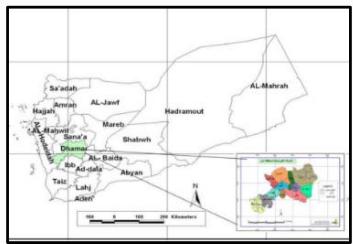 Figure 1: Map of Yemen Shows the Location of Dhamar [25]
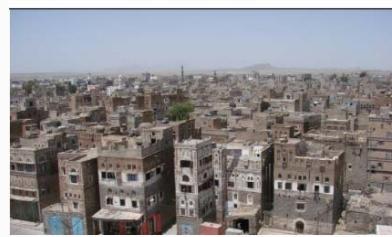 Figure 2: Panorama of Old Dhamar City and its Architecture [24] must be appropriate in dimensions so that it cannot be seen directly from the neighbors [9]. One of the important architectural elements that affects privacy is the entrance, which regulates the relationship between the public space of a street and the private space of a building. Its importance comes from its location in the center of the facade of the house. Moreover, its location must be respected in relation to the entrance locations of the surrounding buildings [6].
#### Architecture of Ancient Dhamar City
Since the current study deals with the issue of privacy in the city, it is necessary to get to know the study region. Dhamar is one of the Yemeni cities located in the middle of the northern governorates. The city is located to the south of the city of Sana'a, approximately 100 km away (Figure 1). It is one of the Yemeni historical cities with a Yemeni architectural character and pattern [21]. The city has grown and expanded in recent centuries to reach places far from the city center, although the city lived for a long period, retaining its identity and authentic traditional architectural character. Its small area, narrow streets, close proximity of its buildings, and closeness in many cases characterized the city at this stage [22]. The city is one of the Yemeni and Arab cities that has preserved its planning and characteristics. It has remained preserved in its ancient architectural style, which has an ancient history dating back to before Christ (Figure 2). The old city consists of three main neighborhoods: al-Houta neighborhood, located in the south-eastern side of the city, which is the oldest neighborhood and the Great Mosque is located in it; al-Mahal neighborhood, located in the northern side of the city; and al-Jarajish neighborhood, located in the south-western side of the city [23]. In the middle of the three areas is the market area, which is distinguished in its layout from the rest of the city's fabric. The market is located in the city center and consists of a number of one-story commercial shops (Figure 3). In addition, there is a weekly market called al-Rabou' Market in an open square surrounded by buildings on three sides [24].
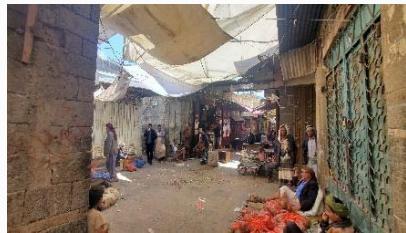 Figure 3: The Market: al-Rabou's Market (Author)
Historic Dhamar contains traditional houses that are distinctive from an architectural and historical standpoint. The ground floors of houses are built from black granite stones, but on the upper floors, they are built from brick and mud (Figure 4), and most of them contain an open courtyard on the last floors for privacy [23]. The urban fabric of the city contains a number of green areas called al-Maqashim, which
mostly belong to mosques (Figure 5). The buildings of historic cities are distinguished by their multiple floors, ranging from two to four floors, and the construction style and method of implementation are compatible with the climatic factors. Religious, social, cultural, and functional factors also played a role in the presence of architectural elements such as Mashrabiyas and Qamariyyat (Figure 6).
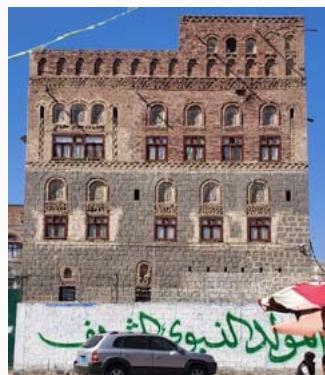 Figure 4: Multi-Storey House in the Old City (Author)
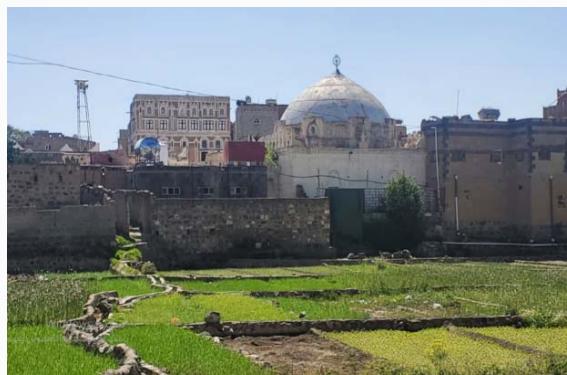 Figure 5: The Garden (Almqashamah) in the Old City (Author)
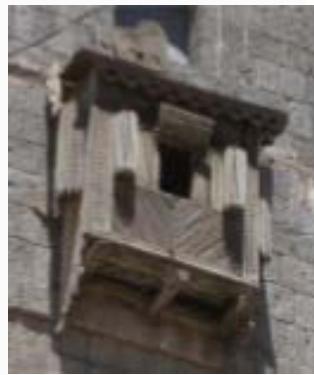 Figure 6: The Mashrabia in the Façade [21]
Most of the houses in the ancient city are similar in form, shape, and spatial layout. The ground floor consists of a number of rooms arranged in two rows that end with a staircase ascending to the upper floors. The rooms are used as stores for grains and wood used as fuel, and some rooms are used for animals (Figures 7-9). The first floor is connected to the ground floor in the function; there is a small room without windows called Mahkamah, and there is a guests' room called Diwan, which is used for social events and guests. However, the second floor is used for family living rooms, the third floor is family and kitchen rooms, and then the fourth contains guest rooms called Mafrag [23].
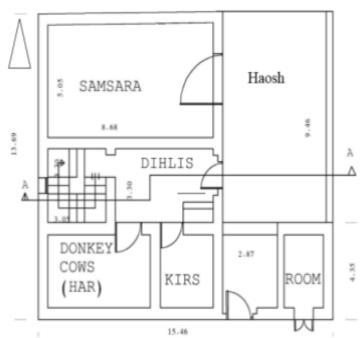 Figure 7: Ground Plan of Al-Nagahy House [26]
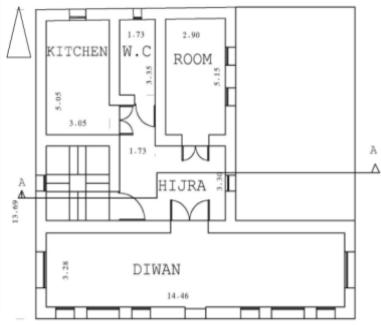 Figure 8: First Floor Plan of Al-Nagahy House [26]
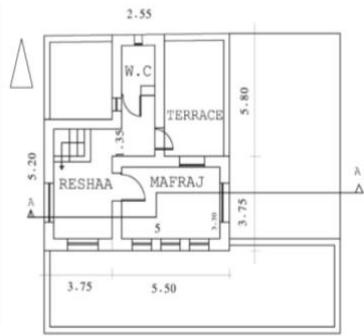 Figure 9: Fourth Floor Plan of Al-Nagahy House [26]
#### Discussion and Data Analysis
From field observations and previous studies, a special list of criteria was formed to measure the level of architectural privacy. These criteria contain a group of sub-criteria that were measured within a group of factors and classified under three levels: the level of plans and layouts, the level of facades, and the level of urban.
#### Plans and Layouts
The most important criteria that determine the level of privacy in the spatial design of a house are the amount of spatial sequence, the presence of transitional spaces between spaces, the amount of transitional circulation between interior spaces, and the presence of intermediate spaces between functional spaces. Another important theme is the hierarchy or gradation of spaces in the layout of a house when moving through a group of connected spaces. Therefore, the movement is gradual from the public external space to the semi-public space to the private space, and the movement of women must be isolated from the movement of guests. There are different types of privacy, including individual privacy for each member, family privacy that represents the relationship between the private lives of family and guests, and family privacy for its members with neighbors. There is urban privacy that shows the relationship between family members and society at the neighborhood level. In general, privacy is related to two issues that should be taken into consideration, and appropriate solutions should be developed: audio privacy and visual privacy. Privacy principles depend on the extent to which housing design responds to achieving the greatest amount of privacy for individuals and families towards strangers and visitors. One of the most important principles is that the entrance doors
should be within the principle of preserving private life, and the houses should not be exposed to visual visibility from other buildings. In addition to the function of the house as a place of rest, it is also a place to preserve the secrets and sanctities of the family.
#### Facades
Façade has a fundamental role because it represents the building's direction and its image exposed to strangers and to public streets. Facades achieve privacy through elements and components such as the position and size of windows and balconies, methods of arranging entrances, building materials, details of architectural treatments, etc. One of the most important criteria that plays an important role in facades is the architectural shape, whether horizontal or vertical, as well as the building's relationships with its neighbors in terms of the directions of entrances and openings. In addition, standards related to details and treatment also play a major role in openings for women, controlling the heights of windows, and treating roof balconies (al-Gobba) to be at a sufficient height. Openings play an important role in terms of privacy, as they are transparent parts of building facades for the interior. There are different methods, such as the use of false windows as well as variations in the formation of windows on building facades. The locations and arrangements of windows are according to the functional and aesthetic requirements and the specificities of the space's privacy. On the other hand, the role of building materials and construction techniques, whether in the external parts of facades or in the partitions and finishing materials, comes in reducing sound transmission.
#### Urban Planning
Islamic rulings affected not only the level of the building and its facades but also the level of urban planning in the city. They determined the type and width of streets for the use of umbrellas, what might come out of the gutters, and so on. Ideal planning is achieved in the urban fabric of the city when an individual walks through the streets and notices the flow and gradation of spaces. A person can differentiate between borders through the connotations and expressions possessed by space and the street, which suggest to a person's conscience the difference between a public place and a private place. These suggestions make the individual differentiate between a public place, which encourages him to continue, and a private place, which causes him to stop. There are several criteria through which privacy is achieved at the urban planning level, including spatial arrangements such as the design of narrow, graded streets that create a feeling of security and privacy. Likewise, when designed in a non-straight shape, it can close the visual perspective, control the visual relationship between a dwelling and its neighbors, and arrange the flow of urban space between public and private. Urban treatments play a major role in achieving privacy, as it requires taking possible measures to treat the urban environment to achieve the greatest amount of privacy, such as using courtyards, orienting residential units to give their backs to noise, using trees and natural elements to achieve visual and audio privacy, and providing sufficient distances between houses.
#### Survey Results
The sample of the current study consisted of 48 architects who live in the city of Dhamar, including engineers working in the labor market and architecture students at Thamar University who are studying in their fifth year. The questionnaire consists of two parts: the first is general information about the participants answering the questionnaire, including age, gender, type of residence, etc.; and the second is the criteria and factors that affect privacy, developed in the form of 51 questions so that they can be easily evaluated according to the level of measurement.
Analysis of General and Personal Information
The answers varied between males and females, and the number of males was 36 and the number of females was 12. All of the participants were between 20 and 40 years old, and their knowledge of heritage was good for the majority. The participants lived in apartments with 18 people and in separate houses with 30 people. On the other hand, they lived in an old city with 12 people and in modern neighborhoods with 36 people. The answers were distributed regarding the elements that carry and achieve privacy, as six persons see it in the urban fabric, eight persons see it in the shape and form, fourteen persons see it in the functional spaces, four persons see it in the facade details and elements, and sixteen persons see it in all of the above. The participants were asked to define privacy in general, and the answer for most of the participants in general was close and poured into a definition that is the need for individuals to carry out the various activities without monitoring or follow-up by others. It guarantees the right to control personal data by providing appropriate limits for social relations and dealing with others. The participants were asked to clarify the importance of privacy in architecture, and the answer for most of the participants was generally close and related to appropriate conditions that are provided for a person to carry out the requirements of daily life in appropriate social and psychological conditions and with complete freedom without the intrusion of others. In the architecture field, privacy means providing different spaces that fulfill different living needs and requirements with great freedom and flexibility. The participants were asked to determine whether they were satisfied with the level of privacy in the place where they lived. The answer for the participants was that 28 persons were satisfied and 20 persons were dissatisfied, meaning that $58\%$ of the participants were satisfied with the level of privacy, and $42\%$ of the participants were dissatisfied with the level of privacy.
#### Analyze the Information about the Study
The second section is the most important part of the study and consists of criteria and factors and their evaluation through a five-point scale (1-5), where 1 is strongly disagree and 5 is strongly agree, while 3 is neutral, and the value has been distributed for each period.
The criteria and factors were divided into categories through which the level of privacy can be measured and evaluated. It includes three categories: the level of plan and layout, the level of facades, and the level of urban. Table 1 shows the results of the answers after analyzing them with SPSS and finding the arithmetic mean and standard deviation. At the level of plans and layouts, the factors that received more ratings are: the location of the bedrooms is in the back of the house or on the upper floors; isolating the Diwan reception room from the rest of the house's sections; and placing the men's and guest rooms on the main street. While some factors received the lowest ratings, including the transitional circulation in the interior spaces, two separate entrances to the house, one for males and one for females, and the entrance hall being dark to block the view into the interior.
The high rating for spatial arrangement indicates the importance of factor in achieving privacy. For example, placing bedrooms at the back of the house or on upper floors evaluated the highest score
(4.54) with $91\%$, indicating the importance of maintaining privacy in private spaces within the house. Diwan (the reception room) is isolated from the whole house also evaluated a good score (4.33) with $87\%$, indicating the importance of separating private and guest spaces. Optimal spatial arrangements help to create an environment that promotes privacy by avoiding direct vision between different spaces within the house. However, the balance between architectural activities and privacy is crucial; architectural partitions (such as high roofs or thick walls) should be designed to maintain comfort and good ventilation without compromising privacy. Placing bedrooms at the back or on upper floors, in addition to good separation between private and public spaces, played a significant role in improving privacy.
The results indicate that the level of privacy within houses is relatively good, but there are some noticeable variances between different spaces within a house. For example, the privacy level is high in the living hall, kitchen, and bedrooms received a good score (4.13) with $83\%$, indicating respondents' satisfaction with the privacy arrangement in these rooms. However, the privacy level between family members inside a house received a middling rating of only 3.29, indicating that individual privacy was not as high as expected. Although the level of privacy in some areas within the house is good, there is a need to improve individual privacy. This may be due to designs that do not provide each individual with a completely independent space.
Table 1: The Results of Assessing Privacy Level from the Questionnaire: Plans and Layouts
<table><tr><td colspan="3">Assessment of Privacy Level in Traditional Yemeni Architecture</td><td>Mean</td><td>S.D</td><td>Ratio</td><td>Pref. Order</td></tr><tr><td rowspan="14">Plans and Layouts (3.70)Privacy Level (3.60)4.130.8083%5</td><td rowspan="6">The privacy level is high in the living hall, kitchen, and bedrooms.4.130.8083%5</td><td>1) The presence of hierarchical movement among the spaces.</td><td>3.63</td><td>0.81</td><td>73%</td><td>8</td></tr><tr><td>2) The existence of transitional regions among spaces.</td><td>4.04</td><td>0.96</td><td>81%</td><td>6</td></tr><tr><td>3) The presence of transitional circulation between spaces.</td><td>2.87</td><td>0.64</td><td>57%</td><td>13</td></tr><tr><td>4) Each house has two separate entrances, one for women and another for men.</td><td>3.02</td><td>0.73</td><td>60%</td><td>12</td></tr><tr><td>5) Women move freely in the house, even in exterior spaces.</td><td>3.21</td><td>0.50</td><td>64%</td><td>10</td></tr><tr><td></td><td></td><td></td><td></td><td></td></tr><tr><td rowspan="8">Spatial Arrangement (4.15)</td><td>6) The bedrooms are placed back in the house or on high floors.</td><td>4.54</td><td>1.18</td><td>91%</td><td>1</td></tr><tr><td>7) Diwan (the reception room) is isolated from the whole house.</td><td>4.33</td><td>0.90</td><td>87%</td><td>2</td></tr><tr><td>8) Strong insulation between guest spaces and family spaces.</td><td>4.25</td><td>0.95</td><td>85%</td><td>4</td></tr><tr><td>9) The entrance hall is dark to block visibility to the inside.</td><td>3.13</td><td>0.76</td><td>63%</td><td>11</td></tr><tr><td>10) Family spaces on the house back and their facades open to the garden.</td><td>4.25</td><td>0.88</td><td>85%</td><td>4</td></tr><tr><td>11) Men and guests spaces are opened to the public street.</td><td>4.29</td><td>0.96</td><td>86%</td><td>3</td></tr><tr><td>12) Courtyard in the roof used by women for privacy.</td><td>4.29</td><td>0.94</td><td>86%</td><td>3</td></tr><tr><td></td><td></td><td></td><td></td><td></td></tr><tr><td rowspan="3"></td><td rowspan="3"></td><td>13) The privacy level is high between family members inside a house.</td><td>3.20</td><td>0.83</td><td>64%</td><td>10</td></tr><tr><td>14) Good sound insulation between all house spaces.</td><td>3.75</td><td>0.60</td><td>75%</td><td>7</td></tr><tr><td>15) Individual privacy levels are high.</td><td>3.29</td><td>0.66</td><td>66%</td><td>9</td></tr><tr><td></td><td></td><td></td><td></td><td></td><td></td><td></td></tr></table>
Table 2 shows the results of the answers after analyzing and finding the mean and standard deviation at the facade level. It shows that the factors that received more ratings are the sufficient height of the ceiling; the presence of openings for women to see the visitor; the openings of the facades between small and large serve the function and enhance privacy; and the locations of the windows suit the requirements of function and privacy. While some factors received the lowest ratings, including the lower floors and those close to the streets being solid and devoid of openings, reducing the areas of the facades exposed to the street because adhering the building blocks, and the entrance opening in the door being small as part of it to reduce the viewing area inward.
The most important factor is that the ceiling walls are suitable heights to block visibility for women's activity. It received the highest rating (4.46), and was rated very positively, indicating that this factor is effective in enhancing privacy in traditional architecture. The results indicate that the openings and architectural details play a vital role in enhancing privacy. There are windows for women in the facades to see the visitor located above the house door received the rating of 4.38, indicating that these details are very important in continuing privacy in Yemeni culture. In addition, the results indicate that participants believe that small and large openings in the facades serve both function and privacy well, with this factor receiving an average rating of 4.21. Participants also agreed on the importance of the Mashrabiyats for achieving privacy and maintaining visual protection. It is noted that architectural details were among the most prominent criteria enhancing privacy. These elements can be enhanced by studying the balance between aesthetic, functional aspects and privacy.
Table 2: The Results of Assessing Privacy Level from the Questionnaire: Façades
<table><tr><td colspan="3">Assessment of Privacy Level in Traditional Yemeni Architecture</td><td>Mean</td><td>S.D</td><td>Ratio</td><td>Pref. Order</td></tr><tr><td rowspan="22">Fagades (3.75)</td><td rowspan="5">Form and Shape(3.64)</td><td>1) Vertical functional division keeps family spaces away from the public street.</td><td>4.08</td><td>0.91</td><td>82%</td><td>6</td></tr><tr><td>2) The facades exposed to the streets are reduced because they adhere to the building blocks.</td><td>3.04</td><td>0.65</td><td>61%</td><td>17</td></tr><tr><td>3) The street ratio to the rise of the building is small enough to make the vision impossible.</td><td>3.29</td><td>0.67</td><td>66%</td><td>15</td></tr><tr><td>4) The entrance bounces and twists back to prevent vision into the house.</td><td>4.17</td><td>0.96</td><td>83%</td><td>5</td></tr><tr><td>5) The building's defensive form and shape strengthen privacy.</td><td>3.62</td><td>0.71</td><td>72%</td><td>11</td></tr><tr><td></td><td></td><td></td><td></td><td></td><td></td></tr><tr><td rowspan="4">Architectural Details(4.01)</td><td>6) Windows in the façade for women to see the visitor on the house door.</td><td>4.38</td><td>0.99</td><td>88%</td><td>2</td></tr><tr><td>7) The heights of facing windows with neighbors are controlled.</td><td>3.96</td><td>1.10</td><td>79%</td><td>7</td></tr><tr><td>8) The ceiling walls are suitable heights to block visibility for women's activity.</td><td>4.46</td><td>1.05</td><td>89%</td><td>1</td></tr><tr><td>9) The entrance in the door is small, as part of it reduces the visibility area to the inside.</td><td>3.25</td><td>0.71</td><td>65%</td><td>16</td></tr><tr><td></td><td></td><td></td><td></td><td></td><td></td></tr><tr><td rowspan="3">1) Openings and The façade openings between small and big serve function and privacy. Windows (4.14) 0.93 0.93 0.94 4.20 4.20 0.93 84% 4</td><td>4.21</td><td>1.01</td><td>84%</td><td>3</td><td></td></tr><tr><td>10) The locations of the openings are designed to meet function and privacy.</td><td>4.21</td><td>1.14</td><td>84%</td><td>3</td></tr><tr><td>11) The wooden boards close and envelope the glass windows from outside.</td><td>3.92</td><td>0.71</td><td>78%</td><td>8</td></tr><tr><td rowspan="4">Materials and Techniques(3.35)</td><td>12) The local materials are used for partitions and finishing to insulate noise.</td><td>3.58</td><td>0.79</td><td>72%</td><td>12</td></tr><tr><td>13) The lower floors that are near the street are solid and without windows.</td><td>3.00</td><td>0.64</td><td>60%</td><td>18</td></tr><tr><td>14) The walls have a large thickness to reduce the transition of sounds.</td><td>3.29</td><td>0.80</td><td>66%</td><td>15</td></tr><tr><td>15) The local materials are used to provide good sound insulation.</td><td>3.54</td><td>0.68</td><td>71%</td><td>13</td></tr><tr><td rowspan="4">Elements Arrangement(3.59)</td><td>16) The house entrances do not face each other or run parallel to each other.</td><td>3.71</td><td>0.65</td><td>74%</td><td>9</td></tr><tr><td>17) The formation of façade elements varies according to function and privacy.</td><td>3.62</td><td>0.71</td><td>72%</td><td>11</td></tr><tr><td>18) The entrance opens from the side façade of the building for privacy.</td><td>3.33</td><td>0.62</td><td>67%</td><td>14</td></tr><tr><td>19) The façade components and elements are arranged in harmony with privacy.</td><td>3.70</td><td>0.67</td><td>74%</td><td>10</td></tr></table>
Table 3 shows the results of the answers after analyzing and finding the mean and standard deviation at the urban level. It appears from the table that factors such as the use of fences and walls around the houses, open spaces and squares' role as a place for meeting, gathering, and celebration, the urban fabric generating a sense of familiarity and containment, and the urban composition being consistent with social customs and social morals received the most evaluations from the participants.
The use of fences and walls around the houses received the highest ratings, with an average of 4.29 (86%). It means that they are considered one of the most effective elements of protection and privacy. They are an effective method in providing visual and audible privacy in traditional societies, and contribute to separating public from private spaces. However, the factor of open spaces and squares representing places for meetings and gatherings received a rate of 4.21 (84%), indicating a strong interest in public areas that encourage social interaction without compromising privacy. While some factors received the lowest ratings, including that the streets are narrow and graded, creating a feeling of security and privacy received the lowest rating, with an average of 2.45 (49%). It shows that the city's streets are not ideally designed to promote privacy, according to the participants' assessment. Narrow streets may enhance privacy by reducing visual and traffic movement, but they may be insufficient to provide adequate privacy. The adequate distances between the houses to increase privacy received an average of 2.75 (55%). It indicates that distances between houses are not always sufficient to provide real privacy.
Table 3: The Results of Assessing Privacy Level from the Questionnaire: Urban
<table><tr><td colspan="3">Assessment of Privacy Level in Traditional Yemeni Architecture</td><td>Mean</td><td>S.D</td><td>Ratio</td><td>Pref. Order</td></tr><tr><td rowspan="15">Urban (3.60)</td><td rowspan="4">Urban Spatial Arrangement(3.34)</td><td>1) The streets are narrow and gradated for security and privacy.</td><td>2.45</td><td>0.87</td><td>49%</td><td>14</td></tr><tr><td>2) The roads are not straight from a close-up visual perspective.</td><td>3.29</td><td>0.63</td><td>66%</td><td>11</td></tr><tr><td>3) The residential units are oriented to give their back to the noise.</td><td>3.95</td><td>0.86</td><td>79%</td><td>5</td></tr><tr><td>4) The urban space flows between the public and private.</td><td>3.67</td><td>0.75</td><td>73%</td><td>9</td></tr><tr><td></td><td></td><td></td><td></td><td></td><td></td></tr><tr><td rowspan="4">Urban Treatments (3.54)The fences and walls are used around the houses. 2) The trees are used to achieve visual and audio privacy. 3.71 0.65 74%8</td><td></td><td>4.29</td><td>0.94</td><td>86%</td><td>1</td></tr><tr><td>5) The visual relationship is controlled between homes and neighbors.</td><td>3.75</td><td>0.97</td><td>75%</td><td>7</td></tr><tr><td>6) Building heights are formed to achieve high privacy.</td><td>3.21</td><td>0.70</td><td>64%</td><td>12</td></tr><tr><td>7) Adequate distances between the houses to increase privacy.</td><td>2.75</td><td>0.61</td><td>55%</td><td>13</td></tr><tr><td></td><td></td><td></td><td></td><td></td><td></td></tr><tr><td rowspan="5">Convenient Traditions and Norms (3.93)</td><td>8) The open spaces and squares represent places for meetings and gatherings.</td><td>4.21</td><td>0.87</td><td>84%</td><td>2</td></tr><tr><td>9) The urban form fits with social habits and social morals.</td><td>4.00</td><td>0.73</td><td>80%</td><td>4</td></tr><tr><td>10) The neighborhoods are formed according to social and tribal convergence.</td><td>3.42</td><td>0.62</td><td>68%</td><td>10</td></tr><tr><td>11) The urban fabric generates a sense of familiarity and containment.</td><td>4.20</td><td>0.95</td><td>84%</td><td>3</td></tr><tr><td>12) The streets show when there is a public area and a private area.</td><td>3.80</td><td>0.63</td><td>76%</td><td>6</td></tr><tr><td></td><td></td><td></td><td></td><td></td><td></td><td></td></tr></table>
Table 4 shows the results of the answers after analyzing and finding the mean and standard deviation. After analyzing the data, it became clear that the highest level of privacy was achieved at the level of facades, which was rated by participants with a value of 3.75, followed by the level of plans and layouts, which was
rated by participants with a value of 3.70. Finally, at the level of urban planning, with a value of 3.60. Accordingly, it becomes clear that the treatments applied to the facades and to the plans and layouts are more responsive to achieving privacy because they are directly linked to the public part and its relationship with the private part. Spatial arrangements received the highest evaluation of all elements, as well as openings and windows, followed by architectural details, and then convenient traditions and norms. Urban spatial arrangements, building materials, and building techniques received the lowest value given by the participants.
Favades are a criterion that receives significant attention due to their impact on privacy. The external appearance of buildings, particularly facades, plays a significant role in controlling the relationship between internal and external spaces, thus enhancing privacy. Spatial arrangement appears to be the most important criteria that significantly influence privacy in traditional Yemeni architecture. According to participants' evaluations, openings, windows, and architectural details are considered the most important criteria, as they play a significant role in determining the level of privacy. The details include the used materials, forms, and decorations that may contribute to enhancing isolation between spaces. The wide variety in the criteria's averages and percentages indicates that some criteria and factors are considered more important than others are.
Table 4: The Results of Assessing Privacy Levels from the Questionnaire
<table><tr><td colspan="2">Assessment of Privacy Level in Traditional Yemeni Architecture: A Case Study of Dhamar City</td><td>Mean</td><td>Ratio</td><td>Preference Order</td></tr><tr><td rowspan="3">Plans and Layouts (3.70)</td><td>1) Circulation and Transition</td><td>3.35</td><td>67%</td><td>9</td></tr><tr><td>2) Spatial Arrangement</td><td>4.15</td><td>83%</td><td>1</td></tr><tr><td>3) Privacy Level</td><td>3.60</td><td>72%</td><td>6</td></tr><tr><td rowspan="5">Façades (3.75)</td><td>4) Form and Shape</td><td>3.64</td><td>73%</td><td>5</td></tr><tr><td>5) Architectural Details</td><td>4.01</td><td>80%</td><td>3</td></tr><tr><td>6) Openings and Windows</td><td>4.14</td><td>83%</td><td>2</td></tr><tr><td>7) Materials and Techniques</td><td>3.35</td><td>67%</td><td>9</td></tr><tr><td>8) Elements Arrangement</td><td>3.59</td><td>72%</td><td>7</td></tr><tr><td rowspan="3">Urban (3.60)</td><td>9) Urban Spatial Arrangement</td><td>3.34</td><td>67%</td><td>10</td></tr><tr><td>10) Urban Treatments</td><td>3.54</td><td>71%</td><td>8</td></tr><tr><td>11) Convenient Traditions and Norms</td><td>3.93</td><td>79%</td><td>4</td></tr></table>
## II. CONCLUSIONS AND RECOMMENDATIONS
The concept of privacy means respecting the privacy of others and referring to the principles that protect and preserve the privacy of individuals. In addition, it is the process of monitoring boundaries between people and controlling relationships of openness and closeness. Among the most important principles in achieving privacy is the attempt to isolate between the sexes in house designs and to isolate the movement of guests and visitors from the movement of women. It is also possible to benefit from the elements that were used in traditional Yemeni architecture, such as Mashrabiyas, observation openings, and other details.
Plans and layouts usually reflect the culture and social customs of the population. The formation of internal spaces and the way they are organized based on a gradual hierarchy give an indication of achieving privacy. Furthermore, the vertical division of family functions was very effective. This concept can be developed through designs that contribute to accomplishing privacy between residential units. In addition, there is a need to improve the design of streets to achieve a better balance between security and privacy through increasing the distances between houses contributes to improving privacy.
The use of elements and methods of traditional architecture in contemporary architecture has achieved great success at the level of privacy, whether at the level of plans and layouts, at the level of facades, or at the level of urban planning. The results indicate the need to improve certain elements, such as windows and spaces between houses, to enhance privacy in traditional architecture, a matter that requires modification in urban architectural practices. Modern architecture should enhance the sense of belonging, privacy, moral behavior of family members, and social closeness among residents through a valuable connection to cultural and Islamic principles.
The failures of modern architecture in achieving privacy are due to a number of reasons, including unsocial dimensions of the streets, an increase in heights, the openness of buildings to the outside, and a lack of interest in meeting the user's needs. In addition, taking advantage of local structural traditions and architectural and urban treatments creates a modern building while maintaining the local identity. In addition, studying the ancient urban fabric of cities and benefiting from it provides the best solutions related to privacy.
It is possible to connect the past, present, and future in light of customs, traditions, and privacy and apply this to contemporary architecture in a manner that suits the spirit of the times and adapts to modern technologies and new human requirements. In addition, it recommends a deeper study of the impact of social traditions on architectural design to achieve a balance between preserving architectural identity and modern privacy needs.
### ACKNOWLEDGEMENTS
The author would like to thank all architect's participants in answering questionnaires of this study. The author would also like to thank all persons helping in the distribution of the questionnaires.
Data Availability
The data used to support the findings of this study are included within the article.
Funding
The authors received no specific funding for this work.
Author Contributions
Ahmed A. Al-Nehmi. The author has read and agree to the published version of the manuscript.
An ethics statement is not applicable because this work is based on published literature and personal work.
#### Competing Interests
The authors declare no competing interests.
#### Declarations
Ethics approval and consent to participate
Not applicable.
#### Additional Information
Correspondence and requests for materials should be addressed to Ahmed Al-Nehmi.
Generating HTML Viewer...
References
26 Cites in Article
A Rapoport (1969). House form and culture.
S Al-Husban,A Al-Husban,Y Al-Betawi (2018). The Impact of the Cultural Beliefs on Forming and Designing Spatial Organizations, Spaces Hierarchy, and Privacy of Detached Houses and Apartments in Jordan.
Faris Mustafa,A Hassan,S Baper (2010). Using space syntax analysis in detecting privacy: a comparative study of traditional and modern house layouts in Erbil city, Iraq.
A Tomah,H Ismail,A Abed (2016). The concept of privacy and its effects on residential layout and design: Amman as a case study.
Hamza Babangida,Halima Katsina (2018). INTEGRATING ISLAMIC DESIGN PRINCIPLES FOR ACHIEVING FAMILY PRIVACY IN RESIDENTIAL ARCHITECTURE.
S Al-Birawi,A Adawi (2019). Privacy Criterions and Elements in Islamic Residential Architecture.
Z Musa,A Abdullah,A Usman,A Iskandar (2021). Privacy in Islam as a Guide to Housing Development.
Hana Aljawder,Hala El-Wakeel (2022). ARCHITECTURE AND PRIVACY IN ISLAM: AN ANALYTICAL REVIEW.
F Manesh,S Latifian (2015). Information Flow in Intellectual Property.
H Asadpour,M Razmara,A Heidari,M Taghipour (2022). Privacy, patterns, and factors in urban open spaces (a Case study: Jannat Park in Shiraz City).
Mohammad Khaliji,Kamran Jafarpour Ghalehteimouri (2024). Urban security challenges in major cities, with a specific emphasis on privacy management in the metropolises.
M Moradi,M Pour,M Baqbani (2015). Study of privacy in the residential architecture in cold and dry areas of Iran.
A Movahed,Jafarpour Ghalehteimouri,K (2019). The importance of the concept and meaning of place in tourism geography.
I Altman (1975). Environment and social behavior.
A Hashim,H Ali,A Abu Samah (2009). Urban Malays' user-behavior and perspective on privacy and spatial organization of housing.
Ibrahim Touman,Farraj Al-Ajmi (2017). Privacy in Arabian Architecture: Past and Present Differential Understanding—Part I: Egyptian House Designing.
M Georgiou (2006). Topological Degree for Wave Equations.
Zulkeplee Othman,Rosemary Aird,Laurie Buys (2015). Privacy, modesty, hospitality, and the design of Muslim homes: A literature review.
Al-Shibani (2005). A design language: urban and architectural elements.
S Al-Shwani (2011). Influence of Modernity Versus Continuity of Architectural Identity on House Facade in Erbil City, Iraq.
M Al-Dhamary (2018). Items and architectural machinery executed on traditional house facades in Old Dhaman.
Adel Al-Najjar,Abdullkareem A. Al-Shameri,Abdulhakim A. Al-Selwi,Mohammed Al-Saeedi,Abdullah Al-Khateeb,Ali Al-Darwani,Bilal Al-Boaithi,Mohammed Al-Thmani,Mohammed Jobair,Ali Ahmed Alzaazaai (2004). Awareness Among Medical Students Towards Referring Children with Skin Diseases Whether to a Dermatologist or a Pediatrician.
Adel Al-Najjar,Abdullkareem A. Al-Shameri,Abdulhakim A. Al-Selwi,Mohammed Al-Saeedi,Abdullah Al-Khateeb,Ali Al-Darwani,Bilal Al-Boaithi,Mohammed Al-Thmani,Mohammed Jobair,Ali Ahmed Alzaazaai (2009). Awareness Among Medical Students Towards Referring Children with Skin Diseases Whether to a Dermatologist or a Pediatrician.
Amjed Ali,Vian Qadir (2010). The Influence of Society's Cultural Aspects on Mosques' Architectural Symbolism-The Mosques Built Between “1970-1990” in Erbil city as Case study.
Adel Al-Najjar,Abdullkareem A. Al-Shameri,Abdulhakim A. Al-Selwi,Mohammed Al-Saeedi,Abdullah Al-Khateeb,Ali Al-Darwani,Bilal Al-Boaithi,Mohammed Al-Thmani,Mohammed Jobair,Ali Ahmed Alzaazaai (2009). Awareness Among Medical Students Towards Referring Children with Skin Diseases Whether to a Dermatologist or a Pediatrician.
Samira Alshawesh,Amra Hadžimuhamedović (2016). People and Heritage in Yemen: Where to?.
No ethics committee approval was required for this article type.
Data Availability
Not applicable for this article.
How to Cite This Article
Dr. Ahmed Abdurabu Al-Nehmi. 2026. \u201cAssessment of Privacy Level in Traditional Yemeni Architecture: A Case Study of Dhamar City\u201d. Unknown Journal GJHSS-C Volume 25 (GJHSS Volume 25 Issue C2): .
Explore published articles in an immersive Augmented Reality environment. Our platform converts research papers into interactive 3D books, allowing readers to view and interact with content using AR and VR compatible devices.
Your published article is automatically converted into a realistic 3D book. Flip through pages and read research papers in a more engaging and interactive format.
The issue of privacy has been a very important topic in all fields because it is a topic related to human and social aspects. The problem is represented by the spread of the phenomenon of globalization and the spread of modern global thought in historical cities that are characterized by their local specificity. The research aims to determine the level of architectural privacy in Dhamar by identifying the criteria and factors that affect privacy and measuring those to determine their importance and priority. The methodology is based on building a multi-criteria model that represents a theoretical framework for the dimensions of the research problem and includes criteria for achieving privacy at the level of plans and layout, at the level of facades, and at the level of urban. The research was adopted from a field study that included questionnaires that were designed and distributed to the participating architects who live in the study region. The results showed that the use of elements and methods of traditional architecture in contemporary architecture achieved great success at the level of privacy.
Our website is actively being updated, and changes may occur frequently. Please clear your browser cache if needed. For feedback or error reporting, please email [email protected]
Thank you for connecting with us. We will respond to you shortly.