The global shift towards sustainable energy sources, driven by international climate agreements and the imperative to reduce carbon emissions, presents significant challenges for oil-dependent economies like Nigeria. This paper examines the implications of climate change on Nigeria’s economy, which relies heavily on oil exports for government revenue and foreign exchange earnings. The anticipated decline in global oil demand, resulting from the transition to renewable energy, threatens to exacerbate Nigeria’s economic vulnerabilities, including reduced public spending capacity and increased unemployment in the oil sector. As global commitments to mitigate climate change intensify, Nigeria faces heightened risks from declining oil prices and potential international regulatory pressures, such as carbon taxes on fossil fuel imports. These dynamics underscore the urgency for Nigeria to diversify its economy beyond oil. The paper explores the potential of Nigeria’s renewable energy resources-solar, wind, and hydropower-as viable alternatives to oil. By investing in renewable energy infrastructure, Nigeria can not only reduce its dependency on oil but also address its significant energy access challenges, thus fostering economic resilience.
## I. INTRODUCTION
In recent years, the global community has embarked on a significant transition towards sustainable energy sources, spurred by the urgent need to combat climate change. This shift is epitomized by international agreements such as the Paris Agreement, adopted in 2015, which seeks to limit global warming to well below $2^{\circ}\mathrm{C}$ above pre-industrial levels, with efforts to restrict it to $1.5^{\circ}\mathrm{C}$ (United Nations Framework Convention on Climate Change [UNFCCC], 2015). Central to achieving these goals is the reduction of carbon emissions, a major contributor to global warming, primarily driven by the burning of fossil fuels, including oil. Consequently, the demand for fossil fuels is anticipated to decline significantly in the coming decades, as countries and corporations increasingly prioritize renewable energy sources such as solar, wind, and hydropower (International Energy Agency [IEA], 2021).
For Nigeria, this global shift away from fossil fuels represents a substantial economic challenge. As one of the world's leading oil producers, Nigeria's economy is heavily dependent on oil exports, which account for over $90\%$ of its foreign exchange earnings and approximately $60\%$ of government revenues (World Bank, 2020). This reliance on oil has historically made Nigeria vulnerable to fluctuations in global oil prices, and the anticipated long-term decline in oil demand due to climate change policies could exacerbate these vulnerabilities. The potential economic repercussions are profound, with implications for government revenue, public spending, and the broader economic landscape.
The dependence of Nigeria's economy on oil exports is rooted in its historical development. Since the discovery of oil in the Niger Delta in the 1950s, oil has become the cornerstone of the Nigerian economy. The oil boom of the 1970s further entrenched this dependence, leading to a mono-economy where other sectors, such as agriculture and manufacturing, have remained underdeveloped (Falola & Genova, 2009). This has left Nigeria highly susceptible to the "resource curse," a phenomenon where countries rich in natural resources, particularly oil, often experience slower economic growth and development compared to resource-poor countries (Auty, 1993). The volatility of global oil prices has resulted in periods of economic boom and bust in Nigeria, with significant social and political consequences.
The global move towards sustainable energy sources, therefore, poses a dual challenge for Nigeria. On one hand, the country faces the risk of declining oil revenues, which could severely constrain government spending on essential services, infrastructure, and social programs. On the other hand, there is an urgent need for Nigeria to diversify its economy to reduce its reliance on oil and build resilience against the economic impacts of the global energy transition. This is particularly critical as the global demand for oil is projected to peak in the next decade and gradually decline as renewable energy technologies become more cost-competitive and widespread (IEA, 2021).
The impact of climate change policies on global oil demand is already evident. Major economies, including the European Union, China, and the United States, have set ambitious targets for reducing carbon emissions and increasing the share of renewable energy in their energy mix (European Commission, 2020; National Development and Reform Commission [NDRC], 2021; U.S. Department of Energy [DOE], 2021). These policy shifts are likely to result in a structural decline in oil demand, particularly in sectors such as transportation and power generation, which are significant consumers of fossil fuels. For oil-exporting countries like Nigeria, this could lead to reduced export volumes and lower prices, further eroding government revenues.
Moreover, the global energy transition is expected to lead to increased regulatory pressures on the oil industry. As countries implement stricter environmental regulations, such as carbon pricing and emissions trading systems, the cost of producing and exporting oil is likely to rise. This could make Nigerian oil less competitive on the global market, particularly if other countries, including those in the Organization of the Petroleum Exporting Countries (OPEC), can produce oil more cheaply or with lower carbon intensity (IMF, 2021). In addition, there is a growing trend towards divestment from fossil fuels by major institutional investors, which could limit the availability of financing for oil-related projects in Nigeria (Ayling & Gunningham, 2017).
Given these challenges, it is imperative for Nigeria to pursue economic diversification. The development of the renewable energy sector presents a viable opportunity for Nigeria to reduce its dependence on oil and build a more resilient economy. Nigeria is endowed with abundant renewable energy resources, including solar, wind, and hydropower, which have the potential to meet a significant portion of the country's energy needs (Energy Commission of Nigeria, 2015). Investing in renewable energy infrastructure could not only help Nigeria transition to a low-carbon economy but also address the country's significant energy deficit, which remains a major impediment to economic development (Nigerian Electricity Regulatory Commission [NERC], 2022).
Furthermore, economic diversification should extend beyond the energy sector. Nigeria must invest in other non-oil sectors such as agriculture, manufacturing, and technology, which have the potential to drive economic growth and create jobs. The agricultural sector, in particular, offers significant opportunities for export diversification and rural development, given Nigeria's vast arable land and favorable climatic conditions (Central Bank of Nigeria [CBN], 2019). By pursuing a more diversified economic model, Nigeria can reduce its vulnerability to external shocks and build a more sustainable and inclusive economy.
The global shift towards sustainable energy sources driven by climate change mitigation efforts poses significant economic challenges for Nigeria's oil-dependent economy. The anticipated decline in global oil demand threatens to reduce government revenues, constrain public spending, and destabilize the broader economic landscape. To mitigate these risks, Nigeria must urgently pursue economic diversification, with a focus on developing the renewable energy sector and other non-oil sectors. This strategic shift is essential for Nigeria to navigate the challenges posed by the global energy transition and build a more resilient and sustainable economy for the future.
## II. GLOBAL SHIFT TOWARDS SUSTAINABLE ENERGY
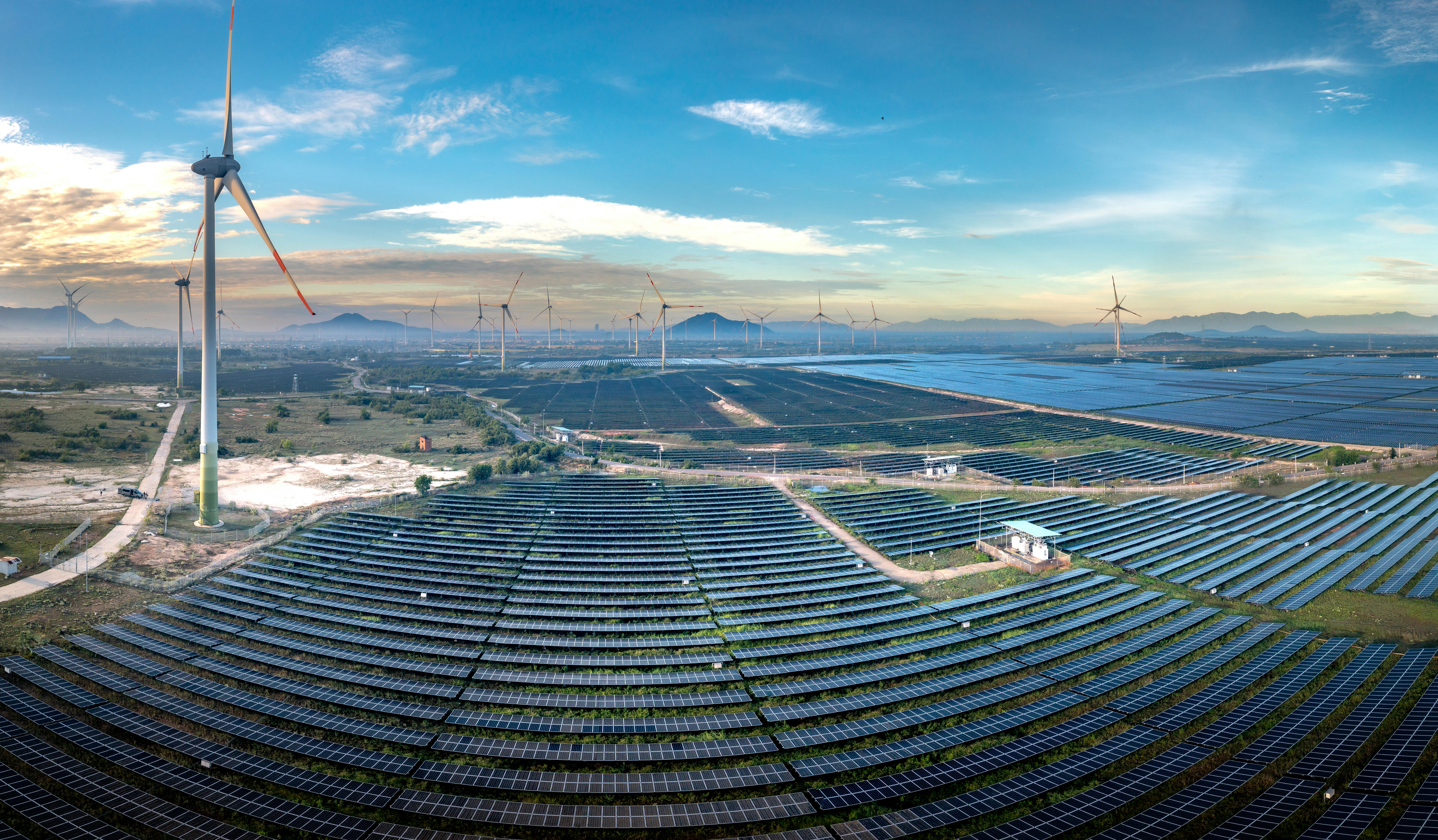
The global energy landscape is undergoing a profound transformation as countries strive to reduce their carbon emissions and transition to more sustainable energy sources. This shift is driven by the urgent need to address climate change and its associated impacts, which have been increasingly evident in recent years. Renewable energy sources such as wind, solar, and hydropower are at the forefront of this transformation, with the International Energy Agency (IEA) projecting that they will account for nearly $90\%$ of the global power capacity increase by 2030 (IEA, 2021). This transition is not only a response to the environmental challenges posed by climate change but also a strategic move to secure energy independence and foster economic growth through the development of new energy industries.
One of the most significant drivers of this global shift is the Paris Agreement, an international treaty adopted in 2015 by 197 countries with the goal of limiting global warming to well below $2^{\circ}\mathrm{C}$, with an aspirational target of $1.5^{\circ}\mathrm{C}$ above pre-industrial levels (United Nations Framework Convention on Climate Change [UNFCCC], 2015). The Paris Agreement has catalyzed widespread policy changes, encouraging countries to adopt more aggressive carbon reduction targets and accelerate the deployment of renewable energy technologies. For example, the European Union has committed to reducing greenhouse gas emissions by at least $55\%$ by 2030 compared to 1990 levels, with renewable energy playing a crucial role in achieving this target (European Commission, 2020).
The policy initiatives, advancements in technology and declining costs have made renewable energy sources increasingly competitive with fossil fuels. The cost of solar photovoltaic (PV) electricity has decreased by $89\%$ between 2010 and 2020, making it one of the cheapest sources of new electricity generation in many regions of the world (International Renewable Energy Agency [IRENA], 2021). Similarly, the cost of onshore wind power has fallen by about $70\%$
over the same period, further contributing to the rapid growth of renewable energy capacity (IRENA, 2021). These technological advancements have made it possible for countries to scale up their renewable energy capacity rapidly, thereby reducing their reliance on fossil fuels. The global shift towards renewable energy is not limited to developed countries; emerging economies are also increasingly investing in sustainable energy infrastructure. China, the world's largest emitter of greenhouse gases, has become a global leader in renewable energy deployment. In 2020, China accounted for almost $50\%$ of the global renewable power capacity additions, with significant investments in solar and wind energy (National Development and Reform Commission [NDRC], 2021). India's renewable energy sector is also expanding rapidly, driven by ambitious government targets and favorable investment conditions. By 2022, India had installed more than 100 GW of renewable energy capacity, positioning itself as one of the world's largest renewable energy markets (Ministry of New and Renewable Energy [MNRE], 2022).
Despite the global momentum towards renewable energy, the shift away from fossil fuels poses significant challenges for countries that are heavily dependent on oil exports, such as Nigeria. For Nigeria, where oil exports account for more than $90\%$ of its foreign exchange earnings and about $60\%$ of government revenues, the declining demand for fossil fuels represents a severe economic threat (World Bank, 2020). The anticipated long-term decline in oil demand due to climate change policies could exacerbate Nigeria's vulnerability to fluctuations in global oil prices, which have historically led to economic instability and social unrest in the country.
The global energy transition also presents an existential challenge to Nigeria's oil industry, which has been the backbone of its economy for decades. As international markets increasingly favor low-carbon energy sources, Nigeria risks being left behind if it does not diversify its economy and invest in renewable energy. For instance, the Nigerian oil and gas sector has already faced challenges due to the divestment from fossil fuels by major international oil companies, which are redirecting their investments towards renewable energy projects (Ayling & Gunningham, 2017). This trend is likely to continue as global efforts to reduce carbon emissions intensify, making it imperative for Nigeria to adapt to the changing energy landscape.
To mitigate the economic risks associated with the declining demand for oil, Nigeria must accelerate its efforts to diversify its economy and invest in renewable energy. The country is endowed with significant renewable energy resources, including solar, wind, and hydropower, which remain largely untapped (Energy Commission of Nigeria, 2015). By developing its renewable energy sector, Nigeria can create new economic opportunities, reduce its dependency on oil, and contribute to global efforts to combat climate change.
The global shift towards sustainable energy is reshaping the energy landscape, driven by the need to reduce carbon emissions and mitigate the impacts of climate change. This transition is characterized by the rapid growth of renewable energy sources, supported by international agreements such as the Paris Agreement and technological advancements that have made renewable energy more cost-competitive. For oil-dependent countries like Nigeria, this global trend poses significant economic challenges, necessitating a strategic shift towards economic diversification and investment in renewable energy. By embracing this transition, Nigeria can secure a more sustainable and resilient economic future.
## III. FEW COUNTRIES WITH A GLOBAL SHIFT TOWARDS SUSTAINABLE ENERGY
The global shift towards sustainable energy has seen significant advancements in various countries, driven by a combination of policy initiatives, technological advancements, and economic imperatives. Several nations have emerged as leaders in this transition, demonstrating the viability and benefits of shifting away from fossil fuels towards renewable energy sources. Here are a few examples:
### 1. Germany
Germany is often regarded as a pioneer in the global shift towards sustainable energy. Through its Energiewende (energy transition) policy, Germany has committed to phasing out nuclear power and significantly reducing its reliance on fossil fuels. The country aims to achieve $80\%$ of its electricity consumption from renewable sources by 2050, with ambitious intermediate targets set along the way (Federal Ministry for Economic Affairs and Energy, 2021). Germany's renewable energy sector, particularly wind and solar power, has grown rapidly, and in 2020, renewable sources accounted for over $45\%$ of the country's electricity generation (Fraunhofer Institute, 2021). The success of Germany's energy transition is supported by strong policy frameworks, substantial investments in renewable infrastructure, and public support for green energy initiatives.
#### 2. China
China, the world's largest emitter of greenhouse gases, has become a global leader in renewable energy deployment. Recognizing the environmental and economic challenges posed by its heavy reliance on coal, China has made significant investments in renewable energy, particularly in wind and solar power. As of 2020, China accounted for nearly half of the world's new renewable power capacity, and it continues to dominate global manufacturing of solar panels and wind turbines (International Energy Agency [IEA], 2021).
China's 14th Five-Year Plan, adopted in 2021, emphasizes the expansion of renewable energy as a key component of its strategy to achieve carbon neutrality by 2060 (National Development and Reform Commission [NDRC], 2021). This plan includes targets for increasing the share of non-fossil fuels in primary energy consumption to around $25\%$ by 2030.
#### 3. Denmark
Denmark is another leading example of a country successfully transitioning to sustainable energy. Denmark has set ambitious goals to become a net-zero emitter by 2050, with interim targets to reduce greenhouse gas emissions by $70\%$ by 2030 compared to 1990 levels (Danish Energy Agency, 2020). The country is a global leader in wind energy, with wind power accounting for almost $50\%$ of its electricity production in 2020 (Danish Energy Agency, 2021). Denmark's success in wind energy is the result of decades of strategic investments, supportive policies, and innovation in the wind turbine industry. The country is also investing in energy storage and grid modernization to accommodate the high penetration of renewable energy.
#### 4. India
India has made significant strides in its renewable energy sector, driven by the need to address its growing energy demand while reducing its reliance on coal. The Indian government has set a target of achieving 175 GW of renewable energy capacity by 2022 and 450 GW by 2030, with solar power being the largest contributor (Ministry of New and Renewable Energy [MNRE], 2022). India's solar energy sector has grown rapidly, with the country now having one of the world's largest solar power capacities. The government's initiatives, such as the International Solar Alliance, aim to promote solar energy deployment not only in India but also in other countries with similar solar potential. Additionally, India is investing in wind energy, hydropower, and bioenergy to diversify its renewable energy mix.
#### 5. United States
The United States has seen significant growth in its renewable energy sector, particularly in recent years. The Biden administration has made climate change a top priority, with plans to achieve a carbon-free electricity sector by 2035 and net-zero emissions by 2050 (White House, 2021). The U.S. has seen substantial investments in wind and solar energy, which now account for a growing share of the country's electricity generation. In 2020, renewable energy sources accounted for $20\%$ of U.S. electricity generation, with wind and solar being the fastest-growing segments (U.S. Energy Information Administration [EIA], 2021). Federal and state policies, coupled with declining costs of renewable energy technologies, have driven this growth. The U.S. is also investing in energy storage, electric vehicles, and grid modernization as part of its broader strategy to decarbonize the economy.
These examples illustrate the diverse approaches and successes of various countries in the global shift towards sustainable energy. Whether through ambitious policy initiatives, significant investments in renewable infrastructure, or technological innovation, these nations are leading the way in reducing carbon emissions and transitioning to a more sustainable energy future. As more countries commit to similar paths, the global energy landscape is expected to undergo a fundamental transformation, with renewable energy playing a central role in the world's energy systems.
## IV. AFRICANS VIEW ON GLOBAL SHIFT TOWARDS SUSTAINABLE ENERGY
The global shift towards sustainable energy is gaining momentum, and African countries are increasingly recognizing the need to transition from fossil fuels to renewable energy sources. This transition is driven by the continent's abundant renewable resources, the need to address energy poverty, and the desire to mitigate the impacts of climate change. While the approaches and commitments vary across the continent, several African countries have made significant strides in embracing the global energy transition.
### 1. South Africa
South Africa is one of the leading countries in Africa in terms of renewable energy adoption. The country has long been dependent on coal for its energy needs, with coal accounting for over $70\%$ of its electricity generation (International Energy Agency [IEA], 2021). However, recognizing the environmental and health impacts of coal, South Africa has embarked on a Renewable Energy Independent Power Producer Procurement Programme (REIPPPP), which aims to diversify the energy mix by integrating renewable energy sources. Since its inception in 2011, the REIPPPP has attracted significant investments and has led to the installation of over 6 GW of renewable energy capacity, primarily from wind and solar projects (Department of Mineral Resources and Energy [DMRE], 2021). South Africa's commitment to expanding its renewable energy capacity is also reflected in its Integrated Resource Plan (IRP), which envisions increasing the share of renewables in the energy mix to $25\%$ by 2030 (DMRE, 2019).
#### 2. Morocco
Morocco is widely regarded as a leader in renewable energy development in Africa. The country has set ambitious targets to generate $52\%$ of its electricity from renewable sources by 2030, with a focus on solar, wind, and hydropower (Agence Marocaine pour l'Énergie Durable [MASEN], 2020). Morocco's commitment to sustainable energy is exemplified by the Noor Ouarzazate Solar Complex, one of the world's largest concentrated solar power plants. The complex has a capacity of over 580 MW and is a key component of Morocco's strategy to reduce its dependence on fossil fuel imports and lower its carbon footprint (World Bank, 2019). Morocco's leadership in renewable energy has not only helped reduce greenhouse gas emissions but has also positioned the country as a hub for renewable energy innovation and investment in the region.
#### 3. Kenya
Kenya has made significant progress in expanding its renewable energy capacity, particularly in geothermal and wind energy. The country is home to the largest geothermal power plant in Africa, the Olkaria Geothermal Complex, which has a capacity of over 700 MW (Geothermal Development Company [GDC], 2020). Geothermal energy accounts for approximately $50\%$ of Kenya's electricity generation, making it a key pillar of the country's energy strategy. Additionally, Kenya has invested in wind energy, with the Lake Turkana Wind Power Project being the largest wind farm in Africa, boasting a capacity of 310 MW (African Development Bank, 2020). Kenya's commitment to renewable energy is driven by the need to provide affordable and reliable electricity to its population while reducing its reliance on imported fossil fuels.
#### 4. Ethiopia
Ethiopia is another African country that has embraced the global shift towards sustainable energy. The country's energy strategy is centered around hydropower, which accounts for over $90\%$ of its electricity generation (International Hydropower Association [IHA], 2021). Ethiopia has vast hydropower potential, and the construction of the Grand Ethiopian Renaissance Dam (GERD), which will have a capacity of over 6,000 MW, is a testament to the country's ambitions to become a major renewable energy producer in Africa. The GERD is expected to not only meet Ethiopia's growing energy demands but also enable the country to export electricity to neighboring countries, thereby boosting regional energy security (Ministry of Water, Irrigation and Energy, 2020). Ethiopia's focus on renewable energy is also reflected in its commitment to achieving carbon neutrality by 2030 as part of its Climate Resilient Green Economy (CRGE) strategy.
#### 5. Nigeria
Nigeria, Africa's largest oil producer, is also recognizing the need to diversify its energy mix and reduce its dependence on fossil fuels. The Nigerian government has set a target to generate $30\%$ of its electricity from renewable sources by 2030 (Federal Ministry of Power, 2020). This shift is motivated by the need to address energy poverty, reduce greenhouse gas emissions, and ensure energy security in the face of declining global oil demand. Nigeria has significant renewable energy potential, particularly in solar energy, given its abundant sunshine. The government has launched several initiatives, including the Nigeria Electrification Project (NEP), which aims to provide off-grid solar solutions to underserved communities (Rural Electrification Agency [REA], 2021). Despite these efforts, challenges such as inadequate infrastructure, policy inconsistencies, and financing constraints continue to hamper the rapid deployment of renewable energy in Nigeria.
The global shift towards sustainable energy is increasingly being embraced by African countries, each leveraging its unique renewable energy resources to reduce dependence on fossil fuels, address energy poverty, and mitigate the impacts of climate change. While the pace and scale of the transition vary across the continent, the growing commitment to renewable energy is evident in the policies, investments, and projects being implemented in countries like South Africa, Morocco, Kenya, Ethiopia, and Nigeria. These efforts are not only contributing to global climate goals but are also fostering economic development, energy security, and social well-being across Africa.
## V. ECONOMIC RISKS FOR NIGERIA
The Nigerian economy's reliance on oil has long been a double-edged sword. While oil has driven economic growth, provided substantial government revenues, and funded numerous development projects, it also poses significant risks, particularly as the world increasingly shifts towards sustainable energy sources. This global transition away from fossil fuels presents a range of economic challenges for Nigeria, threatening the stability and sustainability of its oil-dependent economy. These challenges are particularly acute in the context of declining global oil demand, increasing regulatory pressures, and the potential for socioeconomic disruptions.
### 1. Declining Global Oil Demand and Its Impact on Government Revenues
Nigeria's economic structure is heavily skewed towards the oil sector, with oil exports accounting for more than $90\%$ of its foreign exchange earnings and around $60\%$ of government revenues (World Bank, 2020). This dependency makes Nigeria highly vulnerable to fluctuations in global oil demand and prices. The global shift towards renewable energy, driven by climate change concerns and international agreements such as the Paris Agreement, is expected to lead to a sustained decline in the demand for oil. As countries adopt more stringent measures to reduce carbon emissions and transition to cleaner energy sources, the demand for oil is likely to decrease, resulting in lower oil prices.
The International Monetary Fund (IMF) has cautioned that oil-exporting countries like Nigeria are particularly at risk as the world moves away from fossil fuels (IMF, 2021). A prolonged decline in global oil demand would directly impact Nigeria's oil export revenues, leading to a significant reduction in government income. This, in turn, would limit the government's ability to fund essential services such as healthcare, education, and social welfare programs. Additionally, infrastructure projects that rely on oil revenues for funding could be delayed or abandoned, further stunting economic growth and development.
Moreover, the volatility of oil prices, exacerbated by the shift towards sustainable energy, could lead to fiscal instability. Nigeria's budget planning is often based on projected oil prices, and a sharp drop in prices can create substantial budget deficits. These deficits may force the government to increase borrowing, leading to a rise in public debt levels. The combination of reduced revenues and higher debt could undermine Nigeria's fiscal sustainability, making it increasingly difficult to finance development programs and maintain macroeconomic stability.
#### 2. Regulatory Pressures and Competitiveness of Nigerian Oil
As the global community intensifies its efforts to combat climate change, there is a growing trend towards imposing stricter regulatory measures on carbon emissions. Countries that import oil, including those from Nigeria, may introduce or increase carbon taxes, tariffs, or other forms of regulation on fossil fuel imports. These measures are designed to discourage the use of high-carbon energy sources and promote the adoption of cleaner alternatives. For Nigeria, such regulatory pressures could reduce the competitiveness of its oil exports in the global market.
The introduction of carbon taxes or tariffs on Nigerian oil would effectively increase the cost of Nigerian crude for importers, making it less attractive compared to oil from other sources with lower carbon footprints or from regions with less stringent regulations. This could lead to a decline in Nigeria's market share, exacerbating the reduction in oil revenues. Furthermore, international financial institutions and investors are increasingly factoring in environmental, social, and governance (ESG) criteria when making investment decisions. This trend could result in reduced investment in Nigeria's oil sector, further weakening its global competitiveness (Bloomberg, 2021).
Domestically, Nigeria could also face regulatory challenges as the government may be pressured to implement policies that align with global climate commitments. This could include the introduction of carbon pricing mechanisms, stricter environmental regulations on oil production, and incentives for renewable energy investments. While these measures are necessary for addressing climate change, they could also increase operational costs for oil companies in Nigeria, leading to reduced profitability and potential job losses in the sector.
#### 3. Socio-Economic Implications of Declining Oil Revenues
The economic risks associated with Nigeria's dependency on oil are not limited to fiscal challenges; they also have significant socio-economic implications. The oil sector is a major employer in Nigeria, directly and indirectly supporting millions of jobs. A decline in global oil demand and subsequent reduction in oil production could lead to widespread job losses in the sector. The Nigerian oil industry is already facing pressures from automation and efficiency improvements, and a further decline in demand could exacerbate these trends, leading to higher unemployment rates (National Bureau of Statistics, 2020).
Higher unemployment, particularly in regions that are heavily dependent on the oil industry, could lead to increased social unrest. The Niger Delta region, which is the heart of Nigeria's oil production, has historically been a hotspot for conflicts related to resource control and environmental degradation. A significant reduction in oil production and revenues could intensify these conflicts, as communities that rely on oil-related activities for their livelihoods face economic hardships. This could further destabilize the region and create additional security challenges for the government (International Crisis Group, 2021).
In addition to job losses, the broader Nigerian economy could suffer from the ripple effects of declining oil revenues. Oil revenues are a critical source of foreign exchange for Nigeria, and a reduction in these revenues could lead to currency depreciation and inflation. This would increase the cost of imports, including essential goods such as food and medicine, further straining the purchasing power of Nigerian households. The resulting economic hardship could exacerbate poverty levels and undermine efforts to achieve sustainable development goals.
#### 4. Diversification as a Mitigation Strategy
Given the significant risks associated with continued reliance on oil, diversification of the Nigerian economy is widely regarded as a critical strategy for mitigating these risks. Diversification involves expanding the economic base to include other sectors such as agriculture, manufacturing, and services, thereby reducing dependence on oil revenues. The Nigerian government has acknowledged the importance of diversification and has introduced various policies aimed at promoting non-oil sectors, including the Economic Recovery and Growth Plan (ERGP) and the
Nigeria Industrial Revolution Plan (NIRP) (Federal Ministry of Industry, Trade and Investment, 2020).
However, while these policies have had some success, progress has been slow, and the Nigerian economy remains heavily reliant on oil. Structural challenges, including inadequate infrastructure, policy inconsistencies, and limited access to finance, have impeded the growth of non-oil sectors. To effectively diversify the economy, Nigeria will need to address these challenges through comprehensive reforms that promote investment, enhance productivity, and improve the business environment. In addition to economic diversification, Nigeria must also embrace the global transition towards sustainable energy by investing in renewable energy sources. Nigeria has significant renewable energy potential, particularly in solar power, given its high levels of solar radiation. By developing its renewable energy sector, Nigeria can create new economic opportunities, reduce its carbon footprint, and enhance energy security. Furthermore, investing in renewable energy can help Nigeria attract green financing and position itself as a leader in the global clean energy transition.
The economic risks posed by Nigeria's dependence on oil are becoming increasingly evident as the global shift towards sustainable energy accelerates. The potential for declining global oil demand, coupled with increasing regulatory pressures and socioeconomic challenges, underscores the urgent need for Nigeria to diversify its economy and reduce its reliance on oil revenues. While this transition will require significant effort and investment, it also presents an opportunity for Nigeria to build a more resilient and sustainable economy. By embracing renewable energy and fostering the growth of non-oil sectors, Nigeria can mitigate the risks associated with the global energy transition and secure a more prosperous future for its citizens.
## VI. THE NEED FOR ECONOMIC DIVERSIFICATION
The need for economic diversification in Nigeria has never been more urgent, particularly in light of the significant risks associated with the country's continued reliance on oil. The global shift towards sustainable energy, volatile oil prices, and the looming threat of reduced oil demand underscore the fragility of Nigeria's oil-dependent economy. Diversification is not just a strategic option but a necessity for ensuring long-term economic stability and growth. One of the most promising avenues for diversification is the development of Nigeria's renewable energy sector, which offers the dual benefits of reducing dependence on oil and addressing the country's substantial energy deficit.
### 1. Economic Vulnerability and the Imperative for Diversification
Nigeria's heavy reliance on oil exports has made its economy particularly vulnerable to external shocks. Fluctuations in global oil prices have historically had a profound impact on Nigeria's fiscal health, leading to periods of economic instability, inflation, and budgetary shortfalls (International Monetary Fund [IMF], 2021). The situation is exacerbated by the global push towards decarbonization, which threatens to erode demand for fossil fuels over the coming decades. As countries adopt cleaner energy sources and implement stricter carbon regulations, Nigeria's oil revenues are likely to decline, posing significant risks to government finances and the broader economy (World Bank, 2020).
Diversification, therefore, is essential to mitigate these risks. By expanding into non-oil sectors, Nigeria can reduce its susceptibility to global oil market volatility and create a more resilient economic structure. This shift would involve developing sectors such as agriculture, manufacturing, technology, and particularly renewable energy, all of which have the potential to generate significant income, create jobs, and drive sustainable development.
#### 2. Renewable Energy: A Promising Path for Diversification
Nigeria is endowed with abundant renewable energy resources, including solar, wind, and hydropower, which remain largely untapped. Harnessing these resources presents a significant opportunity to diversify the economy and reduce the country's dependence on oil. The development of the renewable energy sector can create new revenue streams, attract foreign investment, and stimulate technological innovation, all of which are critical for economic diversification.
Solar energy, in particular, holds immense potential in Nigeria. The country receives an average of 6.2 hours of daily sunshine, making it one of the most solar-rich countries in the world (International Renewable Energy Agency [IRENA], 2021). Despite this, solar energy accounts for only a small fraction of Nigeria's electricity generation. By investing in large-scale solar projects and off-grid solar solutions, Nigeria can significantly expand its renewable energy capacity. This would not only reduce the reliance on oil but also help to address the country's chronic energy shortages.
Wind energy is another area with significant potential for development. Coastal areas in the southern part of Nigeria and certain regions in the north have favorable wind conditions for generating electricity. Investment in wind power infrastructure could provide an additional source of clean energy, contributing to the diversification of the energy mix and enhancing energy security.
Hydropower, which already plays a role in Nigeria's energy landscape, can also be expanded. The country has several rivers with substantial hydropower potential, and developing these resources could increase the share of renewable energy in the national grid (Nigerian Electricity Regulatory Commission [NERC], 2022). Moreover, small and micro-hydro projects in rural areas could provide sustainable energy solutions to communities that are currently off the grid.
#### 3. Addressing the Energy Deficit
One of the most pressing challenges facing Nigeria is its significant energy deficit. According to the Nigerian Electricity Regulatory Commission (NERC), about $40\%$ of Nigeria's population lacks access to electricity, and the existing grid infrastructure is inadequate to meet the needs of the entire population (NERC, 2022). This energy deficit not only hampers economic growth but also exacerbates poverty and limits access to essential services such as healthcare and education.
Renewable energy has the potential to play a critical role in bridging this energy gap. Off-grid and mini-grid solar solutions, in particular, can provide electricity to remote and underserved areas where extending the national grid would be economically unfeasible. These solutions are also faster to deploy and can be tailored to meet the specific energy needs of different communities. By investing in renewable energy, Nigeria can expand access to electricity, improve quality of life, and support economic activities in rural areas.
Furthermore, the expansion of renewable energy can reduce Nigeria's reliance on expensive and polluting diesel generators, which are widely used across the country due to unreliable grid power. Transitioning to cleaner energy sources would not only reduce greenhouse gas emissions but also lower the cost of electricity for businesses and households, boosting productivity and economic growth.
#### 4. Attracting Investment and Creating Jobs
The development of the renewable energy sector offers substantial opportunities for attracting investment and creating jobs. As global investors increasingly seek out green projects that align with environmental, social, and governance (ESG) criteria, Nigeria's renewable energy sector stands to benefit. The government can capitalize on this trend by creating an enabling environment for investment through favorable policies, incentives, and regulatory frameworks.
Moreover, the renewable energy sector has the potential to generate significant employment opportunities across various segments of the value chain, from manufacturing and installation to operation and maintenance. This is particularly important given Nigeria's high unemployment rate, especially among young people. By fostering the growth of the renewable energy industry, Nigeria can create jobs, reduce poverty, and promote inclusive economic growth.
#### 5. Enhancing Energy Security and Resilience
Diversifying into renewable energy is also crucial for enhancing Nigeria's energy security and resilience. The country's over-reliance on oil and gas for power generation makes it vulnerable to supply disruptions, price volatility, and geopolitical risks. Renewable energy sources, by contrast, are abundant, domestic, and less susceptible to such risks. By developing a diverse and resilient energy mix that includes a significant share of renewables, Nigeria can reduce its dependence on imported fuels, stabilize energy prices, and ensure a more secure and sustainable energy supply.
#### 6. Government Initiatives and Policy Support
Recognizing the importance of economic diversification, the Nigerian government has initiated several policies and programs to promote renewable energy development. The National Renewable Energy and Energy Efficiency Policy (NREEEP), for instance, sets out ambitious targets for increasing the share of renewables in the energy mix (Federal Ministry of Power, 2020). Additionally, the Nigerian Electrification Project (NEP) aims to provide off-grid solar power to millions of Nigerians, particularly in rural areas (Rural Electrification Agency [REA], 2021).
However, while these initiatives are a step in the right direction, more needs to be done to overcome the barriers to renewable energy development, including inadequate infrastructure, policy inconsistencies, and limited access to finance. To fully realize the potential of renewable energy as a driver of economic diversification, the government must strengthen its commitment to creating a supportive environment for investment, innovation, and sustainable development.
The need for economic diversification in Nigeria is clear, particularly in light of the risks associated with continued reliance on oil. Renewable energy offers a promising avenue for diversification, with the potential to reduce dependence on oil, address the country's significant energy deficit, attract investment, create jobs, and enhance energy security. By harnessing its abundant renewable resources and implementing supportive policies, Nigeria can build a more resilient and sustainable economy, better equipped to navigate the challenges of the global energy transition and secure a prosperous future for its citizens.
## VII. CONCLUSION
The global transition towards sustainable energy, spurred by the urgent need to mitigate climate change, presents significant challenges for Nigeria's oil-dependent economy. As the demand for fossil fuels, particularly oil, is expected to decline, Nigeria faces the prospect of reduced government revenues, limited public spending, and broader economic instability. These challenges underscore the critical importance of diversifying the Nigerian economy away from its overreliance on oil. Without decisive action, the country risks being left behind in the global energy transition, with severe consequences for its economic stability and development prospects.
## VIII. RECOMMENDATIONS
To effectively navigate the global shift towards sustainable energy, Nigeria must adopt a multifaceted approach that prioritizes economic diversification, with a particular focus on developing its renewable energy sector.
Accelerate Investment in Renewable Energy: Nigeria is endowed with significant renewable energy resources, including solar, wind, and hydropower, which remain largely underutilized. The government should intensify efforts to attract both domestic and foreign investment in renewable energy projects. This can be achieved by offering incentives such as tax breaks, grants, and subsidies to renewable energy developers, as well as by streamlining regulatory processes to make it easier to invest in and deploy renewable energy technologies (International Renewable Energy Agency [IRENA], 2021).
Strengthen Policy and Regulatory Frameworks: A robust policy and regulatory environment is essential for fostering the growth of the renewable energy sector. Nigeria should review and update its National Renewable Energy and Energy Efficiency Policy (NREEEP) to set more ambitious targets for renewable energy adoption and to ensure that these targets are backed by clear, enforceable regulations (Federal Ministry of Power, 2020). Additionally, the government should implement measures to enhance the stability and transparency of the regulatory environment, thereby providing greater certainty for investors and reducing the risks associated with renewable energy projects.
Diversify into Non-Oil Sectors: Beyond renewable energy, Nigeria must also focus on developing other non-oil sectors such as agriculture, manufacturing, and technology. These sectors have the potential to generate significant economic growth, create jobs, and reduce the country's vulnerability to external shocks (World Bank, 2020). The government should promote value-added production in agriculture and manufacturing, support innovation and entrepreneurship in the technology sector, and enhance infrastructure to facilitate the growth of these industries.
Enhance Human Capital Development: A well-educated and skilled workforce is crucial for driving economic diversification and innovation. Nigeria should invest in education and vocational training programs that are aligned with the needs of the renewable energy sector and other emerging industries. This includes providing training in renewable energy technologies, engineering, and project management, as well as supporting research and development in clean energy solutions (National Bureau of Statistics, 2020). By building a strong talent base, Nigeria can better position itself to take advantage of new economic opportunities in the global energy transition.
Promote Public-Private Partnerships (PPPs): Public-private partnerships can play a vital role in financing and developing large-scale renewable energy projects and infrastructure. The Nigerian government should actively seek to partner with private sector entities, both domestic and international, to leverage their expertise, technology, and financial resources. By fostering collaboration between the public and private sectors, Nigeria can accelerate the deployment of renewable energy and other critical infrastructure projects (Rural Electrification Agency [REA], 2021).
Focus on Energy Access and Inclusion: Expanding access to electricity, particularly in rural and underserved areas, should be a key priority in Nigeria's energy diversification strategy. The government should support off-grid and mini-grid renewable energy solutions that can provide reliable and affordable electricity to communities that are not connected to the national grid. This will not only improve the quality of life for millions of Nigerians but also stimulate economic activity and development in rural areas (Nigerian Electricity Regulatory Commission [NERC], 2022).
The global shift towards sustainable energy represents both a challenge and an opportunity for Nigeria. While the decline in oil demand poses significant economic risks, it also presents a unique opportunity for Nigeria to transform its economy and build a more resilient and sustainable future. By investing in renewable energy, strengthening policy frameworks, diversifying into non-oil sectors, and enhancing human capital, Nigeria can mitigate the risks associated with its reliance on oil and position itself as a leader in the global energy transition. The time to act is now, as the decisions made today will shape Nigeria's economic trajectory for decades to come.
Generating HTML Viewer...
References
38 Cites in Article
(2020). Lake Turkana Wind Power Project.
(2020). A Sure Path to Sustainable SolarVers une énergie solaire durable : Guide pour le déploiement du solaire.
R Auty (1993). Sustaining development in mineral economies: The resource curse thesis.
(2019). Oil price volatility driving M&A activity in oil and gas industry in recent year.
Peter Birch Sørensen (2020). Environment, Energy, and Climate Policy.
Vesa Soini (2021). Wind power intermittency and the balancing power market: Evidence from Denmark.
(2021). Renewable Energy Independent Power Producer Procurement Programme (REIPPPP).
Oluwaseun Adedoyin,Abiodun Ayodeji (2015). Measurement of Shielding Effectiveness of Building Blocks against 662 KeV Photons.
Mats Braun (2020). The Czech Republic’s approach to the EU 2030 climate and energy framework.
Toyin Falola,Ann Genova,Matthew Heaton (2009). Historical Dictionary of Nigeria.
(2020). Nigeria's Renewable Energy Action Plan 2020-2030.
Emmanuel Nwusulor,Ifeoma Onwubiko (2020). Sexual Violence and Victim Blaming in Nigeria.
F Dunne,D Schlipf,L Pao (2020). Comparison of Two Independent LIDAR-Based Pitch Control Designs.
(2021). The Energy of the Future: Fifth "Energy Transition.
Cornelia Peike,Witchuda Phondongnok,Thomas Kaltenbach,Karl-Anders Weiss,Michael Koehl (2020). Non-destructive determination of the cross-linking degree of EVA by Raman Spectroscopy.
Junior Kimata,Islam Fadel,Mark Van Der Meijde (2020). Insights into the Olkaria East and Olkaria Domes Geothermal Systems with Seismic Ambient Noise Tomography.
(2021). World Energy Outlook 2021.
(2021). Front Matter.
(2021). Renewable Energy – IRENA Report.
Stephen Snudden (2021). Cyclical Fiscal Rules for Oil-Exporting Countries.
(2021). Renewable Energy – IRENA Report.
(2021). Africa Energy Outlook 2022.
Amsayaw Genet (2021). Prioritization Suitable Hydropower Potential Sites Along the Furfuro River, Ethiopia.
(2020). Grand Ethiopian Renaissance Dam (GERD) Project.
Dolan Sarkar,P Mitranag,S Pasha,S Roychowdhury,Munish Kumar,V Arya (2022). Assessment of Land Use Potential for Sustainable Development of Chorgali Village of Hura block, Puruliya district, West Bengal.
(2022). Annual Report 2022.
Adewale Olufunlola Yoade,Abiola Stephen Oladipupo,Foluso Olayinka Ayeni (2022). A Study on Facility Management Practice in Nigeria: A Case Study of Nigerian Communication Commission, Abuja Nigeria.
Richmond Smith (2020). Reports of Bureaus of Statistics of Labor.
Jun Yin,Jia Xu (2021). Five-Year Plans During Reform and Opening-Up.
James Sunday,T Ephraim,Joel Misali (2021). ENERGY BALANCE ANALYSIS; CASE STUDY OF RURAL ELECTRIFICATION AGENCY (REA) PROJECT IN UNIVERSITY OF MAIDUGURI.
Ellycia Harrould-Kolieb (2015). (Re)Framing ocean acidification in the context of the United Nations Framework Convention on Climate Change (UNFCCC) and Paris Agreement.
S (2021). US DoE expands Clean Energy Manufacturing Initiative.
Eric Lantz,Elizabeth Doris (2021). State Clean Energy Practices: Renewable Energy Rebates.
(2020). Nigeria Development Update, June 2020.
(2019). China - Biomass Cogeneration Development Project : Fuel Supply Handbook for Biomass-Fired Power Projects.
(2020). Nigeria in Times of COVID-19: Laying Foundations for a Strong Recovery.
Esdras Byiringo,Maria Jones,Florence Kondylis,John Loeser,Jeremy Magruder,Christophe Ndahimana (2020). Impacts, maintenance and sustainability of irrigation in Rwanda.
White House (2021). Change and the Future of Nigeria's Oil-Dependent Economy Global Journal of Management and Business Research.
No ethics committee approval was required for this article type.
Data Availability
Not applicable for this article.
How to Cite This Article
Ukeyima Adams. 2026. \u201cClimate Change and the Future of Nigeria’s Oil-Dependent Economy\u201d. Global Journal of Management and Business Research - B: Economic & Commerce GJMBR-B Volume 24 (GJMBR Volume 24 Issue B2): .
Explore published articles in an immersive Augmented Reality environment. Our platform converts research papers into interactive 3D books, allowing readers to view and interact with content using AR and VR compatible devices.
Your published article is automatically converted into a realistic 3D book. Flip through pages and read research papers in a more engaging and interactive format.
The global shift towards sustainable energy sources, driven by international climate agreements and the imperative to reduce carbon emissions, presents significant challenges for oil-dependent economies like Nigeria. This paper examines the implications of climate change on Nigeria’s economy, which relies heavily on oil exports for government revenue and foreign exchange earnings. The anticipated decline in global oil demand, resulting from the transition to renewable energy, threatens to exacerbate Nigeria’s economic vulnerabilities, including reduced public spending capacity and increased unemployment in the oil sector. As global commitments to mitigate climate change intensify, Nigeria faces heightened risks from declining oil prices and potential international regulatory pressures, such as carbon taxes on fossil fuel imports. These dynamics underscore the urgency for Nigeria to diversify its economy beyond oil. The paper explores the potential of Nigeria’s renewable energy resources-solar, wind, and hydropower-as viable alternatives to oil. By investing in renewable energy infrastructure, Nigeria can not only reduce its dependency on oil but also address its significant energy access challenges, thus fostering economic resilience.
Our website is actively being updated, and changes may occur frequently. Please clear your browser cache if needed. For feedback or error reporting, please email [email protected]
Thank you for connecting with us. We will respond to you shortly.