
I. INTRODUCTION
Over the past few decades, China has seen a proliferation in the health and fitness market, from large-scale chains to small independent gyms that offer workout facilities for a membership fee (Kaur et al., 2020b). This fitness club typically offers members weightlifting, cardio, yoga, Pilates, and state-of-art fitness equipment (Hu, 2004; Wang & Lin, 2000). Since China opened its economy to the rest of the world, the nation has become a global economic powerhouse, and millions of its citizens have entered the middle-income bracket (Shira & Cyril, 2019). With the increased disposable income and health awareness, more individuals prioritize a healthy and aspirational lifestyle, resulting in more sports and fitness-related service openings and membership registrations in almost all Chinese cities and urban areas(Zhang et al.,
2020; Zhu et al., 2022). Many large and well-known local and international companies have entered the market, offering various services and products and competing for market share. In addition, the Chinese government has invested heavily in public sports programs and facilities to promote physical activity and health among the population (Chikan et al., 2022). According to Daxueconsulting (2022), as of December 2020, the number of fitness clubs in mainland China was approximately 100,000. The Chinese fitness industry has been further boosted during the 2022 Winter Olympics (Hou et al., 2019; Pizzo et al., 2020), which has created an environment for people to join fitness clubs easily and maintained the fitness club industry growth as well as become more competitive (Ainsworth & Sallis, 2022; Chikan et al., 2022).
Prior research indicates that the Covid-19 outbreak ushered in a new era in the fitness sector (Davalos, 2021). Conventional fitness clubs have experienced a substantial drop in popularity since early 2020 (Rada & Szabo, 2022), prompting them to pursue a hybrid approach combining online and in-person workouts to survive and remain competitive (Almasri et al., 2020; Shandilya, 2021). The widespread usage of online media has created a demand for fitness apps, virtual training, online classes, and in-home equipment (Wang et al., 2023; Ziołkowska & Taraszkiewicz, 2022). Greater digital transformation investment has made the customer decision-making journey increasingly nonlinear, allowing them to engage with different brand channels. More and more members have become accustomed to exercising at home (Kaur et al., 2020a). According to Mardhiah (2022), of participants agreed to incorporate virtual classes into their daily routine exercise even after the epidemic. At this time of globalization, customers are demanding and mostly prefer high-quality products and services (Oliver, 1980; Parasuraman et al., 1985). Health and fitness club chains must continually evolve strategies to communicate with target customers to understand their expectations to possess a competitive advantage (Xu et al., 2021). Generally, customer expectations (EXP) are pre-consumption beliefs about products and services (Robinson, 2006). Customers may form their expectations based on their knowledge, past consumption experiences, and how the firm or brand communicates with them (Ofir & Simonson, 2007; Pedragosa & Correia, 2009). Expectations are also in overdrive and only satisfied if met or exceeded (Peitzika et al., 2020). Conversely, when they cannot meet, this may lead to current customer churn (Lu et al., 2012) and affect customer loyalty (CL) building to the firm (Kwon et al., 2022).
However, most previous studies have predominantly concentrated on marketing communication from diverse industrial business-to-business perspectives (Gilliland & Johnston, 1997; Hanninen & Karjaluoto, 2017; Järvinen et al., 2012; Yadava et al., 2022). By contrast, very little scholarly attention has been paid to the beneficial effects of marketing communication, particularly in industrial business-to-consumer settings (Bakator et al., 2017; Dimyati, 2015; Halimi et al., 2011; Zephaniah et al., 2020). Furthermore, even relatively fewer empirical investigations thus far have investigated the relationship between FMCs and brand loyalty from the fitness club context (Lim et al., 2016; Meesala & Paul, 2018; Nursanti & Tomoliyus, 2021). The study mainly examines whether and how fitness club FMC affects the EXP and PSQ of fitness clubs. Additionally, to examine whether and how FMC, EXP, and PSQ comprehensively influence CS and CL toward fitness clubs.
Prior empirical research has demonstrated that approximately 80 percent of the revenue generated by health and fitness centers comes from membership fees (Gacek, 2017; Lim et al., 2016). Nevertheless, retaining current club members is the most pressing challenge for the health and fitness club industry, as the average club loses more than 40 percent of its members annually (MacIntosh & Law, 2015), resulting in unstable revenues and high marketing costs to attract new customers (Henry, 2019; Santos, 2016). Therefore, fitness facilities must prioritize CS and CL to maintain and expand customer flow and gain a competitive advantage (Gonçalves et al., 2016; Lee et al., 2018). The study is one of the first studies that utilized the marketing communication theory to understand how the communications of fitness clubs influence EXP and the service quality of fitness clubs. Secondly, the study conducted a comprehensive study, including FMC, EXP, and PSQ, to comprehend its beneficial effect on loyalty building, particularly toward a fitness club in China. Finally, the study demonstrates the mediating role of EXP, PSQ, and CS in the link between FMC and CL.
II. LITERATURE REVIEW
a) Chinese Fitness Club Industry
With the continuous growth of the world's population in the century, urbanization has expanded, improving education, transportation, and jobs (Hou et al., 2019). Nevertheless, urbanization has raised the likelihood that residents will develop chronic diseases like obesity, diabetes, lung cancer, stroke, heart disease, asthma, depression, and loneliness (Lopez & Hynes, 2006). China has experienced rapid urbanization predominantly due to the industrial revolution, which has increased the number of factory and mill laborers (Wan et al., 2022). This has led rural people to migrate to urban areas, putting pressure on infrastructure and housing (You et al., 2022). As a result, the surrounding environment of cities is severely impacted by pollution, overcrowding, and noise (Aziz et al., 2012; Zhang & Li, 2014). Moreover, most residents reside in densely populated locations (Hong, 1997; McMichael, 2000). Under this circumstance, fitness clubs have become essential to a healthy lifestyle for urban citizens (Pedragosa & Correia, 2009; Zhai, 2021). China's fitness industry has undergone numerous phases of development over the past few decades (Hong, 1997), demonstrating its tremendous growth (Holman, 2018; Sims, 2011). In the 1980s, Beijing had the first commercial Chinese fitness club (Malleret, 2021). According to the recent report of "the China Gym and Health Club Industries market Report 2022," the fitness sector has risen by about annually, and the gym-goer population reached 70.29 million, accounting for of the population (Daxueconsulting, 2022). In addition, the 2022 Winter Olympics increased China's fitness business by offering additional workout options. The Chinese fitness industry comprises commercial and traditional fitness clubs (Deloitte, 2019; Nan, 2022). Commercial fitness clubs are privately owned clubs providing personal training and group sessions (Nan, 2022; Zhou & Tuo, 2022). However, the Chinese fitness business is highly fragmented and lacks a clear market share leader (Reogma, 2020). According to Deloitte (2019), "the top 10 gym and fitness clubs in China account for only about of the total market." United Fitness, Anytime Fitness, and Orange Fitness dominate this industry and compete for market share among foreign fitness clubs (Henry, 2019). Thus, new entrants and network expansions are likely to increase competition (Malleret, 2021; Santos, 2016).
b) Consumer Loyalty
Building customer loyalty (CL) has become a primary goal for many sports and fitness organizations, as loyal customers provide the financial foundation for a program and support all of the organization's objectives (Bowen & Shoemaker, 2003; Butcher et al., 2001; Zeithaml et al., 1996). Oliver (1999) defines CL as a firmly held commitment to continuously buy a chosen product or service from the same organization or brand set, despite situational factors and marketing efforts that may trigger switching behavior (Kim et al., 2020). Thus, it is important to comprehend the needs and expectations of customers, and to gain the aims, an organization needs to focus on CL. CL can be understood as a two-dimensional variable, attitudinal and behavioral (Rowley & Dawes, 2000). Attitudinal loyalty is a deeply held commitment to consistently repurchase or patronize a specific product, service, or brand in an exchange relationship based on experience (Czepiel et al., 1987). Behavioral loyalty, the usual emphasis highly on the behavioral aspect of consumers, can be defined as a going propensity to buy repetitively from the same brand or store, usually as one of several (Khajeheian & Ebrahimi, 2020). CL is critical for businesses as it shows consumers' biased responses over time toward a particular product or stores out of a set of stores (Suchanek & Králová, 2019). Marketing practitioners are increasingly concerned with CL patronizing a profitable customer relationship with their clients (Chiou & Droge, 2006). It was previously estimated that wining new customers creates six times more cost than maintaining existing customers (Rosenberg & Czepiel, 1984). Hence, CL becomes a crucial trait that underpins the success or failure of an organization (Lee et al., 2010).
c) Consumer Satisfaction
Customer faces a diverse range of products that can satisfy their certain needs (Kotler, 1997). They choose among those products that best fit their expectation (Suh et al., 2019). Spreng et al. (1996) state that satisfaction is a feeling of content that arises when one compares their perception of the quality of a product as a whole with their expectation. According to Fornell et al. (1996), consumer satisfaction (CS) is a feeling of pleasure and disappointment after the consumption or use of a particular product or service. According to the "expectancy-disconfirmation paradigm," CS is also based on perceived value (Zhang et al., 2022), leading to a personal comparison between EXP and the PSQ given by firms to their customers (Oliver, 1980). The paradigm suggests that CS is a relative concept that is always judged against a standard about a product or service, brand or business (Mittal & Lassar, 1998). Moreover, consumers always buy goods and services with anticipated service quality. The expectation level then becomes a standard against which the product is judged. Once the product or service has been used, outcomes are compared against expectations. If the outcome matches the EXP, confirmation occurs. Conversely, disconfirmation occurs where there is a difference between EXP and PSQ. In this stage, a customer may be either satisfied or dissatisfied as a result of a positive or negative difference between EXP and PSQ. When service quality is better than initially expected, there is a positive disconfirmation between EXP and PSQ that results in satisfaction. However, when service quality is not as good as expected, there is a negative disconfirmation between EXP and PSQ, which causes dissatisfaction. This causal sequence has also been supported in the sports and fitness club context (Bhattacherjee, 2001). Earlier literature has also viewed satisfaction as transactional and global (or cumulative) (Gonçalves & Diniz, 2015; Tsitskari et al., 2014b; Xu et al., 2007). Transactional satisfaction focuses on assessing a consumer's perception following a particular transaction experience (Fournier & Mick, 1999). Transaction satisfaction is short-term, and research in this context focuses relatively on narrow conceptual boundaries (Jones & Kim, 2010; Theodorakis et al., 2004). Global satisfaction is determined by comparing the overall EXPs of the firm's delivered products or services to their perceptions of product quality (Fornell et al., 1996; Hallowell et al., 1996). Since fitness clubs are service-oriented, global satisfaction research is more appropriate to understand CS to gain a competitive advantage over competitors (Daryanto et al., 2010; Marandi & Harris, 2010).
d) Marketing Communication
Communication is the exchange of knowledge and information with others (Dimyati, 2015). Marketing communication educates and persuades new and potential consumers and builds long-term relationships with existing customers (Kwak et al., 2006). Based on these considerations, we may conclude that marketing communication is a continuous cycle of ideation, structure, and information transmission to achieve the goal. A firm's marketing communication is a management technique to communicate and interact with its diverse audiences (Yeboah, 2013). Understanding the audience's communication environment helps firms to create and convey messages to target demographic groups to successfully connect with them and evaluate and act on their responses (De Pelsmacker et al., 2007; Keller, 2009). Marketing encompasses product attributes and pricing to store locations and promotional campaigns. Firms utilize two-way communication to persuade and listen to their stakeholders to build long-term relationships (Sashi, 2012). Commonly, there are four levels of stakeholders. First, at the corporate level, they communicate to convey the business's identity to all stakeholders through a clear and distinctive corporate identity that incorporates mission, values and objectives, supported by sponsorship and public relations. Second, when branding products or services, firms communicate with customers regarding product features, product quality, warranty and guaranty through advertising, personal selling, and sales promotions. Third, while delivering
products or services, i.e., they communicate by delivering products timely at the right locations using intermediaries of distribution channels and providing necessary support services. Forth, at the retail stage, they directly communicate with existing customers regularly to build close relationships through the marketing information system (MIS) (Peltier et al., 2006). Marketing communication also considers the "marketing mix" strategy, including storefronts, personal selling, direct marketing, sales promotion, public relations, and social media marketing. A business may use these methods to build customer knowledge and influence them to purchase products and services (Wang et al., 2023). Thus, FMC is crucial in marketing literature for identifying EXPs and delivering timely information with quality service through multiple communication channels to increase CS and build long-term customer relationships (Percy, 2023; Smith & Taylor, 2004).
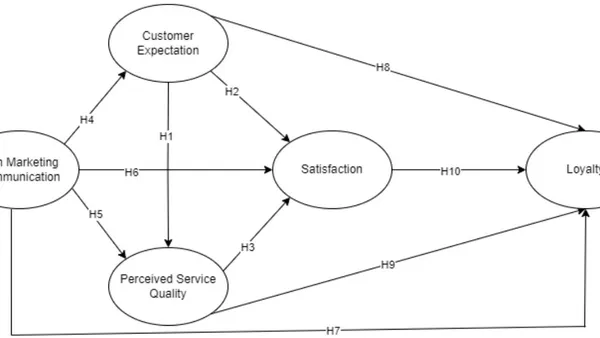
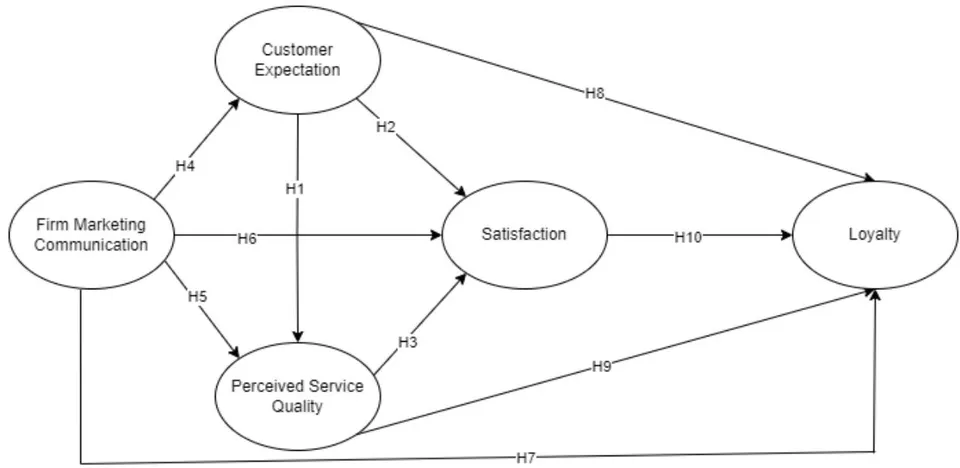
Figure 1 depicts the proposed research model, which comprises CL's antecedents and factors determining CS in fitness clubs. These factors include EXPs, PSQ, and FMC. All of these elements subsequently contribute to an increase in the loyalty of club members.
III. HYPOTHESES DEVELOPMENT
a) The Effect of Customer Expectation (EXP)
EXP is an essential aspect of service quality and is vital in determining CS and CL (Oliver, 1980; Olson & Dover, 1979). Knowing what the consumers expect is critical for developing successful marketing strategies (Anderson et al., 1994; Barros & Desbordes, 2009). Many factors generally influence EXPs in reality, including past use experiences, personal needs, expert opinion, word-of-mouth, and marketing campaign (Yeon et al., 2006). Fitness club members also expect amenities terms, e.g., modern and high-quality equipment, professional instructors, a clean environment, a variety of classes, affordable membership fees, and good customer service (Afthinos et al., 2005; Gonçalves et al., 2016; Robinson, 2006; Zeithaml et al., 1993). According to Parasuraman et al. (1988), EXP is a customer's belief or perception about what a product and service should offer. This means that consumers usually implement their stated expectations to determine whether the service is provided at an acceptable level of quality and satisfaction (Hu et al., 2010; O'Neill & Palmer, 2003;
Oliver, 2014; Parasuraman et al., 1994a; Robinson, 1999). However, current research suggests a conflicting characteristic of expectations (Habel et al., 2016; Ofir & Simonson, 2007). Contrary to the standard assumption, expectations are either confirmed or disconfirmed based on any discrepancy between expectations and service quality. Regarding the confirmation effect, EXP increases CS by providing ways to meet or exceed EXPs (Almsalam, 2014; CIZRELIOGULLARI et al., 2021; Ryker et al., 1997; Zhang & James, 2020). Inversely, as higher expectations are more challenging to meet, increasing EXPs tends to evoke disconfirmation and thus negatively influences satisfaction (Habel et al., 2016; Poister & Thomas, 2011) and loyalty (Rahman et al., 2017). To meet the growing demand for fitness clubs and stay fit and healthy, particularly after the Covid-19 pandemic (Chankuna & Sriboon, 2022), fitness clubs are diversifying their services by offering more specialized services tailored packages to meet EXPs better than competitors. Under this rivalry situation, the increasing popularity of fitness clubs is also driving up the competition in the industry (Zhai, 2021). As a result, firms start to follow niche marketing by customizing their service plan and communicating directly with their target customers, which ultimately increases customer service expectations (Alexandris et al., 2001). In these circumstances, the higher customer's expectations of the fitness services, the less likely it is that the customer's expectations are met or exceeded by the club's service quality (Habel et al., 2016). Considering the rivalry attitude of fitness firms in the Chinese fitness industry, the study proposes that customer expectations negatively affect satisfaction and loyalty. We derive this proposition from the literature on confirmation-disconfirmation (Ashfaq et al., 2019; Oliver, 1980). Thus, we developed the following relationships to explore the linkage from the Chinese fitness clubs market:
H1: EXP Positively Affects PSQ.
H2: EXP Negatively Affects CS.
H8: EXP Negatively Affects CL.
b) The Effect of Perceived Service Quality (PSQ)
The quality of service has long been perceived as one of the most important issues in marketing literature, as it is directly related to CS and business profitability (Xu et al., 2021). PSQ is an evaluation method in which customers rate the excellence of a service relative to their expectations (Brady & Cronin, 2001; Gronroos, 1984). Parasuraman et al. (1988) indicated this viewpoint, defining service quality as "a global judgment or attitude relating to the superiority of a service" (p. 16). The quality of a service depends on the customer's opinion of the service itself, the service's delivery, and the customer's overall experience with the service (Gronroos, 2000; Ko & Pastore, 2004; Zeithaml et al., 1996). A consumer's satisfaction with a service depends on how well it satisfies their expectations (CIZRELIOGULLARI et al., 2021). CS pioneered all novel endeavors (Parasuraman et al., 1994b). When consumers' perception of service exceeds their expectations, they will likely be satisfied with it (Hussain et al., 2015; Lee et al., 2011; Tsitskari et al., 2014a). In today's competitive and ever changing economic climate, businesses compete by distinguishing themselves through the quality of their services (Albayrak & Caber, 2014; Freitas & Lacerda, 2019). In marketing literature, numerous studies revealed that service quality is linked to several customer outcomes, including (Dias et al., 2019; Gonçalves et al., 2014; Javadein et al., 2008; Miranda et al., 2018; Yu et al., 2014). Levesque and McDougall (2000) contend that PSQ influences levels of satisfaction, which in turn determines future behavior intentions; they acknowledge a causal relationship between the two concepts (Afthanorhan et al., 2019; Alexandris et al., 2001; Pedragosa & Correia, 2009). Accordingly, Moreira and Silva (2016), the quality of service is crucial for satisfaction and word-of-mouth in health clubs. Zopiatis et al. (2017) found that hotel guests' ratings of their fitness centers and the friendliness of their personnel are significant contributors to their satisfaction with these services as a whole. Recent research by García-Fernández et al. (2018a) conducted a study on low-cost fitness centers in Spain, and research results revealed that PSQ has a positive link with CS and CL. As such, the following hypothesis is advanced.
H3. PSQ has a Positive Relationship with CS.
H9: PSQ has a Positive Relationship with CL.
c) The Effect of Firm Marketing Communication (FMC)
Previous research suggests that a firm's relationship with customers through FMC to share messages shapes customer perceptions in the markets (Morgan & Hunt, 1994). Communication is an interactive dialogue between the organization and its customers during the pre-selling, selling, consuming, and post-consuming stages (Sitepu et al., 2019). The evaluation of CS in a firm highly depends on how well its marketing communication meets receiver-specific needs and wants (Hänninen & Karjaluoto, 2017). Prior empirical research has revealed that CS and dissatisfaction with a brand, product, or service may affect subsequent consumer behavioral patterns (Agarwal & Kapoor, 2014). Satisfied customers always return to the firm, repurchase the product, and recommend it to others. Inversely, a customer who is not satisfied may file a complaint to the company. Dimyati (2015) conducted an empirical study on the IM3 user community in Jember Regency, and the study findings reveal that communication has a significant positive relationship with CS and loyalty. Similarly, Gaurav (2016) conducted a study on the automobile industry in India, and the research result shows that FMC, as a part of relationship marketing, helps to build CL. Recently, Fadila et al. (2022) also found that communication affects CL. In today's competitive world, organizations should deliver and maintain timely and trustworthy information in a person-to-person format to satisfy customers and build long-term relationships with them (Halimi et al., 2011; Naveed et al., 2017). However, customers will quickly move to competitor brands if they do not get the quality of service they want. Therefore, delivering quality service has become an essential strategy for survival and success in the market. Recently, Gakii and Murigi (2019) conducted a study on the mobile phone industry in Kenya, revealing that integrated marketing communication (IMC) significantly affects service quality. In addition, marketing literature suggests that employees and managers must understand better and respond to better customer expectations to improve their value delivery to the organization and, ultimately, the customers (Varey, 1995). Yeboah (2013)suggested that marketers take communication seriously to meet and exceed customer expectations in the ever-changing competitive landscape. Consequently, we can form the following hypotheses:
- H4: FMC Positively Affects EXP.
- H5: FMC Positively Affects PSQ.
- H6: FMC Positively Affects CS.
- H7: FMC Positively Affects CL.
d) The Linkage of Customer Satisfaction (CS) and Customer Loyalty (CL)
Many leisure and sports researchers have studied CL in the domain of health and gym activities (Bodet, 2008; Lee et al., 2010; Oliver, 2007). Some of these works contain theories from other academic fields, including buyer behavior, business behavior, sociology, and mental health (Lee et al., 2018; Yu & Dean, 2001). It is appropriate to argue that studying consumer satisfaction provides insight into consumer loyalty and buying behavior (Butcher et al., 2001). CS is widely accepted as a psychological state resulting from fulfilling pre-purchase customer expectations with the quality of service provider (Chiou & Droge, 2006). According to Hallowell et al. (1996), CS is defined as the customer's reaction to fulfilling expectations, i.e., the customer's evaluation of the service quality of the delivered items. When the level of service quality exceeds expectations, satisfaction is the result (Bolton & Lemon, 1999). Satisfied consumers are more likely to repurchase and recommend the service to their peers (Kim et al., 2009; Wang et al., 2023). Increasing the level of CS also increases consumer tolerance for higher prices, creating brands' images, and reduces the cost of acquiring new customers(Park & Kim, 2000). CL must encompass a positive attitude and a sense of commitment to the organization (Bowen & Shoemaker, 2003; Zeithaml et al., 1996). Prior empirical studies have assumed that CS significantly predicts repeat sales and loyalty (Bolton et al., 2000; Jones & Suh, 2000a; Kim et al., 2009; McDougall & Levesque, 2000). According to Oliver (1999), global satisfaction performs better than transactional satisfaction in predicting the effect on loyalty. Recognizing a positive relationship between satisfaction and repurchase intentions emphasizes the necessity of identifying and describing the variables that contribute to satisfaction (Jones & Suh, 2000b). accordingly, Macintosh (2007) claims that CS depends on the character of interpersonal relationships and customer-oriented employees. The study additionally established a link between satisfied customers and their company loyalty. Based on the above discussion, the following assumptions regarding the connection between satisfaction and loyalty in the fitness service market are proposed.
H10: CS Positively Affects CL.
IV. RESEARCH METHODOLOGY
a) Research Sample
The current study has sampled comprised fitness club members who had a membership in a fitness club. The study was conducted in China using a convenience sampling technique. For that, an online questionnaire was developed using a prominent website, namely www.wjx.cn. The targeted sample was approached through emails, We Chat, and We Chat groups collected from three fitness clubs of three well-known fitness cub chains. These institutes have around six thousand members in Dalian, China, and more than five hundred fifty branches nationwide. The original English items of the questionnaire were translated into Chinese through the translation and back-translation process with the assistance of two lab fallows and a marketing professor to ensure consistency in meaning (Leung et al., 2022). Before making the survey public, the questionnaires were distributed in English and Chinese (Latif et al., 2020) and comprised two sections. Initially, a pilot study was conducted through a questionnaire link, randomly selecting 50 fitness club members from a club database. After the necessary modification and changes of the questionnaire items, the survey was open from December-mid 2022 to January-mid 2023. All participants were anonymous and voluntary. A total of three hundred forty-five respondents participated in the study. We reviewed all responses and eliminated 30 of them with the same score. Due to missing data, 15 questionnaires were disregarded. Finally, 300 questionnaires were suitable for further investigation, with a response rate (Dabholkar et al., 1996).
| Subjects | Frequency | % |
| Gender | ||
| Male | 127 | 42.3 |
| Female | 173 | 57.7 |
| Age (years) | ||
| Young (18-44) | 165 | 55.0 |
| Middle-aged (45-59) | 110 | 36.7 |
| Old (≥60) | 25 | 8.3 |
| Marital status | ||
| Single | 190 | 63.3 |
| Married | 93 | 31.0 |
| Unwilling to disclose | 17 | 5.7 |
| Education | ||
| Below high school or below | 70 | 23.3 |
| Junior college | 93 | 31.0 |
| Bachelor's degree or above | 137 | 45.7 |
| Occupation | ||
| Student | 195 | 65.0 |
| Private employee | 56 | 18.7 |
| Government employee | 28 | 9.3 |
| Businessman | 21 | 7.0 |
| Monthly income | ||
| 1000 CNY or less | 9 | 3.0 |
| 1001 to 5000 CNY | 123 | 41.0 |
| 5001 to 8,000 CNY | 52 | 17.3 |
| 8,001 to 12,000 CNY | 84 | 28.0 |
| More than 12,000 CNY | 32 | 10.7 |
| Gym subscription | ||
| Less than 1 year | 24 | 8.0 |
| 1 - 2 years | 65 | 21.7 |
| 2 - 3 years | 110 | 36.7 |
| More than 3 years | 101 | 33.7 |
| Weekly Gym visits | ||
| 1-2 times a week | 61 | 20.3 |
| 3-4 times a week | 149 | 49.7 |
| ≥ 5 times a week | 90 | 30.0 |
b) Instruments of Measurement
To operationalize the conceptual model, items from earlier research were adjusted to reflect fitness club characteristics. The first portion of the questionnaire examined consumer perception of fitness clubs using a 7-point Likert scale from "1 = strongly disagree to 7 = strongly agree." Except satisfaction was rated on a 7-point Likert scale from "1 = strongly dissatisfied to 7 = strongly satisfied". In Appendix A, the items and sources of each variable are shown. The second part of the questionnaire includes the demographics of respondents, and fitness club usage experience and frequency, shown in Table 1. The mean age of the participants was 25.01 (SD = 4.83) years old, and females (173 replies, ) outnumbered males and unmarried (63.3%). The major education categories were junior college (31%) and university graduates (45.7%). Regarding occupation and monthly income, the majority (65.0%) are students, and 61.3% have a monthly income of 8000 CNY or less. Concerning fitness club membership and weekly use, 70.4% of them have at least two years of fitness use experience, and 21.7% have at least one year. Almost respondents (79.7%) show that they use fitness clubs at least three times a week.
V. DATA ANALYSIS AND RESULTS
Quantitative analysis was performed with IBM SPSS 25.0 and SmartPLS version 3.2.8. PLS-SEM was used because it is a reliable method for analyzing complex cause-effect relationships in marketing and management research (Bascle, 2008; Gudergan et al., 2008). Sample size and indication dispersion standards are also lax (Hair et al., 2017; Sarstedt et al., 2020). Anderson and Gerbing's two-stage analytic technique was used to evaluate this study's hypotheses (Anderson & Gerbing, 1988). The initial measurement model test verified the instrument's reliability and validity. The second stage estimated the study's hypothesized linkages using the structural model.
a) Measurement Model
The reliability of the elements was tested by Cronbach's alpha and Composite Reliability (CR). The Alpha and CR value of the construct should be at least 0.70 or higher(Hair Jr et al., 2006). At first, the whole sample was evaluated, and items with factor loadings under 0.70 were removed (Chin, 1998). Hair et al. (2019) state that factor loadings must be at least 0.50. Table 2 shows that all items have loadings of more than 0.70, ranging from 0.892 to 0.800. This study's alpha values vary from 0.903 to 0.825, and CRs values from 0.925 to 0.895. Moreover, the average variance extracted (AVE) value is higher than 0.50. It means that the constructs are clarified more than half of the variance in its measures on average. Generally, an AVE value higher than 0.50 is acceptable (Hair et al., 2010). This study's results are reliable since the AVE value varies from 0.672 to 0.776.
Discriminant validity examines the uniqueness of constructs (Henseler et al., 2015). The current study examined the Fornel-Larcker criterion and the Heterotrait and Monotrait (HTMT) ratio to investigate the discriminant validity. The cross-loadings of items are provided in Table 3. Discriminant validity is shown by all factor loadings greater than cross-loadings. According to Fornell and Larcker (1981), the discriminant validity of a construct may be determined by comparing the square roots of all AVE values to the relationships of the latent variable. Table 4 shows the strong discriminant validity by demonstrating that the square root of AVE for each item is greater than the sum of its correlations with the other factors. Table 5 shows that none of the HTMT scores were higher than 0.90.
Although discriminant validity was adequate, multicollinearity might be an issue. Thus, a variance inflation factor (VIF) test was performed to assess multicollinearity. All constructs had VIF values between 1.906 and 3.525, much lower than the criterion of 5 (Diamantopoulos & Winklhofer, 2001). Multicollinearity had not been an issue. A standardized root mean square residual (SRMR), normed-fit index (NFI), and Chi-Square were also used to assess the overall goodness-of-fit of the structural model. Hu and Bentler (1999) state that lowers SRMR values indicates increased goodness-of-fit. The SRMR value of the current study is 0.054, which is below the recommended cutoff limit (0.08) (Hu & Bentler, 1999). According to Bentler (1990), NFI should be between 0 and 1, with higher values suggesting a good model fit. The NFI score is 0.872, which is near 1 and acceptable (Bentler, 1990). The chi-Square value is 446.045, which exceeds the cutoff point (Sarstedt et al., 2020).
Because the samples were self-reported and obtained from a single source, Harman's single-factor test was used to exclude the possibility of common method bias (CMB) (Podsakoff et al., 2012). A single factor explained of the variance, just below the criterion. Thus, the results of this investigation indicate that CMB is not a major issue.
| Items | FL | α | CR | AVE | VIF |
| Customer expectation (EXP) | 0.903 | 0.925 | 0.672 | ||
| EXP1 | 0.843 | 2.54 | |||
| EXP2 | 0.818 | 2.139 | |||
| EXP3 | 0.822 | 2.245 | |||
| EXP4 | 0.815 | 2.157 | |||
| EXP5 | 0.800 | 2.013 | |||
| EXP6 | 0.822 | 2.166 | |||
| Perceived service quality (PSQ) | 0.843 | 0.895 | 0.680 | ||
| PSQ1 | 0.850 | 2.03 | |||
| PSQ2 | 0.827 | 1.917 | |||
| PSQ3 | 0.805 | 1.841 | |||
| PSQ4 | 0.816 | 1.772 | |||
| Firm Marketing Communication (FMC) | 0.825 | 0.895 | 0.740 | ||
| FLC1 | 0.839 | 1.824 | |||
| FLC 2 | 0.887 | 2.101 | |||
| FLC 3 | 0.854 | 1.775 | |||
| Customer satisfaction (CS) | 0.886 | 0.916 | 0.686 | ||
| CS1 | 0.857 | 2.528 | |||
| CS 2 | 0.835 | 2.077 | |||
| CS 3 | 0.823 | 2.095 | |||
| CS 4 | 0.812 | 1.999 | |||
| CS 5 | 0.814 | 2.009 | |||
| Customer loyalty (CL) | 0.857 | 0.912 | 0.776 | ||
| CL1 | 0.892 | 2.117 | |||
| CL2 | 0.873 | 2.174 | |||
| CL3 | 0.878 | 2.121 |
| Item | EXP | PSQ | FMC | CS | CL |
| EXP1 | 0.843 | 0.199 | 0.391 | -0.123 | -0.109 |
| EXP2 | 0.818 | 0.245 | 0.424 | -0.148 | -0.112 |
| EXP3 | 0.822 | 0.274 | 0.402 | -0.06 | -0.052 |
| EXP4 | 0.815 | 0.193 | 0.403 | -0.188 | -0.132 |
| EXP5 | 0.800 | 0.278 | 0.403 | -0.08 | -0.016 |
| EXP6 | 0.822 | 0.283 | 0.441 | -0.015 | 0.001 |
| PSQ1 | 0.198 | 0.850 | 0.298 | 0.33 | 0.356 |
| PSQ2 | 0.282 | 0.827 | 0.297 | 0.264 | 0.323 |
| PSQ3 | 0.296 | 0.805 | 0.33 | 0.22 | 0.272 |
| PSQ4 | 0.224 | 0.816 | 0.315 | 0.346 | 0.325 |
| FMC1 | 0.401 | 0.284 | 0.839 | 0.035 | 0.107 |
| FMC2 | 0.443 | 0.349 | 0.887 | 0.061 | 0.089 |
| FMC3 | 0.448 | 0.331 | 0.854 | 0.032 | 0.111 |
| CS1 | -0.1 | 0.253 | 0.02 | 0.857 | 0.388 |
| CS2 | -0.138 | 0.33 | 0.061 | 0.835 | 0.455 |
| CS3 | -0.135 | 0.261 | 0.015 | 0.823 | 0.409 |
| CS4 | -0.021 | 0.328 | 0.075 | 0.812 | 0.392 |
| CS5 | -0.113 | 0.29 | 0.033 | 0.814 | 0.394 |
| CL1 | -0.081 | 0.381 | 0.082 | 0.479 | 0.892 |
| CL2 | -0.063 | 0.305 | 0.156 | 0.387 | 0.873 |
| CL3 | -0.078 | 0.334 | 0.083 | 0.433 | 0.878 |
| Construct | CL | FMC | CE | PSQ | SAT |
| CL | 0.881 | ||||
| FMC | 0.119 | 0.86 | |||
| EXP | -0.085 | 0.502 | 0.82 | ||
| PSQ | 0.388 | 0.375 | 0.3 | 0.825 | |
| CS | 0.494 | 0.05 | -0.124 | 0.355 | 0.828 |
| CL | FMC | EXP | PSQ | |
| CL | ||||
| FMC | 0.145 | |||
| EXP | 0.104 | 0.58 | ||
| PSQ | 0.452 | 0.449 | 0.346 | |
| CS | 0.561 | 0.06 | 0.145 | 0.405 |
b) Assessment of Structural Model
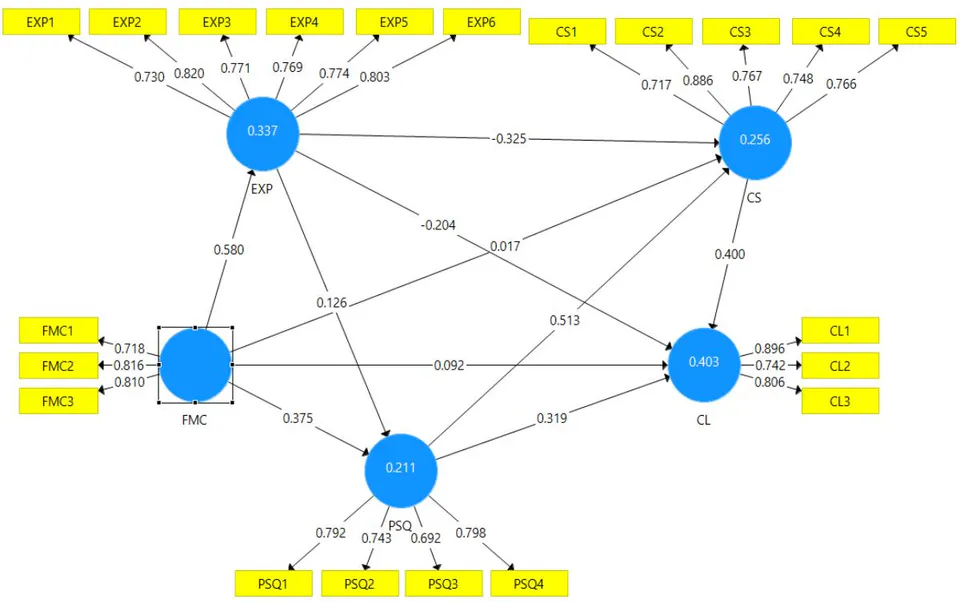
The structural model determines and evaluates the hypothesized underlying links between variables (Hair et al., 2017). The validity of the model was assessed using the path coefficients , the explanatory power (R2), the predictive relevance (Q2), and the effect size (f2). A bootstrapping method was utilized with a random sample of 5000 to determine whether or not the hypotheses were significant (Hair et al., 2012). First, direct relationships were tested. Figure 2 and Table 6 describe the significant direct relationships of all hypotheses, except for EXP PSQ ( , t= 1.28, p=0.201), FMC CS ( , t= 0.193, p=0.847), AND FMC CL ( , t= 1.294, p=0.196). Accordingly, H2 ( , t= 4.391), H3 ( , t= 7.154), H4 ( , t= 11.075), H5 ( , t= 4.231), H8 ( , t= 2.634), H9 ( , t= 3.871), and H10 ( , t= 5.129) are supported, and H1, H6 and H7 are not supported. H4 and H5 show a positive link between firm-level marketing communication (FMC) and customer expectation (EXP), and perceived service quality (PSQ). H2 and H8 indicate that EXP has a significant negative relationship with customer satisfaction (CS) and loyalty (CL) in the context of the fitness club industry in China. Additionally, H3 and H9 show that PSQ positively influences CS and CL. Furthermore, H10 establishes significant positive associations between CS and CL.
The suggested model explained of the variance in CS and of the variance in CL. Moreover, the value of Q2 for CS is 0.12 and 0.23 for CL. These outcomes demonstrate that the present research model has high predictive power (Hair Jr et al., 2014; Sarstedt et al., 2019). In addition, f2 is employed to evaluate the effect size of predictors. The f2 value of FMC is 0.106 for CL, 0.061 for CS, 0.507 for EXP, and 0.318 for PSQ. EXP has 0.221 and 0.288 values for CL and CS, respectively. PSQ has CL and CS scores of 0.278 and 0.387, respectively. CL has a CS of 0.295. The f2 value was ranked as small (0.02), moderate (0.15), and large (0.35) (Cohen, 1988). Overall, the yielded values are between moderate and substantial. None of the control variables was significant. With an SRMR of less than 0.08, it can be concluded that the proposed model provides a good fit (Hair et al., 2017).
Additionally, the current study evaluated the role of EXP, PSQ, and CS as mediators between FMC and CL (Nitzl et al., 2016; Zafar et al., 2021). Initially, the indirect effect of EXP on CL is evaluated. The yielded value is significant and partially mediated when , . Second, we evaluate the indirect impact of PSQ on CL. As , , the yielded value is statistically significant and partially mediated. Finally, the indirect effects of FMC on CL are evaluated. A significant relationship exists between FMC -> EXP -> CS -> CL ( , ) and FMC -> PSQ -> CS -> CL ( , ). The study also reveals that FMC has an insignificant direct effect on CL ( , ). Thus, FMC -> EXP -> CS -> CL and FMC -> PSQ -> CS -> CL are accepted with complementary partial mediation, as detailed in Table 6.
| Hypotheses Code | Structural Paths | Path Coefficients | T Statistics | P Values | Decisions |
| H1 | EXP -> PSQ | 0.126 | 1.28 | 0.201 | Unsupported |
| H2 | EXP -> CS | -0.325 | 4.391 | *** | Supported |
| H3 | PSQ -> CS | 0.513 | 7.154 | *** | Supported |
| H4 | FMC -> EXP | 0.58 | 11.075 | *** | Supported |
| H5 | FMC -> PSQ | 0.375 | 4.231 | *** | Supported |
| H6 | FMC -> CS | 0.017 | 0.193 | 0.847 | Unsupported |
| H7 | FMC -> CL | 0.092 | 1.294 | 0.196 | Unsupported |
| H8 | EXP -> CL | -0.204 | 2.634 | *** | Supported |
| H9 | PSQ -> CL | 0.319 | 3.871 | *** | Supported |
| H10 | CS -> CL | 0.4 | 5.129 | *** | Supported |
| Indirect Effects | |||||
| EXP -> CS -> CL | -0.13 | 3.441 | *** | Partial Mediation | |
| FMC -> EXP -> CS -> CL | -0.075 | 3.209 | *** | Complementary Full Mediation | |
| PSQ -> CS -> CL | 0.205 | 4.108 | *** | Partial Mediation | |
| FMC -> PSQ -> CS -> CL | 0.077 | 2.837 | *** | Complementary Full Mediation | |
| FMC -> EXP -> CL | -0.118 | 2.525 | *** | Full Mediation | |
| FMC -> PSQ -> CL | 0.12 | 2.877 | *** | Full Mediation | |
| FMC -> EXP -> CS | -0.189 | 3.998 | *** | Full Mediation | |
| FMC -> PSQ -> CS | 0.192 | 3.574 | *** | Full Mediation | |
VI. DISCUSSION AND IMPLICATIONS
a) Summary of Main Findings
In the current business climate, it is difficult for a fitness firm to stand out (Hu, 2004). To establish and maintain long-term customer connections, a firm must prioritize communication that caters to customers' needs and desires. This implies that for a fitness firm to be recognized and acknowledged by its stakeholders, it must continually communicate with its customers
instead of merely providing space, installing the latest gym services, offering attractive pricing, and making it accessible to its target markets (De Pelsmacker et al., 2007). Thus, fitness firms must communicate with current and potential customers to reach their goals and objectives. This paper aims to elucidate the beneficial effect of FMC of fitness clubs in China on CS and CL building in a competitive environment (Garcia-Fernandez et al., 2018b). The study explicitly investigates a hypothetical, theoretical model to demonstrate the empirical connection between FMC and EXP, PSQ, CS, and CL. The study found that communication significantly impacts customer expectations and perceived service quality, and these variables also play a critical mediatory role in the link between FMC and CL in the Chinese fitness market. As a result, the study demonstrates the efficacy of FMC strategies for fitness firms or clubs to understand better customer expectations and better responses in a constantly evolving environment. According to our knowledge, the current study is a pioneering effort that sheds light on relationship marketing and consumer buying behavior studies by empirically examining the beneficial effects of FMC on EXP, PSQ, CS, and CL building toward a fitness club in mainland China (Avourdiadou & Theodorakis, 2014; Pedragosa & Correia, 2009; Theodorakis et al., 2004).
Firstly, contrary to Hypothesis H1, the findings of this study indicate that customer expectations have no significant effect on the perception of service quality. This indicates no correlation between how consumers perceive a fitness club's service quality and their expectations. Extent research indicates that EXP and PSQ are separate variables (Robinson, 2006). Customers' expectations constantly evolve, resulting in a situation in which they continue to set higher standards. Regarding fitness club services, when customers' specific needs and desires are met, they must seek out high-quality, expensive products that give and place them in a higher social class and status. As the changing characteristics of expectations, current fitness club services become unimportant, and club members' expectations cannot identify PSQ (Habel et al., 2016).
Secondly, the study findings of Hypotheses H2 and H8 reveal that club member expectations may negatively affect their satisfaction and loyalty toward a fitness club in China. This means that CS and CL deteriorate when customer expectations increase with the influence of competitors' marketing communication. Although consumers have expectations in each encounter for the services, sentiments of satisfaction may also form (Tse & Wilton, 1988). CS results from customers' comparison of service quality with their prior established expectations. If customers' perception of service quality as lower (higher) than their expectations, customers may experience negative (positive) disconfirmation, leading to dissatisfaction (satisfaction) (Habel et al., 2016). According to information processing theory (Sujan et al., 1986), when customers are highly motivated and capable of evaluating service quality, increasing the expectations of customers in an organization may reduce satisfaction, subsequently decreasing loyalty. Expectations that lead to satisfaction consist of what consumers think the fitness-club industry must offer. When fitness firms deliver more information through communications, it may increase their attractiveness to customers and simultaneously increase members' expectations. Higher customer expectations are more challenging to meet and thus cause dissatisfaction. As a result, customer evaluations of fitness firms' products and services with high customer expectations become negative, which may subsequently impact CL toward the fitness club. These findings are consistent with prior literature by Rahman et al. (2017) and Tukiran et al. (2021).
Thirdly, Hypotheses H3 and H9 demonstrate that PSQ is significantly associated with CS and CL. This study presents a positive relationship between perceived service quality, satisfaction, and loyalty. Service quality is essential for the performance of the fitness business. Because customers play a critical role in the success or failure of businesses today and in the future, they are demanding quality and expecting to be given that quality. However, not all service providers can offer quality service to customers who have an opportunity to assess the quality given to them in comparison with their quality expectations. Meeting expectations and quality of service are two essential factors that make loyal customers who also determine the firm's competitiveness in the market. This study validated hypotheses H3 and H9, demonstrating that PSQ is a critical antecedent of CS and CL. The study's findings are consistent with prior literature Moreira and Silva (2016) and Coye (2004).
Fourthly, regarding firm-level marketing communication, the results report that Hypotheses H4 and H5 are significantly positively related to customer expectation and perceived service quality. In the fitness industry, numerous competitors exist in urban areas, and intense competition among themselves is also visible. Competitors' promotional activities increase customer knowledge which may help to create customer expectations (Peltier et al., 2006). Businesses make more effort to fulfill customer expectations by delivering superior services in a competitive environment. When customers receive desired services from organizations, they become more satisfied. However, in Hypotheses H6 and H7, the result shows that FMC is not significantly related to CS and CL. This result means that members' satisfaction and loyalty to fitness club does not directly depend on the fitness club's change level of communication (Dimyati, 2015). Firms must understand EXP and provide desired services to receive CS and CL to survive in today's competitive environment. Thus, high expectations are always tricky to fulfill and cause dissatisfaction. Considering it from an organizational context may reduce CL toward fitness clubs (Varey, 1995). These findings are consistent with prior literature by Frimpong (2017).
Fifthly, as hypothesized, the information in Hypothesis H10 shows that CS has a significant association with CL. This means that satisfaction is a critical precursor of CL (Osayawe Ehigie & Taylor, 2009). Organizations can only survive in the market if their customers are loyal. Satisfied customers are more likely to renew or continue their membership and recommend it to others (Holman, 2018). In fitness clubs, consumers can evaluate the service quality of fitness clubs before committing to membership. The greater the level of CS, the greater the degree of CL to a fitness club. This means that customers will remain loyal to their current fitness club despite the entry of new competitors offering new services. They will buy a membership card once again. Building CL is a source of competitive advantage and an essential intangible asset for any business (Gures et al., 2014).
b) Theoretical Implications
Our research results have both theoretical and practical significance. Theoretically, the results indicate that CS is essential in comprehending consumer loyalty (Alexandris & Palialia, 1999; Murray & Howat, 2002). Previous research has demonstrated a significant relationship between PSQ and CS, CL (Garcia-Fernandez et al., 2018a), and the current study demonstrates that service quality is the most influential factor in CL. However, incorporating consumer expectations into our model demonstrates the need for academicians to expand their analysis of this construct in fitness-club industry sectors. In addition, the research contributed to marketing communication theory in three distinct ways. First, the study discovered a significant positive correlation between FMC, EXP, and PSQ. Second, the study holistically examined the influence of FMC, EXP, and PSQ on CL toward a fitness club, concentrating on mainland Chinese fitness club members. Finally, the study demonstrates the role of EXP, PSQ, and CS as mediators in the relationship between FMC and CL.
c) Practical Implications
The present study reveals that, in order to thrive and endure in a competitive market, management must constantly be aware of the need to evaluate its FMC strategy. This is especially true for fitness-club managers. According to the study, communication impacts EXPs in such a way that demand grows, and communication is seen more favorably. In this regard, effectively managing consumer expectations is a significant managerial challenge (Habel et al., 2016). According to information theory (Sujan et al., 1986), management should elevate their expectations if consumers' ability and motivation to use the service are inadequate. In contrast, if customers are willing and motivated to review the service, managers should avoid creating unrealistic expectations, which might afflict CS. Secondly, the research outcomes indicate that communication improves PSQ, enhancing service quality from the client's perspective. Therefore, marketers do not need to worry about providing "information overload" to their clients, as the current study found that communications via accessible channels, such as advertising, social media marketing, or blogging, enhance PSQ. Finally, the study findings demonstrate that PSQ and CS mediate the relationship between FMC and CL. The study's findings indicate that existing members, regardless of their apparent personal traits, do not perceive the current state of fitness clubs as productive. The study recommends that managers construct their service operations as fluid and streamlined as feasible by providing discounted prices and free gym courses to acquire hands-on experience with all instruments.
VII. LIMITATIONS AND FUTURE RESEARCH
During the course of our investigation, we uncovered a number of limitations that will govern future investigations. In this study, we examined fitness clubs belonging to well-known franchised fitness club chains that have been functioning in mainland China for an extended period of time. The study's findings were based on information provided in a questionnaire completed by fitness club members in Dalian, China. As a result, the findings and conclusions may not be globally applicable and may be limited to Chinese franchised fitness club chains. In future research, more public and private fitness centers should be included. Other variables, such as perceived value and brand image, should also be included in the analysis. Our research concentrated significantly on marketing communication at the firm level. In future studies, it might be fascinating to classify the effectiveness of each variable under consideration. Our research focused heavily on firm-level marketing communication. In future investigations, it could interact to categorize the efficiency of each variable under consideration (Xu et al., 2021). Moreover, customer expectations have been assessed globally to assess their impact on global satisfaction and their link with CL. It would be interesting to disaggregate customer expectations into predictive and normative expectations and then test the effects and relationships they establish with global PSQ, CS, and CL by attributes. The phrase "predictive expectation" relates to consumer views about the degree of service that a business is likely to provide. These expectations are typically utilized as a service quality barometer against which CS is assessed (Churchill & Surprenant, 1982). The optimal quality of
services desired by consumers, also known as their expectations, is referred to as the normative expectation. The expectations and global satisfaction data gathered can explain members' loyalty to their fitness centers.
Appendix A
| Construct | Items | Source |
| Customer Expectation | 1. I believe that I will appreciate the fitness club as having modern equipment. |
I believe that I will enjoy the fitness club with various class exercises.
I believe that I would really like the available services to members.
I believe that the fitness club will be visually appealing.
I believe that the fitness club will pay attention to consumers individually.
I believe that the fitness club will handle customer problems immediately. (Gonçalves & Diniz, 2015; Habel et al., 2016; Thanabordeekij, 2017) Perceived Services Quality 1. I receive the fitness club services I expect.
The fitness service outcome meets my expectation.
The fitness club provides reliable service.
The quality of service provided by the club is outstanding. (Chang & Chelladurai, 2003) Firm Marketing Communication 1. I like the advertising and promotions of this brand.
I feel positive about the advertising and promotions of this brand.
The advertising and promotions of this brand do a good job. (Zehir et al., 2011) Customer Satisfaction 1. I am satisfied to have joined this fitness club.
Choosing this club was a good decision.
If I had to do it again, I would make the same choice.
The fitness club always fulfills my expectations.
My experiences with the fitness club are excellent. (Alexandris et al., 2004) Customer Loyalty 1. I have determined that I will renew and keep my membership in this fitness club.
I will recommend this club to a friend.
If I had to do it over again, I would make the same choice. (Bodet, 2008; Oh et al., 2011)
Declaration of Conflicting Interests
The author(s) declared no potential conflicts of interest concerning the research, authorship, and/or publication of this article.