There has been a drastic increase in the production and use of plastics today. Society has benefitted largely from the advent of plastics. They play a major role in our economic and social development encompassing every sector from health and food preservation, through to transportation and enhancing the digital age. Plastics have a life expectancy of many years before getting degraded or fragmented in to microplastics or nano-plastics which are easily ingested by aquatic species and eventually end-up in humans. The marine ecosystems and health of human population are severely impacted upon due to release of harmful chemicals from the latter. Moreover, since the movement of plastic wastes has no boundaries, plastic pollution is considered to a major threat to our planet. Countries around the world are having recourse to policy measures and economic instruments to counteract plastic pollution. Likewise, the Republic of Mauritius, with the main island in the south-west of the Indian Ocean, is not spared from the adverse effects of plastic pollution.
## I. INTRODUCTION AND BACKGROUND
Plastic is cheap, lightweight, strong, pliable, and long-lasting contributing to its widespread use around the globe. In 2018, 359 million tonnes of plastic were manufactured worldwide (Plastics Europe, 2019) which are intended to be used as disposable/single use products and packaging; hence they are quickly discarded (Thompson et al., 2009). Plastic waste can remain in the environment for decades. It is also easily transported by wind and water due to its low density, complicating plastic waste management.
Till now, recycling of plastics has been very insignificant (< 10%) compared to those produced (Geyer et al., 2017). Most of the plastic wastes (79%) end up in landfills or into the oceans, whereas, the remaining ones are incinerated (12%) (Geyer et al., 2017). In addition, most plastics cannot be recycled several times, resulting in the down cycling rather than recycling of plastics to come up with the same type of product again. On a yearly basis, it is estimated that 4.8 to 12.7 million tonnes of plastic wastes enter the oceans, being mismanaged (Jambeck et al., 2015). Other inland sources and sea sources account for another 75,000 to 1.1 million tonnes and 0.3 to 3.25 million tonnes of plastic waste, respectively (Sherrington et al., 2016). Land-based sources comprise the recreational activities along coastlines, littering by the population, industry, ports and mismanaged landfills and dumps situated close to the coast, sewage overflows, accidental loss and extreme events. Ocean-based sources of marine litter are related to commercial/recreational fishing, research and military vessels as well as offshore installations such as platforms and aquaculture sites.
The other parameters which are equally important to evaluate the amount and types of plastic wastes entering the marine environment are the ocean current patterns, climate and tides, the vicinity where human activities are taking place.
Eventually, all these plastic wastes end up in gyres such as the 'Great Pacific garbage patch' (Ryan et al., 2009). Ultraviolet (UV) radiation plays a key role in plastic degradation, and because UV light is absorbed rapidly by water, plastics generally take much longer to degrade at sea than on land (Andrady et al., 2003).
However, the rate of degradation depends on the ambient temperature as well as polymer type, additives and fillers (Andrady et al., 2003). Plastic wastes break down into micro- and nano-plastic pieces, causing severe disruption in marine ecosystems and coastal communities. It also has an adverse impact on ocean health, food safety and quality, coastal tourism, and contributes to climate change. It has been reported that there are 5 trillion pieces of plastic in the oceans, with a total mass of 250,000 tonnes (Eriksen et al., 2014). From this study the composition of marine plastic consists of $75.4\%$ macro-plastic, $11.4\%$ mesoplastic, $10.6\%$ large micro-plastics $(1.01 - 4.75\mathrm{mm})$ and $2.6\%$ small microplastics $(0.33 - 1.00\mathrm{mm})$. The estimate by Eriksen et al., (2014) of 35,540 tonnes of microplastics globally corroborates with a similar estimate for microplastics by Cozar et al., (2014) of between 7,000 and 35,000 metric tonnes. When ingested, microplastics could transfer persist and organic pollutants (POPs) to marine organisms, resulting in the subsequent bioaccumulation and biomagnifications of these compounds in the food chain. Globally, plastic kills about 100,000 marine mammals every year (Bowker, 1986).
Thousands of additives are involved in the manufacture of plastic products (Lithner et al., 2011). Polyvinylchloride (PVC) is the polymer having the most of additives, including heat stabilizers to maintain the polymer intact during synthesis, and plasticisers such as phthalates to introduce flexibility (Lithner et al., 2011). As a matter of fact, the manufactured PVC may consist of the highest percentage of the latter additives (ca $80\%$ (Buchta et al., 2005). As regards to polypropylene, a considerable amount of antioxidants and UV stabilisers are incorporated since this polymer is susceptible to oxidation (Pospišil et al., 2003). Other toxic chemicals that may be released from plastics are nonylphenol from polyolefins, brominated flame retardants from acrylonitrile-butadienestyrene (ABS) or urethane foam and bisphenol A (BPA) from polycarbonate. The rate at which these chemicals are leached from the polymers is influenced by several factors, namely the size and volatility of the additive, the migration of the polymer due to its permeability, and the temperature and pH of the surrounding matrix such as air, water, soil and body tissues (Pospišil et al., 2003).
Commonly used plastics are not prone to microbial degradation. Fragmentation and release of polymers from plastics are instead due to ultraviolet (UV) light, heat, mechanical and/or chemical abrasion (Andrady2015). Depolymerisation results from the breaking of chemical bonds along the polymer backbone (chain scission). Different polymers have different depolymeriation rates which depend on the environmental conditions such as temperature and oxygen (LaMantia 2002). Hence, it is very hard to evaluate the risks related to the exposure to plastics and their additives, given the enormous complexity and variability of the possible product combinations, their different applications and ultimate environmental distribution once thrown away. Plastic additives that are particularly harmful to human health, through the ingestion of micro-plastics via consumption of sea food, are phthalates, bisphenol A, brominated flame retardants, triclosan, bisphenone and organotins. These chemicals have the abilities to disrupt the endocrine system and also have carcinogenic properties.
Not only that marine litter is the root cause of the serious harm caused to the aquatic ecosystems and biodiversity, it also adversely impacts on the socioeconomic aspect of country. As a typical example, there has been the discovery of Ecteinascidin 743, an anticancer drug extracted from the Caribbean sea squirt (Fleming et al., 2006). It is very clear that there is still a great avenue to tap into the potential for biotechnology, bioprospecting and biomimicry and this harm to the marine ecosystems can severely undermine the quest for new nature-based solutions.
The other aspect of plastic waste is that it adds on to the economic loss through clean-up operations as well as loss of revenue from tourism and recreation activities. It can also lead to economic burdens on the shipping sector in terms of cleaning of fouled motors and 'ghost fishing' by lost and discarded nets. In view of this environmental crisis, marine litter has become a priority to tackle, being high on national, EU and global agendas. The United Nations Environment Assembly (UNEA-2) meeting in Nairobi in May 2016 came up with a high level resolution to tackle marine litter (UNEP 2016). The G7 meeting in Bonn in May 2015 has instigated member states to get firmly engaged to address plastic pollution. Target 14.1 of the 2030 Sustainable Development Goals refers to a drastic reduction of "marine pollution of all kinds, in particular from land-based activities, including marine debris" by 2025. In addition, the EU Water Framework Directive (60/2000/EC) and EU Marine Strategy Framework Directive (2008/56/EC) have already introduced measures to reduce pollution and marine litter respectively. With the development of the Circular Economy Action Plan, the European Commission is now fully engaged to "adopt a strategy on plastics in the circular economy, addressing issues such as recyclability, biodegradability, the presence of hazardous substances of concern in certain plastics, and marine litter" (COM/2015/0614).
## II. CIRCULAR ECONOMY
On a short-term basis, the immediate action to minimize marine litter is to improve the waste collection and management (Newman et al., 2015). In the long run, a more sustainable solution is to adopt the circular economy which inter-relates three major aspects namely environmental, social and economic. A number of indicators have been postulated to monitor the progress toward the goal of sustainable use of natural resources, such as intensity of material use, material input per unit of service, ecological rucksack and ecological footprint.
Circular economy is a principle that promotes intelligent use of raw materials by allowing them circulate in the economy as long as this is justified economically and environmentally. It is one of the sectors of corporate social responsibility (CSR). Circular economy is defined as a systems solution framework that tackles global challenges like climate change, biodiversity loss, waste, and pollution which include material reduction, design for end-of-life recyclability, green chemistry life-cycle analyses and the use of biobased feed stocks (Thompson et al., 2009).
### Phases of plastic production comprises of four steps:
a) The sourcing phase starts with the extraction of raw materials, namely hydrocarbons. Currently, $99\%$ hydrocarbons are obtained from fossil-based sources and $1\%$ derived from bio-based sources.
b) The chemical phase starts with the breaking down of hydrocarbons to feed stocks needed to produce polymers and chemicals of production of plastics c) The material phase starts with blending polymers and additives into primary plastics (pellets) and then manufacturing into final products d) The dematerialization phase starts at the products' end-of-life, when the plastics are either recycled (18
%), incinerated (24 %) or discarded into the environment (58 %).
Upcycling processes are better aligned with the Circular Economy model, which defends that the plastic waste is a valuable resource with the potential to be recirculated in a new material cycle, as shown in Figure 1 below:
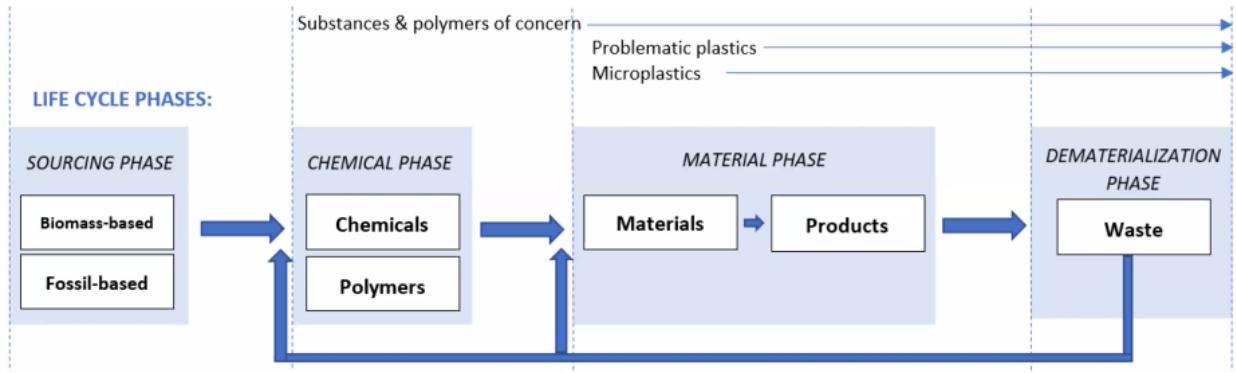 Figure 1: Plastic Waste Being Recycled
If focus lies in the downstream production of plastics, greenhouse gas emissions will still be significantly released. For greater carbon savings, upstream actions are urgently required to tackle the problem at its root. Examples of such actions are designing out waste, to avoid its generation and to reuse products. Also, recycling replaces raw materials at a much lower carbon cost and thus reduction in the emissions across the economy is achieved. To ensure the highest number of cycles, products, components and material should be kept at their highest utility and value (Weigend et al., 2020). However, this is not the case in the recycling business since upcycling processes are more complicated, and energy/resource-intensive.
Consequently, the environmental benefits of plastic upcycling are often put into question and down cycling methods are instead approved because of their lower complexity and costs, irrespective of the permanent and loss of quality.
The EU Action plan for the Circular Economy (COM/2015/614) has come up with the Strategy on 'Plastics in the Circular Economy'. The following circular economy tools can be adopted to retain plastic and its worth in the economy and out of the ocean:
- Extended Producer Responsibility: Use EPR to avoid certain types of marine litter, most notably single-use packaging items.
- Research into product design to facilitate reuse, repair, remanufacture and recycling, and complement this by providing more information on the plastic composition of products.
- Bans for unnecessary and damaging products or activities where viable substitutes exist - e.g. plastic
microbeads in cosmetics can be replaced by ground nut shells, marble particles or naturally-grown polymers, and plastic blasting in shipyards can be replaced by ultra-high pressure water jets.
- Improved legislation: Provide clear definitions of polymers, waste and secondary raw materials. Manufacturers need to design their products and packaging to fit into existing recycling systems.
- Economic incentives targeting consumption: Make greater use of economic incentives to make market signals part of the solution - i.e. ensure that plastic has a price and is therefore more widely recognised as a valuable resource - e.g. apply deposit-refunds to bottles, and charges/taxes to plastic bags, disposable cutlery, and other one-use items.
- Transparency and labelling: Improve transparency on the chemicals contained in plastics – to help with decisions on remanufacture and recycling. In addition, transparency on where personal care and cosmetic products do and/or do not contain plastics. Explore the implications for additives such as flame retardants, plasticisers, pigments, fillers, and stabilisers.
- Waste management measures: Invest in waste collection infrastructure and services (at ports), waste management infrastructure and wastewater treatment facilities to avoid dispersion of litter into the marine environment - particularly in coastal areas or near rivers.
- Awareness-raising: Raise awareness among consumers to improve waste disposal (littering and waste separation), and also better inform purchasing habits to increase demand for sustainable substitutes - e.g. cosmetic products not
containing microbeads (e.g. via Beat the Bead), multiuse bottles and bags, purchase of washing machines with filters.
In addition there are two further useful measures beyond the Action Plan
- Fishing for litter: combined incentives to encourage action, and develop new products from waste. While this is not the most cost-effective of solution (efforts higher up the hierarchy are preferable), it can create interesting branding opportunities for manufacturers, raise awareness and contribute to
reducing pressure on the marine environment in selective places.
- Improved implementation: In addition, there is a need for better implementation of existing legislation on the release of litter, from terrestrial sources and at sea - e.g. The MARPOL Convention, Waste Framework Directive, Directive on Port Reception Facilities, Water Framework Directive and, Marine Strategy Framework Directive.
In the action plan, opportunities to look closely at plastic pollution at all stages from production till disposal are elaborated below (Table 1).
Table 1: Opportunities in the EU Action Plan for Circular Economy
<table><tr><td>Section (pages of action plan)</td><td>Issue</td><td>Opportunity</td></tr><tr><td>Plastics (pp. 13-14)</td><td>Strategy on 'Plastics in the Circular Economy' (2017)-The Commission will adopt a strategy on plastics in the circular economy, addressing issues such as recyclability, biodegradability, the presence of hazardous substances of concern in certain plastics, and marine litter.</td><td>This is the main opportunity to ensure that circular economy measures to address marine litter are noted. Essential for stakeholders to contribute to the consultation and ensure key initiatives feature in the</td></tr><tr><td>Product Design (p.4)</td><td>Promote the reparability, upgradability, durability, and recyclability of products by developing product requirements in the Ecodesign Directive (2016 onwards)Create economic incentives for better product design through provisions on extended producer responsibility (COM/2015/595)</td><td>Offer upstream solutions that can reduce single-use or short life time products that could or are known to contribute to marine litter</td></tr><tr><td>Production processes (p.5)</td><td>Inclusion of guidance on best waste management and resource efficiency practices in industrial sectors in BREFs (e.g. Food Drink and Milk Industries; Production of Polymers; Surface Treatment of Metals and Plastics) (2016 onwards)</td><td>Key aspects here relate to the extent that plastics can be recycled, and the quality of recycled plastics. Exploring for example the impact of additives such as flameretardants.</td></tr><tr><td>Consumption (p.8)</td><td>Revised waste proposal will provide new rules which will encourage reuse activities (COM/2015/595).Possible use of Product Environmental Footprint to measure and communicate environmental</td><td>Engage and provide opportunities for behavioural change, which allow consumers to close the loop on plastics.</td></tr><tr><td>Waste management (pp.8-11)</td><td>Revised waste proposal: recycling 65% of municipal waste by 2030; recycling 75% of packaging waste by 2030; to reduce landfill to maximu of 10% of municipal waste by 2030; a ban on landfilling of separately collected waste; promotion of economic instruments to discourage landfilling; simplified and improved definitions and harmonised calculation methods</td><td>Improved recycling reduces the risk of waste becoming marine litter. Implementation of waste hierarchy, see Figure 2. Plastic is a formally recognised target area so relevant action easier to promote.</td></tr><tr><td>From waste to resource(p.13)</td><td>Develop quality standards for secondary raw Materials-in particular for plastics. Improve rules on 'end-of-waste'(2016onwards)Develop analysis on the interface between chemicals, products and waste legislation (2017)Develop the Raw Materials Information System</td><td>Provides an economic argument for closing the loop. There is a need to help develop the market by providing information, awareness and legal clarity.</td></tr><tr><td>Innovation, investment (pp. 18-20)</td><td>Horizon 2020 WP 2016-2017 - Industry in the Circular Economy, with funding of over EUR 650 million (Oct 2015 onwards) Pilot 'innovation deals' - to address regulatory obstacles to innovators (2016)
Step up action to mobilise stakeholders in the circular economy, as well as targeted outreach to develop circular economy projects through Cohesion policy funds....[inc.] are of plastic recycling (2016 onwards)
The global dimension of the circular economy and supply chains is prominent in areas such as</td><td>Can catalyse the development of the circular economy and hence keep plastic and its value in the economy.
Research objectives and knowledge gaps should also be considered.</td></tr><tr><td>Monitoring (p21)</td><td>Monitoring framework for the Circular Economy to be developed with the EEA (2017)</td><td>Monitoring of marine litter, and also level of plastic reuse and recycling will be helpful indicators of circular economy developments</td></tr><tr><td>SDGs (p 3) (p13)</td><td>This action plan will be instrumental in reaching the Sustainable Development Goals (SDGs) by 2030, in particular Goal 12 of ensuring sustainable consumption and production patterns. Specific action to reduce marine litter implementing the 2030 SDGs target p.13</td><td>The EU has made global commitments to addressing marine litter (which is a cross border issue) - engagement and collaboration internationally is important.</td></tr></table>
Furthermore, the roadmap for plastics, marine litter and circular economy is also laid out in the action plan which describes the roles of stakeholders concerned and their responsibilities. From the latter, it can be noted that this crisis can be addressed by engaging in public awareness campaigns about the adverse effects of marine plastic pollution, providing governments with tailored and specific knowledge on appropriate public policy measures, and capacity building and mobilizing a wide range of stakeholders from the private sector, the research community, NGOs, local authorities, and national governments. Women, youth, and coastal communities can also participate actively to bring the expected changes to an extent to make a difference. Tackling the problem of marine litter through circular economy not only offers clear benefits for the aquatic ecosystem, but also take into account the depletion of natural resources and climate change. It also has the potential to create jobs and to foster innovation and market creation (Ellen MacArthur Foundation, 2016). As a concrete example, a joint project based on circular economy initiatives involving South Africa, Mozambique and Kenya, Thailand and Viet Nam over three years 2017 to 2020 revealed that an appreciable reduction or diversion of plastic to the oceans had been achieved. In fact, more than 240,000 kg of plastic was denied from reaching the ocean in the five countries (Boucher et al. 2020). Moreover, the technical and financial support from the project provided capacity building to the grantee entities. This was noted in Kenya and they were able to invest in machinery for plastic crushing and processing. In Thailand, the circular economy initiative grantee, Jan and Oscar Foundation became the country's first entity to be awarded the Ocean Bound Plastic (OBP) certification. The OBP Certification Program was established by the NGO Zero Plastic Oceans together with the certification group Control Union to protectoceans from the continuous leakage of Ocean Bound Plastic (OBP) from land-based activities. The Program is intended to contribute significantly to the removal of OBP from the environment by adding value in effectively collecting and treating it before it reaches oceans.
The circular economy initiatives were also found to contribute significant towards poverty reduction and bestowing dignity of those engaged in the lowest rungs of the waste value chains, for example, waste pickers. In particular, the sponsored circular economy initiatives resulted in capacity development of community groups, and income generation for vulnerable women and youth through participation in the waste value chain, such as collection and recycling activities.
## III. RECYCLING
As mentioned above, plastic wastes can cause severe harm not only to the ecosystems, but also to the environment (Gall and Thompson, 2015) owing to the continuous production of virgin fossil- based plastics, leading to depletion of natural resources and excessive release of greenhouse gases during the production phase, the transport of materials and incineration of plastics as a disposal method. Without value retention, the value from plastics in terms of material and embodied energy is lost. With more recycling, less dependence on the natural resources can be attained while meeting raw material demand. At the same time, lesser emissions and pressure on the fragile ecosystems can be achieved (Ellen MacArthur Foundation, 2013). For plastic to become a circular material, the current recycling rate has to be increased drastically. Plastic packaging from municipal waste is most recycled, whereas plastic recycling from the construction, electronics and automotive industries needs to be improved (Consultic, 2012). Additionally, to ensure re-use in products, emphasis on the production of high quality recycled plastics has to be laid upon. (Hahladakis and Iacovidou, 2018). There exists a wide array of commercial and innovative recycling technologies for plastic recycling.
### Typical examples are:
- Clothes are made from synthetic materials. Microplastic fibres released in washing machine wastewater end up in wastewater streams. A plausible solution is to install a commercially available filter to trap these microfibers.
- Plastic Whale is a social company located in Amsterdam which has an exemplary way of taking care of plastic wastes. It would pick up those floating plastics along the canals. After sorting, PET bottles are recycled and the new materials obtained are used to make canal boats. Individuals, groups
and companies would then fish for plastics on the boats and the process is repeated to make more boats. Up to now, Plastic Whale has built seven boats from 35,000 bottles. This initiative plays a key role in creating awareness and stakeholders are fully engaged to counteract the marine litter problem.
- In 2015, two enterprises, Adidas Group and Parley for the Oceans, have joined hands on a long-term project to come up with measures against plastic pollution of the oceans. They are investing in research and innovation and at the same time they want to create awareness through education and communication. Part of the collaboration consists of creating innovative products from materials produced from plastic waste that would serve as fabrics for Adidas products (Ten Brink et al., 2016). Initiatives such as these can lower unemployment rate and create new markets for recycled plastics. They should, however, be considered as one aspect to bring a solution to the bigger problem since priority should be to prevent the generation of marine litter.
There is a general hierarchy available for plastic recycling, based upon the extent to which the polymer stays intact, which overlaps with the inner (material remains intact) and outer loops (material not intact) of the circular economy (Ellen MacArthur Foundation, 2017) which is depicted as follows (Figure 2):
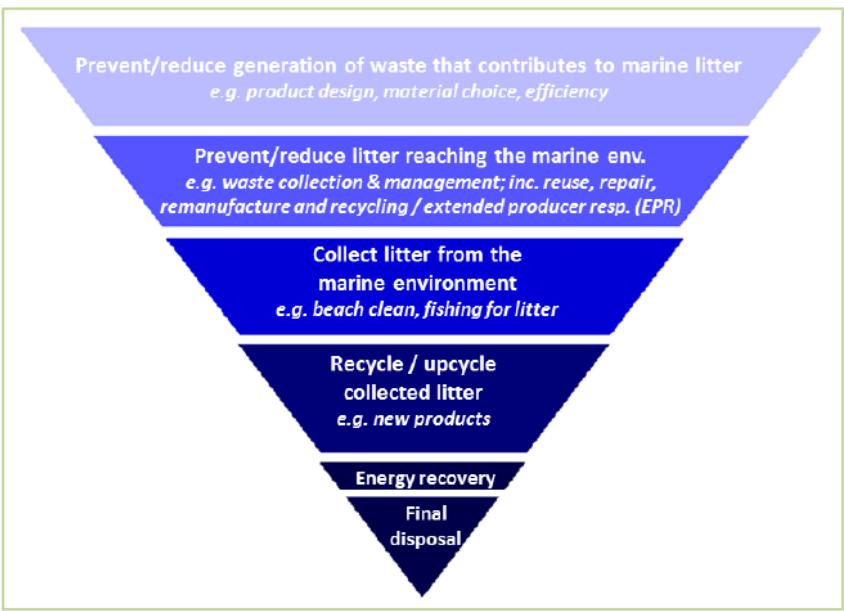 Figure 2: A Hierarchy for Marine Litter Management
From Figure 2, prevention of wastes should be highly encouraged. Most importantly, recycling relies on two features of segregation. The first is the concentration of different elements or materials within a product after mixing which can be determined through design for recyclability. The second is to sort out the wastes at the point of generation such that they are collected clean and uncontaminated by other waste streams.
The recycling technologies fall into four groups of the recycling hierarchy (Singh et al., 2017; Vollmer et al., 2020) namely
Primary recycling (most intact) or closed-loop recycling refers to the recycling process where the material can be recycled into products with similar properties, hence the plastic polymer is kept circulating in the same 'loop'. Primary recycling takes place for pre- and post-consumer (monostream) plastics. This process of recycling can only happen when plastics are not mixed with other interfering materials or polymers. Secondary recycling or open-loop recycling refers to the recycling process where the material can be recycled but the products are of lower quality than the virgin material, hence the latter are used as a lower value product and recycled in an 'open-loop'. Currently, most consumer plastic recycling follows this route. The plastic waste contains a significant amount of contamination due to presence of other chemicals such as additives. Tertiary recycling involves the conversion of plastic to feedstock and plastic to its initial monomer. In this case, the polymer is chemically modified, making sure that the valuable materials (feedstock, monomers) are being recovered. The polymer serves as a discarded material with the possibility of being converted into products such as syngas ($\mathrm{H}_{2}/\mathrm{CO}$ molar ratio of 2:1), waxes, diesel, new polymers. Quaternary recycling (least intact) or incineration of plastic material with energy recovery. During its incineration, there is recovery of energy as heat and electricity. The amount of heat and power depend on the calorific value (energy content) of the polymer and the efficiency of the waste-to-energy plant. Primary recycling offers the best avenue for recycling (inner loop) whereas quaternary recycling (outer loop) the least (Singh et al., 2017). Nowadays, mechanical recycling plays the most important role in plastic recycling, and is categorized as secondary recycling ('open-loop' recycling) where the plastic is down cycled to be only partially re-used for the same purpose due to quality reduction (Ragaert et al., 2017; Pard et al., 2016).
The quality and quantity recycling gaps is due to the collection of plastic waste in a mixed stream, having different polymers and even objects (metals, cardboard, rubber and so on). Furthermore, plastic products consist of about 30,000 chemicals, including multilayer material, copolymers, stickers, fillers and additives, which complicate the recycling process (Hopewell et al., 2009). However, there are alternative, innovative recycling technologies that address these shortcomings associated with the plastics from different waste streams. In particular, tertiary recycling allows plastic waste to be recycled to monomers or feed stocks with thermochemical methods (Vollmer et al., 2020). Chemical recycling options can also be considered; a process in volvingde polymerization where polymer bonds are broken through the use of chemicals, or dissolution with solvents while maintaining the polymer backbone (Vollmer et al., 2020). However, little is known in terms of the environmental impacts of these existing or innovative recycling technologies and consequently, it is difficult to determine which technologies are most appropriate in a circular economy.
## IV. LIFE CYCLE ASSESSMENT (LCA)
On the other hand, through Life Cycle Assessment or Life Cycle Analysis (LCA), the environmental impact of a product or technologies can be assessed over the course of its entire life. Life cycle management tools can contribute to the building up of a circular economy business model (Zinck et al., 2018; Avesani, 2020). Application of LCA in the circular economy has been comprehensively described in literature (Kambanou and Sakao 2020). It is reported that the adoption of LCA can indeed contribute towards sustainable policy making and determine which technological innovations can provide the best solution to improve sustainable businesses. LCA also serves as a method to find the optimum product, service, or other solution, at some point in time and in regards to specific environmental effects, such as carbon emissions.
Current LCA studies on plastic recycling are carried out to evaluate the positive environmental impact of a recycling technology against the present situation. The recycled polymers are termed as 'avoided virgin polymer' and are assigned a negative value as part of the environmental impact assessment, resulting in a 'positive' contribution (Guet al., 2017). However, like any tool, it has its drawbacks where misleading or contradictory outcomes can be generated, therefore can not validate a circular economy model. The reason is that only a single recycling technology is taken into account, or only a specific waste stream (packaging or municipal plastic waste) (Chen et al., 2019; Guet al., 2017). In addition, LCA studies can only be carried out with existing boundaries of waste stream on a short-term basis. System boundaries between polymers and recycling technologies involved in the LCA studies include polymer granulate production, recycling treatment impacts and avoided products. For a circular economy, systemic change needs to be considered which is on a long term basis. Other factors that should also be taken into account in these studies are product type, sector, and waste collection method. Thus, comparability cannot be achieved and eventually there is no possibility for scale up or to use the results in another context (Astrup et al., 2015). Also, LCA can often ignore impacts that pose a challenge to measure or less well understood, such as plastic in the environment or the long term effects of landfill runoff. Hence, one has to be cautious when applying Life Cycle Analysis.
Life Cycle Assessment also provides means to:
a) Investigate the Effects Of varying External Parameters
- Life Cycle Assessments can be used to study the effect of external parameters that might change between geographies or with time, in particular to the implementation of recycling industry or adoption of a latest technology. This can be achieved by modifying the input parameters of an LCA model.
b) Compare Similar Outcomes
- Results obtained from LCA are reliable as far as the other components of the system do not vary significantly. For instance, LCA could provide a good comparison of the carbon emissions of two different packaging material selections, given that the other components of the business model remain unchanged.
c) Apply LCA in Later Stages of Innovation
An LCA is most trustworthy when accurate and validated data are at hand and that there are not many unknown variables. Once the flow of materials and resources within the infrastructure is established, an LCA can be very powerful. Innovation stages include scaling up or improvement of an existing system. These stages would constitute the best time to perform LCAs. However, caution should be observed when applying LCA in the early stages of an innovation process.
## V. GOVERNING PLASTIC WASTE
Each governance context includes a multitude of actors, namely the governments, companies, NGO's, entrepreneurs, citizens and so on. Each actor has its own understanding of the problem, its own viewpoint on the social environment, its own opinion about what should happen, and its own interests at stake. In order to understand the role and position of these actors a very clear and comprehensive institutional framework within a particular context should be set up. This institutional framework shapes and coordinates the actions and interactions of the different actors. The institutions are the rules of the games that include for example policies, laws, plans, and rules of conduct.
These rules for example define which organizations are responsible for waste management or they regulate the production and use of particular plastic product. Designing and implementing policies and laws are important means to deal with plastic pollution, but it is also important to understand who is able to introduce new policies and to analyze how and if particular legislation is indeed enforced.
Governments also devise and enforce the institutional context in which markets are created and are operating. The importance and role of governments and their institutions can, however, hugely vary between countries and among sectors, issues and levels within a particular country. Some countries have implemented an elaborate set of policies and laws to manage waste and succeed fairly well in enforcing laws, while others lack resources or political will to do so. Some governments might be very active in stimulating economic growth, but largely ignore the environmental problems that come along. Some prefer steering by law, others via policies and planning, or through economic incentives. Some governments are more concerned with plastic pollution, while others think that this is an issue that should be solved by societies or businesses. And all this is subject to change over time. There is a wide choice of measures that are available to tackle plastic pollution which are research and development at the different stages of plastic production, policies (bans, EPR), direct investments (capacity building in terms of recycling and waste management systems), market-based instruments (deposit-refund schemes or product charges), awareness-raising initiatives (campaigns and mobile apps) and clean-up activities.
The choice of the most suitable measures can be achieved by the following:
- Identifying the problem; context and objectives
- Performing a risk assessment, to identify the nature of the risk and justify the action to be taken;
- Prioritizing the component(s) of the DPSIR model (Driver, Pressure, State or Impact)
- Designing the most suitable plan
Across all these stages, a mechanism has to be set up for consultation and communication, and a system to evaluate the risk and consequences of applying a particular measure.
Existing measures consist of:
- Extended Producer Responsibility approach by encouraging the producers, manufacturer brand owners and importers to follow the product throughout its entire life-cycle by adopting measures high in the hierarchy of waste management to be able to come up with products for reuse, recycling and materials reduction in terms of total mass and toxicity;
- Sustainable Procurement Policies to allow for the use of recycled plastic-made materials;
- Encouraging voluntary agreements with retailers and supermarkets to bring a decrease in the amount of plastic bags utilised and /or introducing plastic bag taxes
- Enforcement of laws in regards to mandatory Deposits, Return and Restoration System, especially
for beverage packaging such that the latter can be reused.
There are sixteen multilateral instruments which are very useful and they are grouped in four clusters:
- Binding instruments directly governing chemicals in plastics (Stockholm convention, Montreal Protocol, Minamata convention, Rotterdam Convention, ILO 170).
- Binding instruments directly governing aspects of life cycle of plastics (Basel convention, MARPOL Annex V, London convention, London Protocol).
- Binding framework agreements of relevance (UNCLOS, CBD, UNFCCC, Paris Agreement).
- Non-binding multilateral instruments of relevance to chemicals, wastes and plastics (UNEA, UNGA; Resolution 70/1 on the 2030 agenda, SAICM).
a) Characterizing Actors and Approaches: State, Market and Civil Society
Although state, market and civil society are in the first place different entities, it is important to realise that many organizations, approaches and governance structures have overlapping features. Furthermore state, market and civil society are strongly related and are exerting influence on each other, and the role and performance of either of them cannot be made clear without considering their common grounds towards each other. Creating a platform, for example a discussion forum, where these three entities can meet on a regular basis, will allow the identification of gaps and shortcomings in the current situation and to develop additional and novel approaches and instruments. A stakeholder analysis is a useful method to obtain further insights in the importance of particular actors and their role in managing plastic waste. Analyzing stakeholders is also useful for designing and selecting effective strategies through which various actors can be approached and stimulated to change their actions or decisions. The stakeholder analysis could for example be used to develop a communication strategy.
### b) Strategies for Change
The different actors concerned can launch campaigns to create awareness and drive political will, they can initiate clean-ups, conduct research and monitoring, establish new policies and laws or amend existing ones. The main goal of many strategies is to bring a change in the mindset of people at different levels such that actions can be easily undertaken.
Education and outreach are key to drive the chosen strategies. One can think of the need to raise awareness about plastic pollution among consumers and citizens and among public and private organizations, or of different ways in which civil society can be mobilized to protest and demand action. But raising awareness by itself will not be sufficient. Therefore there are other strategies that actors can carry through to realize new policies and different ways of producing, using and managing waste.
Most actions require the involvement of other actors, and sustainable solutions mainly emerge from a national/international network of actors. To achieve collective action one needs to convince other actors such as individuals or organizations, to join a network and collaborate to tackle plastic waste. Such collaboration needs to be initiated and a network of actors needs to be built and coordinated. Successful actions therefore not only require assembling teams and networks, but also managing them.
These different strategies to bring change can be categorised into four groups (Brouwer and Biermann 2011) which are attention- and support-seeking, linking, relational management and arena strategies. As mentioned above, whether particular strategies are useful and successful depends on the time and place in which they are deployed, and on how they are designed.
The '4Es' framework (Zamriet al., 2020) for designing initiatives to change people's behavior consists of four complementary elements which are Enable (make it easier), Engage (get people involved), Exemplify (lead by exemplify) and Encourage (give the right signals). To draw people's attention and to heighten their interest, it is essential for social instruments to take as a starting point the 'sense-making' of the citizens and their realities- their lives and surroundings. Information on its own is not enough to create the much needed and lasing change in people's mindset. Both information and instruction are required to work hand in hand to be able to get people actively involved. Adopting new ways of behavior should be highly encouraged without compromising their freedoms is a challenging task, with possible political implications.
Being versatile with social marketing will definitely help in the design of tangible activities from the array of social instruments. However, this is perhaps not the case in a waste management facility. This is the knowledge that engineers and public health officials in the field of waste management should acquire and is conceived from sociology, social psychology, evolutionary psychology, cognitive neurosciences, and other related fields that corporate marketing often employs for its commitments.
In addition, the general public can be made aware about the producer's involvement in an approved recovery scheme, such as the 'Green Dot' scheme for packaging, which has been devised and implemented in Germany (Rousso and Shah, 1994). The 'Green Dot' logo on packaging notifies that the producer is meant to pay a certain fee to the national organization for packaging recovery that has been imposed according to the European Packaging and Packaging Waste Directive 94/62 and the respective national law. It is noted that organizations in 28 countries have adopted the Green Dot as a financing scheme to promote the collection, sorting and recovery of thrown away (mainly household) packaging.
Many initiatives are taken by local action groups such as beach clean-ups or river shores. But also business and governments throughout the world are taking actions, at local, national, regional or global level. Tackling the problem of plastic wastes requires coordination of policies and practices at sea, along the coast, in riverine systems and on land. The design and implementation of effective, efficient and legitimate actions and strategies should be based on a thorough understanding of the governance context that one aims to change (Van Assche et al., 2014). Understanding the different perspectives of the actors involved is key to get them fully engaged. Furthermore it is important to know that policies and legal institutions to prevent pollutions are more successful in one context than in another for example because of different enforcement mechanisms (Carmen et al., 2015). Still, successful approaches in one place can be inspirational to initiatives elsewhere.
For example, the introduction of a tax in 2002 on plastic bags in Ireland triggered similar initiatives in other countries (Madara et al., 2016). On the other hand new policies and laws can inspire local initiatives, companies, and scientists to tackle the plastic issue by, for example, developing sustainable products and processes. Companies can be inspirational by showing that sustainable products and production processes are feasible and can persuade governments to address the need of collaborative action. Governments can facilitate local actions, introduce policies, laws and plans, improve waste management systems, stimulate enterprises to produce in more environmentally responsible ways, and finance scientific research that improves our understanding of the problem and that helps to develop sustainable solutions.
## VI. WHERE DOES MAURITIUS STAND?
Mauritius Island is situated in the south-west of the Indian Ocean and is a famous tourist destination. The land area of the island is about $1865\mathrm{km}^2$ with a population of about 1.2 million (Statistics Mauritius 2021). In Mauritius, waste segregation at source is not a common practice and therefore household and commercial wastes are disposed of without being segregated. The wastes are collected regularly at least once weekly by the local authorities which are dumped at Mare Chicose, the only sanitary landfill site. However, in 2021, the government has built its first facility where wastes get segregated into electronic wastes, green waste, plastic wastes and glass.
In 2020, about 75,000 tonnes of plastic wastes were generated (SM 2021a), corresponding to $14.5\%$ of the yearly municipal waste. It is noteworthy that there had been an appreciable increase in municipal wastes from $8\%$ in 2000 to $14.5\%$ in 2020, following the discard of single- use plastic products. The different types of plastic polymers present in the plastic waste in Mauritius include high- density polyethylene (HDPE), polyethylene terephthalate (PET), low- density polyethylene (LDPE) and polystyrene (PS).Plastic recycling is still at its infancy stage. In 2020, only 3000 tonnes of plastic were recycled(SM 2021a), mostly PET bottles.
### a) Actions Taken to Tackle Plastic Pollution In Mauritius
The Government of Mauritius came up with some regulations/incentives to reduce the use of plastics, especially for single use plastic products and PET bottles, with the following chronological order:
- Enforcement of the Environment Protection Regulations 2004 with the goal to forbid production and import of non-degradable plastic bags with gussets and handles with a wall thickness of less than 20 microns.
- An excise duty was imposed on plastic bags with gusset and handles in 2006 to cut down the proliferation of plastic bags
- Doubling of excise duty in 2010 to urge users to instead use thicker and reusable bags
- Enforcement of Environment Protection Regulations 2015 to prevent the use of plastic bags with or without gussets and handles
- Enforcement of Environment Protection Regulations 2020 for Hyper-markets and commercial centres to have recourse only to biodegradable bags
- Promulgation of Environment Protection Regulations 2020 was imposed on restaurants, snacks, supermarkets and hotels to make use of biodegradable products derived from plant-based materials such as starch from corn/potatoes, bagasse, palm leaves and poly lactic acid
Despite these measures, importers and local manufacturers were freely distributing nonbiodegradable plastic bags without handles to sell their products, leading to an increase in the consumption of these plastic bags. It was only, in 2020, when the government brought into force of the Environment Protection (Banning of plastic bags) Regulations 2020 that the measures were taken seriously since fines and even imprisonment would be imposed. The regulations prohibit the use, import, production, sale and distribution of petroleum-based plastic bags, except when authorised. As it stands, ten single-use plastic products such as cups, spoons, forks, knives, straws, bowl, trays, hinged containers, stirrers and lids/covers have been prohibited. Possession of any of the latter is illegal, and the offender is liable to pay a fine and can even get sentenced in court.
Despite these regulations, it can be observed that small enterprises like shops are still making use of the prohibited plastic bags. The latter are acquired from an illegal network of providers which is hard to track down through the existing enforcement actions. It was also noted that there are even fake biodegradable plastic bags that are being distributed and/or sold. On the other hand, industries dealing with milk products and those requiring modified atmosphere packaging (MAP packaging) are against the substitutes being provided for their current plastic products since they do not meet their requirements. They have thus requested an additional moratorium period (up to 2023) to be in line with the regulations.
Besides regulations, Mauritius, though it is not involved in the manufacture of plastics, has to invest in research and innovation to address plastic pollution. The immediate challenges are to identify the point/ /nonpoint sources of pollution. Carrying out LCA would definitely lead to a better understanding of the plastic life cycle under varying conditions. In the plastic industry, sustainability should be the key issue to take into account at all cost. One such avenue is to abide by standards such as the Reporting Initiatives (GRI) (GRI 2021), and the Green Globe sustainability certification (Ásványi, 2021). The latter encourage the use of sustainable products and deal with important sectors such as tourism and manufacturing to become not only profitable, but also environmentally-friendly.
To promote circularity of plastics in Mauritius value chains from manufacture to end users have to be studied. Currently, the flow of plastics in Mauritius is linear, from cradle to grave approach. However, it is imperative to develop a roadmap where circular economy together with LCA, Environmental Life Cycle Costing and Social Life Cycle Assessment are involved in order to be in a better position to further tackle (micro)plastic pollution. In addition, a mix of instruments should be considered and in parallel, there should be an aggressive campaign against the use of plastics at all levels of the society.
Authors' Contributions
Boodhoo K is the sole contributor to this review paper.
Financial Support and Sponsorship None
Conflicts of Interest
All authors declared that there are no conflicts of interest.
Generating HTML Viewer...
References
47 Cites in Article
Anthony Andrady,Halim Hamid,Ayako Torikai (2003). Effects of climate change and UV-B on materials.
(2015). Andrady A Persistence of plastic litter in the oceans Marine anthropogenic litter.
Thomas Astrup,Davide Tonini,Roberto Turconi,Alessio Boldrin (2015). Life cycle assessment of thermal Waste-to-Energy technologies: Review and recommendations.
Marta Avesani,Sustainability (2020). Sustainability, sustainable development, and business sustainability.
J Boucher,A Paruta,M Pucino,A Bouchet,M Zgola (2020). Plastic Pollution Hot spotting and Shaping Action: Regional Results from Eastern and Southern Africa, the Mediterranean, and Southeast Asia International Union for Conservation of Nature and Natural Resources.
M Bowker (1986). A Rapid Estimate of Cylas formicarius(F.) Adults caught in Pheromone Trap.
S Brouwer,F Biermann (2011). Towards adaptive management: examining the strategies of policy entrepreneurs in Dutch water management.
Christoph Buchta,Claudia Bittner,Harald Heinzl,Paul Höcker,Maria Macher,Matthias Mayerhofer,Rainer Schmid,Christoph Seger,Markus Dettke (2005). Transfusion‐related exposure to the plasticizer di(2‐ethylhexyl)phthalate in patients receiving plateletpheresis concentrates.
V Carman,N Machain,C Campagna (2015). Legal and institutional tools to mitigate plastic pollution affecting marine species: Argentina as a case study.
Yuedong Chen,Zhaojie Cui,Xiaowei Cui,Wei Liu,Xinlei Wang,Xinxin Li,Shouxiu Li (2019). Life cycle assessment of end-of-life treatments of waste plastics in China.
(2012). Consultic Port-consumer plastic waste management in European countries Consult.
Andrés Cózar,Fidel Echevarría,J González-Gordillo,Xabier Irigoien,Bárbara Úbeda,Santiago Hernández-León,Álvaro Palma,Sandra Navarro,Juan García-De-Lomas,Andrea Ruiz,María Fernández-De-Puelles,Carlos Duarte (2014). Plastic debris in the open ocean.
Ellen Macarthur,Foundation (2013). Towards the circular economy; Economic and business rationale for an accelerated transition.
Ellen Macarthur,Foundation (2017). A circular economy for plastic in which it never becomes waste New Plastics Economy.
Marcus Eriksen,Laurent Lebreton,Henry Carson,Martin Thiel,Charles Moore,Jose Borerro,Francois Galgani,Peter Ryan,Julia Reisser (2014). Plastic Pollution in the World's Oceans: More than 5 Trillion Plastic Pieces Weighing over 250,000 Tons Afloat at Sea.
L Fleming,K Broad,A Clement,E Dewailly,S Elmir,A Knap,S Pomponi,S Smith,H Solo Gabriele,P Walsh (2006). Oceans and human health: Emerging public health risks in the marine environment.
S Gall,R Thompson (2015). The impact of debris on marine life.
Roland Geyer,Jenna Jambeck,Kara Law (2017). Production, use, and fate of all plastics ever made.
K Ásványi,Green (2021). Globe Certification Encyclopedia of Sustainable Management Cham.
Gri Gr Initiatives,Gri (2021). Unknown Title.
Fu Gu,Jianfeng Guo,Wujie Zhang,Peter Summers,Philip Hall (2017). From waste plastics to industrial raw materials: A life cycle assessment of mechanical plastic recycling practice based on a real-world case study.
John Hahladakis,Eleni Iacovidou (2018). Closing the loop on plastic packaging materials: What is quality and how does it affect their circularity?.
Jefferson Hopewell,Robert Dvorak,Edward Kosior (2009). Plastics recycling: challenges and opportunities.
Jenna Jambeck,Roland Geyer,Chris Wilcox,Theodore Siegler,Miriam Perryman,Anthony Andrady,Ramani Narayan,Kara Law (2015). Plastic waste inputs from land into the ocean.
Marianna Kambanou,Tomohiko Sakao (2020). Using life cycle costing (LCC) to select circular measures: A discussion and practical approach.
S Kemmlein,D Herzke (2009). Law RJ Brominated flame retardants in the European chemicals policy of REACH-Regulation and determination in materials.
La Mantia (2002). F Handbook of plastics recycling.
Delilah Lithner,Åke Larsson,Göran Dave (2011). Environmental and health hazard ranking and assessment of plastic polymers based on chemical composition.
D Madara,S Namango,C Wetaka (2016). Consumer-perception on polyethylene-shoppingbags.
D Ness (2017). Xing K Toward a Resource-Efficient Built Environment: A Literature Review and Conceptual Model.
Stephanie Newman,Emma Watkins,Andrew Farmer,Patrick Brink,Jean-Pierre Schweitzer (2015). The Economics of Marine Litter.
J Pospı́šil,Z Horák,J Pilař,N Billingham,H Zweifel,S Nešpůrek (2003). Influence of testing conditions on the performance and durability of polymer stabilisers in thermal oxidation.
Peter Ryan,Charles Moore,Jan Van Franeker,Coleen Moloney (2009). Monitoring the abundance of plastic debris in the marine environment.
C Sherrington,C Darrah,S Hann,G Cole,M Corbin (2016). Study to support the development of measures to combat a range of marine litter sources Report for European Commission DG Environment.
K Ragaert,L Delva,K Van Geem (2017). Mechanical and chemical recycling of solid plastic waste.
A Rousso,S Shah (1994). Packaging taxes and recycling incentives: the German green dot program.
R Sheppard,T Gilman,L Neufeld,F Stassen (2016). The new plastics economy: the new plastics economy -rethinking the future of plastics.
Narinder Singh,David Hui,Rupinder Singh,Ips Ahuja,Luciano Feo,Fernando Fraternali (2017). Recycling of plastic solid waste: A state of art review and future applications.
Sm (2020). Water: Water made available for use (Edition 2020).
Sm (2020). Revenue Statistics in Africa: Mauritius (Edition 2021).
Ten Brink,P Schweitzer,J P Watkins,E Howe,M (2016). Plastics marine litter and the circular economy A briefing by IEEP for the MAVA Foundation.
R Thompson,C Moore,Fsv Saal,Swan,Sh (2009). Plastics, the environment and human health: current consensus and future trends.
(2016). The State of Implementation of the Programme of Work on Marine and Coastal Biodiversity under the Convention on Biological Diversity from the Perspective of the Convention Secretariat.
Kristof Van Assche,Raoul Beunen,Martijn Duineveld (2014). Formal/Informal Dialectics and the Self-Transformation of Spatial Planning Systems.
Ina Vollmer,Michael Jenks,Mark Roelands,Robin White,Toon Van Harmelen,Paul De Wild,Gerard Van Der Laan,Florian Meirer,Jos Keurentjes,Bert Weckhuysen (2019). Beyond Mechanical Recycling: Giving New Life to Plastic Waste.
R Weigend,F Pomponi,K Webster,D 'amico,B (2020). The future of the circular economy and the circular economy of the future Built Environment Project and.
No ethics committee approval was required for this article type.
Data Availability
Not applicable for this article.
How to Cite This Article
Kishore Boodhoo. 2026. \u201cHolistic Approach to Tackle (micro)Plastic Pollution: The Case of Mauritius\u201d. Global Journal of Science Frontier Research - H: Environment & Environmental geology GJSFR-H Volume 23 (GJSFR Volume 23 Issue H1): .
Explore published articles in an immersive Augmented Reality environment. Our platform converts research papers into interactive 3D books, allowing readers to view and interact with content using AR and VR compatible devices.
Your published article is automatically converted into a realistic 3D book. Flip through pages and read research papers in a more engaging and interactive format.
There has been a drastic increase in the production and use of plastics today. Society has benefitted largely from the advent of plastics. They play a major role in our economic and social development encompassing every sector from health and food preservation, through to transportation and enhancing the digital age. Plastics have a life expectancy of many years before getting degraded or fragmented in to microplastics or nano-plastics which are easily ingested by aquatic species and eventually end-up in humans. The marine ecosystems and health of human population are severely impacted upon due to release of harmful chemicals from the latter. Moreover, since the movement of plastic wastes has no boundaries, plastic pollution is considered to a major threat to our planet. Countries around the world are having recourse to policy measures and economic instruments to counteract plastic pollution. Likewise, the Republic of Mauritius, with the main island in the south-west of the Indian Ocean, is not spared from the adverse effects of plastic pollution.
Our website is actively being updated, and changes may occur frequently. Please clear your browser cache if needed. For feedback or error reporting, please email [email protected]
Thank you for connecting with us. We will respond to you shortly.