## I. INTRODUCTION
The Industrialization is a very essential step for the economic development of countries, it consists of developing a diversified industrial base, capable of producing manufactured goods with high added value and creating jobs for the population.
Abidjan, the second largest city in West Africa, is a hub of industry and commerce in Côte d'lvoire. Since Côte d'lvoire gained independence, Ivorian political authorities have made industrialization one of their major concerns. Indeed, the Ivorian government, in its development policy, has established a veritable industrial fabric based on the development of agricultural and forestry resources for their local processing. (Coulibaly Aboubakar et al 2022)
Abidjan, the economic capital of Côte d'lvoire, is experiencing rapid industrial development in two stages, from 1960 to 1970 and from 1970 to 1980 (SETTIE,
1997). This development has contributed considerably to its economic growth. The city of Abidjan alone accounts for $70\%$ of the country's industries and $60\%$ of jobs in the modern sector. (Coulibaly Aboubakar et al 2022).
Its geographical location, located on the Ébrié Lagoon, makes this area a rich aquatic ecosystem. However, rapid population growth and industrial expansion have exacerbated the pollution of waterways. This pollution generated by these various factors directly impacts water quality, the aquatic ecosystem, and the health of local and surrounding populations.
Industrial companies located around the Ébrié Lagoon, including chemical, textile, agri-food, and petrochemical plants, often dump their production waste into the lagoon without proper prior treatment. This environmental situation leads to a progressive degradation of the aquatic environment, thus endangering biodiversity and human life.
## II. METHODOLOGY
# a) The Framework of the Study
Located in the Grands Ponts region in the southeast of Ivory Coast, the autonomous district of Abidjan has become a decentralized entity since 2011. It covers an area of $2,119\mathrm{km}^2$ and is made up of the ten communes of the former city of Abidjan, to which the sub-prefectures of Songon, Bingerville, and Anyama have been added since 2001.
Abidjan did not exist at the beginning of the 20th century. In 1950, it had just passed the threshold of 50,000 inhabitants (end of 1948). To reach one million inhabitants by the end of 1975, it had to grow by 10 to $12\%$ per year, which corresponds to a doubling every six or seven years. But the curve abruptly changed with the crisis of the 1980s.
It can be assumed that, in the last twenty years of the century, Abidjan's population growth rate will have fluctuated in a range of 3 to $6\%$. Natural growth has taken precedence over migratory inflows. Flows remain substantial, but departures partly offset arrivals. Positive migratory flows brought, in the year preceding the 1988 census, 80,000 people, of whom 50,000 came from the Ivorian regions and 30,000 from abroad. From Côte d'lvoire came mainly Akans (southeast, $48\%$ ), then
Mandé (northwest, 24%) and Krou (southwest, 20%). From abroad arrived Burkinabé (30%), Malians (22%), Ghanaians (19%), Nigerians (11%), and Guineans (9%). These statistics refer to the entire nation, not to Abidjan. Among non-Africans, the Lebanese outnumber Europeans, and the French outnumber all other Europeans combined. All together, non-Africans represented just 3% of Abidjan's population before the June 8, 2004, white-dominated hunt, but it was still a record for the region.
A census of the country's population was conducted in 1998. It indicated 2,877,948 inhabitants for the city. Figures for 2006 estimate the population of Abidjan at 3,796,677 inhabitants. In 2006, the Abidjan metropolitan area had 5,060,858 inhabitants. This population increase is mainly due to war displaced persons since the events of September 2002. The city welcomes many inhabitants looking for both jobs and safer accommodation. A new census was conducted in 2008.
According to the 2014 census conducted by the National Institute of Statistics, Abidjan's total population was 4,395,243. This figure has increased over a seven-year period. According to the latest Ivorian general population census of 2021, Abidjan's population is estimated at 6,321,017.
# b) The Environmental Framework of the Study
Abidjan benefits from its openness to the Atlantic Ocean and a dense hydrographic network, marked by the presence of the Ébrié Lagoon, which crosses several of the city's municipalities. However, due to industrial waste and the use of toxic products for fishing, the Ébrié Lagoon is increasingly polluted. Algae and other aquatic plants are now proliferating. According to Côte d'lvoire's 2009 Poverty Reduction Strategy Paper, Abidjan's industries emit 70 tons of sulfur dioxide, 21 tons of nitrogen oxide, and 12 tons of toxic dust daily. This report also highlights that vehicles contribute to the city's pollution by producing just over 6 tons of sulfur dioxide, 22 tons of nitrogen oxide, and 15 tons of toxic dust per day.
In 2022, plastic waste production was 40,000 to 100,000 tons per year and only 5 to $20\%$ of this waste was recycled while the rest of the waste is dumped in the streets or in waterways. (CIAPOL 2022). This situation represents a health and environmental obstacle.
Furthermore, the lack of sanitation and wastewater disposal systems has an impact on the quality of the environment, the living environment, and the health of the population. Indeed, a morbidity analysis indicates that diseases linked to an unhealthy environment, such as malaria, acute respiratory infections, and diarrhea, are the most recurrent in the municipalities. In Abidjan, children under five years of age constitute the most vulnerable segment of the population. The incidence of malaria in 2009 was 239.52 per 1,000 children, which is above the national average (222.13 per 1,000 children). The incidence of diarrhea for the same year was 76.61 per 1,000, compared to an incidence of 44.54 per 1,000 at the national level. The incidence of acute respiratory infections was 151.15 per 1000, which is higher than the national average of 87.45 per 1000.
### c) Data and Methods
The search for information for the realization of our research work, led us to the central library of the Felix Houphouët Boigny University of Cocody, to the National Institute of Statistics (INS) for the consultation of documents such as master's dissertations, theses. Also we used digital platforms such as Google, Google scholar, HAL SHS, to consult journals, methodological works, specific, study reports, courses related to the phenomenon studied.
The documentary research and the first field survey allowed us to construct the object of study (the problem), to lay the methodological and theoretical bases of this, and even to circumscribe the work.
Beyond the role of documentary research in developing the theoretical framework, understanding the phenomenon studied could not be based solely on documentary research. We therefore had to carry out fieldwork, which consisted of visiting the populations concerned by our study to observe the manifestation of the social fact and collect data.
The investigation for this study was carried out in two phases, namely the exploratory investigation and the definitive investigation, the field investigation itself.
- The exploratory survey, is the phase of making contact and getting to know the field. It allowed us to meet the actors in the field, observe the manifestation and the evolution of the phenomenon studied in order to obtain information on its existence and the feasibility of carrying out the survey.
- The field survey, this is the stage of the final survey. During this phase, we contacted all the social actors, namely the populations residing in the industrial zones of Vridi Koumassi and Yopougon, the actors of the health system, local elected officials and Ministries in order to collect as much information as possible relating to our research. This stage took place between December 2023 and January 2024. The survey of the local populations took place on weekends because these were the periods considered suitable for free access to the populations. As for the institutional actors, the interviews took place on working days of the week in order to access the premises or services for data collection.
Therefore, we interviewed residents living in Abidjan's industrial zones (Koumassi, Yopougon, and
Vridi), as well as institutional stakeholders (CIAPOL, the Ministry of the Environment, Sustainable Development, and Ecological Transition, health centers, town halls, etc.) and industrialists to understand the manifestation of the phenomenon studied. In total, we interviewed 147 people during our final survey.
Table 1: Recap Interview of Institutional Actors
<table><tr><td>Institutions</td><td>Direction</td><td>Service</td><td>Number</td><td>Status of Investigations</td></tr><tr><td>Port-Bouet Town Hall</td><td>Technical Management</td><td>Environment and Living Environment Service</td><td>2</td><td>Heads of Environment and Living Environment Departments</td></tr><tr><td>Koumassi Town Hall</td><td>Technical Management</td><td>Sub-Directorate of the Environment</td><td>1</td><td>Deputy Director of the Environment</td></tr><tr><td>Yopougon Town Hall</td><td>Technical Service</td><td>Environmental Service</td><td>1</td><td>Environmental Officer</td></tr><tr><td>National Institute of Statistics (INS)</td><td>Sales Department</td><td>IT Department</td><td>1</td><td>Statistical Computer Scientist</td></tr><tr><td>Ivorian Anti-Pollution Center (CIAPOL)</td><td>Central Environmental Laboratory</td><td>Inspection</td><td>1</td><td>Inspector, responsible for industrial companies</td></tr><tr><td>Ministry of the Environment</td><td>Human Resources Department</td><td>Human Resources</td><td>1</td><td>Human Resources</td></tr><tr><td>National Institute of Public Hygiene (INHP)</td><td>Emergency Operations Center</td><td>Deputy Director Secretariat SEIGHER</td><td>1</td><td>Deputy Director SEIGHER</td></tr><tr><td>Vri di Canal Community Health Center</td><td>Community Health Center Management</td><td>General medicine</td><td>1</td><td>General practitioner</td></tr><tr><td>TECHNO Medical Clinic</td><td>Human Resources Department</td><td>Chief Physician</td><td>1</td><td>General practitioner</td></tr></table>
Table 2: Summary table of Individual Interviews carried out with Manufacturers
<table><tr><td></td><td>Businesses</td><td>Services</td><td>Number</td><td>Statutes</td></tr><tr><td>Vri di Industrial Zone</td><td>Chemical manufacturing company</td><td>HQSE</td><td>2</td><td>Environmental quality manager, fire chief</td></tr><tr><td>Koumassi Industrial Zone</td><td>Sandal manufacturing company</td><td>Technical Service</td><td>1</td><td>Head of Control</td></tr><tr><td>Yopougon Industrial Zone</td><td>Plastic manufacturing company</td><td>Production unit</td><td>1</td><td>Production Manager</td></tr></table>
Table 3: Summary Table of Individual Interviews and Focus Groups with Populations
<table><tr><td>Communes</td><td>Statutes of Interviewees</td><td>Number of Surveys</td><td>Focus Group</td></tr><tr><td>VRIDI</td><td>Community leaders, family leaders, youth leaders, CGQ representatives, residents (men, women and young people)</td><td>48</td><td>Association of Youth of Vridi Canal</td></tr><tr><td>KOUMASSI</td><td>Burkinabe community leader Head of family Residents (Man, Woman and Youth)</td><td>40</td><td>Grouping of young mechanics and factory employees</td></tr><tr><td>YOPOUGON</td><td>Head of the Banco and Micao neighborhood Head of the family Residents (Man, Woman and Youth)</td><td>45</td><td>Banco II Restaurateurs' Association</td></tr></table>
## III. LITERATURE REVIEW
The consultation of the documents that allowed the development of this article, is structured around the types of industries and their locations in the autonomous district of Abidjan. Then, the effects of these industries on the waterways, in particular the Ebrié lagoon and finally the consequences of lagoon pollution on the environment and the health of the populations.
### a) Industrial Installations in the Autonomous District of Abidjan
Industrial estates, sometimes euphemistically called "business parks," are places that house the manufacturing and shipping activities of so-called modern civilization. Long before the Industrial Revolution, it was common to locate the noisiest, most smelly, and dangerous workshops (tanneries, foundries, slaughterhouses, and the like) far from the city walls, and no one wanted to live near these facilities. Inevitably, transportation mechanisms evolved to move raw materials and manufactured goods from these locations, and today, industrial estates are hubs with highways, airports, ports, and railways.
Industrial zones are communities of production and entrepreneurial services located together on a common ground. By setting up in these zones, companies seek to improve their performance by benefiting from multiple synergies offered by the coexistence of several industrial units in the same geographical area. They thus constitute the cradle of industrial development, hence their strategic importance and the place of choice they occupy within the framework of industrial development policies. Thus, the quality of management, governance and sanitation of industrial zones constitute keystones of the industrial progress of each nation. On the other hand, industrial land policy appears as an essential element of strategies for attracting direct investments from foreign actors and industrial promotion strategies in general.
Industrial zones constitute a whole whose operation and environmental performance depend largely on the efficiency of the various equipment and infrastructures serving the activities installed there.
Abidjan has several industrial zones, three of which occupy a total area of 885 hectares (Vridi, Koumassi and Yopougon). For our study, we are interested in the presentation of these three industrial zones, which constitute the representative areas of the framework of our study.
- The industrial zone of Port-Bouët (Vridi)
The municipality of Port-Bouët boasts a high density of industrial facilities covering an area of 120 hectares, with a high proportion of mining industries estimated at $46.90\%$. These include gas, oil, electricity, etc. This makes the Vridi industrial zone the seat of heavy industries and therefore a very sensitive area in terms of industrial risks. This industrial zone has a low rate of textile industries (03.54%). Also, the Vridi industrial zone shares its space with precarious neighborhoods, where many people working in industries live (Akoissi et al 2022).
This strong presence of housing increases the vulnerability of the populations. The area is surrounded by urban land and significant commercial activities. From an environmental point of view, the area suffers from several problems, especially in the presence of agri-food activities and a cement factory and the lack of maintenance and environmental management. Indeed, the poor condition of the sanitation networks promotes the stagnation of rainwater mixed with polluted industrial waste in several places, mainly causing the degradation of the roads and the formation of bad odors and the proliferation of insects. On the other hand, the failure of the household and similar waste management system greatly degrades the quality of life and the health of the area. The presence of waste disposal points has been noted in several places.
Generally speaking, the environmental situation in the area is degraded, especially in terms of sanitation and liquid discharges.
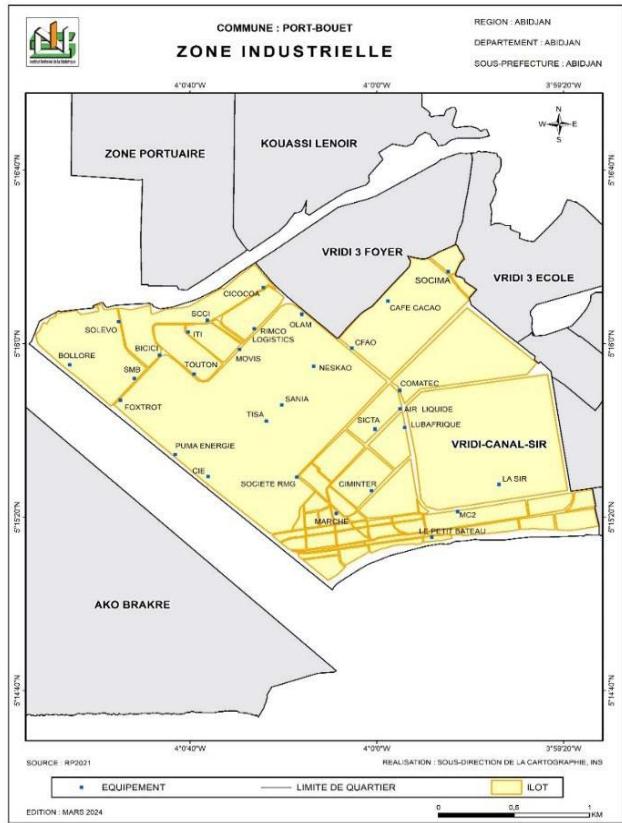 Mapping of the Port-Bouét industrial zone Source: Field data, mapping produced by INS 2024
- The Yopougon industrial zone
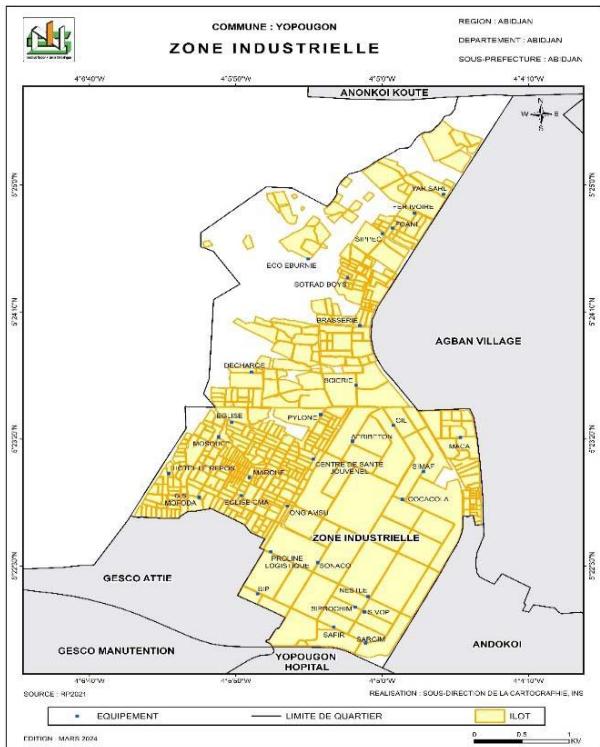
The Yopougon industrial zone covers an area of 645 hectares, containing approximately 200 industries operating in different activities and directly and indirectly employing more than 80,000 people. $23\%$ of the area is occupied by housing, especially precarious. The environmental situation is alarming in the area, especially in terms of sanitation and liquid discharges. In this area, there are several solid waste disposal points, some of which are incinerated and others causing the scattering of light and flying waste all around. Industrial wastewater discharges are channeled into a combined network with overflows in some manholes and even at the level of the transfer pipe of these waters.
Mapping of the Yopougon industrial zone
 Source: Field data, mapping produced by INS 2024
#### - The Koumassi industrial zone
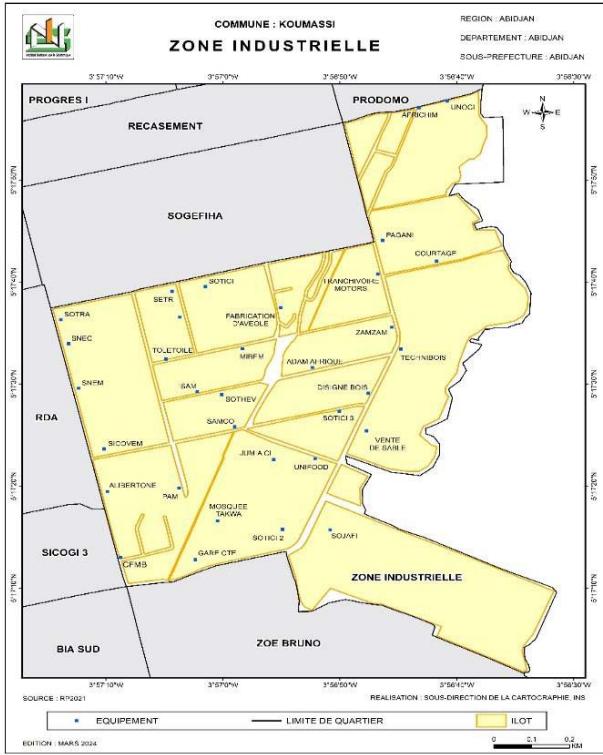
The commune of Koumassi is home to one of the largest industrial zones in Abidjan. It covers an area of 120 hectares, consisting of agri-food, plastics processing, and household goods manufacturing industries. According to the AGEDI census in 2019, the Koumassi industrial zone has 236 companies (AGEDI, 2019, p. 123).
In a study of the Kabyli agglomeration (Algeria), carried out by Hadjem M. & Khaled G. (2019), they counted 27 textile units. And these different industries in their operation produce solid and liquid waste.
Mapping of the Koumassi industrial zone
 Source: Field data, mapping produced by INS 2024
The industrial zones of the autonomous district of Abidjan face enormous environmental challenges in terms of waste management. Industrial units produce solid, liquid, and hazardous waste, which requires proper disposal.
However, there is a lack of infrastructure, or even a lack of infrastructure, for waste management, which very often leads to illegal dumping or inappropriate disposal of waste, which can have a negative impact on environmental and human health.
### b) Presentation and Environmental Situation of the Ebrie Lagoon
The Ébrié Lagoon, formerly known as the Ahizi Lagoon, is a brackish water lagoon located in Côte d'Ivoire. The country's economic capital, Abidjan, is built around this lagoon. With a maximum width of 7 km, a maximum depth of 20 ml, an average depth of 4.8 m, and a length of 130 km, the Ébrié Lagoon covers an area of approximately 560 km2. It is connected to the Gulf of Guinea by the Vridi Canal, which was built to open the port of Abidjan to the Atlantic Ocean.
The lagoon system plays a vital role in local biodiversity, housing a wide variety of plant and animal species. Unfortunately, the Ébrié Lagoon faces enormous environmental challenges. Also, accelerated urbanization around the city of Abidjan, with industrial and residential development, is leading to the dumping of industrial and household waste into the lagoon, including industrial chemicals, untreated wastewater, and solid waste. This has a direct impact on water quality and aquatic flora and fauna.
According to the 2021 report by the French Institute for Research and Development (IRD), 200 tonnes of waste are dumped into the Ebrié lagoon every day, $80\%$ of which is plastic and $20\%$ is composed of organic and industrial liquids. In March 2024, nearly 2 tonnes of fish affected by lagoon pollution washed up on the shores of Biétrry Bay, increasingly calling into question the environmental situation of the Ebrié lagoon and, in particular, the health of the population.
Industrial enterprises located on the Ebrière Lagoon frequently produce liquid and solid waste containing chemicals and toxic substances. When not properly treated, this effluent can contaminate surrounding waterways and impact aquatic species and even the health of the general population.
## IV. RESULTS
The results of this study focus on the environmental impact of pollution of the Ebrière lagoon and the consequences on the health of local populations.
### a) Impact of Lagoon Pollution by Industries
The results of our research show that industrial pollution of the Ebrié rivers and lagoon mainly consists of heavy metals, organic chemicals, and hydrocarbons. These pollutants are largely the result of uncontrolled discharges into the rivers and lagoon, sometimes from poorly equipped factories or through inadequate waste management practices. Concentrations of heavy metals, particularly lead and mercury, are particularly high in certain areas near industrial complexes.
In terms of water pollution, wastewater discharged by industries accounts for $6.7\%$ of the total water discharged by all industries in the country. However, only $11.7\%$ of the wastewater discharged by industrial enterprises meets the national cleanliness standard. After treatment, the percentage can increase to $28\%$, which means that $72\%$ of the wastewater discharged directly into the environment by industries is poorly treated or even untreated. This situation tends to worsen due to less stringent and less effective control in the countryside.
In this wastewater discharged from industrial units, a large amount of toxic products such as cyanide and volatile phenol were discovered. It appears that $15.6\%$ of the water polluted by cyanide and $42.6\%$ by volatile phenol come from industries. Dan Eude et al (2022).
Coastal industries are largely responsible for lagoon pollution. They discharge toxic products such as glycerin from soap factories, pigments from textile industries, soda, acids, and mineral oils into these waters through sewers. The food and textile industries are dominant sources of industrial pollution. They produce nearly $95\%$ of pollutant loads and $85\%$ of waste volume. In the autonomous district of Abidjan, approximately 2,600 m3 of wastewater are discharged into the Ebrié lagoon by industries and approximately 4.4 million m3 per year of residual discharges from industries and households (Ivorian State Report on the Environment 2021).
According to Boukary Sawadogo (2018), industrial wastewater includes all the water that is in principle discharged by the factory into the external environment, after having contributed to manufacturing, cleaning, transport, cooling. Wastewater contains approximately $1\%$ of colloidal and dissolved suspended solids and $99\%$ water.
The consequences of the emission of poorly treated or untreated wastewater can be classified into three categories:
- Negative impacts on the living environment
- Harmful effects on human health
- Adverse repercussions on economic activities.
For the author, industry is the human activity that generates the most wastewater. The composition and concentration of industrial effluents vary greatly depending on the type of industry. Thus, each industrial operation generates specific quantities and qualities of wastewater that can contain considerable pollutant loads. Beyond organic, phosphorus, or nitrogenous matter, it can notably contain toxic products, such as solvents, heavy metals, hydrocarbons, and organic micropollutants. Some of this water can be toxic to aquatic species, plants, and humans.
The environmental situation of the Ebrié lagoon and the surrounding waterways remains a major challenge because most industrial units very often produce liquid waste containing untreated chemicals and toxic substances which are discharged directly into the lagoon through the wastewater drainage channels which are directly connected between these companies and the lagoon. There are in industrial zones of the district of Abidjan, a panoply of industry which does not have adequate mechanism for the treatment of water used in their production system, for maintenance or cleaning of machines. Thus, the Ebrié lagoon which is the largest brackish water basin in Africa and a central element of the economic capital is becoming more and more polluted and this pollution affects such as fishing leading to risks of poisoning for consumers of aquatic products.
The Ivorian State Report on the Environment (2021) states that water pollution is a major source of biodiversity degradation. Indeed, many aquatic species are victims of pollution by heavy metals such as mercury, copper, zinc, lead, or organochlorines (insecticides, pesticides, etc.), which cause serious disorders that can affect certain vital functions, including reproduction and orientation. Pollution of waterways leads to the death of fish and crustaceans, and also causes the disappearance of certain aquatic species.
In terms of biodiversity, the consequences of lagoon pollution are worrying. Aquatic fauna and flora, primarily fish and aquatic plants, are directly impacted by the effects of pollution, causing a decrease in biodiversity. Some fish species have disappeared, while others exhibit physiological and pathological abnormalities, posing a danger to human consumption. This degradation also affects human populations, who depend on lagoon water for irrigation, consumption, and fishing.
While water is a vital source for human beings, it also represents a potential vector of diseases, some of which can be fatal (Pierre Andre et al 2003). According to WHO 1992 estimates on child mortality, four million children under five die each year from diarrhea transmitted by biologically contaminated water.
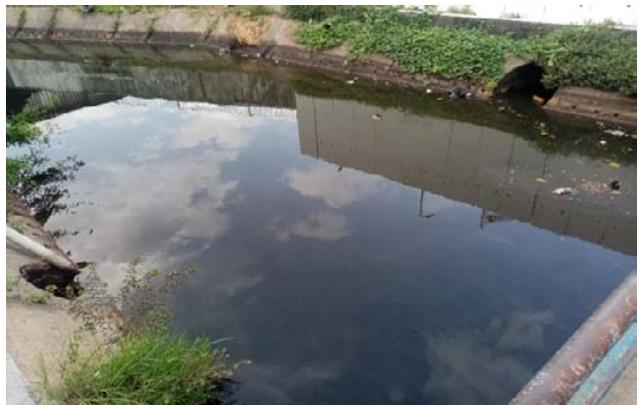 Source: Clément Kouman, Fulbert Tra 2023
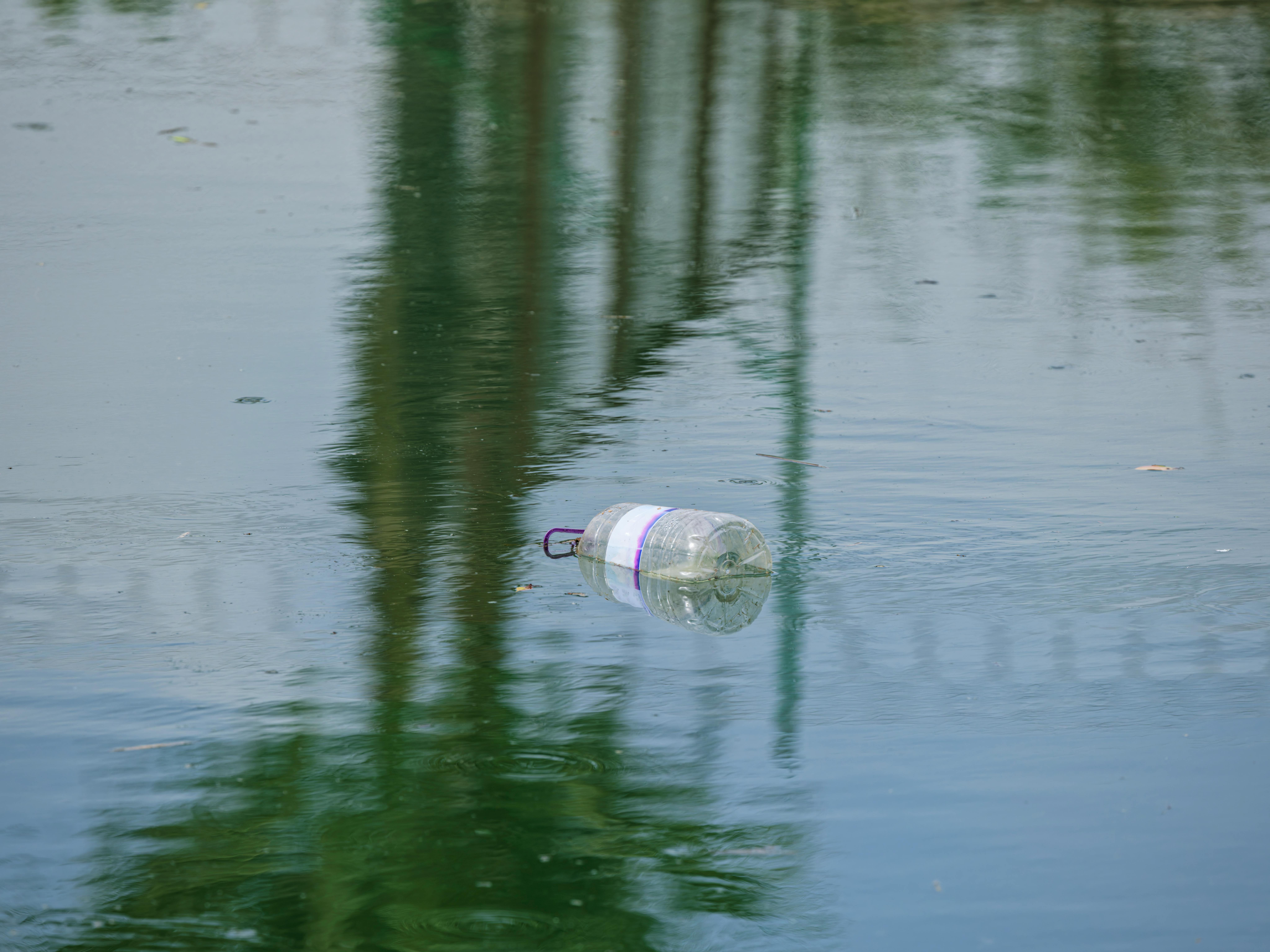
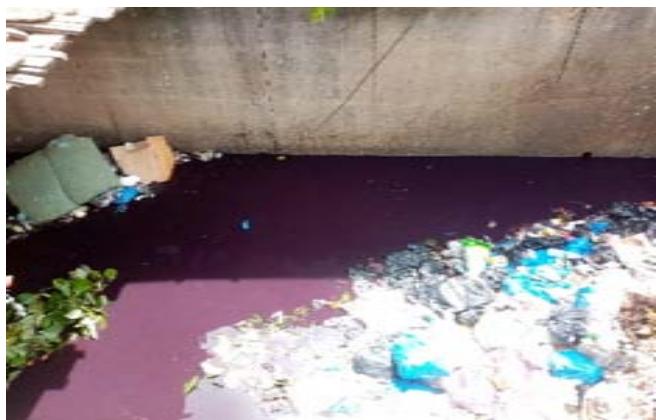 Photo No. 1: Discharge of Wastewater Source: Clément Kouman, Fulbert Tra 2023
### Photo No. 2: Discharge of Wastewater and Waste solids
These shots above were taken during our field survey in the industrial zones of Vridi and Yopougon. During this survey, we noted that several industrial companies have connected their sewers for evacuating production water to the pipelines leading directly to the Ebrié lagoon. This water, which is discharged into the lagoon, does not undergo any prior treatment before being discharged. As the images show, the discharge of this industrial wastewater into the waterways will undeniably impact the quality of the lagoon's water and endanger the environmental situation, the consequences of which will have repercussions on the health of the population.
### b) Impact of Lagoon Pollution on the Health of Populations
According to Boukary Sawadogo (2018), industry is the human activity that generates the most wastewater. The composition and concentration of industrial effluents are extremely variable depending on the type of industry. Each industrial activity generates specific quantities and qualities of wastewater that can contain considerable loads of pollutants and, apart from organic matter, nitrogen or phosphorus, can also contain toxic products, such as solvents, heavy metals, hydrocarbons and organic micropollutants, some of which can be toxic to aquatic species, plants and humans.
According to Meinck (1956), cited by Coulibaly et al (2022), the contamination of the central installation of a water distribution network cost the lives of seven infants and made 200 people sick because polluted water from an acetylene generator released toxic substances into the water distribution plant. The pollution of the Ebrié lagoon has direct consequences on the health of local populations, particularly through the transmission of waterborne diseases. Poisoning by heavy metals such as lead and mercury, present in industrial waste, ends up in the food chain through aquatic species, as well as the lack of wastewater treatment infrastructure which increases the risks of infectious diseases such as: typhoid fever, cholera, and parasitic diseases. When these products are ingested by aquatic species, they can constitute a source of contamination for humans.
For Dongo, et al (2013), $62.93\%$ of the Abidjan population are victims of malaria due to pollution, of which $13.62\%$ suffer from diarrheal diseases and $23.45\%$ from acute respiratory infections.
These metals are highly toxic and can cause serious health problems, including neurological disorders when exposure to mercury, for example, affects the nervous system, leading to cognitive impairment, memory deficits, and developmental disorders in children. Similarly, kidney problems can occur with the accumulation of heavy metals in the kidneys through the consumption of infested aquatic products, causing kidney dysfunction and other complications related to vital organs. Better still, one of the more serious consequences is the development of certain carcinogenic diseases through long-term ingestion of fish contaminated with heavy metals, which increases the risk of cancers, particularly of the liver and kidneys.
According to Aboubakar et al (2022), the consequences of industrial activity on the health of populations can range from a simple olfactory problem to the development of cancer. Indeed, even if the effects of these chemicals are only present in trace amounts, certain metallic and organic elements can prove to be very dangerous, toxic or even carcinogenic. This is, for example, the case of chemicals such as cadmium, mercury, lead, chromium, hydrocarbons, etc. Despite the laws on environmental protection in Côte d'lvoire, the pollution of the Ebrié lagoon is a social reality that endangers the health of the local populations and remains a considerable challenge for the state and the populations.
## V. DISCUSSION
The Ebrié Lagoon, Abidjan's lagoon ecosystem, plays a vital role as an interface, as it is a place of passage and exchange between water and marine waters. This environment is an urban, port, and industrial complex, a populated area. It also offers significant tourism opportunities. However, water quality is influenced by demographic change and the phenomenon of industrialization. Thus, the Ebrié Lagoon faces a pollution problem.
This pollution is of organic, microbial and chemical origin. Organic pollution results from the food industry, domestic waste and fertilizer residues in agriculture. As for microbial pollution, it most often comes from organic waste from sewers and involves pathogens. As for chemical pollution, it comes from industrial effluents (hydrocarbons, dyes, acids, heavy metals) etc. Dan Eude et al (2022). According to Danièle Maurer (1978), Biétri Bay is one of the many bays on the shores of which the main industrial center is built, most of whose wastewater, domestic and industrial, is discharged into the lagoon without prior treatment. Industrial waste discharges into Biétri Bay are numerous and significant, estimated at 18,000 m3 per day (approximately 1/1000th) of the volume of the bay's water, including 3,607 kg of oxidizable material from the oil, soap, and dyeing industries and the Port-Bouët slaughterhouse.
As for Fatima Zhora et al (2006), the contamination of the marine environment by chromium, a non-essential metal, lies in its capacity to accumulate in living beings, since, like other toxic metals, it has no known biological role, and is practically not subject to known chemical or biological degradation reactions; in addition, this metal is harmful. Chromates can, as strong oxidants, cause burns and ulcers of the skin and mucous membranes as well as irritation of the upper respiratory tract. Absorption can cause damage to the liver, kidneys and digestive system. Cr compounds have been shown to be carcinogenic in animal tests. The lethal dose in humans is $0.5\mathrm{g}$; it is toxic to fish from 52 mg/l, and to algae from 5 mg/l, depending on the acidity of the soil and the potential. Chromium is mainly used in the tannery and oil mill industries, and in alloys with iron, nickel or cobalt.
The pollution of the Ebrié Lagoon has far-reaching and widespread consequences that affect both the environment and the health of populations. The health impacts of pollution are of concern, as heavy metals and other pollutants present in the water lead to neurological diseases, immune system disorders, and certain carcinogenic diseases. In addition, populations living in the most exposed areas are often subject to health problems related to the consumption of unclean water.
Industrial activities, combined with a lack of strict regulations and insufficient monitoring of industrial discharges, are major contributors to this situation. The Ébrié Lagoon, essential for local ecosystems and local populations, is threatened by the loss of its biodiversity and the accumulation of chemical pollutants.
## VI. CONCLUSION
The pollution of waterways in Abidjan, particularly the Ébrié Lagoon, poses a serious threat to the environment and public health. This environmental situation in the Ébrié Lagoon is a significant reality that has a significant impact on the productivity and survival of aquatic species. One of the major consequences of this lagoon pollution is the health problems it could have on the entire population, who are faced not only with the inhalation of unbearable odors but also with health problems due to the consumption of products from this polluted lagoon environment.
In view of this environmental and health reality, although efforts have been made through institutions working for the protection of the environment and the living environment and various stakeholders to regulate industrial activities and improve waste management, stricter measures and wastewater treatment initiatives would therefore be necessary because it is crucial to adopt an integrated approach to water and industry management in order to reduce pollution of the lagoon, preserve aquatic ecosystems and protect the health of the population. Therefore, a long-term commitment and collaboration between local and political authorities, industries and communities are essential to reverse this trend and ensure a healthy environmental situation, sustainable health for the population in order to restore this environmental radiance to the city of Abidjan which was otherwise called the pearl of the lagoons.
Generating HTML Viewer...
References
24 Cites in Article
Akoissi Ida,Natacha Yao-Assahi,Kouassi Paul,Anoh (2022). Industries and urbanization in southern Abidjan (Abidjan-Ivory Coast).
(2012). The World's Worst Pollution Problems: Assessing Health Risks at Hazardous Waste Sites 4. Boukary Sawadogo.
(2021). Environmental Profile.
Charles Simard (2022). Pollution in West Africa: Critical State.
Crépin B. Péné,Yah Coulibaly-Ouattara (2022). Sugarcane yields, juice quality and stem borer (Eldana saccharina W) infestations as influenced by increasing nitrogen rates in Ferké, Northern Ivory Coast.
Coulibaly Aboubakar,Kassi Kadjo,Jean Claude,N Aloko (2022). state of the environment of industrial zones in the district of Abidjan: case of the industrial zone of Koumassi (Ivory Coast).
Dan Kpannieu,Kouakou Kouadio,Ignace M’bra,Coulibaly Hippolyte,Lacina Coulibaly,S Ouffouet (2022). Physico-Chemical Pollution and Trophic State of Biétry Bay (Ebrié Lagoon, Abidjan, Ivory Coast).
Danièle Maurer (1978). Unknown Title.
Kei Nagashima (2006). Central Mechanisms for Thermoregulation in a Hot Environment.
Adler Emmanuel (2010). Waste treatment and health effects.
(2012). Rhône-Alpes waste observatory.
Fatima Zohra Bouthir,Salah Souabi,Abdelghani Chafik,Samir Benbrahim1,Mustapha Sifeddine (2006). Impact of industrial discharges on the environment: case of chromium accumulation in different aquatic compartments along the Casablanca -Mohammadia coast.
Galal-Gorchev (1994). National Institute for Occupational Safety and Health/Occupational Safety and Health Administration.
Hakim Khelfaou,Hicham Chaffai,Azzedine Hani,Rabah Laouan (2012). Impacts of industrial discharges on the waters of the Barrahal region (Northeast Algeria).
Pascal Gamassa,Yan Chen (2013). The Impact of China One Belt One Road on Abidjan Port Development Based on Gravity Model.
Kra Kouamé,Raphaël (2012). Doctoral thesis, industrial waste and environmental policy in Ivorian law.
Pglk Touré,K Kanwore,M Mebiala,F Amoussou,B Odo,F Odidi,M Madiou,A Sawadogo,Mdc Wembe Sop,G Bouwa,F Sessegnon,Amby Nogbou,Kky Kouassi,M Toure,I Adoubi (2013). Impact of undernutrition on the survival of cancer patients in a medical oncology department in sub-saharan africa: about a case at the Treichville university hospital.
Graham Bennett (1991). The History of the Dutch National Environmental Policy Plan.
(2020). Ivoire, Côte D’.
Nader Abbes (2013). The Environment: A Public or Private Good? In Responsible Business.
Savadogo Boukary (2021). Unknown Title.
S Yapo,Eric-Michèl Assamoi,Amemou Yago,Kouamé Kouadio,K Konan,Séka Achi,Pêlémayo Touré,Ossey Yapo,Véronique Yoboué (2025). Air pollution in urban areas: the case of the commune of Attécoubé in the district of Abidjan (Côte d'Ivoire).
C Lin,J Xiong,K Xue,R Ma,Z Cao (2021). Detecting Spatiotemporal Features of Phosphorus Concentrations Using MODIS Images: A Case Study of Hongze Lake, China.
No ethics committee approval was required for this article type.
Data Availability
Not applicable for this article.
How to Cite This Article
Tra Fulbert. 2026. \u201cIndustrial Activities and Pollution of the Ebrié Lagoon in the Autonomous District of Abidjan in Ivory Coast\u201d. Unknown Journal GJHSS-C Volume 25 (GJHSS Volume 25 Issue C3): .
Explore published articles in an immersive Augmented Reality environment. Our platform converts research papers into interactive 3D books, allowing readers to view and interact with content using AR and VR compatible devices.
Your published article is automatically converted into a realistic 3D book. Flip through pages and read research papers in a more engaging and interactive format.
Our website is actively being updated, and changes may occur frequently. Please clear your browser cache if needed. For feedback or error reporting, please email [email protected]
Thank you for connecting with us. We will respond to you shortly.