Inventory management is a very important and vital part of any kind of production business because an efficient supply chain depends on mostly proper inventory management. In any mega construction project, inventory management is more critical for binding international standard rules and regulations and also for containing different characteristics of the project. The main objective of this paper is to study the existing research on inventory management, find existing challenging factors that indicate poor performance of inventory management and also find better tools and techniques practices that create overall value for the project. This research paper will be helpful for the construction industry and get guidelines for better inventory management.
## I. INTRODUCTION
A few megaprojects are being constructed in Bangladesh and hopefully, they will contribute largely to socioeconomic development in Bangladesh, but this kind of megaprojects is too specific, critical, mostly foreign materials dependent, and follows too much documentation and for this, the inventory management here is not so as usual as others. Generally, almost $60\%$ cost of the project is materials cost, and ensuring an adequate supply of materials according to the schedule, minimizing inventory costs, facilitating purchasing economies, better utilization of available stocks, disposing of inactive & obsolete store items, manufacturing planning, assisting procurement, qualifying production, enabling management in cost comparison, and overall for successful completion of the project it is a must for proper inventory management.
## II. LITERATURE REVIEW
Narimah Kasim, Siti Radziah Liwan, Alina Shamsuddin, Rozlin Zainal, and Naadira Che Kamaruddin (2012) studied that there is a need for more sophisticated technology to be implemented in a construction project in order to facilitate the materials tracking process and at the same time, reduce dependency on paper-based reports in inventory management. Finally, they recommend that the use of ICT, for example, RFID in materials tracking could facilitate effective and efficient control over materials in construction [1].
1. S. Sindhu, Dr. K. Nirmalkumar, and V. Krishnamoorthy: Studied a few main inventory management risks in construction projects like lack of storage space, problems with de-centralized processing, inadequate training practices, improper financial support in the ordering of materials, difficulty in delivery of long lead materials and he suggested Proper preventive measures like JIT, Supply chain management system concept along with lean production system [2].
2. Jayanth, V. Sampathkumar: Analyzed some factors affecting inventory control management and dissect the stock administration control embraced and the compelling usage of stock at the construction site with the assistance of the SPSS programming [3].
3. Jyoti Sanjeev Mohopadkar and D. P. Patil: Analyzed some techniques in inventory management like ABC Analysis (Always Better Control), FSN Analysis (Fast Moving, Slow Moving & Non-Moving), SDE Analysis (Scarce, Difficult, Easy), HML Analysis (High, Medium, Low) and GOLF Analysis [4].
4. Mit Shah and Prof. Ankitkumar Patel: Also showed the practical use of some techniques in inventory management like ABC Analysis (Always Better Control), FSN Analysis (Fast Moving, Slow Moving & Non-Moving), VED Analysis (Vita, Essential, Desirable), HML Analysis (High, Medium, Low) and ABC-VED Combination approach [5].
5. Raj Desai and Prof. Dixit Patel: Analyzed some materials management factors in construction projects and also identified cost overrun factors [6].
6. Gamane Ankush K. and Prof. Gaurav N. Desai: Select the Qualitative analysis technique such as Economic order Quantity (EOQ), Break Even Analysis (BEP), and maintaining a sufficient stock of raw materials and Control investment in inventories [7].
## III. RESEARCH METHODOLOGY
Both primary and secondary sources of data were used for the study. The Primary data was collected from the staff of selected five mega projects from different companies by creating survey questions using google forms and observation. The selected projects were RNPP, GWTP, DMRP, MUSCCFPP, and DCRP. The selected staffs were the site engineer, project engineer, store manager, safety officer, and site supervisor. The questionnaire contained closed-ended and open- and close-ended questions using a four-point Likert Scale. One part of the survey questions was about existing challenging factors and the total number of questions was nine. The question form was sent to 20 staff of every project and the total number of staffs was 100. The other's part was about existing inventory management tools and the total number of questions was seven. The question form was sent to 14 staff of every project and the total number of staff was 60. The secondary data was collected from public and private websites, journals, and newspapers.
All the questionnaires of the first part and the second part administered were returned representing a $100\%$ response rate. The study then adopted a mixed method that is both quantitative and qualitative methods of data analysis. The quantitative data were analyzed using descriptive statistics. All data were coded and analysis was carried out using the Microsoft Excel 2019 Software to measure the percentage of challenges and the practice of inventory tools of every selected project that had been shown graphically. On qualitative data, content analysis (deduction and inferences) was used. Here the empirical data collected was compared with the underlying theories to verify whether the findings confirm or deny those theories. Finally, the result analyzed was presented in descriptive form.
## IV. INVENTORY MANAGEMENT CHALLENGES FOR MEGA CONSTRUCTION PROJECTS
Currently, several mega construction projects are underway in Bangladesh. Among them, some projects like Rooppor Nuclear Power Plant, Padma
Multipurpose Bridge, Matarbari Coal Power Plant, Dhaka Metro Rail, Dhaka Airport Third Terminal, Matarbari Deep Sea Port, Chittagong Cox's Bazar Rail Link, Ghandharbpur Water Treatment Plant, etc. are the most critical, challenging, and some are totally new experiences for Bangladesh. Many local and foreign construction companies that participated in the activities of this project have to face many challenges at every moment. But one of the complex challenges for this type of project is inventory management. Some of the common challenges of inventory management in international construction projects are given below.
### a) Efficient Materials Procurement Process
The construction materials Procurement team is responsible for delivering the right materials on time and within budget by following an efficient procurement process. But for the late of estimating materials, drawing changes, lack of effective materials requirement schedule, tight schedule to handover project, facing unknown materials requirement, and lack of availability of materials quality documentation make the challenging of efficient material procurement process. Some studies have suggested several ways to make an effective and efficient procurement system during the initial/ preliminary planning which include Construction team involvement in the estimation of construction material, using computer applications for estimation, identifying needed materials to be used and estimating quantities, identifying locally available materials, request quotations from different suppliers, establish construction materials prices database, rely on the price of material suppliers, rationalize the material prices used in the tender estimation, shortlisting the potential suppliers, plan for materials requisition schedule, evaluate the capability of the supplier's material delivery, select suppliers based on the lowest price, obtain materials requisition schedule, assessment, and updating database [8].
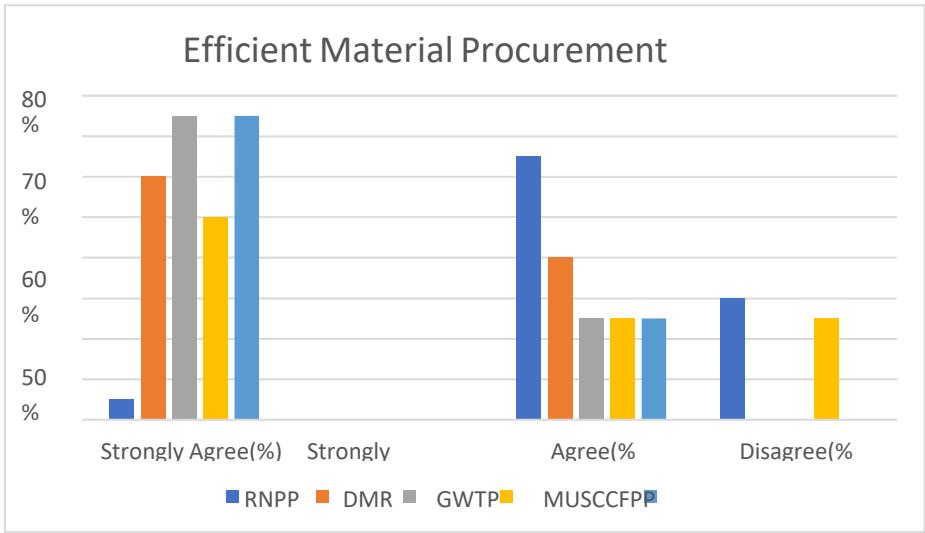 Fig. 01: Efficient Materials Procurement Process Challenges
From the questionnaire survey in those five projects, we found that almost all projects have challenges in the efficient materials procurement process where the project RNPP, DCRP, and GWTP have to face most challenges for tight schedules, unavailability of materials, and also this type of project is new in Bangladesh.
### b) Sufficient Storage Space
In an international project, several companies work together and no company can take the place of the office, warehouse, labor shade, and other's facilities as their wish. Generally, the main contractor of the project supervised this which means they fix the space for a fixed company. Every company has to take the approval of the main contractor and make the all infrastructure especially the warehouse by following proper safety rules and guidelines. Not only this, many times may have to move the warehouse and materials after building and storing them for different causes. So, the inventory management personnel have to face the problem of the lack of materials storage space. However, the lack of proper knowledge of the size of materials, and materials delivery schedule, the store personnel have no preparation of storage space. If the goods are not sent when they are needed, there is a shortage of storage space.
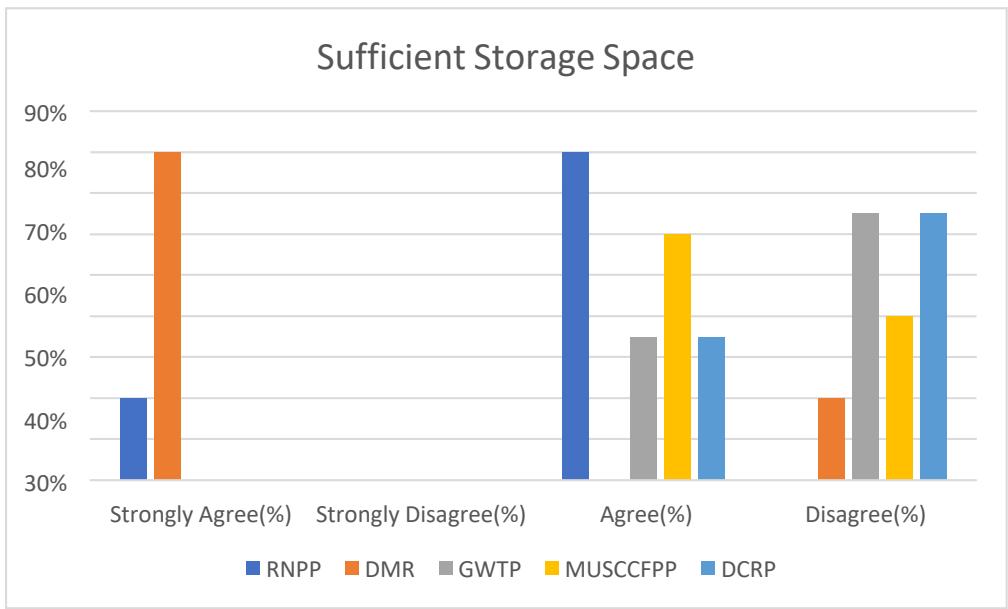 Fig. 02: Sufficient Storage Space Challenges
From the questionnaire survey in those five projects, we found that almost all projects have challenges in sufficient storage space where the project RNPP and DMR have to face the most challenges
### c) Tracking of Materials Accurately
Inventory tracking denotes the stock level, stock location, inventory accuracy, inventory turnover, reorder level, stock of damaged goods, return goods, and stock value. In a construction project, it is challenging to track materials accurately because of different types, sizes, brands, codes, colors, grades, the origin of the same goods, moving materials from one location to another continually, lack of enough warehouse, stocking materials in different places, storage materials under the sky, taking away the goods by the user without informing to the store department, especially which materials are kept in open space, due to correct writing of all product information in the issue slip and as a result the wrong entry in the software, etc. By questionnaire survey, I found that the following goods are most challenging to track accurately.
1. Bricks
2. Stone
3. Sand
4. Rebar
5. Hardware goods
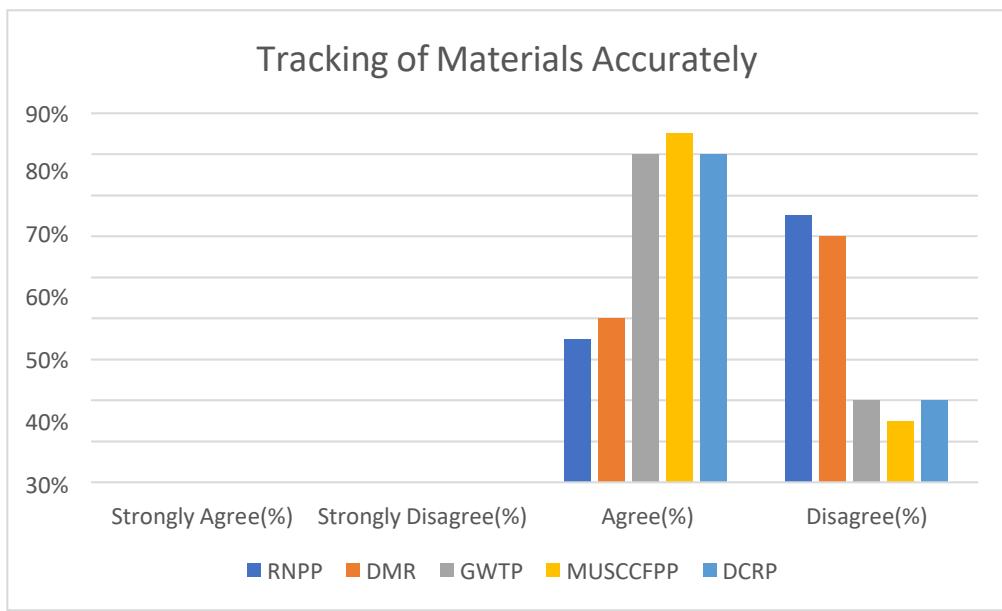 Fig. 03: Accurately Tracking of Materials Challenge
From the questionnaire survey in those five projects, we found that almost all projects have challenges in the tracking of materials accurately where the projects MUSCCFPP, GWTP, and DCRP have to face most challenges for lack of enough storage space and lack of proper inventory management.
### d) Availability of Materials
Availability of materials in the construction project is not so easy, especially a project which is dependent on maximally foreign materials. Due to the late of estimating materials, scope changes, lack of effective materials requirement schedule, facing unknown materials requirement, urgent demand for goods, funding problems, etc. make the problems of availability of materials. However, the global environment affects the availability of materials. Especially in this decade, the COVID -19 pandemic affected supply chains globally and widely. National lockdowns in different countries, entry restricted to the border, stopping the activities of shipping agencies, clearing & forwarding agencies, and due to the government customs office being closed, on-time delivery of goods was uncertain in all construction projects. Now I will give statistics on how COVID -19 affects imports in Bangladesh.
<table><tr><td>Year</td><td>Total import (Million the US $)</td><td>Growth Rate (%)</td></tr><tr><td>2015-16</td><td>49,436.00</td><td>5.41</td></tr><tr><td>2016-17</td><td>59,561.00</td><td>21.79</td></tr><tr><td>2017-18</td><td>67,133.00</td><td>16.96</td></tr><tr><td>2018-19</td><td>68,103.00</td><td>3.83</td></tr><tr><td>2019-20</td><td>64,186.00</td><td>-4.91</td></tr><tr><td>2020-21</td><td>78,211.00</td><td>21.89</td></tr></table>
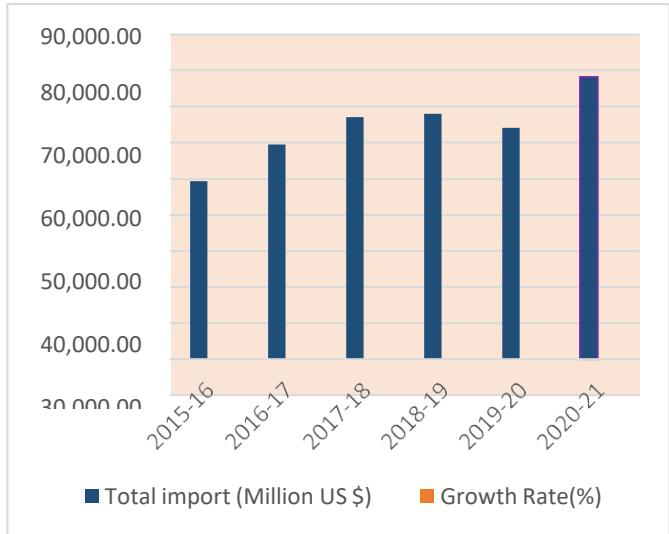
Fig. 04: The flow of import Growth Rate in Bangladesh (Source: Foreign Trade of Statistics of Bangladesh 2019-20 & 2020-21)
Here we are observing that in 2019-20 the import growth rate is lowest because at this time the coronavirus was spread out the world.
The Rooppur Nuclear Power Plant is the largest infrastructure project in Bangladesh, being constructed
with the help of Russia. This year (2022) Russia and Ukraine war also affects the supply chain as well as the availability of materials in the project because the maximum materials in this project are imported from Russia.
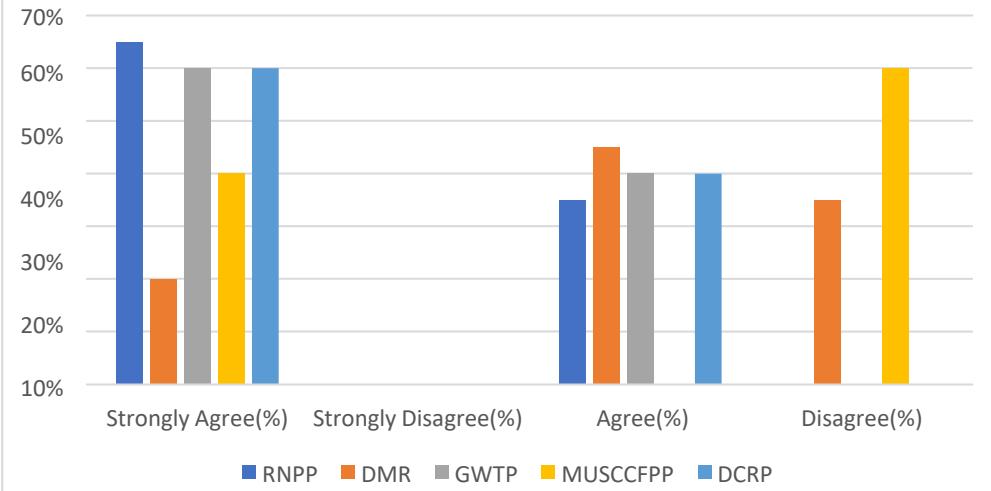
Availability of Materials Fig. 05: Availability of Materials Challenges
From the questionnaire survey in those five projects, we found that almost all projects have challenges in the availability of materials where the project RNPP has to face most challenges for being foreign materials dependent project, Covid-19 pandemic situation, Russia -Ukraine war and unavailability of materials in Bangladesh.
### e) Overstocking Problems
Overstocking items are those which are not yet used and probably cannot be used anymore and these items are kept for weeks, months, and even a few years
without being used. In construction projects overstocking occurs when lack of efficient materials procurement process, inaccurate estimation, inaccurate forecasting, lack of proper documentation, unskilled manpower, lack of inventory control planning, lack of monitoring compliance of BOQ with goods requirement, change of project scope, proper tracking level of stock goods, and also in the case of import when the suppliers don't agree to sell goods without a fixed lot size.
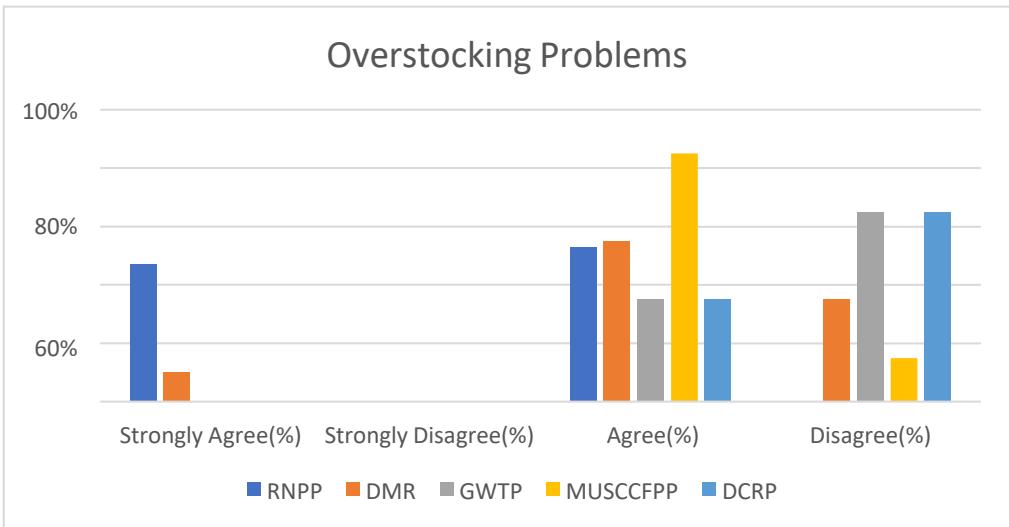
Fig. 06: Overstocking Challenges
From the questionnaire survey in those five projects, we found that almost all projects have challenges in overstocking problems where the project RNPP and MUSCCFP have to face most challenges for the lack of proper estimation, inventory management, and also proper procurement process.
### f) Construction Waste Management
Construction wastes in any project are in the form of building debris from the demolition process, rubble, earth material, concrete waste, steel waste, timber waste, and mixed site clearance construction materials, arising from different construction activities of the project including land excavation or formation on site, civil and building construction materials, site clearance waste, demolition activities waste, roadwork
waste, and building renovation waste [9]. Construction waste is a complex problem in the project because it affects the efficiency of the projects and it can make a danger to the environment. Overall, construction waste occupies a lot of space that creates a space problem for necessary goods. Quick recycling and disposal the wastage goods by selling or throwing a fixed place that doesn't pollute the environment, this problem may be solved. Construction waste can also be reduced by using a waste management system on projects. The project activities are to be planned at every stage by every construction personnel, who is involved, in minimizing the overall waste generation at the project [9].
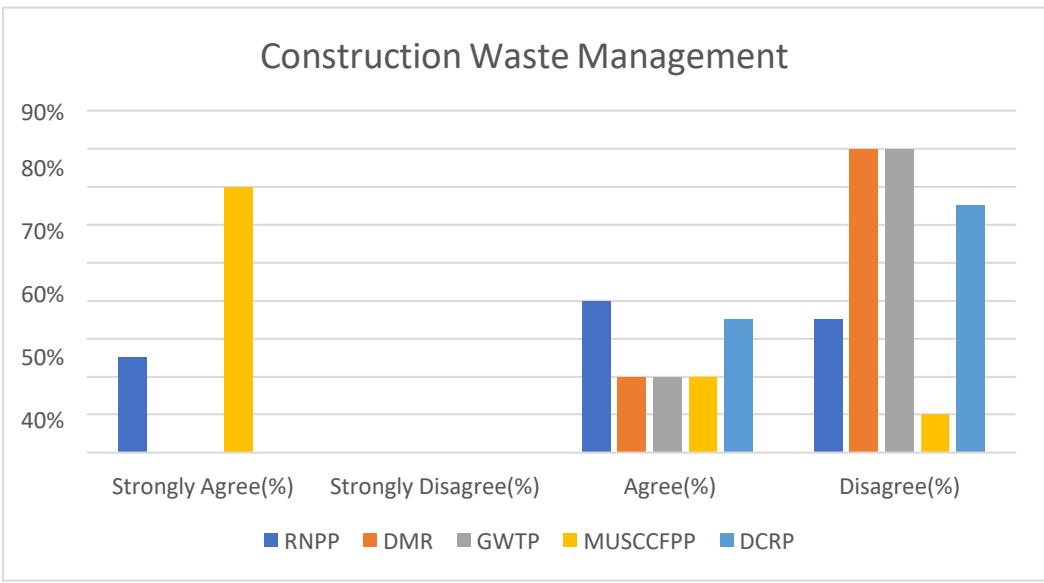
Fig. 07: Construction Wastage Management Challenges
From the questionnaire survey in those five projects, we found that almost all projects have challenges in construction wastage management where the project MUSCCFPP has to face the most challenges for the sea beach area. Actually, it's dependent on the project location.
### g) Urgent Demand for Materials
In a construction project, urgent demand for materials is a common practice that makes the problem to deliver the right product at the right time and at the right price. In one word, continuous urgent demand for materials affects the procurement cycle that means to fulfill the urgent demand for materials, the supply chain team has to break up the different steps of the procurement cycle and as a result, an ineffective and inefficient supply chain occurs in the construction industry.
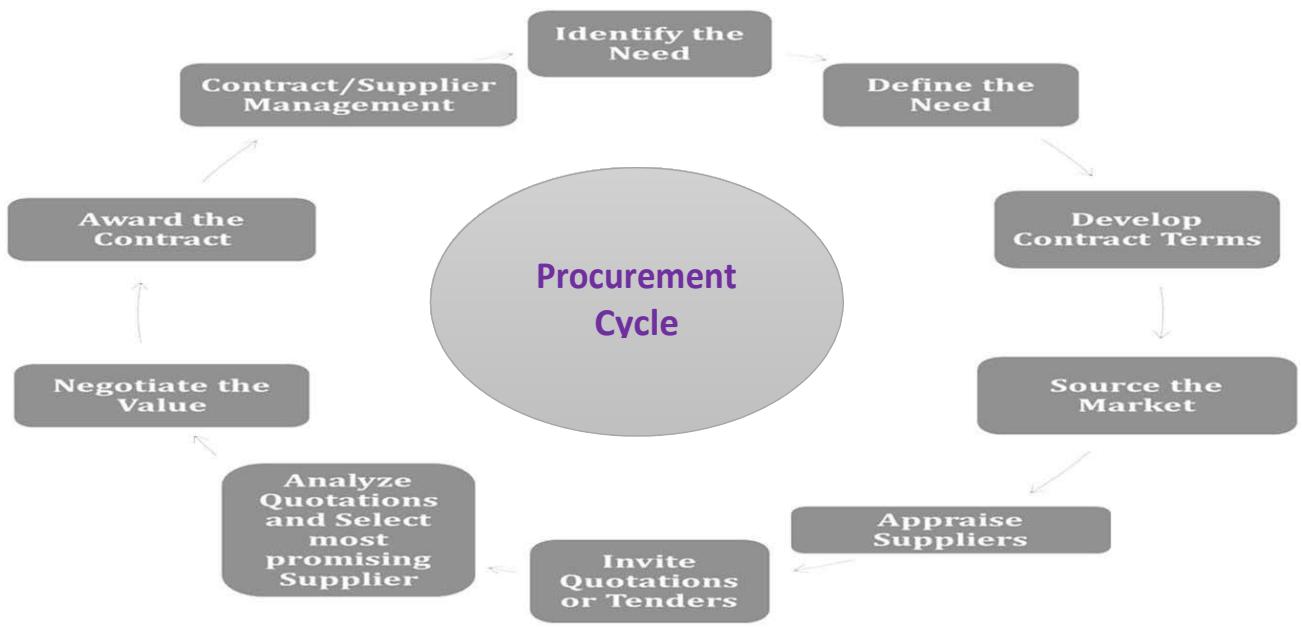
Fig. 08: Procurement Cycle
Lack of Effective materials requirement schedule, estimation of materials at right time, and unskilled manpower create this issue.
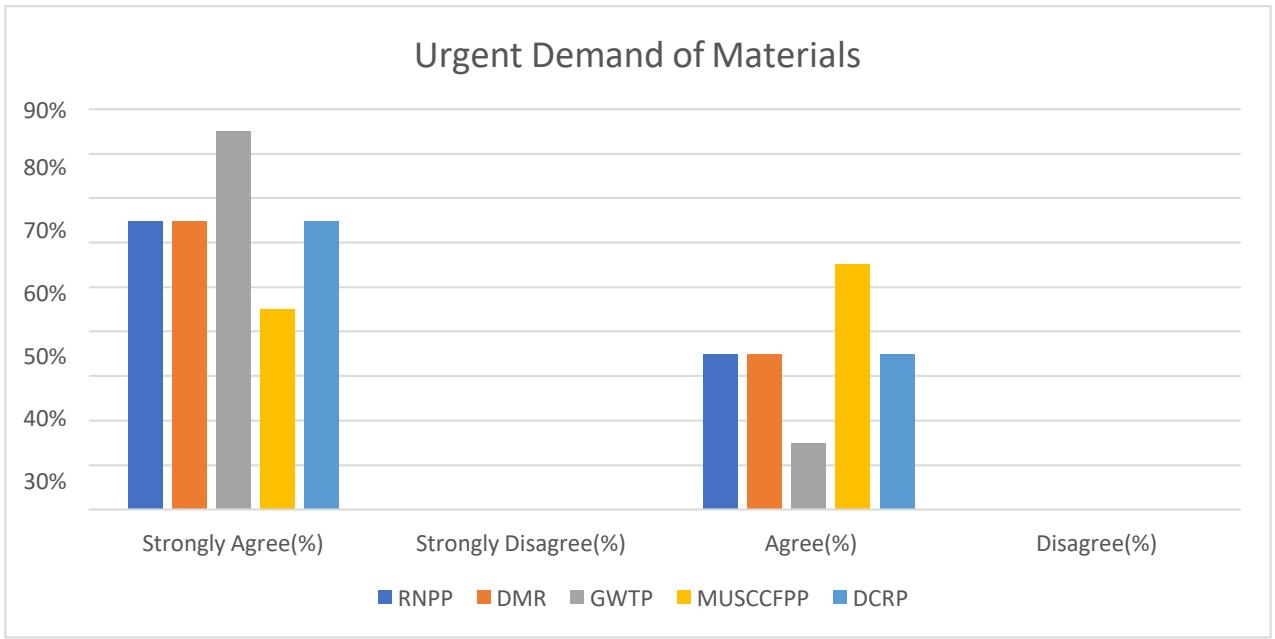
Fig. 09: Urgency Challenges of Materials
From the questionnaire survey in those five projects, we found that almost all projects have challenges in urgent demand of materials where the project GWTP has to face most challenges for the tight schedule of the project, lack of demand forecasting and estimating in proper time.
### h) Effective Materials Requirement Schedule
Materials requirement planning (MRP) is the system of materials procurement planning on the basis of production planning that helps to control inventory
and makes the supply chain effective and responsive. MRP answers the following questions
- What items are required?
- How many or how much are required?
- When they are required?
Though effective materials requirement schedule makes the effective supply chain of the project, it is challenging to prepare due to the complexity of the project and tight time schedule.
In a construction project, materials account for more than $40\%$ of the total project cost. A small saving in material cost through efficient management of materials can result in a large saving in the total project cost. One of the root causes of improper material management is that materials are ordered based on the information from the project schedule. Hence the study is conducted to optimize the cost through material
requirement planning for District road construction based on site scenario. The study involves mainly three stages, namely factors identification, data collection, and analysis. Data collection on factors which are based on time, cost, quality, quantity, and location of various activities acquired. These were analyzed and optimization of cost is done through MRP [10].
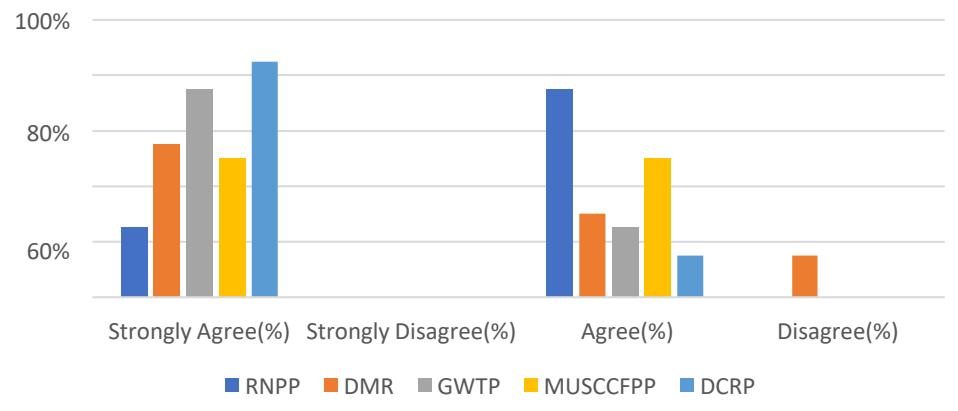
Effective Materials Requirement Schedule Fig. 10: Effective Materials Requirement Schedule Challenges
From the questionnaire survey in those five projects, we found that almost all projects have challenges in effective materials requirement schedule where the projects GWTP, RNPP, and DCRP have to face most challenges for the lack of estimating and scheduling the project in proper time.
### i) Materials Storage According to Safety Standards
It is very challenging in a foreign-aided construction project in Bangladesh to store goods
according to the project's safety standard due to lack of enough storage space, proper previous planning about materials storage space in the mobilization period, and also lack of knowledge and training of materials handling and storage. But it is one of the most important aspects that reduce the project cost and construction-related accidents if it is maintained properly. Without proper storage of materials, a natural disaster can lose of many materials and their usefulness.
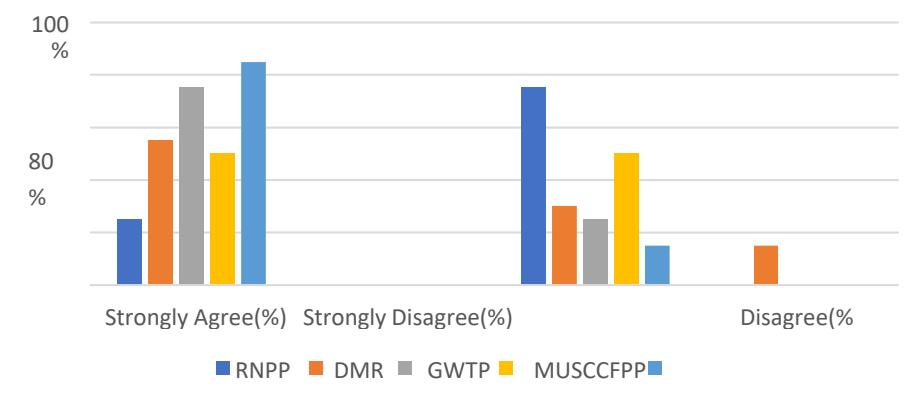
Effective Materials Requirement Fig. 11: Safety Standards Materials Storage Challenges
From the questionnaire survey in those five projects, we found that almost all projects have challenges in safety standard materials storage where the project GWTP and DMR have to face most
challenges for the project location, lack of enough space, and lack of knowledge about safety among store personnel.
## V. INVENTORY MANAGEMENT TOOLS PRACTICES IN CONSTRUCTION PROJECTS IN BANGLADESH
Inventory management tools are the techniques by which inventory is measured and regulated according to predetermined norms. In a construction project, $60\% - 70\%$ cost is the materials cost of the total cost of the project. Inventory Management Tools help to ensure an adequate supply of materials, minimize inventory cost, facilitate purchasing economies, eliminate duplication in order, better utilization of available stocks, provide a check against the loss of materials, facilitate cost accounting activities, enable management in cost comparison, locates & dispose of inactive & obsolete store items, consistent and reliable basis for financial statements. So, it is very important to implement the tools of inventory management. Here, we discuss the inventory control tools which may be implemented in construction projects and show the
statistics of the practice of those tools in different construction projects.
### a) ABC Analysis (Always Better Control)
ABC Analysis is an inventory management technique that classifies the materials on the basis of annual usage of materials and that determines the value of inventory items based on their importance to the business.
A items represent $10\%$ of the total inventory with $70\%$ of the total annual value.
B items represent $20\%$ of the total inventory with $20\%$ of the total annual value.
C items represent $70\%$ of the total inventory with $10\%$ of the total annual value.
Now I will show the ABC analysis practices in construction projects in Bangladesh through a graph where I consider five mega construction projects (RNPP, DMRP, GWTP, DCRP, MUSCCFPP) in Bangladesh.
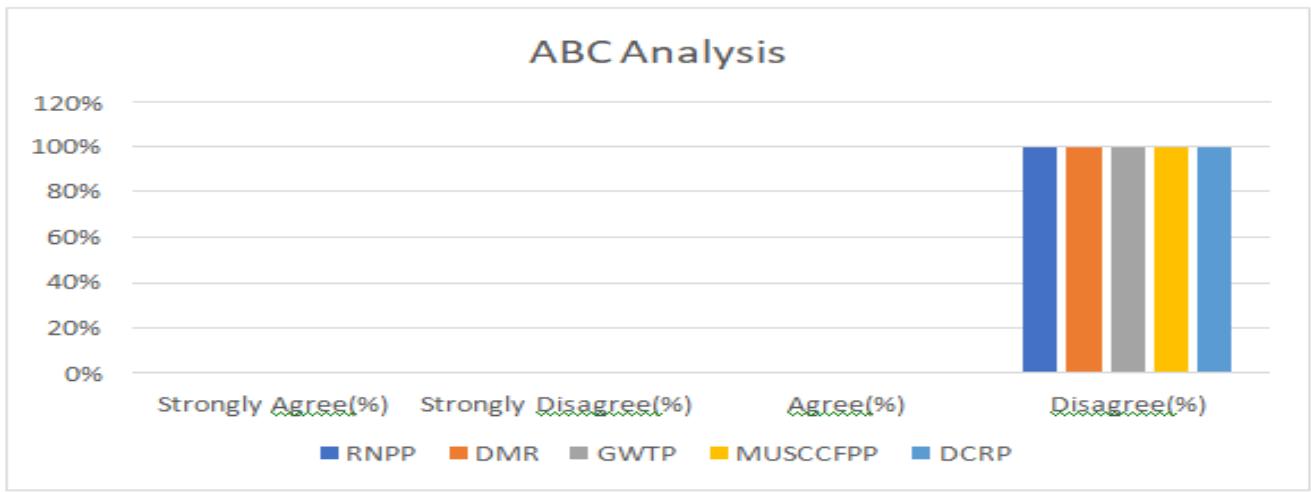
Fig. 12: ABC Analysis Practices
### b) Economic Order Quantity Models (EOQ Model)
Economic Order Quantity (EOQ) is a technique used in inventory management that refers to the optimal amount of inventory a company should purchase in order to meet its demand while minimizing its holding and storage costs.
EOQ Model helps to prevent stock out, reduce holding cost and storage costs, and run the supply chain smoothly in the construction project. So, it may be implemented in construction materials management. To
implement the EOQ model, we have to know the holding cost and storage costs, material costs, lot size, and cycle inventory clearly.
## i. Lot Size or Batch Size(Q)
The quantity that a supply chain stage either produces or orders at a given time.
$$
\text{LotSize} = Q
$$
## ii. Cycle Inventory
Cycle inventory is average inventory that builds up in the supply chain because a supply chain stage either produces or purchases in lots that are larger than those demanded by the customer.
$$
Q = \text{Lotsizeofanorder}
$$
$$
D = \text{Dem and perunitoftime}
$$
$$
Cycle Inventory, (CI) = Q/2
$$
$$
\text{AverageFlowTime} = Q / (2 D)
$$
## iii. Holding Costs/Carrying Cost (H)
The cost incurred for holding the volume of inventory and measured as entage of The unit cost of an item. Which includes
- Capital Cost
- Obsolescence Cost
- Deterioration Cost
- Taxes on Inventory
- Insurance Cost
- Storage and Handling Cost
$$
\text{AnnualHoldingCost} = (Q / 2) H
$$
Where
$$
Q = \text{Lotsize}
$$
$$
H=Holding cost per unit
$$
## iv. Ordering Costs (S)
It is the cost of ordering the item and securing its supply or receiving the item. Which includes
- Buyer Time
- Expense from raising the indent
- Receipt and Inspection of Materials
$$
\text{AnnualOrderingCost} = (\mathrm{D} / \mathrm{Q}) \mathrm{S}
$$
Where
$$
D = \text{Annual}
$$
$$
S = \text{FixedOrderingCost}
$$
$$
Q= Lot Size
$$
## v. Material Cost (C)
Material cost is the cost of the material cost that is used to produce.
### Annual Material Cost = CD
Where
$$
D = \text{Annual}
$$
$$
C = Material Cost per unit
$$
So, we can identify
Total Annual Cost (TC) = Annual Material Cost + Annual Ordering Cost + Annual Holding Cost = CD + (D/Q) S + (Q/2) H
On the basis of the following information, we can calculate the following
- > Optimal lot/order size
- > Cycle Inventory
- Average Flow Time
- Annual Holding Cost
- Annual Ordering Cost
- Annual Material Cost
- Total Annual Cost
- No. of orders per year
## vi. The EOQ Formula
$$
E O Q = \sqrt {\frac {2 \times D \times S}{H}}
$$
H
Where,
$$
D = Annual Demand
$$
S = Fixed Ordering Cost H = Holding Cost
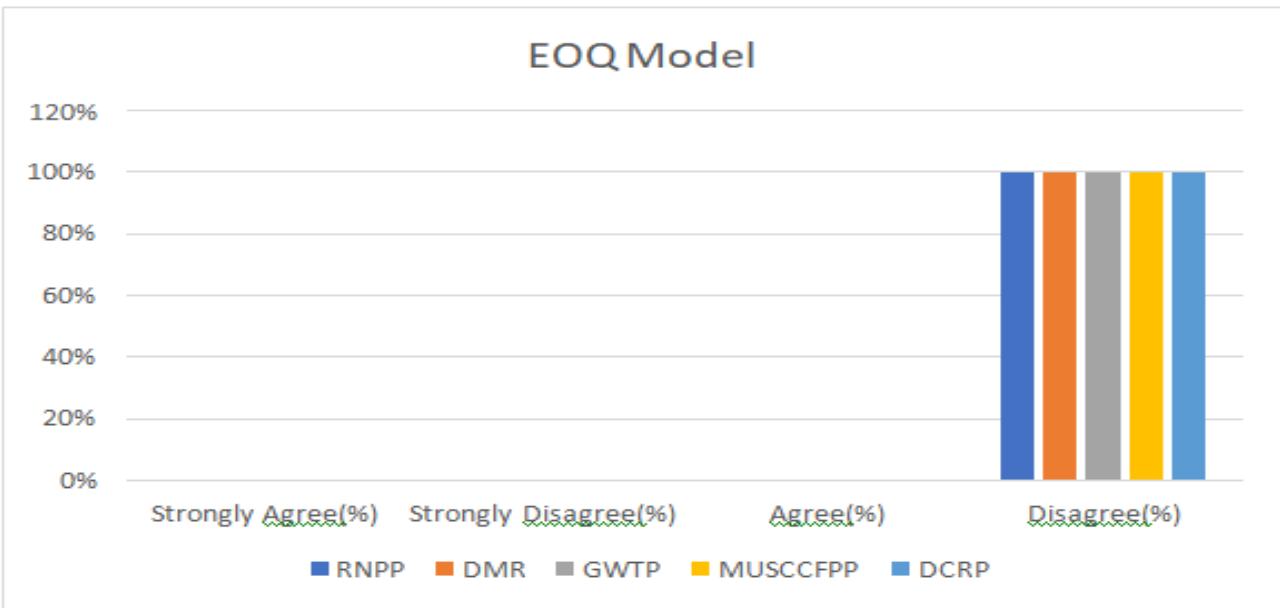 Fig. 13: EOQ Model Practices
From the questionnaire survey in those five projects, we found that all projects have no practices of this tool. The order size of required materials in a construction project depends on project duration,
estimation, BOQ, drawing, and schedule. So, this tool may not be used in inventory management in construction projects.
### c) HML Analysis (High Medium Low)
HML Analysis is an inventory management technique that classifies the materials on the basis of unit prices.
H represents high-price martial
M represents medium-price martial
L represents low-price martial
Now I will show the HML analysis practices in construction projects in Bangladesh through a graph where I consider five mega construction projects (RNPP, DMRP, GWTP, DCRP, MUSCCFPP) in Bangladesh.
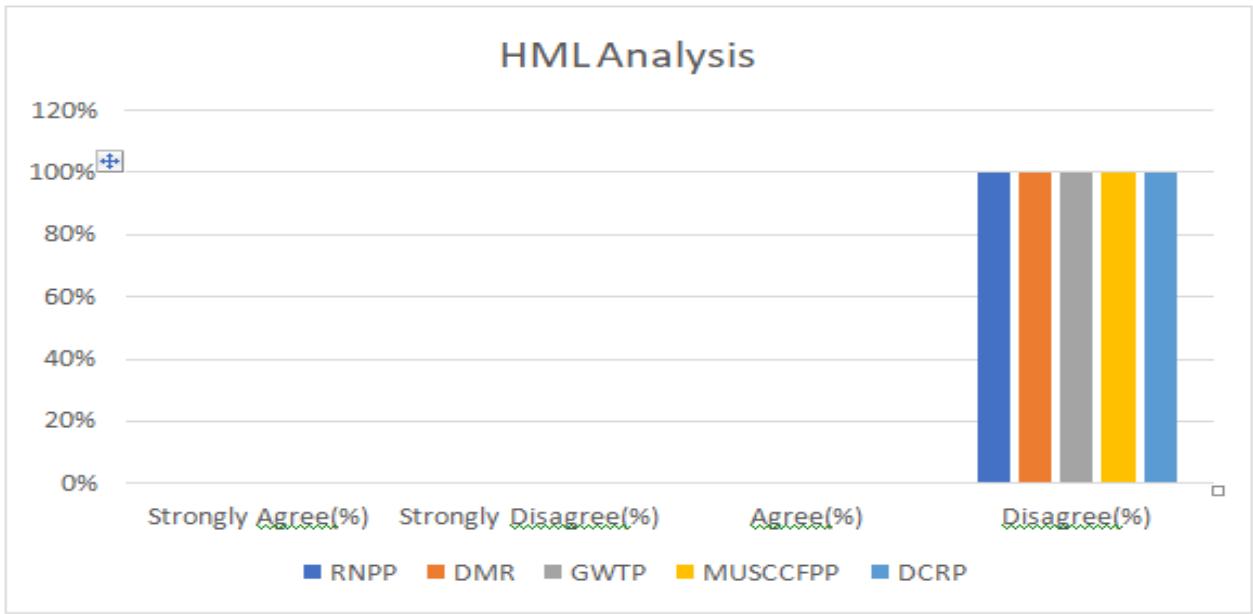 Fig. 14: HML Analysis Practices
From the questionnaire survey in those five projects, we found that all projects have no practices of this tool. In the case of construction projects most important issue is to finish each milestone according to the schedule and the client's required date. And many times, due to the lack of low-price materials a milestone handover may be stopped. So, this tool may not be used in inventory management in construction projects.
### d) FSN Analysis (Fast-moving Slow-moving Non-moving)
FSN Analysis is an inventory management technique that classifies the materials on the basis of their frequency of movement from the store.
#### Fast Moving Items:
These classified items are stocked up in the store in such a way that they can easily deliver for frequency orders and new items can easily replenish for those items.
#### Slow-moving Items:
These classified items are stocked up at some distance from the fast-moving items and do not need to deliver in a certain period of time.
#### Non-moving Items:
These classified items are stocked up for disposal over a long period of time.
Now I will show the FSN analysis practices in construction projects in Bangladesh through a graph where I consider five mega construction projects (RNPP, DMRP, GWTP, DCRP, MUSCCFPP) in Bangladesh.
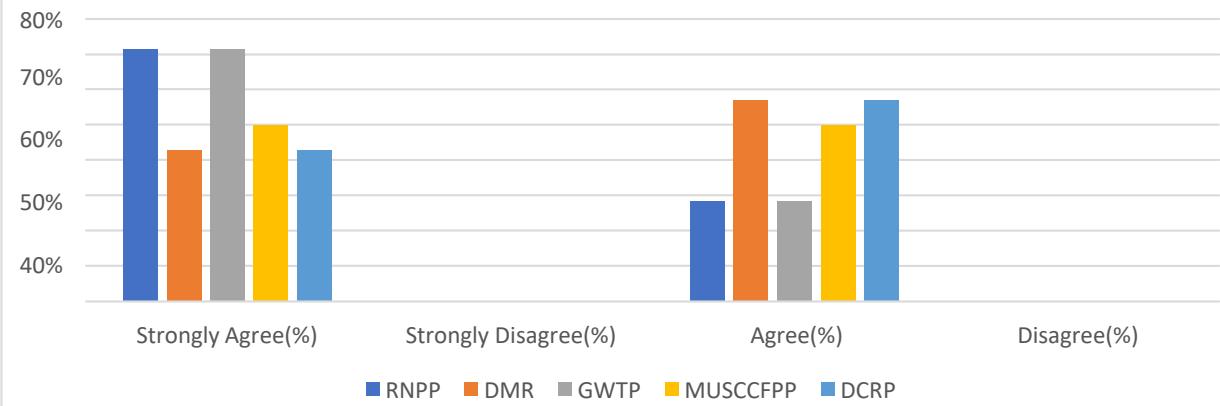
FSN Analysis Fig. 15: FSN Analysis Practices From the questionnaire survey in those five projects, we found that almost all projects have practices of this tool where the project RNPP and GWTP have maximum practices (71%)
### e) VED analysis (Vital Essential Desirable)
VED Analysis is an inventory management technique that classifies the materials according to their functional importance in the project.
#### 1. Vital
- Without which process comes to standstill, non-availability cannot be tolerated
- Inventory strictly monitored and controlled
#### 2. Essential
- Non-availability can be tolerated for a certain period if alternative items are available
- Rigid requirements with reasonably controlled
#### 3. Desirable
- Non-availability can be tolerated for a long time
- Stocked in small amounts, purchased based on usage estimates
Now I will show the VED analysis practices in construction projects in Bangladesh through a graph where I consider five mega construction projects (RNPP, DMRP, GWTP, DCRP, MUSCCFPP) in Bangladesh.
From the questionnaire survey in those five projects, we found that almost all projects have practices of this tool where the project RNPP has maximum practices (50%) and DCRP and MUSCCFPP have comparatively fewer practices (36%) of this tool.
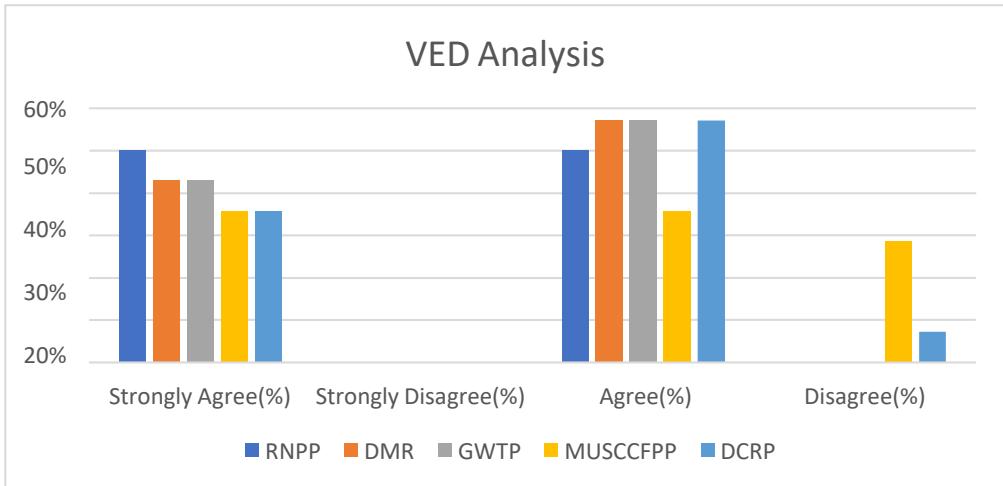 Fig. 16: VED Analysis Practices
### f) Just in Time (JIT)
Just in Time is an inventory management technique in which the required materials are received from the previous fixed and contracted supplier only when the project needs those materials. In this case, materials are not stored but when needed supplier delivers them from his own store.
In the case of mega, foreign aid, critical, foreign materials dependent, vast, and specification projects are risky to follow just in time. But in the case of some materials, it may be implemented by analyzing the supplier's ability. But the small construction industry may be implemented this tool. Finally, I want to say that, it is not effective to bring and store the materials long before they need because it increases the holding cost of inventory, and capital is retained.
Now I will show the Just in Time practices in construction projects in Bangladesh through a graph where I consider five mega construction projects (RNPP, DMRP, GWTP, DCRP, MUSCCFPP) in Bangladesh.
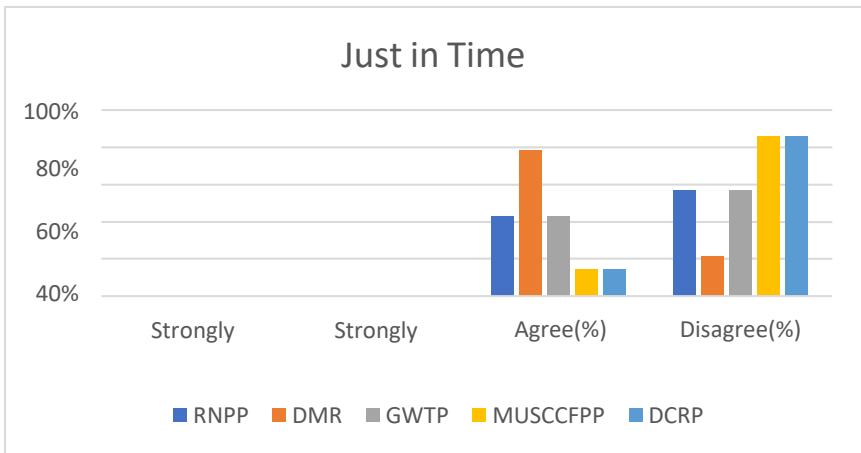 Fig. 17: Just-in-Time Practices
The questionnaire survey and the above graph found that this tool is not followed in the case of all materials, it is followed only in the case of certain materials and it is also depending on the project location. Among the analyzed five projects, the Dhaka Metro Rail project (79%) mostly follows this tool because Dhaka is the capital and crowded city in Bangladesh and here space is not available to store goods. The availability of materials in Dhaka city and the delivery warehouse of suppliers nearest the project also inspired this project to implement this tool. On the other hand, remote projects from Dhaka city like MUSCCFPP, and DCRP comparatively fewer practice this tool.
### g) FIFO Analysis
FIFO Analysis is an inventory management technique in which the items that have been received or purchased first and stocked up in the warehouse, must be sold or shipped first from the warehouse. In a construction project, it may be used for the proper valuation of inventory and to protect goods from spoilage. The materials which are not allowed to use when they cross the expiry date and the materials that lose their functionality and quality after crossing the expiry date must implement the FIFO analysis method. All mega projects in Bangladesh use a variety of chemicals, waterproofing materials, and paints that should strictly maintain FIFO analysis and never should order a huge quantity rather than a certain period of demand.
The store personnel should record of receiving date, batch number, and expiry date in the case of this kind of material.
Some common chemicals that are used in construction projects in Bangladesh are:
1. Admixture
2. MasterEmaco
3. Conbextra Gp2
4. Sika Anchorfix
5. MasterRheobuild 623
6. MasterFlow
7. Sika Grout
8. Master Top
9. Master seal
10. Hot Bitumen
11. Mastic 21
12. Bitumen prime coating
13. Technicol primer
14. Paints
15. Red oxide
16. Wall Putty etc.
Now I will show the FIFO analysis practices in construction projects in Bangladesh through a graph only in the case of construction chemicals where I consider five mega construction projects (RNPP, DMRP, GWTP, DCRP, MUSCCFPP) in Bangladesh.
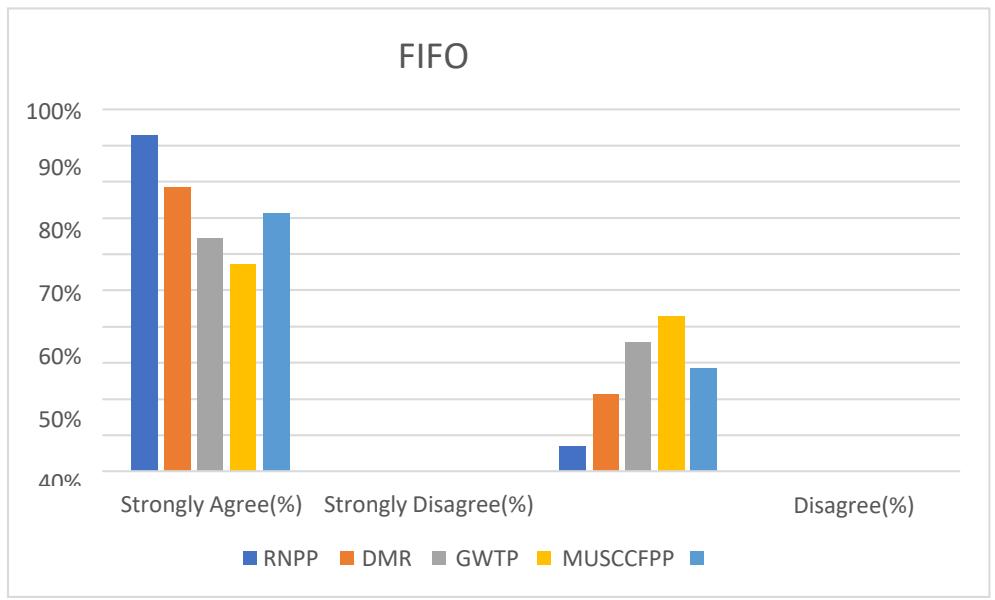 Fig. 18: FIFO Analysis Practices
From the questionnaire survey in those five projects, we found that almost all projects have practices of this tool whereas the project RNPP has maximum practices (93%). All projects follow FIFO Analysis only in the case of construction chemicals.
## VI. CONCLUSION
Maximum mega projects are a new experience in Bangladesh. Different companies in different countries work on these projects and different tools and techniques of their selves exist here. So, most mega projects face different challenging. A successful construction project completion mostly depends on overcoming all inventory management challenges and proper implementation of inventory management tools and techniques. A manufacturing company implements inventory management tools considering annual demand and it is a continuous process but in the case of a project, the demand is fixed as per drawing. So, all tools are not perfect for a construction project. We find from this research that each and every project exist more or less different challenges that have been explained with cause. After surveying five mega projects in Bangladesh, we also observe that some inventory management tools are practiced and some are not. An effective inventory management software like SAP, ERP, and Barcode system may be implemented on the basis of project types.
Generating HTML Viewer...
References
11 Cites in Article
S Narimah Kasim (2018). Materials Tracking Practices for Inventory Management in Construction Projects.
D Sindhu (2014). Performance Analysis of Inventory Management System in Construction Industries in India.
V Jayanth (2018). A DESCRIPTIVE STUDY ON INVENTORY CONTROL MANAGEMENT IN CONSTRUCTION INDUSTRIES.
J Patil (2017). Application of Inventory Management in Construction Industry.
M Patel (2019). Effective Management of Construction Material Using Inventory Control Techniques on Commercial Building Project.
R Patel (2019). Construction Safety Management in Construction Project.
A Gamane Ankush,K (2019). Use of EOQ & BEP in Construction for Material Management.
M Hasim (2020). The Material Supply Chain Management in a Construction Project: A Current Scenario in the Procurement Process.
Akshay Gulghane,R Sharma,Prashant Borkar (2015). Management of construction waste in building architecture: A case study.
V Deepa,Eldhose Sahimol,V Anu (2018). Forecasting of Material Cost in Road Construction Through Material Control Techniques.
R Patel (2019). Influence of Material Management on Construction Project.
No ethics committee approval was required for this article type.
Data Availability
Not applicable for this article.
How to Cite This Article
Md. Jamal Mia. 2026. \u201cInventory Management Practices and Challenges in Mega Construction Projects in Bangladesh\u201d. Global Journal of Management and Business Research - F: Real estate, Event, Tourism Management & Transporting GJMBR-F Volume 23 (GJMBR Volume 23 Issue F3): .
Explore published articles in an immersive Augmented Reality environment. Our platform converts research papers into interactive 3D books, allowing readers to view and interact with content using AR and VR compatible devices.
Your published article is automatically converted into a realistic 3D book. Flip through pages and read research papers in a more engaging and interactive format.
Inventory management is a very important and vital part of any kind of production business because an efficient supply chain depends on mostly proper inventory management. In any mega construction project, inventory management is more critical for binding international standard rules and regulations and also for containing different characteristics of the project. The main objective of this paper is to study the existing research on inventory management, find existing challenging factors that indicate poor performance of inventory management and also find better tools and techniques practices that create overall value for the project. This research paper will be helpful for the construction industry and get guidelines for better inventory management.
Our website is actively being updated, and changes may occur frequently. Please clear your browser cache if needed. For feedback or error reporting, please email [email protected]
Thank you for connecting with us. We will respond to you shortly.