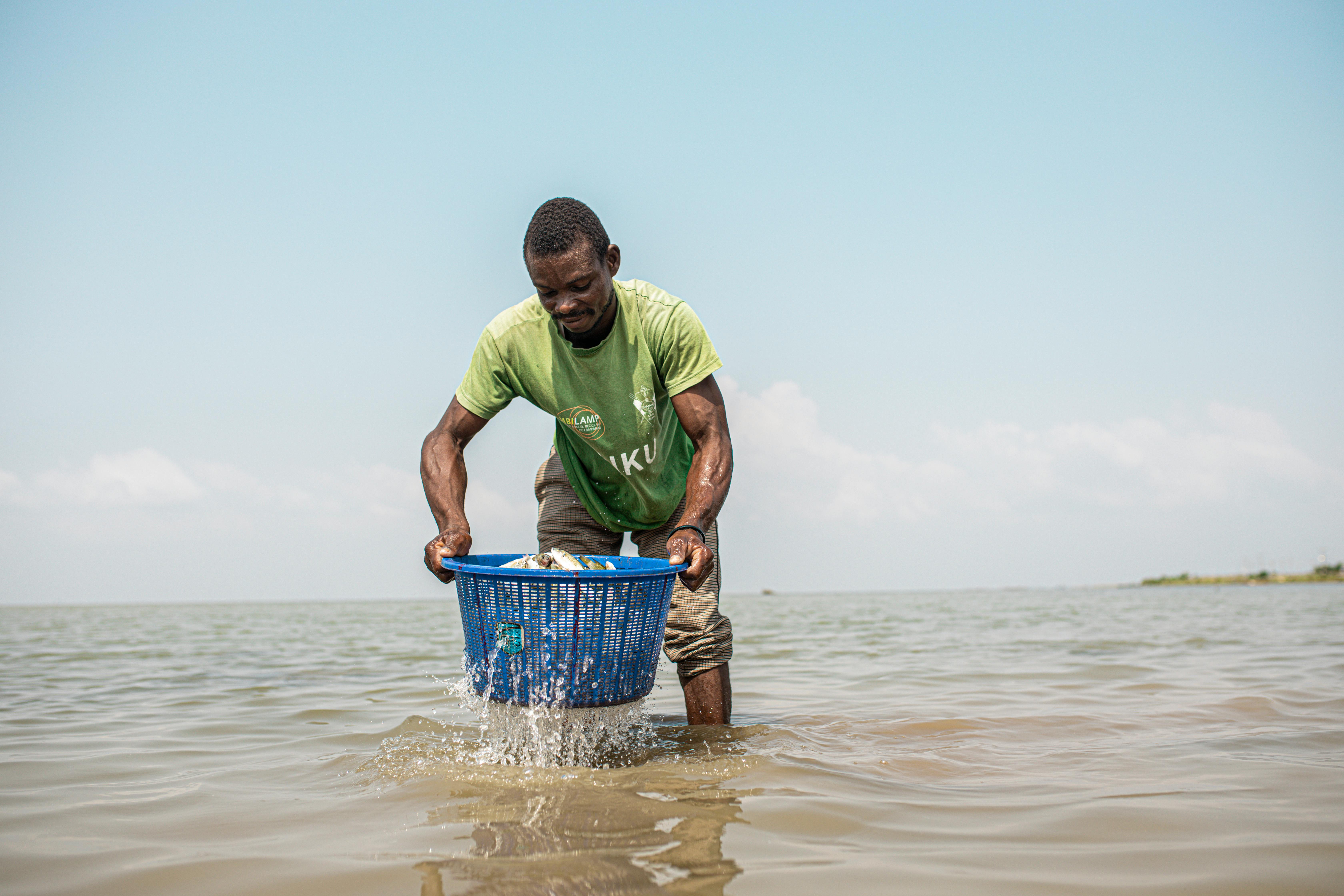
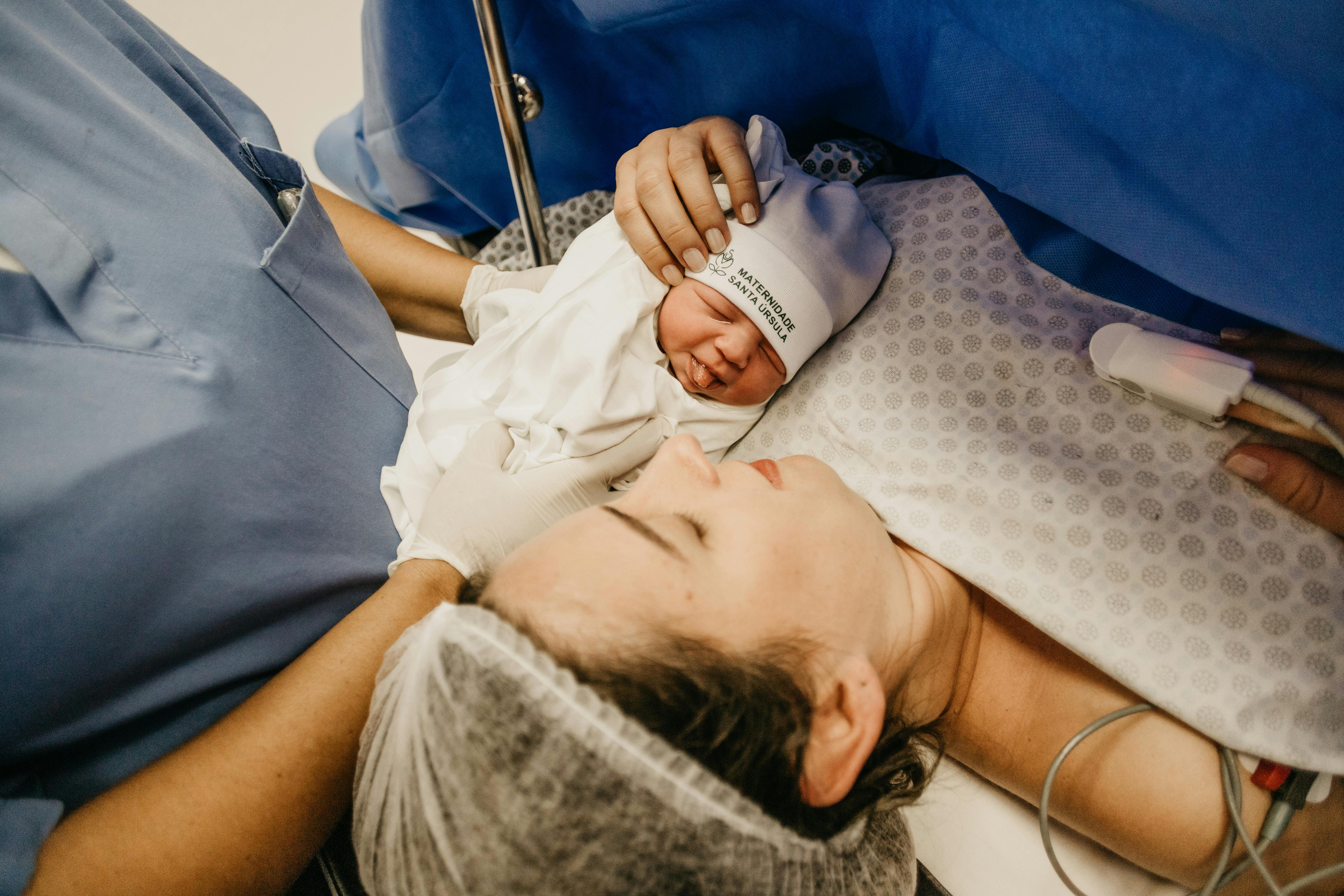
Objectives: To assess knowledge retention and practice change 6-12 months after initial training among mothers and caregivers of under-five children in Zanzibar, and to identify factors associated with sustained adoption.
## I. DESIGN AND SETTING
We will conduct a longitudinal follow-up of mothers and caregivers previously reached by a caregiver education and WASH promotion programme across multiple districts in west urban region in Zanzibar (Urban district, West 'A' district and West 'B' district).
## II. POPULATION AND ELIGIBILITY
The mothers/caregivers of under-five children reached by the programme.
## III. SAMPLING AND SAMPLE SIZE
Population proportion formula will employ using desired characteristics of $50\%$ (Kheir et al, 2025) from knowledge and practice of mothers and caregivers on childhood diarrhea cases as calculated below.
Fishers' formula: n = Z2pq/r2 (Singh, Ajay & Masuku, 2014)
Where: n = Desired sample size; p = Proportion of the population with a desired characteristics which will be 50% (Edwin & Azage, 2019); q = 1; z = standard deviation desired degree of accuracy. Where z is 1.96 if the degree of confidence is 95%; r = Degree of error which will be 5%. Therefore: n was found to be 384. The reason of chosen 50% is same even there are no past studies that already did the same line, also 384 sample size is ethical to the study area are greater than 5000 population. Purpose random sampling is the type of method which will be used in the study to involves selectively individual or elements from a population based on specific criteria or purpose.
## IV. OUTCOMES AND MEASURES
- Correct oral rehydration solution preparation and use, recognition of dehydration/danger signs.
- Handwashing at critical times such as after using the toilet, before eating or preparing food, and after changing a child's diaper.
- Safe water storage and treatment methods such as boiling water.
- Timely care-seeking for diarrhea with danger signs. Danger signs include lethargy or unconsciousness, inability to drink or breastfeed, and vomiting everything
- Knowledge will be measured with a structured questionnaire, and practices by self-report corroborated with spot checks where feasible. Changes from baseline to follow-up will be analysed using mixed-effects models for repeated measures, accounting for clustering at community level and adjusting for key covariates. Subgroup analyses by district and caregiver characteristics are planned. Ethical approval and written informed consent will be obtained.
## V. DATA COLLECTION TOOLS AND TRANSLATIONS
The structured questionnaires, observation checklists and consent will be used as tools for data collection. The all-data collection tools will be prepared in English and translate into Swahili language which is mother tongue of mothers and caregivers.
## VI. FIELD PROCEDURES
A set of standardized instructions for conducting fieldwork is enumerator training, pilot, daily debriefs and referral protocol for danger signs.
## VII. DATA QUALITY ASSURANCE
A systematic process for ensuring data is accurate, complete, consistent, and reliable is skip logic, supervisor review, re-interview rate and secure data handling.
## VIII. ETHICS
Ethical approval will be grant from the Zanzibar medical research ethics committee. Permission to conduct the study will be sought from the respective health centre authorities. The information about the study was given in writings, and study representative explained the benefits, participation rights and freedom to withdraw from the study at any time. The consent will be obtained from mothers and caregivers aged above 18 years of age before collection of information. With regards to interview mothers and caregivers aged 15 to 17 years, a written informed consent will be obtained from a legal guardian for participants below 18 years. Both mothers and caregivers who above 18 years will be provided signed consents and the legal guardians sign assent form. The participants will assure of the confidentiality of the information of knowledge retention and practice change in the household prevention and
management of childhood diarrhea. The information will be obtained from the participant will not intend to be used for any other purpose except for research study.
## IX. ANALYSIS PLAN
A detailed blueprint for a research study that outlines how data will be collected, organized, and analyzed to answer specific questions is repeated measures with clustering, covariate adjustment, planned subgroup analyses.
## X. TIMELINE AND RESPONSIBILITIES
The study expected to be completed in 6 months and following activities will be carried out:
<table><tr><td rowspan="2">Research Activities</td><td colspan="4">Two months</td><td colspan="4">Two months</td><td colspan="4">Two months</td></tr><tr><td colspan="2">First month</td><td colspan="2">Second month</td><td colspan="2">Third month</td><td colspan="2">Fourth month</td><td colspan="2">Fifth month</td><td colspan="2">Sixth month</td></tr><tr><td></td><td>First 2 weeks of Nov</td><td>Last 2 weeks ofNov</td><td>First 2 weeks ofDec</td><td>Last 2 weeks ofDec</td><td>First 2 weeks of Jan</td><td>Last 2 weeks ofJan</td><td>First 2 weeks of Feb</td><td>Last 2 weeks of Feb.</td><td>First 2 weeks of Mar</td><td>Last 2 weeks of Mar</td><td>First 2 weeks ofApr</td><td>Last 2 weeks of Apr</td></tr><tr><td>Completion of rapid methodologic al</td><td></td><td></td><td></td><td></td><td></td><td></td><td></td><td></td><td></td><td></td><td></td><td></td></tr><tr><td>Procurement and deploy materials for field work</td><td></td><td></td><td></td><td></td><td></td><td></td><td></td><td></td><td></td><td></td><td></td><td></td></tr><tr><td>Enumerator training and pilot study</td><td></td><td></td><td></td><td></td><td></td><td></td><td></td><td></td><td></td><td></td><td></td><td></td></tr><tr><td>Collection of data and field work practice</td><td></td><td></td><td></td><td></td><td></td><td></td><td></td><td></td><td></td><td></td><td></td><td></td></tr><tr><td>Data analysis and interpretation</td><td></td><td></td><td></td><td></td><td></td><td></td><td></td><td></td><td></td><td></td><td></td><td></td></tr><tr><td>Report preparation and Publication</td><td></td><td></td><td></td><td></td><td></td><td></td><td></td><td></td><td></td><td></td><td></td><td></td></tr></table>
### QUESTION
Longitudinal follow-up to assess knowledge retention and practice change of mothers and caregivers on childhood diarrhea in Zanzibar, Tanzania.
<table><tr><td rowspan="2" colspan="2">Clinics</td><td colspan="2">Name</td><td>District</td><td>Date</td></tr><tr><td colspan="2"></td><td></td><td></td></tr><tr><td></td><td colspan="2">Address</td><td colspan="3"></td></tr><tr><td></td><td colspan="2">Telephone No.</td><td colspan="3"></td></tr><tr><td></td><td colspan="2">Questions</td><td>Categories</td><td colspan="2">Coding</td></tr><tr><td rowspan="2">1</td><td rowspan="2" colspan="2">Mother or Caregivers</td><td>Mother</td><td colspan="2">1</td></tr><tr><td>Caregivers</td><td colspan="2">2</td></tr></table>
<table><tr><td rowspan="6">2</td><td rowspan="6">Age</td><td>15 - 20</td><td>1</td></tr><tr><td>21 - 25</td><td>2</td></tr><tr><td>26 - 30</td><td>3</td></tr><tr><td>31 - 35</td><td>4</td></tr><tr><td>36 - 40</td><td>5</td></tr><tr><td>41 - 45</td><td>6</td></tr><tr><td rowspan="4">3</td><td rowspan="4">Level of mother education</td><td>Primary education</td><td>1</td></tr><tr><td>Secondary education</td><td>2</td></tr><tr><td>Tertiary education</td><td>3</td></tr><tr><td>None</td><td>4</td></tr><tr><td rowspan="5">4</td><td rowspan="5">Mother occupation</td><td>Farmer Animals keeper</td><td>1</td></tr><tr><td>Public employed</td><td>2</td></tr><tr><td>Private employed</td><td>3</td></tr><tr><td>Housewife</td><td>4</td></tr><tr><td>Self employed</td><td>5</td></tr><tr><td></td><td colspan="3">Knowledge retention</td></tr><tr><td rowspan="3">5</td><td rowspan="3">Diarrheal disease</td><td>Frequent passing watery stool (3 or more stool)</td><td>1</td></tr><tr><td>Frequent passing normal stool</td><td>2</td></tr><tr><td>Blood in stools</td><td>3</td></tr><tr><td rowspan="5">6</td><td rowspan="5">Causes of Diarrheal disease</td><td>Teething</td><td>1</td></tr><tr><td>Contaminated water</td><td>2</td></tr><tr><td>Contaminated food</td><td>3</td></tr><tr><td>Eaten faecal matter/faeces</td><td>4</td></tr><tr><td>Evil eye</td><td>5</td></tr><tr><td rowspan="5">7</td><td rowspan="5">Danger sign of diarrheal disease</td><td>Becoming weak</td><td>1</td></tr><tr><td>Repeated vomiting</td><td>2</td></tr><tr><td>Fever and blood in the stool</td><td>3</td></tr><tr><td>Marked thirst for water</td><td>4</td></tr><tr><td>Other specify</td><td></td></tr><tr><td rowspan="20">8</td><td rowspan="20">Respondents' knowledge about the correct use of ORS</td><td>Do you understand to prepare ORS (homemade solution)?</td><td></td></tr><tr><td>Yes</td><td>1</td></tr><tr><td>No</td><td>2</td></tr><tr><td>If Yes how is ORS prepared?</td><td></td></tr><tr><td>1 sachet of ORS 300ml (1 coke bottle) of water</td><td>1</td></tr><tr><td>1 sachet of ORS-500 ml (1small size of mineral bottle) of water</td><td>2</td></tr><tr><td>1 sachet of ORS - 600 ml (1 beer bottle) of water</td><td>3</td></tr><tr><td>1 sachet of ORS -1000 ml (11) of water</td><td>4</td></tr><tr><td>1 sachet of ORS - 1500 ml (1.5 or large size of mineral bottle) of water</td><td>5</td></tr><tr><td>How often should ORS be given?</td><td>1</td></tr><tr><td>Once a day</td><td>2</td></tr><tr><td>2-3 times a day</td><td>3</td></tr><tr><td>Whatever child wants to drink</td><td>4</td></tr><tr><td>After the passing of very loose stool</td><td></td></tr><tr><td>How long should be mixed ORS last?</td><td>1</td></tr><tr><td>24 hours (1 day)</td><td>2</td></tr><tr><td>48 hours (2 days)</td><td>3</td></tr><tr><td>72 hours (3 days)</td><td>4</td></tr><tr><td>96 hours (4 days)</td><td>5</td></tr><tr><td>Don't known</td><td></td></tr><tr><td></td><td colspan="3">Practices Change</td></tr><tr><td rowspan="2">9</td><td rowspan="2">Drinking Water</td><td>Drinking treated or boiled water</td><td>1</td></tr><tr><td>Not drinking treated or boiled water</td><td>2</td></tr><tr><td>10</td><td>Disposal of child waste in latrine</td><td>Disposal of child waste in latrine
Not disposal child waste in latrine</td><td>1
2</td></tr><tr><td>11</td><td>Maternal feeding practices during child diarrheal disease</td><td>When (Name) had diarrhea, did you breastfeed him/her less than usual, about the same amount, or more than usual?
Less
Same
More
Child not breastfed
Don't known
When (Name) had diarrhea, was he/she offered less than usual to drink, about the same amount, or more than usual to drink?
Less
Same
More
Nothing to drink
Don't known
Was (Name) offered less than usual to eat, about the same amount, or more than usual to eat?
Less
Same
More
Nothing to eat
Don't known
When do you wash hands with soap?
Before prepare food
Before feeding children
After helping children defecation
Never
Other</td><td>1
2
3
4
5
1
2
3
4
5
1
2
3
4
5
1
2
3
4
5
1
2
3
4
5
1
2
3
4
5</td></tr><tr><td>12</td><td>Mother care seeking behavior and place sought for care in this region</td><td>Did you seek advice or treatment from someone outside of the home for (Names) diarrhea?
Yes
No
Where did you first go for advice or treatment?
Hospital
Health center
Traditional practitioner
Other specify</td><td>1
2
1
2
1
2
3
3</td></tr></table>
Generating HTML Viewer...
Funding
No external funding was declared for this work.
Conflict of Interest
The authors declare no conflict of interest.
Ethical Approval
No ethics committee approval was required for this article type.
Data Availability
Not applicable for this article.
How to Cite This Article
Dr. Kheir Makame. 2026. \u201cLongitudinal Follow-up to Assess Knowledge Retention and Practice Change of Mothers and Caregivers on Childhood Diarrhea in Zanzibar\u201d. Global Journal of Medical Research - F: Diseases GJMR-F Volume 25 (GJMR Volume 25 Issue F1).
Explore published articles in an immersive Augmented Reality environment. Our platform converts research papers into interactive 3D books, allowing readers to view and interact with content using AR and VR compatible devices.
Your published article is automatically converted into a realistic 3D book. Flip through pages and read research papers in a more engaging and interactive format.
Our website is actively being updated, and changes may occur frequently. Please clear your browser cache if needed. For feedback or error reporting, please email [email protected]
Thank you for connecting with us. We will respond to you shortly.