
I. INTRODUCTION
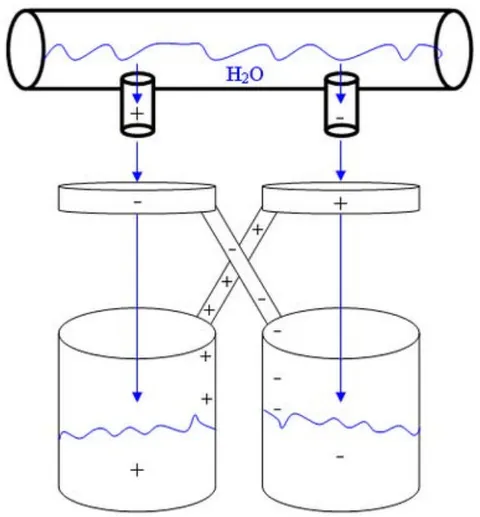
One of the first electrostatic generators is Calvin's dropper, which invented the lord Calvin in 1863 [1]. This generator gave the possibility to obtain voltage of up to 20 kV.
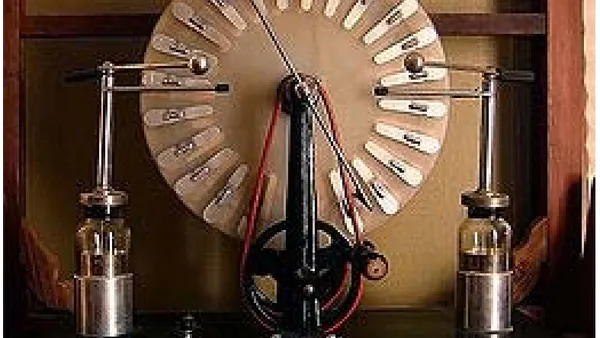
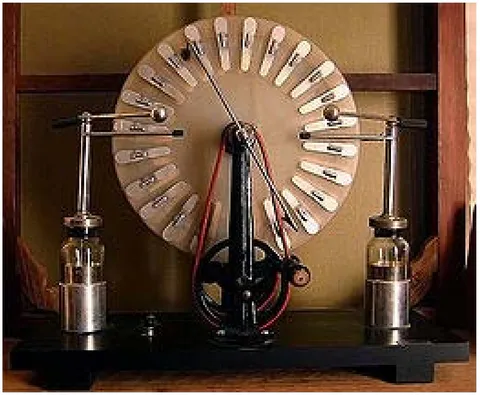
Further development of electrostatic generators was the invention of the electric generator, developed between 1880 - 1883 the British inventor By James by Whimshurst [2]. This generator gave the possibility to obtain voltage 100 kV and it is above.
Wide practical use in the accelerating technology obtained de Graaf's generator [3].
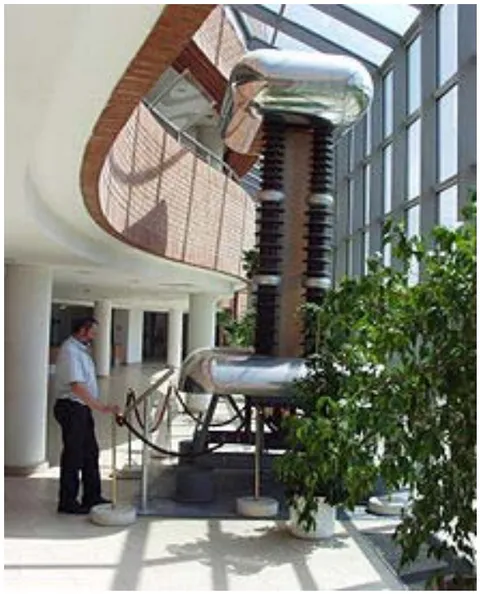
This is the generator of the high voltage, the operating principle of which is based on the electrization of that moving dielectric tape. The first generator was developed American by the physicist By Robert van de Graaf in 1929 for year it made possible to obtain the voltage to 80 kV. In 1931 - 1933 they built the more powerful generators, which made it possible to reach voltage in 1 MV and 7 MV respectively.
The history of the development of the new types of electrostatic generators concludes on this also in the scientific literature other types of such generators are not described.
II. NEW CONSTRUCTIONS OF THE ELECTROSTATIC GENERATORS
Oscillator circuit, intended for obtaining the high voltages, it is represented in Fig. 4.
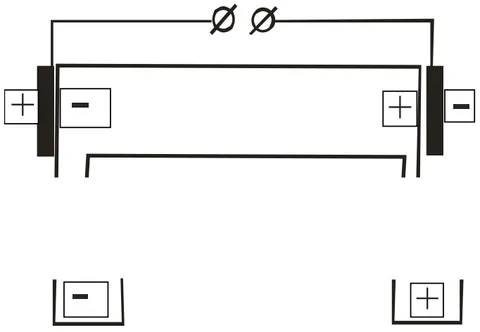
In this diagram the forced polarization of water in the upper capacity is achieved. Polarization is achieved with the aid of the external source, whose voltage is applied to the electrodes, located on the ends of capacity. In this case the water jet, which escapes from lateral openings, bears on itself the charges, which it falls into the lower capacities.
The schematic of pulse electrostatic generator is represented in Fig. 5.
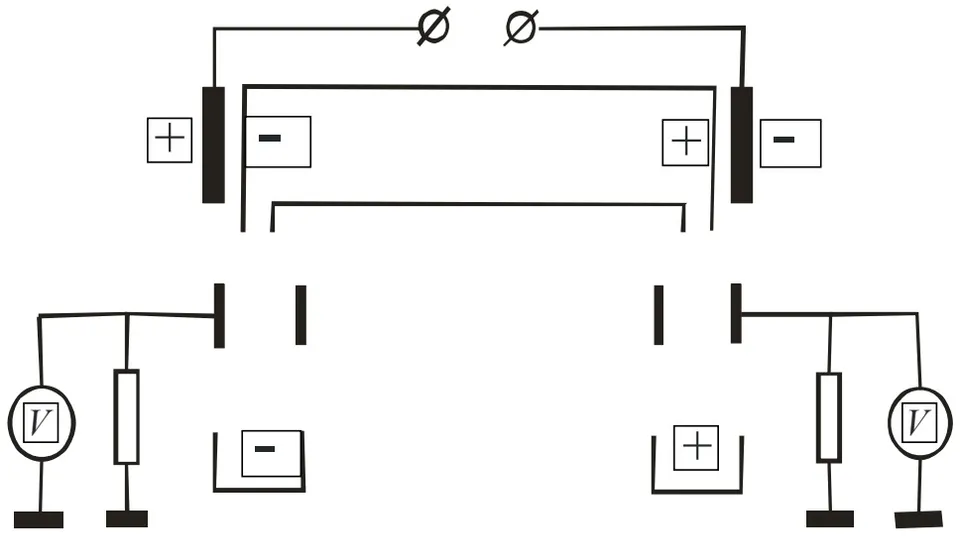
In comparison with the generator with the forced polarization this generator has two additional annular electrodes, capacities with the water located below. The charged drop, flying through these electrodes, induces in them the charges of opposite sign. These charges, flowing through the load resistances, and create on them the appropriate surge voltage. The form of this voltage depends on the relationship of the height of electrodes and diameter of drop. If these sizes are commensurate, then bipolar pulse will be observed. But if the diameter of drop is considerably less than the height of electrodes, then will be observed two short pulses of the different polarity, spread on the time to the transit time of the drop through the electrode.
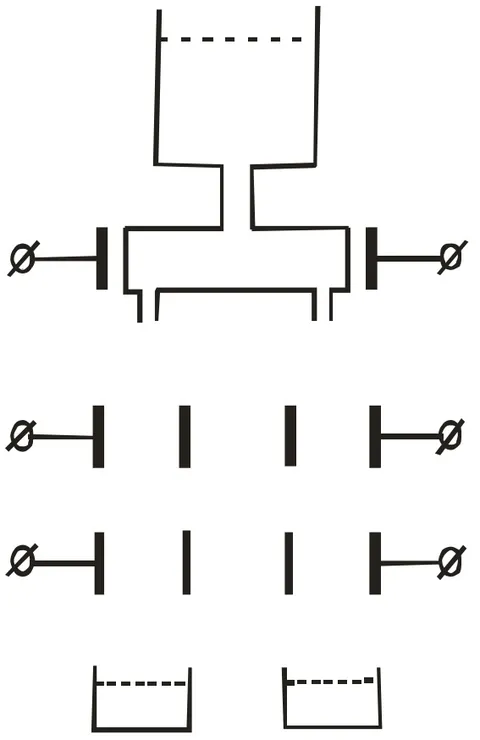
For investigating the new types of generators was assembled the multifunctional mock-up of dropper, in which is possible the realization of different regimes. Depending on the commutation of its different elements can be assembled the mock-up, both the mock-up of Calvin's dropper and, etc the modification of generators. Block diagram of the multifunctional dropper it is shown in Fig. 6.
Electric generator for obtaining the high voltages was also prepared.
The common form of the mock-up of dropper and electric generator is shown in Fig. 7.
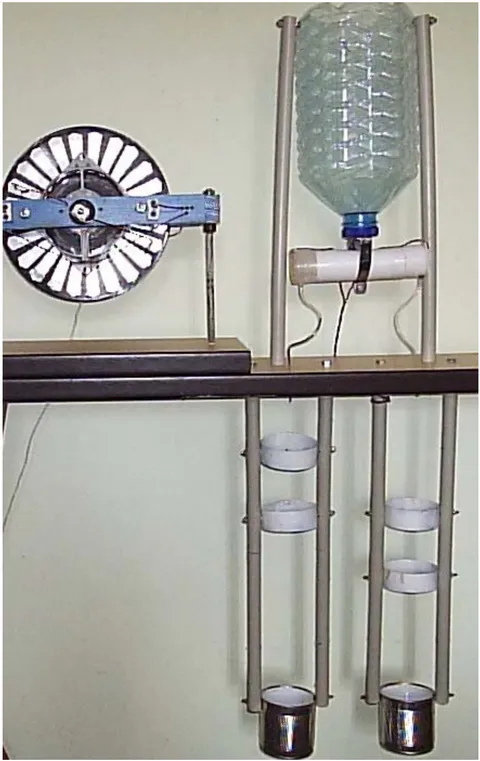
The maximum voltage, which it could ensure generator, is approximately 50 kV.
The mock-up of multifunctional dropper consists of two separate droppers, each of which has on two pairs of electrodes, to which can be connected the electric generator. One of such regimes is represented in Fig. 4. In this regime on the lateral electrodes of upper capacity will be supplied voltage from the electric generator. The electric field of these electrodes polarizes water in the capacity. The carried out experiments showed that this regime differs little from the regime Calvin's dropper.
The experiments were further carried out according to the diagram, represented in Fig. 8.
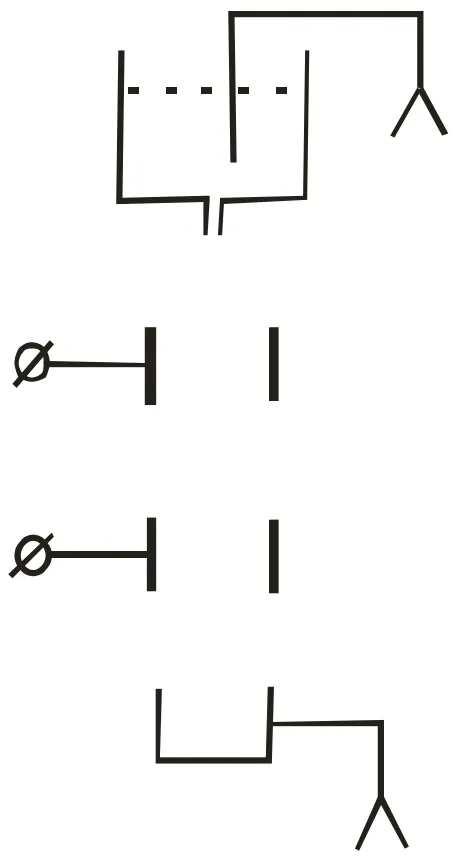
In this case the voltage from the electric generator is connected to two intermediate electrodes, located between the upper and lower capacity, in that place, where the water jet already became drops. As can be seen from Fig. 7, upper capacity is established on two plastic counters and is reliably isolated from the platform, on which is installed the dropper. In the process of conducting the experiment it was explained that the potential of upper capacity remains constant and does not change for entire time interval, thus far upper capacity not to be freed from the water. At the same time the potential of lower capacity, grows, reaching 20 kV, and it has direct dependence on the voltage, supplied from the electric generator of the appropriate electrodes. From this it is possible to conclude that the charges, which fall into the lower capacity, enter not of the upper capacity, but are seized by the polarized drops waters during their flight between the electrodes. This is confirmed by that fact that the process of the electrization of lower capacity considerably increases, when electric generator in immediate proximity is located from the electrodes. This generator is powerful ionizers of atmosphere. The power of the exposure dose of the gamma – emission of normal radiation background comprises order 0.010 - 0.020 mR/h. Here are these indications of radiometer.
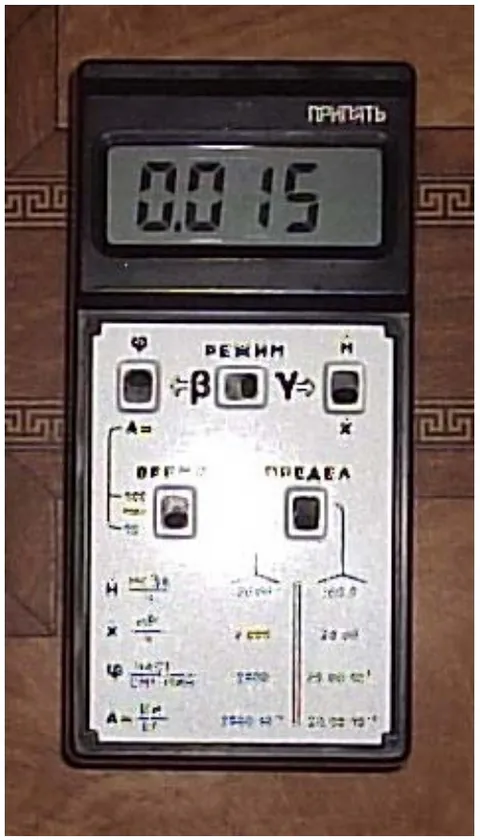
But if radiometer was placed directly on the working electric generator, in as shown in following photograph, then counter shows radiation dose more than one hundred times large of standard. This is the same radiation background, which was observed in the Chernobyl' zone the month after the explosion of reactor.
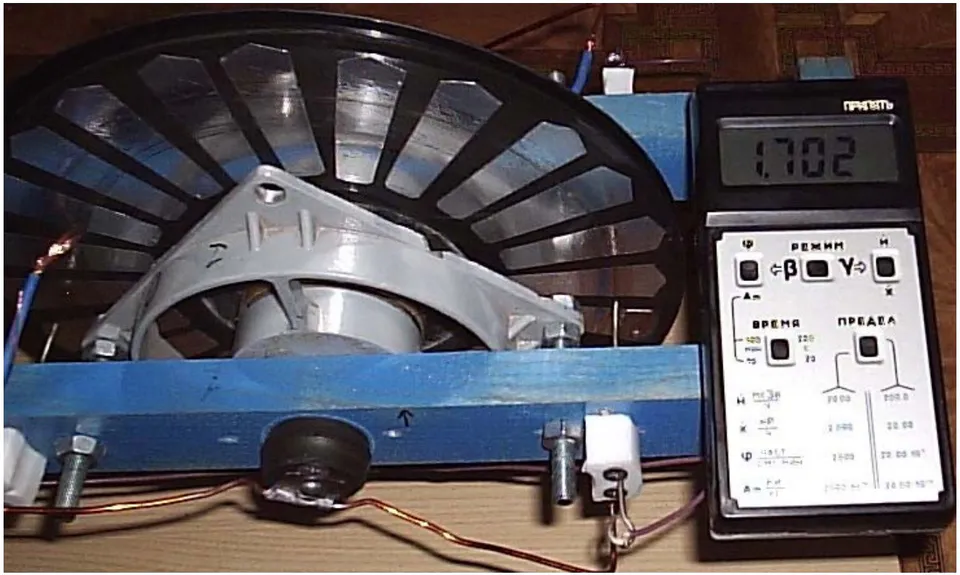
Thus, carried out experiments indicate the fact that polarized drops of water they can seize ions from the atmosphere, which were formed as a result the action of external radiation background.
III. CONCLUSION
One of the first electrostatic generators is Calvin's dropper, which invented the lord Calvin in 1863. This generator gave the possibility to obtain voltage of up to 20 the sq. Further development of electrostatic generators was the invention of the electric generator, razrabotanogo between 1880 - 1883 the British inventor By James by Whimshurst. This generator gave the possibility to obtain voltage of up to 100 kV and it is above.
Wide practical use in the accelerating technology obtained de Graaf's generator. This is the generator of the high voltage, the operating principle of which is based on the electrization of that moving dielectric tape. This first generator was developed American by the physicist By Robert van de Graaf in 1929 for year it made possible to obtain a potential difference to 80 kV. In 1931 - 1933 they built the more powerful generators, which made it possible to reach voltage in 1 MV and 7 MV respectively.
Both the generators examined provide the possibility of obtaining the high values of voltage with the low currents; therefore as the generators of power they are used be they cannot also for this reason for practical application they did not have.
The history of the development of the new types of electrostatic generators concludes on this also in the scientific literature other types of such generators are not described.
In the article are examined three new constructions of the electrostatic generators, one of which is pulse.