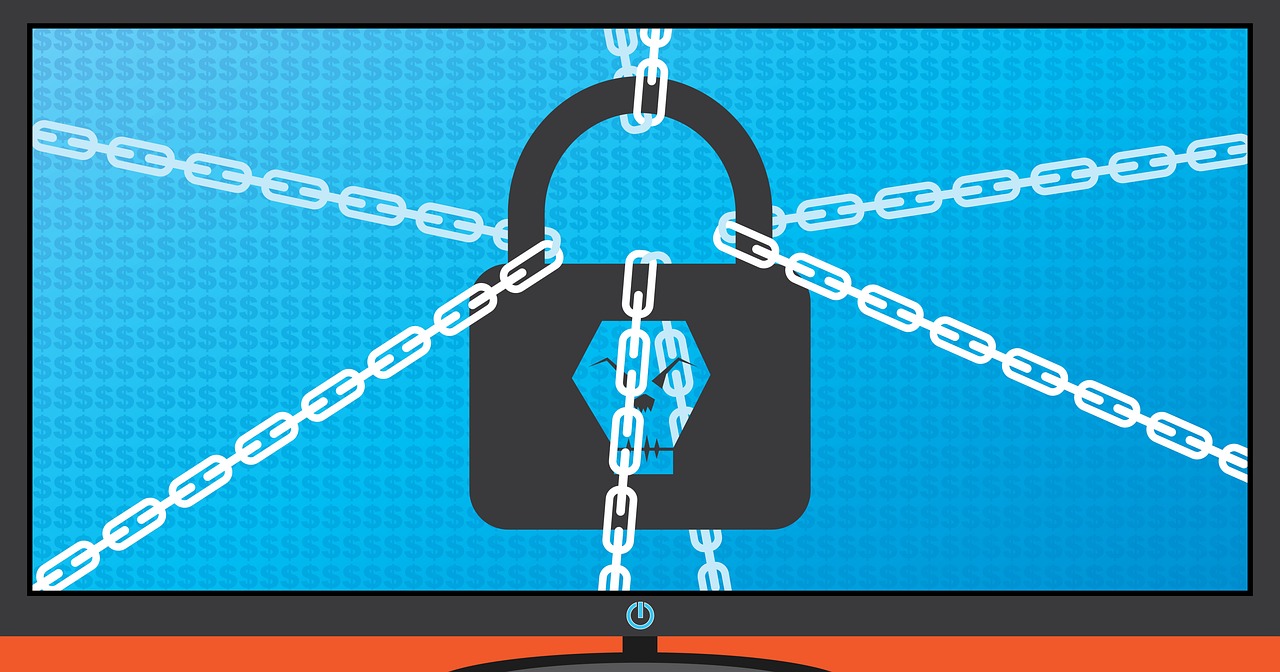
The internet connects us, empowers us, but also exposes us. This paper explores the wild world of cybersecurity, uncovering its challenges and successes. It sheds light on the internet’s dual nature, exploring its vast global impact and susceptibility to various threats, while also acknowledging the swift advancements in hacking techniques. The paper contrasts different perspectives on cybersecurity, focusing on the enhanced security potential offered by specialized cloud computing services. Highlighting the pressing need for cybersecurity, it addresses the increasingly sophisticated cyber threats, including cyber terrorism and espionage, posing significant hurdles for government and business networks. It also delves into the motives and methods of cyber criminals, ranging from profit-driven hackers to state-sponsored groups, showcasing their tactics such as social engineering and phishing. Providing guidance for effective cybersecurity, the paper emphasizes risk assessments, strong authentication methods, education, and compliance with security standards.
## I. INTRODUCTION
Cybersecurity refers to safeguarding internet-connected systems, encompassing hardware, software, and data, against cyber-attacks. It spans cyber and physical security, both crucial for enterprises to ward off unauthorized access to data centres and computerized systems. Security, aiming to maintain data's confidentiality, integrity, and availability, falls within the domain of cybersecurity. The internet has dramatically shrunk the world while exposing us to diverse and challenging influences. Security measures developed rapidly, yet the realm of hacking evolved even faster. In an age defined by digital dependence, where the internet's tendrils reach every corner of life, a critical battle is waged in the shadows. This is the fight for cybersecurity, where the very fabric of our interconnected world hangs in the balance. Awareness, cultural shifts, technological advancements, intercontinental collaboration, and a steadfast commitment to ethical considerations are the pillars upon which a more secure future rest. This comprehensive exploration serves as a compass, guiding everyone through the complex maze of cybersecurity in a world where yesterday's solutions may not suffice for tomorrow's threats.
## II. NECESSITY OF CYBER SECURITY
The scope of cybersecurity operations involves shielding information and systems from various formidable cyber threats, each taking diverse forms. Keeping up with cybersecurity strategies is challenging, especially in governmental and enterprise networks. These threats often target a nation's secretive, political, or military assets, posing a considerable challenge. Common threats include:
1. Cyber Terrorism: Innovative use of information technology by terrorist groups to further political agendas, often manifesting as attacks on networks, computer systems, and telecommunication infrastructures.
2. Cyber Warfare: Nation-states employing information technology to infiltrate another nation's networks for causing damage. Acknowledged as the fifth domain of warfare, cyber warfare attacks, typically executed by well-trained hackers supported by nation-states, compromise valuable data, degrade communications, or disrupt vital services.
3. Cyber Espionage: The practice of using IT to illicitly acquire secret information, often for strategic, economic, or military advantage. Employing cracking techniques and malware, cyber espionage aims to gain critical data without permission.
The boundless web of connectivity that defines our world, while catalysing remarkable progress, also casts a dark shadow: the burgeoning threat landscape of cybercrime. These silent predators lurk in the digital ether, poised to inflict chaos on individuals, businesses, and even nations. This stark reality underscores the critical need for robust cybersecurity measures, a veritable digital shield against the ever-evolving arsenal of malicious attacks. Firstly, cybersecurity stands as the sentinel guarding our sensitive information, mitigating the insidious risks of data breaches, financial losses, and shattered reputations. It meticulously upholds the CIA triad – the holy trinity of data protection – ensuring the confidentiality, integrity, and availability of our digital assets, a cornerstone of trust in the contemporary world. But the need for robust defences extends far beyond protecting personal data. Our very way of life rests upon the interconnected foundation of critical infrastructure – from the pulsating arteries of smart energy grids to the life-saving veins of healthcare systems and the intricate web of financial networks. A single breach in these vital systems can trigger cascading disruptions, crippling daily life and jeopardizing national security. Cybersecurity, therefore, is the fortified wall protecting the critical infrastructure upon which our societies stand. On the global stage, the battle against cyber threats transcends national borders. Espionage, cyber warfare, and other nefarious activities lurk in the shadows, seeking to destabilize nations and compromise sensitive information. Robust cybersecurity becomes, then, a shield for national resilience, bolstering international cooperation in the face of an ever-shifting battleground. In essence, cybersecurity is essential to safeguarding the digital realm and ensuring the continued functionality, safety, and reliability of our interconnected world.
## III. CYBERCRIMINALS
Cybercriminals are individuals or groups that engage in illegal activities using computer systems, networks, or digital devices. They operate with the intent to exploit vulnerabilities, access sensitive information, or cause harm for financial gain, personal motives, or to disrupt operations.
### a) Types of Cyber Criminals
White Hat Hackers: Aso known as ethical hackers, are individuals who use their technical skills to identify and address security vulnerabilities in systems, networks, or applications. They typically operate with the permission of the system owner and aim to improve cybersecurity by proactively finding and fixing weaknesses. White hat hackers often work in roles such as security professionals, penetration testers, or consultants. Their activities contribute to strengthening defines against cyber threats and enhancing overall security posture.
Black Hat Hackers: Black hat hackers are individuals who exploit security vulnerabilities in systems, networks, or applications for personal gain or malicious purposes.
They may engage in activities such as stealing sensitive information, disrupting services, deploying malware, or conducting other illegal actions. Black hat hackers are commonly associated with cybercrime and may operate individually or as part of organized cybercrime groups. Their actions pose significant risks to individuals, organizations, and society as a whole, leading to financial losses, data breaches, and other adverse consequences.
Grey Hat Hackers: Grey hat hackers occupy a middle ground between white hat and black hat hackers. These individuals may engage in hacking activities without explicit authorization but without malicious intent. Grey hat hackers may discover vulnerabilities in systems and networks and choose to expose them to the system owner or the public, sometimes without permission. While their actions may not be inherently malicious, they still operate outside the boundaries of legal and ethical hacking practices. Grey hat hackers blur the lines between ethical and unethical behaviour, raising questions about the appropriateness of their actions.
Script Kiddies: Script kiddies are individuals who lack advanced technical skills but use pre-existing tools, scripts, or malware to launch cyber-attacks. They typically rely on readily available resources and exploit known vulnerabilities without fully understanding the underlying technology. Script kiddies often engage in low-level, opportunistic attacks, such as website defacements, DDoS attacks, or spreading malware. While their impact may be less severe compared to more skilled hackers, script kiddies can still cause disruptions and damage to individuals and organizations, highlighting the importance of basic cybersecurity measures.
State-Sponsored Actors: Nation-states or government-affiliated groups engaging in cyber espionage, cyber warfare, or other cyber activities to advance political, economic, or military objectives.
### b) Motivations Behind Cyber Crime
Cybercriminals pursue various motives, with financial gain standing as a primary incentive. Many engage in illicit activities to reap monetary benefits, targeting sensitive financial information, executing fraudulent transactions, or resorting to ransomware attacks for extortion. Another motivation involves espionage and information theft, where individuals seek to gather sensitive data for competitive advantage, espionage purposes, or political motives. Additionally, some cybercriminals embrace hacktivism, using cyberattacks to advocate for social or political causes. This may involve defacing websites, disrupting services, or leaking sensitive information to advance ideological goals. Lastly, a subset of cybercriminals aims at causing disruption and chaos, with the intent of damaging systems, services, or critical infrastructure. This group pursues its objectives for ideological reasons or personal satisfaction, adding an element of unpredictability to the motives behind cyber threats.
### c) Techniques Used
1. Social Engineering: Manipulating individuals to divulge confidential information.
2. Exploiting Vulnerabilities: Leveraging weaknesses in software, networks, or systems.
3. Phishing and Spoofing: Deceptive techniques to trick users into revealing sensitive data.
## IV. TYPES OF CYBER SECURITY THREATS
1. Malware: Malware refers to malicious software designed to infiltrate, damage, or gain unauthorized access to computer systems.
Types:
Viruses: Programs that replicate themselves by attaching to other programs or files and can cause damage or spread throughout a system.
Ransomware: Encrypted files or systems and demands payment to restore access, often causing significant disruptions or financial losses.
Trojans: Disguised as legitimate software, these programs enable unauthorized access or perform harmful actions on the victim's system.
Spyware: Secretly gathers information about a user's activities without their consent.
2. Phishing: Phishing involves deceptive attempts to trick individuals into revealing sensitive information, often via fraudulent emails, websites, phone calls or messages.
Types:
Spear Phishing: Targeted phishing attacks customized for specific individuals or organizations.
Whaling: Targets high-profile individuals like executives or CEOs for sensitive information or financial gain.
3. DDoS Attacks (Distributed Denial of Service): DDoS attacks overwhelm a system, network, or service with excessive traffic, rendering it inaccessible to legitimate users.
Types:
Volumetric Attacks: Floods networks with high volumes of traffic to consume bandwidth.
Application Layer Attacks: Targets specific applications or services, exhausting server resources and causing service disruption.
4. Man-in-the-Middle (MitM) Attacks: In MitM attacks, an attacker intercepts communication between two parties without their knowledge.
Types:
Session Hijacking: Unauthorized access to an active session between two users.
SSL Stripping: Forces communication to occur over unencrypted channels, allowing attackers to intercept data.
5. IoT-Based Attacks: Exploitation of vulnerabilities in Internet of Things (IoT) devices to gain unauthorized access or cause disruptions.
Types:
Botnets: Compromised IoT devices controlled by attackers to conduct large-scale industrial attacks.
## V. HACKING TOOLS
Hacking tools encompass various categories that aid in unauthorized access, manipulation, or exploitation of computer systems and networks. These categories include Vulnerability Scanners, identifying system weaknesses for potential entry points, and Exploitation Frameworks that automate vulnerability identification and exploitation, allowing unauthorized access. Password Crackers decipher passwords through various techniques to breach systems, while Packet Sniffers and Spoofers intercept and analyse network traffic for data capture or identity spoofing. Remote Access Tools (RATs) enable surreptitious remote control of systemsand Steganography Tools conceal information within files to evade detection. These tools possess functionalities that automate processes, empowering attackers, even those with limited technical expertise, to execute sophisticated attacks, elevating risks to systems and networks. Some tools facilitate anonymity, making it challenging for law enforcement to trace attacks, while others exploit known vulnerabilities, underscoring the importance of regular system updates and patch management for prevention. Despite some legitimate uses for security testing or network administration, misuse of these tools for unauthorized access or malicious activities constitutes illegal actions, contributing to the perpetual evolution and sophistication of cyber threats. Also, Advancements in hacking have birthed SQL injection tools and exploit kits, exploiting vulnerabilities in web applications or operating systems with surgical precision. These instruments, capable of manoeuvring through intricate databases or pinpointing specific system flaws, pose substantial threats to organizations globally. As technology progresses, the menacing arsenal expands to include, social engineering kits, capitalizing on human susceptibility, employ psychological manipulation to coerce individuals into divulging confidential data or performing actions detrimental to cybersecurity.
## VI. CONSEQUENCES OF CYBER ATTACK
Cyber-attacks can yield far-reaching and multifaceted consequences, impacting individuals, businesses, governments, and societies at large. Beyond immediate disruptions, the consequences extend into financial, reputational, and societal realms, and future perspectives suggest these impacts may intensify. Immediate Consequences: Initially, a cyberattack can lead to severe disruptions. It can paralyze systems, leading to downtime and financial losses for businesses. Data breaches compromise sensitive information, potentially exposing personal or financial details of individuals, leading to identity theft or financial fraud. Ransomware attacks encrypt critical data, demanding hefty payments for decryption, causing operational standstills. Moreover, Distributed Denial of Service (DDoS) attacks cripple online services, rendering them inaccessible to users.
Long-Term and Future Consequences: Looking ahead, the consequences of cyber-attacks are expected to evolve and amplify. As technology becomes more embedded in daily life, the potential for larger-scale disruptions looms larger. The rise of interconnected devices through the Internet of Things (IoT) introduces vulnerabilities on a broader scale, leaving critical infrastructure, smart cities, and essential services susceptible to cyber-attacks. Future attacks could target autonomous vehicles, healthcare systems, or smart grids, posing significant risks to public safety and security. As our dependence on digital infrastructure and data intensifies, the financial ramifications of cyberattacks are poised to spiral upwards. A successful breach can inflict not just immediate costs of recovery and remediation, but also long-term damage to business continuity, market shares, and investor confidence. The eroded trust in the wake of even minor leaks can linger, impacting customer loyalty and brand reputation, potentially hampering profitability and competitive advantage for years to come. Beyond impacting individual businesses, cyber threats pose a significant risk to international stability and security. Nation-states increasingly resort to cyber warfare or espionage, weaponizing sophisticated tools and techniques to gain strategic advantages or sow discord. This digital arms race is further fuelled by the growing sophistication of attacks, often employing AI or machine learning algorithms that can inflict widespread damage and unintended consequences, potentially escalating geopolitical tensions and undermining international cooperation. Furthermore, the ever-escalating sophistication of cyberattacks, fuelled by the burgeoning power of AI and machine learning, leaves cybersecurity professionals scrambling to stay ahead of the curve. Cyber-attacks aren't mere inconveniences; they're tremors prefiguring an earthquake in the foundations of trust, stability, and security. Neglecting these warnings won't just inflict financial wounds on businesses, but cast a dark spell of instability across the globe, leaving us navigating a transformed landscape sculpted by the digital storm. Evolving tactics and tools, constantly morphing like digital chameleons, demand a constant arms race of innovation and adaptation. It's a stark call.
to action: fortify our defences, collaborate globally, and embrace ethical considerations before the tremors escalate into an irreversible quake.
# a) A
Globally, businesses invest around $12\%$ of their IT budgets in cybersecurity, prioritizing fortified network segmentation and encryption to protect sensitive data. Human defence, often underestimated, involves training and awareness to mitigate social engineering attacks, reducing the average cost per breached record to $164, as revealed by IBM's report. Despite these efforts, breaches persist, leading to reactive strategies like forensic investigations and data recovery, costing up to $30,000 per incident. Neglecting cybersecurity proves costlier; breaches incur heavy fines, legal expenses, and damage customer trust. The Ponemon Institute estimates an average breach cost of $4.24 million, highlighting the immense financial impact compared to preventive measures. Hence An in-depth examination of various methodologies is paramount to comprehensively address the dynamic cyber threat landscape. One key aspect involves Threat Intelligence Gathering, employing data analytics, honeypot deployments, and threat feeds to meticulously map the evolving threat landscape. This includes characterizing known malwares, phishing campaigns, and ransomware variants, with a strategic focus on emergent threats such as zero-day vulnerabilities and sophisticated supply chain attacks. Following this, the process of Vulnerability Assessment and Penetration Testing becomes crucial, integrating automated vulnerability scanners and manual penetration testing techniques to identify and map exploitable weaknesses across systems, networks, and applications. The analysis encompasses scrutinizing misconfigurations, insecure coding practices, outdated software dependencies, and ineffective security protocols, providing insights into the likelihood of successful exploits and their potential impact. Quantitative Risk Analysis will add another layer, utilizing frameworks like Monte Carlo simulations and attack trees to model potential cyber incidents and their cascading effects. This comprehensive approach will involve estimating the likelihood of attacks, quantifying financial losses (including potential ransom demands and regulatory fines), assessing reputational damage, and evaluating service disruptions. Furthermore, a vital component is the Cybersecurity Posture Evaluation, where the maturity of cybersecurity measures is assessed through a data-centric approach. Leveraging security information and event management (SIEM) systems and incident response logs, organizations can analyse their effectiveness in detecting, responding to, and recovering from cyberattacks. This data-driven evaluation will enable the identification of gaps in existing controls, facilitating informed decisions to prioritize investments in cybersecurity infrastructure and personnel.
### b) Strategies for Safeguarding Cyber Environments
Maintaining effective cybersecurity involves a comprehensive approach encompassing various strategies and practices to safeguard digital assets and systems. Firstly, organizations should undertake thorough risk assessments, identifying critical assets, potential threats, and existing vulnerabilities within their networks. This helps in prioritizing security measures effectively. Implementing strong authentication methods, such as multi-factor authentication (MFA), and enforcing the principle of least privilege ensures heightened login security and restricts user access to only necessary resources, minimizing potential damage from compromised accounts. Regular software updates and patch management are crucial components of cybersecurity maintenance. Timely application of security patches and updates across all systems, software, and applications helps address known vulnerabilities and mitigate potential risks. Deploying firewalls to monitor and control network traffic plays a pivotal role in preventing unauthorized access and filtering malicious content.
Moving away from the traditional perimeter-based security model, we should be implementing these new security measures like the Zero Trust Architecture which assumes no implicit trust, requiring strict verification of every user and device accessing the network. It involves continuous authentication, encryption, and micro-segmentation to limit access and reduce the attack surface. Harnessing the power of Artificial Intelligence (AI) and Machine Learning (ML) is crucial in identifying anomalies, detecting patterns, and predicting potential threats. These technologies enable the development of adaptive security systems capable of learning and evolving to counter new attack vectors. With the widespread adoption of cloud services, robust cloud security measures are imperative. This includes encryption, access controls, multi-factor authentication, and continuous monitoring of cloud environments to mitigate risks associated with data breaches or unauthorized access. The proliferation of Internet of Things (IoT) devices presents new challenges. Strengthening IoT security involves robust authentication mechanisms, regular updates and patching, encryption of data in transit and at rest, and network segmentation to isolate IoT devices from critical systems. Embracing automation in cybersecurity streamlines incident response, threat detection, and vulnerability management. Also, Adherence to regulatory frameworks like GDPR, CCPA, or the current industry-specific standards is vital.
Ensuring effective cybersecurity encompasses a comprehensive approach that extends beyond technological advancements. Central to this strategy is the imperative need for a digitally literate population. Future research outlines the integration of cybersecurity education into primary curricula, accompanied by VR simulations of cyberattacks to enhance awareness. Block chain technology will emerge as a cornerstone, offering an unreachable ledger that guarantees data security by ensuring the integrity and immutability of sensitive information. Complementing this, self-healing infrastructure, drawing inspiration from biological systems, autonomously repairs vulnerabilities, significantly mitigating cyber threats. However, the evolution of defence mechanisms goes beyond technological prowess due to the looming threat of quantum computers to traditional cryptography. Established cryptographic methods like RSA and ECC face vulnerability to Shor's algorithm, highlighting the need for Quantum Resistant Cryptography (QRC) as a formidable defence. QRC, founded on intricate principles of lattice-based cryptography, coding theory, and multivariate cryptography, leverages problems that even the most powerful quantum computers cannot solve, safeguarding current digital infrastructures. Additionally, the ground-breaking potential of Homomorphic Encryption (HE) offers a paradigm shift in data security. HE enables computations on encrypted data while preserving confidentiality, rooted in complex ring-based constructions and lattice cryptography. This innovation allows for diverse calculations, from basic arithmetic operations to intricate functions, without compromising the encryption of original data. HE's ability to conduct secure computations on encrypted data, sans decryption, will open new frontiers in privacy-preserving computation, promising significant advancements in sectors reliant on secure data management like healthcare, finance, and sensitive information processing.
## VII. CONCLUSIONS
The comprehensive exploration of cybersecurity in this research paper has shed light on the intricate landscape of digital security, encompassing diverse aspects such as threats, vulnerabilities, consequences of cyber-attacks, hacking tools, and strategies to mitigate cyber risks. By delving into the nuances of cybersecurity, this paper has achieved several significant milestones.
Firstly, it provided a comprehensive understanding of the cybersecurity landscape, delineating the critical elements and intricacies involved in safeguarding digital environments. The paper elucidated the significance of cybersecurity in an era marked by increased reliance on interconnected systems, emphasizing its role in protecting data integrity, confidentiality, and the functioning of critical infrastructure. Moreover, the paper delved into the intricate realm of cyber threats, offering an in-depth analysis of various types of cybercriminals, their motivations, techniques, and the ethical and legal dimensions involved in their actions. It detailed the diverse range of cyber threats, spanning from malware and phishing to sophisticated hacking tools, providing a holistic view of the challenges faced in the digital realm. The research paper also explored the multifaceted consequences of cyber-attacks, both immediate and future-oriented, highlighting their impact on individuals, businesses, governments, and society as a whole. By forecasting potential future consequences, it illuminated the evolving nature of cyber threats and their implications on a broader societal scale. Furthermore, the paper outlined various new strategies and measures for maintaining effective cybersecurity, offering a comprehensive toolkit encompassing risk assessment, technological advancements, policy frameworks, education, and ethical considerations. It provided insights into reducing cyber-insecurity by promoting a culture of awareness, collaboration, and technological resilience.
Finally, the paper scrutinized the level of cyber risk, dissecting the multifaceted dimensions involved in assessing and quantifying potential threats, vulnerabilities, and their implications. It emphasized the importance of understanding the threat landscape, scrutinizing vulnerabilities, and quantifying the potential impact of cyber incidents. In essence, this research paper has significantly contributed to the realm of cybersecurity by providing a comprehensive understanding of its multifaceted nature, offering insights into mitigating risks, and highlighting the evolving challenges faced in safeguarding digital environments. It serves as a foundational resource for comprehending the complex interplay between technology, security, ethics, and policy in the digital age.
Generating HTML Viewer...
References
12 Cites in Article
R Anderson (2008). Security Engineering: A Guide to Building Dependable Distributed Systems.
R Clarke,R Knake (2010). Cyber War: The Next Threat to National Security and What to Do About It.
Goodman (2015). The Global Cyber-Vulnerability Report.
A Greenberg (2019). Sandworm: A New Era of Cyberwar and the Hunt for the Kremlin's Most Dangerous Hackers.
S Landau,J Farwell (2016). Privacy, Big Data, and the Public Good: Frameworks for Engagement.
B Schneier (2015). Data and Goliath: The Hidden Battles to Collect Your Data and Control Your World.
W Norton,Company (null). W.W. Norton & Company, Inc.
Peter Singer,Allan Friedman (2014). Cybersecurity and Cyberwar.
J Brenner (2018). America the Vulnerable: Inside the New Threat Matrix of Digital Espionage, Crime, and Warfare.
T Rid (2016). Rise of the Machines: A Cybernetic History.
K Zetter (2014). Countdown to Zero Day: Stuxnet and the Launch of the World's First Digital Weapon.
Digital Realm: Navigating Cyber Threats, Risks, and Resilience.
No ethics committee approval was required for this article type.
Data Availability
Not applicable for this article.
How to Cite This Article
Jai Bhortake. 2026. \u201cSecuring the Digital Realm: Navigating Cyber Threats, Risks, and Resilience\u201d. Global Journal of Computer Science and Technology - G: Interdisciplinary GJCST-G Volume 24 (GJCST Volume 24 Issue G2): .
Explore published articles in an immersive Augmented Reality environment. Our platform converts research papers into interactive 3D books, allowing readers to view and interact with content using AR and VR compatible devices.
Your published article is automatically converted into a realistic 3D book. Flip through pages and read research papers in a more engaging and interactive format.
The internet connects us, empowers us, but also exposes us. This paper explores the wild world of cybersecurity, uncovering its challenges and successes. It sheds light on the internet’s dual nature, exploring its vast global impact and susceptibility to various threats, while also acknowledging the swift advancements in hacking techniques. The paper contrasts different perspectives on cybersecurity, focusing on the enhanced security potential offered by specialized cloud computing services. Highlighting the pressing need for cybersecurity, it addresses the increasingly sophisticated cyber threats, including cyber terrorism and espionage, posing significant hurdles for government and business networks. It also delves into the motives and methods of cyber criminals, ranging from profit-driven hackers to state-sponsored groups, showcasing their tactics such as social engineering and phishing. Providing guidance for effective cybersecurity, the paper emphasizes risk assessments, strong authentication methods, education, and compliance with security standards.
Our website is actively being updated, and changes may occur frequently. Please clear your browser cache if needed. For feedback or error reporting, please email [email protected]
Thank you for connecting with us. We will respond to you shortly.