I. INTRODUCTION
There is a theory that the origin of life on planet Earth comes from outer space, at the same time it has been shown that genetically both plants and microorganisms on this planet have information that allows them to survive extreme conditions of temperature, pressure, UV radiation and other that they prevent it (Rothchild and Mancinelli, 2001; Beck-Winchatz and Bramble, 2014; Coleman and Mitchell, 2014; Caro et al., 2019; Antunes, 2020; DasSarma et al., 2020; Diez et al., 2020). The foregoing is supported by the response of both life lines subjected to such conditions (Berry et al., 2010) in addition to the research known as exobiology that endorses it with tests of seeds and microorganisms launched into the stratosphere by means of spikes and nanosatiles (Murcray et al., 1969; Coleman and Mitchell, 2014; Caro et al., 2019). The objective of this research was to demonstrate the survival capacity of seeds of Beta vulgaris, Lactuca sativa, Solanum lycopersicum, Bifidiobacterium citreum, Lactobacillus plantarum and Leuconostoc lactis in a Picosatellite trip to the stratosphere.
II. MATERIAL AND METHODS
a) CanSat-type picosatellite
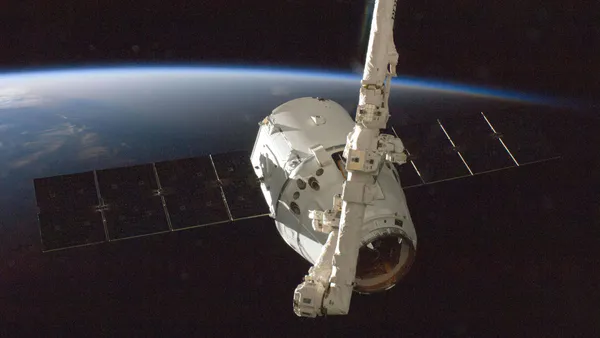
The biological samples were sent to stratosphere in CanSat-type picosatellite was made by students of directed by Dr. Edgar Cardenas-Escamilla from Engineering Electronic. National Technology of Morelia, Morelia, Michoacan, Mexico. Have three prefabricate printed circuit board. The sensor board has two analogues sensors, one pressure sensor to calculate the altitud of the CanSat. Also, to program the processor board to handle data the transmission frequency is adjusted in the program and container with two Petri dishes containing plant seeds and bacterial samples that were exposed to direct stratospheric environmental conditions (Smith et al., 2014; Smith and Sowa, 2017).
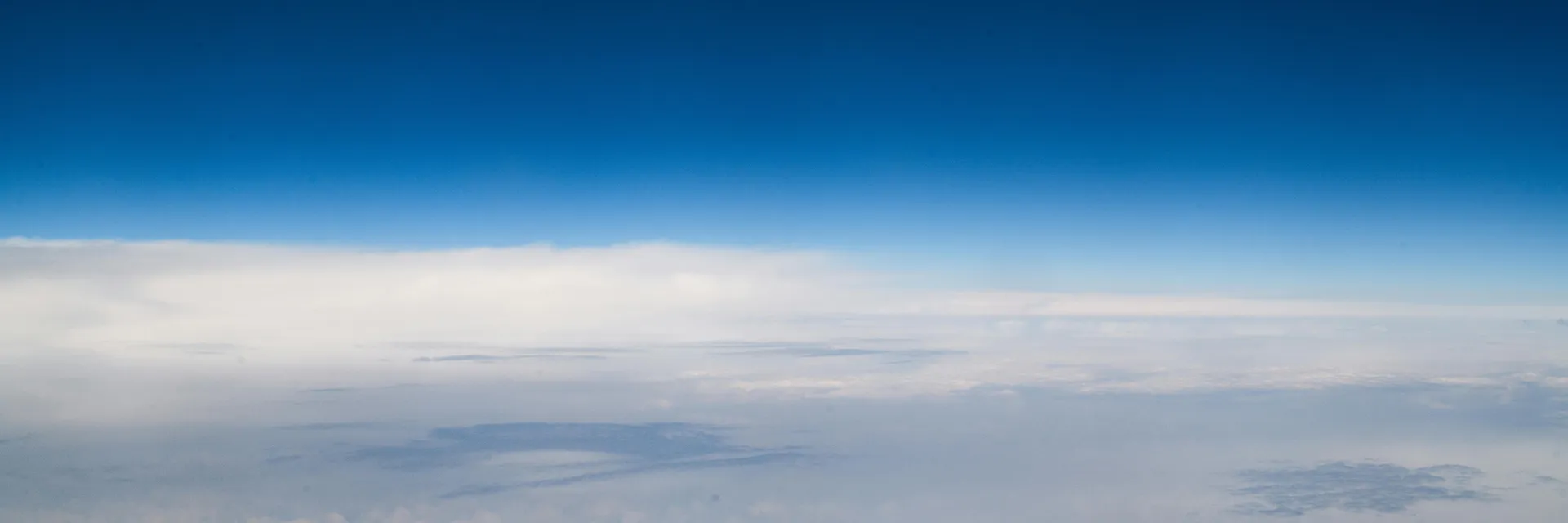
The CanSat picosatellite was launched on February 20 of 2020 at 11 am from Morelia, capital of State of Michoacan, Mexico (video playback https://youtu.be/ICQQFuyayN2w). The balloon ascended for to a mean float altitude of where it remained for , followed by a 35 min parachute descent, at Ciudad Hidalgo, Michoacan, México landing at from Morelia at the northwest of the launch site north latitude . The sample exposure began during the ascent to with the opening of the Trex-Box shutter at 1521 UTC and ended and later with the closing of the Trex-Box shutter during the descent to at 2040 UTC. To evaluate the effect of the environmental conditions: high, , relative humidity; 0.0042, including the UVB radiation estimated total of of UVA. The CanSat was transferred from Ciudad Hidalgo to Morelia for 1.50 minutes, but the petri dishes with plant seeds and bacteria in a container with ice at to measure the viability of both, plant seed and bacteria at the stratosphere on the viability of seeds of B. vulgaris (beetroot), S. lycopersicum (tomato), and L. sativa (lettuce). A viability test was performed before and after (Saruyama and Tanida, 1995), being sent to the stratosphere on the CanSat 6 picosatellite (Beck-Winchatz and Bramble, 2014; Caro et al., 2019). As well as the genera and species of probiotic bacteria isolated from natural yogurt: B. citreum, La. plantarum, Le. lactis by viable plate count in nutrient agar (g/L): 10.0, glucose; 5.0, casein peptone; 1.0, yeast extract; 18.0, bacteriological agar, the concentration of each was reported as colony- forming units per ml (Smith et al., 2014).
| Seed+ | Germination percentage (%) | |
| In solarium | sent to the stratospher4 | |
| Solanum lycopersicum | 96.66a* | 0.0b |
| Lactuca sativa | 90.33b | 0.0b |
| Beta vulgaris | 96.66a | 46.6a |
III. RESULTS AND DISCUSSION
Table 1 shows the survival of of the B. vulgaris seed in the picosatile at the environmental conditions of the stratosphere high at a temperature of as well as UV radiation and cosmic rays for a interval between 2 hours before declining, it is possible that the type of crioprotector, combined with the relatively short time of exposure to these conditions, favored the survival of the B. vulgaris seed in contrast to the total loss of viability of the L. sativa seeds. and Solaneum lycopersicum (Saruyama and Tanida, 1995; Wang et al., 2018) compared to the high viability of all seeds under controlled conditions of temperature in the absence of light and normal atmospheric pressure in a terrestrial environment.
Table 2 shows the survival of the genera and species of probiotic bacteria . citreum that, launched in the satellite peak into the stratosphere, did not survive in that environment, in contrast, La. plantarum of the original total exposed survived , while Le. lactis reach . It is possible that the cryoprotectants that they possess as well as the DNA repair enzymes have prevented the death of these probiotics based on the relatively short time in which they were exposed (Berry et al., 2010; Smith and Sowa, 2017 DasSarma et al., 2020).
| Probiotic strain tested | Probiotic strain (control) | Sent to stratosphere |
| Bacteria UFC X10^7 | Bacteria UFC X 10^6 | |
| Absolute control (AC) | 0^c* | 0^b** |
| Lactobacillus plantarum | 263^a | 102^a |
| Bifidobacterium citreum | 107^b | 0^b |
| Leuconostoc lactis | 133^b | 92^a |
III. CONCLUSION
Experimentation with picosatellites launched into the stratosphere containing plant seeds and probiotic genera and species that do not produce spores are a model for the survival of life on Earth despite adverse conditions. What can help the understanding of diseases in humans, plants and animals that are dispersed by the wind in the different environments of the planet. Ongoing research will help establish public policy in human and plant epidemiology.
ACKNOWLEDGMENTS
To project 2.7 of the CIC-UMSNH (2022) for the facilities for the publication. To Phytonutrimentes de México and BIONUTRA, S.A, de C V Maravatio, Mich; México to support this publication.