
I. INTRODUCTION
Moringa oleifera Lam. belongs to the monogeneric shrubs and trees family Moringaceae, considered to have originated in Agra and Oudh, in the north-western region of India and south of the Himalayan mountains (Mallenakuppe et al., 2019). It is now grown throughout the Middle East, almost all of the tropical belt and was introduced to East Africa from India in the early 20th century. Around 33 species have been recorded in the Moringaceae family. Of these, thirteen species namely, M. arborea, M. borziana, M. concanensis, M. drouhardi, M. hildebrandtii,
M. longituba, M. oleifera, M. ovalifolia, M. peregrina, M. pygmaea, M. rivae, M. ruspoliana, M. stenopetala are well known and occur worldwide (Mallenakuppe et al., 2019).
Melom et al., (2016) studied the morphological characteristics of different local varieties of Moringa oleifera in the Logone valley (Chad-Cameroon). These authors showed that the most decisive parameters, i.e. leaf length and width, capsule length and number of seeds per capsule, using Hierarchical Ascending Classification (CAH) enabled them to identify three morphotypes of M. oleifera individuals in the area. Morphotype 1, morphotypes with large leaves, the most represented with 43% of individuals; morphotype 2, morphotypes with small leaves, moderately represented with 33% of individuals and morphotype 3, the least represented, with 24% of individuals. The general characteristics of the three morphotypes are described below.
Morphotype 1:
The bipinnate and tripinnate compound leaves are imparipinnate quadripinnate, cm long and cm wide. The petioles are cylindrical, pubescent, with a thickened base and a small linear depression on the ventral part. The pale green rachis, also cylindrical, are less pubescent. The leaflets have a wedge-shaped, obtuse base and a mucronate apex; they are oval, green ventrally and greenish dorsally. The larger terminal leaflet is short-stalked, more or less glabrous, oval to rounded. The pinnate veins are barely visible (Melom et al., 2016).
The panicle-shaped flowers are tubular, whitish and cm long. The five sepals, cm long, are obovate and tinged with red behind their apex. The five petals are also obovate, with inward-curving edges and a mucronate apex. They are also tinged red at the base, with red and/or yellow spots. The androecium contains yellow anthers, while the filaments are yellowish and less pubescent. The five stamens, cm long, are fused at their more pubescent base. The pistil is green and pubescent. In the flower buds, the stamens are often separated by staminodes.
The linear, angular, 3- or 4-sided capsules are on average cm long with 2 grooves on each side; they are more or less beige to greyish when ripe. They are large fruits, appearing round; they are straight, but sometimes curved entirely, either at the base or at the beaks. The beaks are straight or curved, with pointed or sharp tips, while others are thin, pointed or sharp. At maturity, the capsules contain an average of seeds. The seeds are spherical, round, with a brown and/or pale-brown, semi-permeable shell. The shell has three white wings, which extend from the base to the top (Melom et al., 2016).
Morphotype 2:
The leaves are imparipinnate, of the same type as group 1, but cm long and cm wide. The green and sometimes reddish petioles are more pubescent than the pale green rachis; they also have a short linear depression on the ventral surface. The leaflets have a wedge-shaped base with an obtuse, wedge-shaped, mucronate apex; they are oval, green ventrally and greenish dorsally.
The flowers, cm long, are white, cruciform or tubular and pubescent. The sepals, which are moderately long ( cm), are also obovate, while the five petals are oblong. The stamens are shorter than those above ( cm).
The fruits are slender, slightly longer (33.11 ± 4.59) than those of group 1 and generally have 3 sides. The capsules are straight, but sometimes entirely curved, either at the base or at the beak. Some beaks are rounded, mucronate or simply acuminate. The capsules contain an average of 11.00 ± 2.94 brown and/or pale brown to black seeds (Melom et al., 2016).
Morphotype 3:
Individuals in this group have shorter leaves (31.48 ± 1.48 cm long), with greyish to reddish, pubescent petioles. They are cylindrical, thickened at the base with a short linear depression on the ventral surface.
The green rachises have oval leaflets with an obtuse base and mucronate apex, with a green upper surface and greenish lower surface.
The medium-length flowers (3.45 ± 0.07 cm) are white with white sepals that are longer (1.40 ± 0.03 cm) than those of group 2. The petals, spotted red at the base, are obovate. The stamens are moderately long (1.05 ± 0.02 cm) compared to the first two groups.
The capsules are relatively short (26.87 ± 1.20 cm) and have 3 or 4 sides. They are straight, but sometimes entirely curved, either at the base or at the beak. The beaks are straight and/or curved, with rounded mucronate or pointed tips. Mature fruits contain an average of 10.80 ± 4.54 seeds of the same color as those in group 2 (Melomet al., 2016). In the context of this study, leaf morphology could guide the choice of morphotypes depending on the intended use. Morphotypes 2 and 1 are best suited to green fruit production in the Logone valley. However, given the flocculent capacity of Moringa oleifera fruit fines, the study should be completed by yield tests in order to propose the morphotype best suited to maximum powder production (Foidl, Harinder & Becker, 2001).
Moringa is known as the "tree of life" or the "tree of heaven" because of its exceptional environmental, medicinal and dietary virtues. Its leaves, flowers, fruit, bark and roots can be eaten directly. Its recognized nutritional qualities could well represent an effective solution in the fight against malnutrition (Solidarités International, 2019).
All parts of the Moringa oleifera plant (leaves, roots, flowers, pods and seeds) are edible and contain large quantities of various micronutrients, such as calcium, potassium, zinc, magnesium, iron, copper, vitamins (A, B, C, E) and phytochemicals such as tannins, sterols, terpenoids, flavonoids, saponins, anthraquinones, alkaloids and reducing sugars (Trigo et al., 2021).
Moringa oil also contains around 76% linolenic acid and oleic acid, making it a potential substitute for olive oil. Moringa leaves contain an exceptionally high amount of protein compared with other leaves consumed as food, and essential amino acids such as lysine, tryptophan, phenylalanine, valine, etc. (Trigo et al., 2021).
In developing countries, the desire to ensure food security requires intensive, input-intensive farming, which makes produce inaccessible to the majority of farmers (Ngamo, 2004). As a result, farmers continue to face unstable conditions of food insecurity. This is why new techniques that solve both the problem of food insecurity and the conservation of biodiversity have been developed in recent years, in particular agroforestry (Mapongmetsem and Zedong, 1997; De Jong, Campbell & Schröder, 2000). Agroforestry advocates the use and promotion of non-timber forest products, which can improve the living conditions of rural populations (Mapongmetsem et al., 2010). Moringa oleifera, a Middle Eastern species introduced to East Africa at the beginning of the 20th century as an ornamental and protective plant (Foidl, Harinder and Backer, 2001), is one of these resources of great interest to the rural population. Moringa is a plant which requires less water and nutrients, with rapid growth and development; it is therefore well suited to tropical Sahelian countries.
Making the most of local plant resources that are rich in protein and micronutrients and accessible at low cost is an effective strategy for fighting nutritional deficiencies (Ndong et al., 2007; Anwar et al., 2007). It makes it possible to reduce micronutrient deficiencies and improve the nutritional and health status of malnourished children. A number of studies (Ndong et al., 2007; Saint Sauveur et Broin, 2010; Compaoré et al., 2011; Zongo et al., 2013; Kayalto et al., 2013) in many countries have highlighted the exceptional nutritional qualities of the leaves of M. oleifera Lam. originally from India, which are used in powder form in porridges in Asia and Africa.
This study aims to compare the nutritional value of dried leaf powder from two morphotypes of Moringa oleifera Lam. from Chad.
II. MATERIALS AND METHODS
a) Location of the Study Area
Fresh Moringa oleifera broadleaf leaves, Morphotype 1, were harvested in October 2024 in the village of Kolobo, 60 km south of Bongor, Koyom sub-prefecture, Mayo-Boneye prefecture, Mayo-Kebbi East province.
leaves were collected directly from a broad-leaved morphotype of Moringa oleifera Lam. These fresh leaves were transported to Bongor by us, sorted, washed and dried in the shade. The powder prepared from the dried leaves was carefully packed in clean plastic bags and sent to N'Djamena, to Foodstuffs Quality Control Center (CECOQDA) for physico-chemicals analysis using standard methods. It should be noted that Moringa broadleaf, Morphotype 1 was introduced at the Koyom missionary station, 8 km south of Kolobo by evangelist missionaries. It was originally a village pharmacy set up by the work of American doctor David Seymour in the 1950s, followed by Dr Thomas Zürcher in 1983. This pharmacy has since become the Evangelical Hospital of Koyom, renowned beyond Chad, particularly for the quality of its surgical services.
b) Sampling
In October 2024, in Kolobo, in the Province of Mayo Kebbi East in southern Chad, samples of fresh
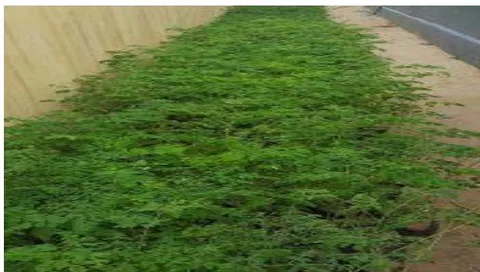
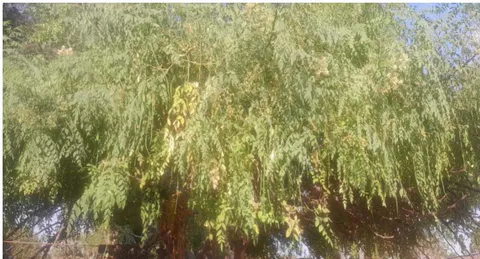
Photo 2: Moringa with Broad Leaves, Morphotype 1 in Kolobo, Chad
c) Physico-Chemical Analyzes
Samples of Moringa leaf powder, Morphotype 1, were analyzed in the laboratories of the Foodstuffs Quality Control Center (CECOQDA) in N'Djamena, Chad. Moisture, ash and lipid content were determined using the MO PC method, while crude protein was analyzed using the MO PC EA method.
To enable us to make a comparison, we assayed the samples of Moringa with small leaves, Morphotype 2, from our previous work, using standard methods in the laboratories of the Centre for Research in Biological, Food and Nutritional Sciences (CRSBAN) at the University Ouaga 1 Pr Joseph KI ZERBO in Ouagadougou, Burkina Faso. The samples were analyzed in duplicate.
i. Determining Moisture
The sample (5g) was oven-dried at for 03 hours and the difference in weight gave the moisture content (AOAC 934.06, 1990);
ii. Determining the Total Protein Content
Total protein is determined by the Kjeldahl method (AOAC 920.87, 1990) based on total mineralization of the biological material in an acid environment, followed by distillation of the nitrogen in ammonia form. The mass of total plant protein is calculated using the formula: mass of nitrogen x 6.25 (FAO/WHO, 1978).
iii. Determination of Lipids
5 g of each sample was weighed and introduced into an extraction cartridge, covered by cotton. The cartridge was placed in a 150 ml glass Soxhlet. The solvent container was weighed and 400 ml of n-hexane was added. The soxhlet was then introduced into the container placed on the heating mantle, which was then connected to the cryostat cooling thermostat. Four to six siphoning processes were conducted over 5 hours. The heating mantle was disconnected. The solvent was then evaporated in a RE 121 Rotavapor (made in Switzerland). The container with the fat was placed in an oven for 3 hours at 103°C, and then in a desiccator for 30 min and then weighed. The weight difference gives the fat content of the sample.
iv. Determination of Total Sugars
The determination of the total sugar content of the samples was performed in triplicate by spectrometric assay samples (Fox and Robyt, 1991). The reading of optical densities was made at 540 nm using a quant type plate reader (Bio-tek instrument Serial No. 157904, USA) coupled with a computer running KC integrated Junior (v1.31.5) software.
v. Détermination of ash rate
The sample (5 g) introduced in metal crucibles was mineralized in a muffle furnace (type VOLCA V50) at C for five (05) hours, removed using thongs and then cooled in a desiccators for about one (01) hour before being weighed. The difference in weight gives the ash content of the sample (AOAC, 1990);
vi. Determination of Minerals
Mineralization was achieved through dry ashing. The ash obtained contains major elements (Na, Ca, Mg, K, etc.) and trace elements (Fe, Zn, etc.). These minerals were determined by Atomic Absorption Spectrometry (Pinta, 1973)(with a PELKIN Elmer model
3110 device (Connecticut, USA). A hollow Al-Ca-Cu-Fe-Mg-Si-Zn cathode lamp was used.
vii. Calculation of the Energy Value
The energy value corresponding to the available energy was calculated using coefficients, coefficients adopted by the United Nations Food and Agriculture Organization (FAO) in 1970:
Where protein percentage, carbohydrates percentage, lipids (fats) percentage and energy value in Kcal/100g.
viii. Statistical Analysis
All assays were carried out in triplicate, and the averages and Standards Deviations (SD) calculation have been done with the software Exceland then transferred to Word version 2013.
III. RESULTS
Knowledge of the physico-chemical composition of Moringa is an important factor in its development.
a) Physico-Chemical Parameters of the Two Moringa Morphotypes
i. Moringa Oleifera, Morphotype 2 Results
Table 1 presents the results of chemical analysis obtained in the CRSBAN laboratories on dried leaf powder of Moringa oleifera, Morphotype 2.
| Nutrients | Value | aRDA |
| Energy (Kcal) | 253,73 | 682b |
| Moisture (%) | 9,31 ± 0,18 | |
| Ash (g) | 10,50 ± 0,07 | |
| Protéins (g) | 24,28 ± 0,22 | 10,28c |
| Fats (g) | 7,42 ± 1,56 | |
| Total Sugars (g) | 22,46 ± 2,02 | |
| Vitamins | ||
| (β-carotène) | 624,40 ± 0,41 μg ER | 400 |
| Vitamin C (mg) | 65,88 ± 0,00 | 30 |
| Minerals | ||
| Iron (mg) | 53,75 ± 5,07 | 11,6 |
| Zinc (mg) | 17,58 ± 0,89 | 8.4 |
| Calcium (mg) | 1443,90 ± 11,03 | 400 |
| Magnesium (mg) | 176,72 ± 0,73 | 54 |
The results obtained show that Moringa oleifera, Morphotype 2with small leaves, was more concentrated for most of the nutrients in our study, except for lipids (7.42 ± 1.56) and total sugars (22.46 ± 2.02): proteins (24.28 ± 0.22 g/100g), minerals, mg/100g: Ca 1443.90 ± 11.03; Mg 176.72 ± 0.73; Fe 53.75 ± 5.07; Zn 17.58 ± 0.89 and vitamins (β-carotene 624.40 ± 0.41μg ER, Vitamin C 65.88 ± 0.00 mg/100g). The high mineral content of Moringa oleifera powder is easily explained by its high ash content (10.50g per 100g).
ii. Moringa from the Village of Kolobo, Morphotype 1 Results
| Nutrients | Value | aRDA |
| Moisture (%) | 13,73 ± 0,12 | |
| Ash (%) | 9,94 ± 0,05 | |
| Proteins (%) | 6,09 ± 0,15 | 10,28c |
| Fats (%) | 0,52 ± 0,02 |
| Morphotypes | Moisture (%) | Proteins (%) | Fats (%) | Ash (%) |
| Morphotype 2 | 9,31 ± 0,18 | 24,28 ± 0,22 | 7,42 ± 1,56 | 10,50 ± 0,07 |
| Morphotype 1 | 13,73 ± 0,12 | 6,09 ± 0,15 | 0,52 ± 0,02 | 9,94 ± 0,05 |
IV. DISCUSSION
Small-leaf Moringa is a nutrient concentrate, as shown by the results summarized in Table 1, except for lipids (7.42 ± 1.56) and total sugars (22.46 ± 2.02). In one of our previous studies (Barnabas et al., 2024), we used the powder of these leaves in the nutritional recovery of 416 moderately acutely malnourished children (MAM) at the Chagoua Hospital Notre Dame of
Apostles (HNDA). The results of this study showed that moderately malnourished children given porridges with dried Moringa leaf powder took a maximum of three weeks to recover from malnutrition. The millet (Pennisetum typhoides) porridge with Moringa gave the best results, with 96% of children recovering after an average stay of 17.5 days. Children on red sorghum porridge from Bongor with Moringa showed the highest rate of haemoglobin gain at 13.5 g/dL. Children on maize porridge without Moringa (control) took the longest to recover in the study, averaging 32.7 days.
Comparing our results with those of Compaoré et al. (2011) in Burkina Faso, Moringa from Burkina has a high lipid content g/100g) and a low total sugar content which is the opposite for Chad, respectively g/100g for lipids and for total sugars.
Moringa broadleaf has a low protein content (6.09 g/100g) compared with Moringa obtained at Gounou Gaya. Its lipid content is very low (0.52 g/100g). However, this species has an ash content (9.94 g/100g) similar to the Moringa obtained at Gounou Gaya (10.50 ± 0.07 g/100g), which suggests a high minerals content that was not analyzed due to a break in the reagents at the time of our study.
Ndong et al. (2007) in Senegal, in their study of dried Moringa oleifera leaf powder, obtained higher results than ours, in terms of protein, carbohydrate, calcium, potassium, magnesium, ash and energy content. These values were respectively: ; ; ; ; ; and . As for iron and zinc content, we obtained and respectively, higher results than those obtained in their study, which were and respectively. However, in their study, Ndong et al. found low iron bioavailability (%) in dried Moringa oleifera leaf powder, i.e. . Our results regarding the lipid content of dried Moringa leaves from Chad ( g/100g) are similar to those from Senegal, i.e. .
As regards the minerals composition of broad-leaf Moringa leaves from Chad, the reagents for these analyses were not available at the time of our study in the laboratories of the Foodstuffs Quality Control Center (CECOQDA) in Chad. For information purposes, we give here the average values taken from page 209 of the FAO table of food composition for West Africa.
| Minerals | Fresh raw leaves | Fresh boiled leaves |
| Calcium | 595 | 633 |
| Iron | 10,3 | 10,9 |
| Magnesium | 68 | 73 |
| Phosphorus | 91 | 103 |
| Potassium | 405 | 428 |
| Sodium | 9 | 10 |
| Zinc | 1,20 | 1,28 |
| Copper | 0,21 | 0,22 |
According to Manzo et al. (2016), in Niger, the use of local foods has been identified in the national protocol for the management of malnutrition as an alternative to the ready-to-use therapeutic foods currently in use. Moringa oleifera dried leaf powder was identified as one of these local foods. They analyzed four Moringa samples from the three main Moringa production regions in Niger, namely Tillabéri and Niamey in the river basin and the south of Maradi in the Sahelo-Sudanian zone. According to the above authors, the dried Moringa leaf powder produced in Niger was found to be rich in protein, with an average of 24.8%. Depending on the region, the composition varied between 51.9 and 55.12 mg/100g for iron; 0.45 and 1.58 mg/100g for zinc; 1192.5 and 1957.5 mg/100g for calcium; 414.37 and 714.37 mg/100g for magnesium; 1587 and 2037 mg/100g for potassium; 207.75 and 326.25 mg/100g for sodium; 32 and 61 mg/100g for phosphorus.
Our results for dried Moringa leaf powder from Chad are similar to those from Niger in terms of protein, iron and calcium. Moringa from Niger has an average magnesium content (551 mg/100g) three times higher than that from Chad (176.72 ± 0.73 mg/100g). On the other hand, dried Moringa leaf powder from Chad has a zinc content (17.58 ± 0.89 mg/100g) 19 times higher than that from Niger (0.92 mg/100g).
Moringa oleifera Lam. is a leafy vegetable that is very rich in nutrients and is increasingly recommended for populations suffering from malnutrition. Moringa leaves, commonly known in local Arabic as "Haloum", are a staple food in some Chadian households. They are used in the preparation of sauces. "I use Moringa leaves to make sauce, and I boil the leaves to make herbal tea to treat malaria. I also use the roots of this plant to treat tooth decay. My children and me eat the seeds for stomach problems such as typhoid. I also use soaps made from Moringa to make my skin smooth", these are the answers given by some of the women interviewed by Solidarités International. According to traditional healers, Moringa leaves have been around for centuries. People all over the world have used Moringa leaves as a food, but also for its medicinal properties (Solidarités International, 2019).
HOUNDJI et al. (2013) assessed the effect of a daily intake of 10 g of Moringa oleifera leaf powder on the nutritional status of moderately acutely malnourished children aged 6 to 30 months after 6 months of supplementation. Two groups were formed from 84 infants selected from a nutritional recovery center in the village of Lissèzoun (Centre-Benin): one received PFMo and the other, chosen as a control, did not receive this powder. The nutritional status of the children was assessed using anthropometric indicators. At the end of the 6 months, the results showed that daily supplementation with PFMo significantly improved the nutritional status of the children, both for wasting (Z-score Weight/Height of -1.0 ± 0, 9 at the start of the intervention to 0.7 ± 1.0 at the end of 6 months), stunting (Z-score Height/Age from -2.6 ± 0.7 to 0.4 ± 0.7) and underweight (Z-score Weight/Age from -2.2 ± 0.6 to 0.7 ± 0.7). The improvement in Z-scores was greater in the intervention group than in the control group and resulted in zero prevalence for the three types of malnutrition at the end of the experimental period.
According to Nikiema et al. (2009), in Burkina Faso, natural substances are also recommended by traditional health practitioners for immunological and nutritional recovery, early treatment of HIV infection and reducing the side effects of ARV (antiretroviral) treatment. The most important of these are the leaves of Moringa oleifera Lam. (Moringaceae), the pulp of the fruit of Detarium microcarpum Guill. & Perr. (Fabaceae), spirulina and pollen from the beehive.
TETE-BENISSAN et al. (2012) evaluated the influence of leaf powder consumption on serum protein changes during nutritional recovery in malnourished subjects. They reached the following conclusions: Infants (29 HIV-negative and 26 HIV-positive) and children (27 HIV-negative and 32 HIV-positive) of both sexes aged between 12 months and 8 years were compared. After 16 weeks of M. oleifera use, anthropometric parameters were measured, and assays of total protein, creatinine, ASAT, ALAT and GT were performed, along with a proteinogram. Nutritional recovery with M. oleifera showed that BMI increased significantly in both HIV-negative and HIV-positive subjects (p<0.001). The significant increase in albumin concentrations correlated with a significant decrease in total protein, , , , , globulin fractions, creatinine, AST, ALT and GT after use of the dietary supplement. The results of the study also showed that the improvement in nutritional status, inflammatory status and immune status was greater in HIV-negative subjects than in HIV-positive subjects. This study confirms the nutritional qualities and pharmacological properties of M. oleifera leaves in the fight against malnutrition and micronutrient deficiencies. Thus, despite the profound metabolic disruption caused by viral infection, M. oleifera effectively helps to reduce the inflammatory state in HIV-positive subjects.
Moringa oil also contains around 76% linolenic acid and oleic acid, making it a potential substitute for olive oil. Moringa leaves contain an exceptionally high amount of protein compared with other leaves consumed as food, and essential amino acids such as lysine, tryptophan, phenylalanine, valine, etc. (Trigo et al., 2021).
The Moringa tree has been reported to have high economic and cultural values, which has also led to the emergence of Moringa plantation and processing businesses with its implication in job creation and therefore poverty reduction. Many families, particularly women, are involved in the distribution and sale of fresh Moringa leaves. They make a living from supplying urban centers on a daily basis (Omotesho et al., 2013).
In Nigeria, the average yield of wet leaves per Moringa plant is 4.5 kg per year, equivalent to 1 kg of dry leaf powder, giving a ratio of 4.3 kg to 1 kg of dry organic leaf powder. On average, one hectare of Moringa plant will yield 50,616 kg of dry leaf powder and a gross income of $75,924 per year. It is important to note that the Moringa plant produces for seven years or more (Omotesho et al., 2013).
Moringa leaves contain antinutritional factors such as oxalate and phytate and tannins that can reduce the bioavailability of certain nutrients. Treatments such as roasting (Alidou et al., 2016) and boiling (Sallau et al., 2012) have been reported to effectively reduce the content of these anti-nutrients, thereby increasing nutrient bioavailability. Boiling leaves before consumption is a traditional practice of local communities in Zaria, Nigeria.
Moringa leaves are rich in polyphenols, the main components of which are flavonoids and phenolic acids. The flavonoids found are mainly quercetin and kaempferol, while the phenolic acids are mainly gallic, chlorogenic, ellagic and ferulic acids. The leaves also contain saponins, tannins, catecholic tannins, anthraquinones and alkaloids (Omede, 2016). Moringa has remarkable health benefits, including antioxidant, antimicrobial, anticancer, anti-inflammatory and anti-diabetic activity (Trigo et al., 2021; Ghimire et al., 2021; Kashyap et al., 2022). There is also growing interest in using Moringa as a value-added ingredient in the development of functional foods (Kashyap et al., 2022).
V. CONCLUSION
At the end of this study, a number of physicochemical parameters were determined. The study revealed that Moringa oleifera leaf powder with small leaves, Morphotype 2 is rich in protein, calcium, magnesium, iron, zinc and -carotene. Dried large-leaf Moringa oleifera, Morphotype 1 leaf powder is low in protein and very low in lipids. Its ash content is almost the same as that of the small leaves. From a nutritional point of view, large-leaf Moringa oleifera, Morphotype 1 is not very suitable for treating cases of protein and lipid deficiency.
The processing of Moringa leaves into powder remains a good practice for better preservation of the product but also for a good concentration of nutrients. Analysis of the chemical composition revealed the particularities of dried Moringa oleifera leaf powder with small leaves, which would be of great interest from a nutritional point of view.